




A Warning Wrapped in Diplomacy
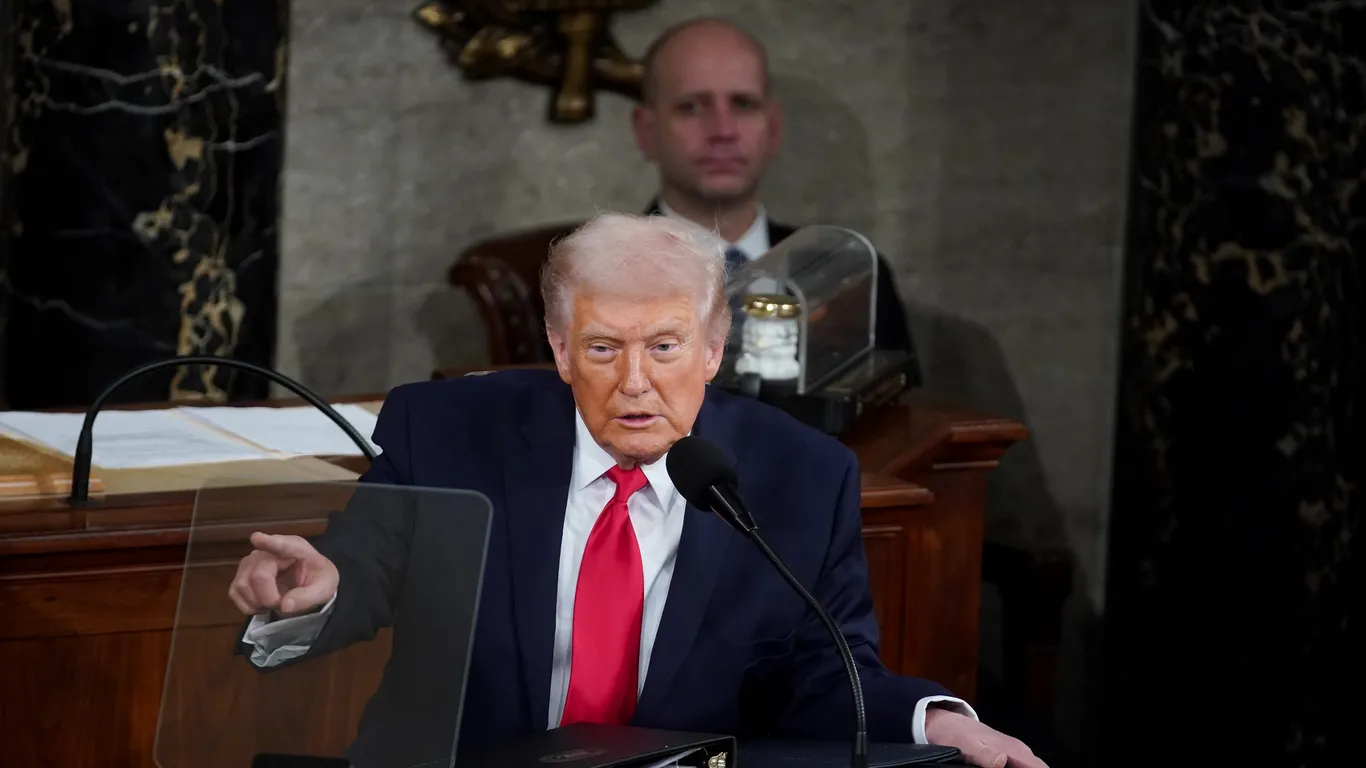
Gas prices and your 401(k) are about to move. Here's why. President Trump warned Iran during his State of the Union address on Tuesday that the country will never obtain a nuclear weapon on his watch. But the same speech that promised diplomacy also outlined reasons that could lead to military action, and the U.S. has assembled the largest Middle East military force since the Iraq invasion.
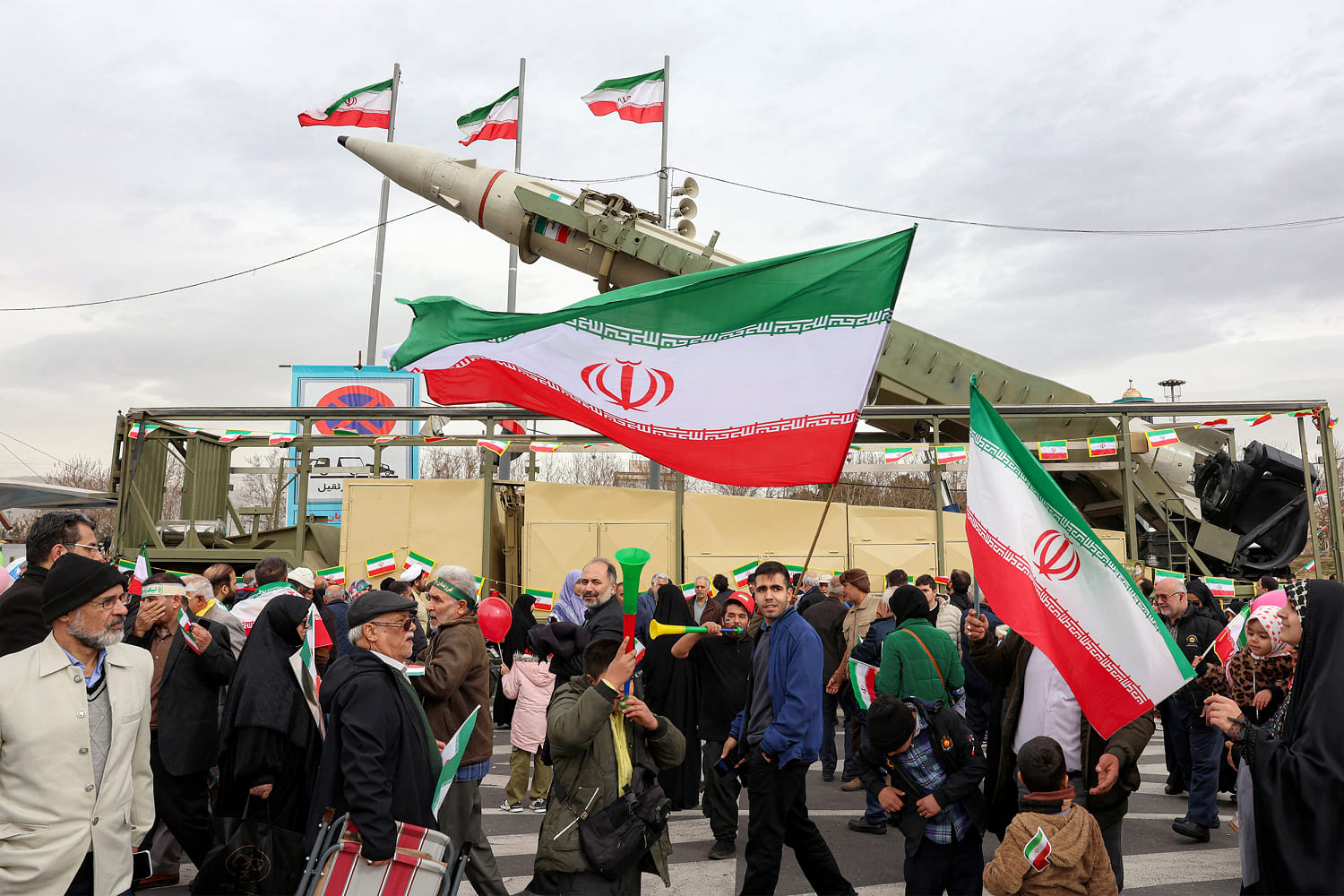
Trump's message was direct: "I will never allow the number one state sponsor of terrorism to have a nuclear weapon. And no nation should ever doubt America's resolve." He said Iran is developing ballistic missiles that threaten Europe and U.S. bases, and is working on intercontinental missiles "that will soon reach the United States of America." U.S. intelligence assesses Iran will need at least another decade to develop such missiles. Most critically, he claimed Iran is trying to rebuild its nuclear weapons program, which he said was "obliterated" during a war last June.
The stakes are immediate. Envoys Jared Kushner and Steve Witkoff are planned to meet Iran's Foreign Minister Abbas Araghchi in Geneva on Thursday, according to reports. That meeting could be a critical opportunity for diplomacy.
The Case for War, Quietly Built
Trump outlined his grievances with Iran methodically. He said the Iranian regime and its proxies have "spread terrorism and hate" for 47 years, killing thousands in the region, including American soldiers. Trump claimed that at least 32,000 civilians were killed during protests last December. He detailed the missile threat. He emphasized the nuclear ambition.
What he didn't do was explain to the American public why military action is necessary now. Secretary of State Marco Rubio and CIA Director John Ratcliffe gave a classified briefing on Tuesday to the "gang of eight" congressional leaders about the crisis. Rep. Jim Himes, ranking Democrat on the House Intelligence Committee, emerged from that briefing concerned. "We have not heard articulated a single good reason for why now is the moment to launch yet another war in the Middle East," he said.
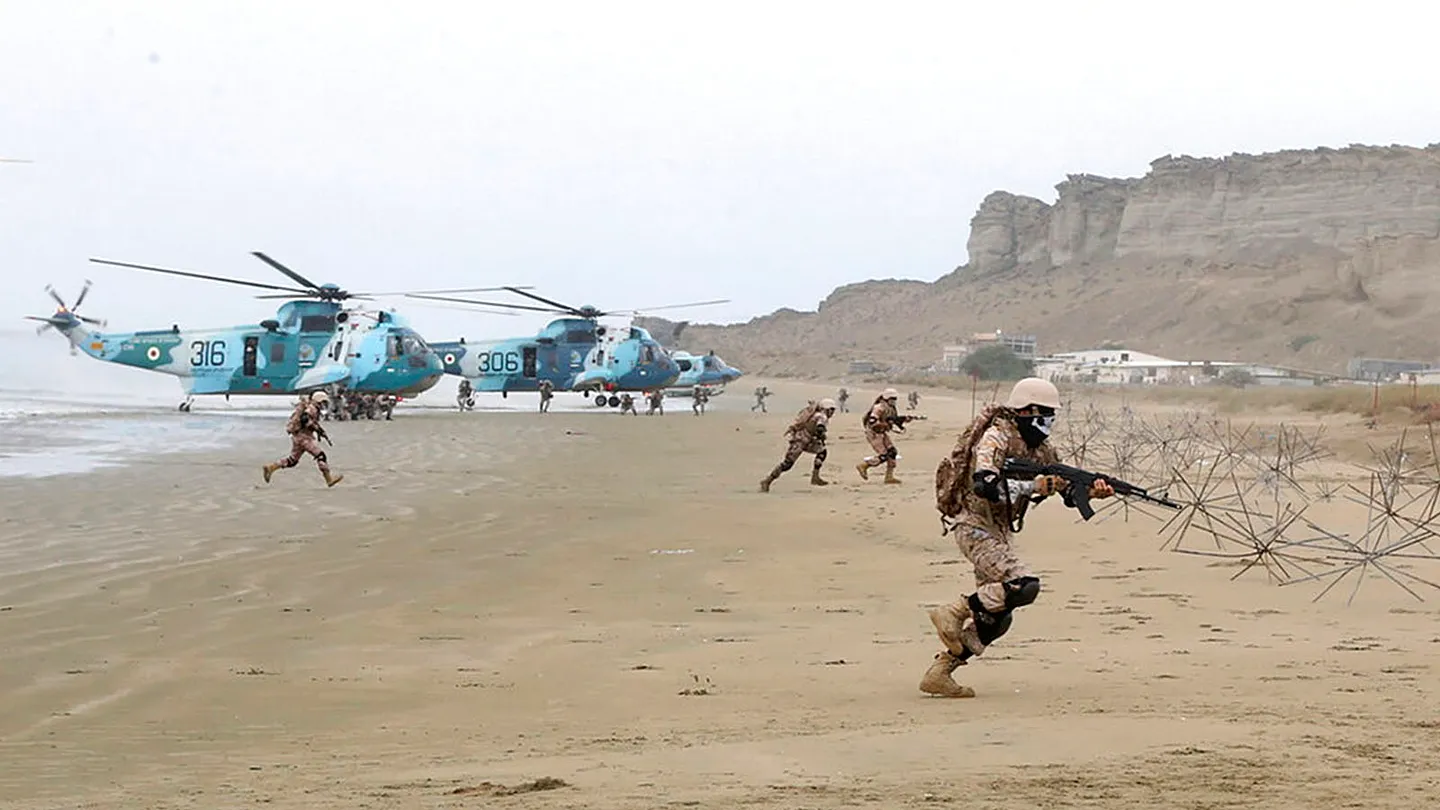
The U.S. military has assembled over recent weeks the biggest buildup in the Middle East since the Iraq invasion. A second aircraft carrier is heading toward the region. The administration has deployed forces and crafted public statements ahead of Thursday's talks.
Iran Says a Deal Is Still Possible
Hours before Trump's speech, Iran's Foreign Minister Abbas Araghchi signaled a different path. He wrote on social media that Iran will resume talks in Geneva on Thursday to reach "a fair and equitable deal as soon as possible." He stressed that Iran's position remains unchanged: it will never develop a nuclear weapon "under no circumstances."
Trump and Iran have stated different positions. Trump demands Iran promise never to build a nuclear weapon. Iran says it already made that promise and never intends to break it. Both sides say they prefer diplomacy, but only Iran has publicly restated its no-nukes pledge. Trump has yet to offer a reciprocal concession.
What Happens Next
The next 72 hours could add dollars to every gallon of gas and billions to the federal deficit if talks fail and missiles fly. The Geneva meeting on Thursday will test whether diplomatic language reflects genuine negotiating room or theater before military action. If talks collapse, the military buildup already in place positions the U.S. to conduct military operations. If talks succeed, both sides would need to accept terms they consider acceptable. Trump has stated Iran must promise never to develop nuclear weapons. Iran has stated it will never develop nuclear weapons and seeks recognition of that commitment.