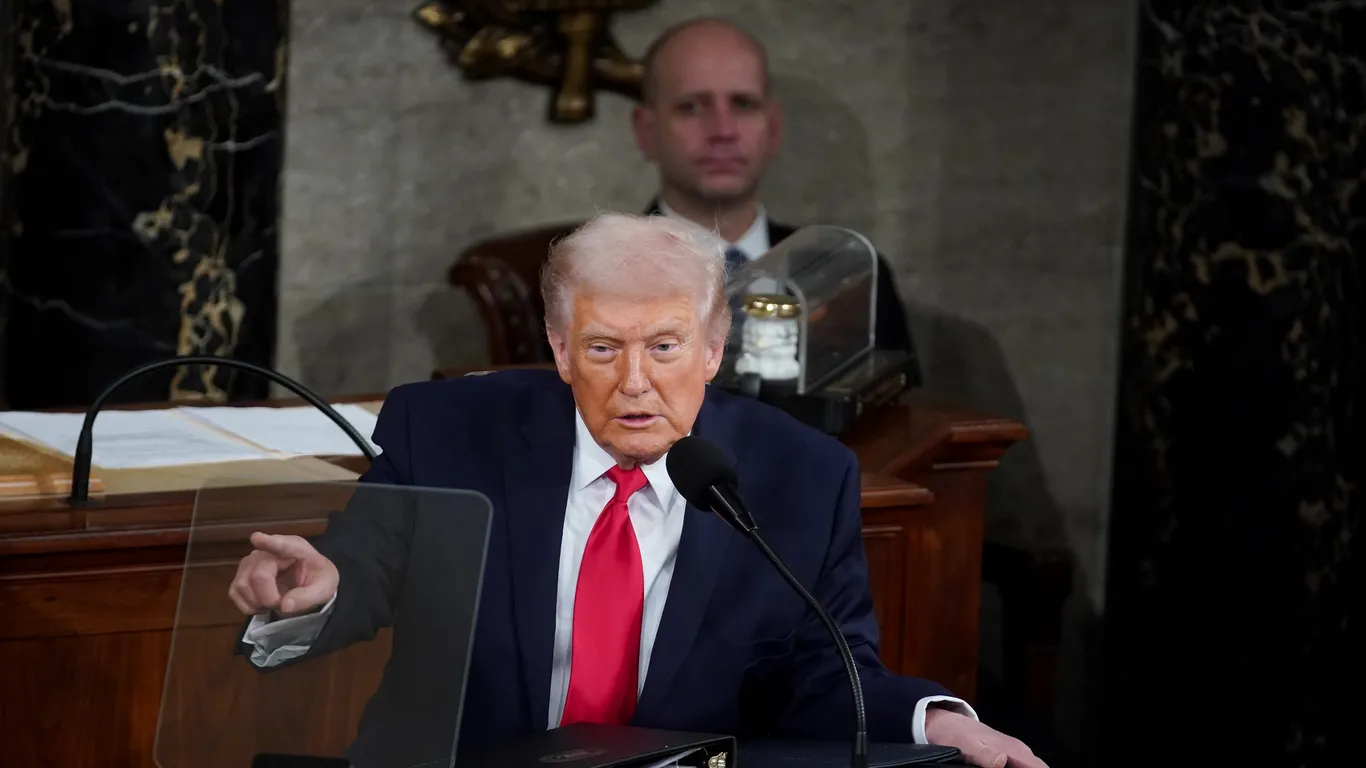
President Donald Trump used his State of the Union address to warn Iran that the United States is prepared to use military force if Tehran attempts to rebuild its nuclear weapons program. He stated, "I will never allow the number one state sponsor of terrorism to have a nuclear weapon." Trump said he prefers diplomacy but also ordered the largest U.S. military buildup in the Middle East since the 2003 Iraq invasion.
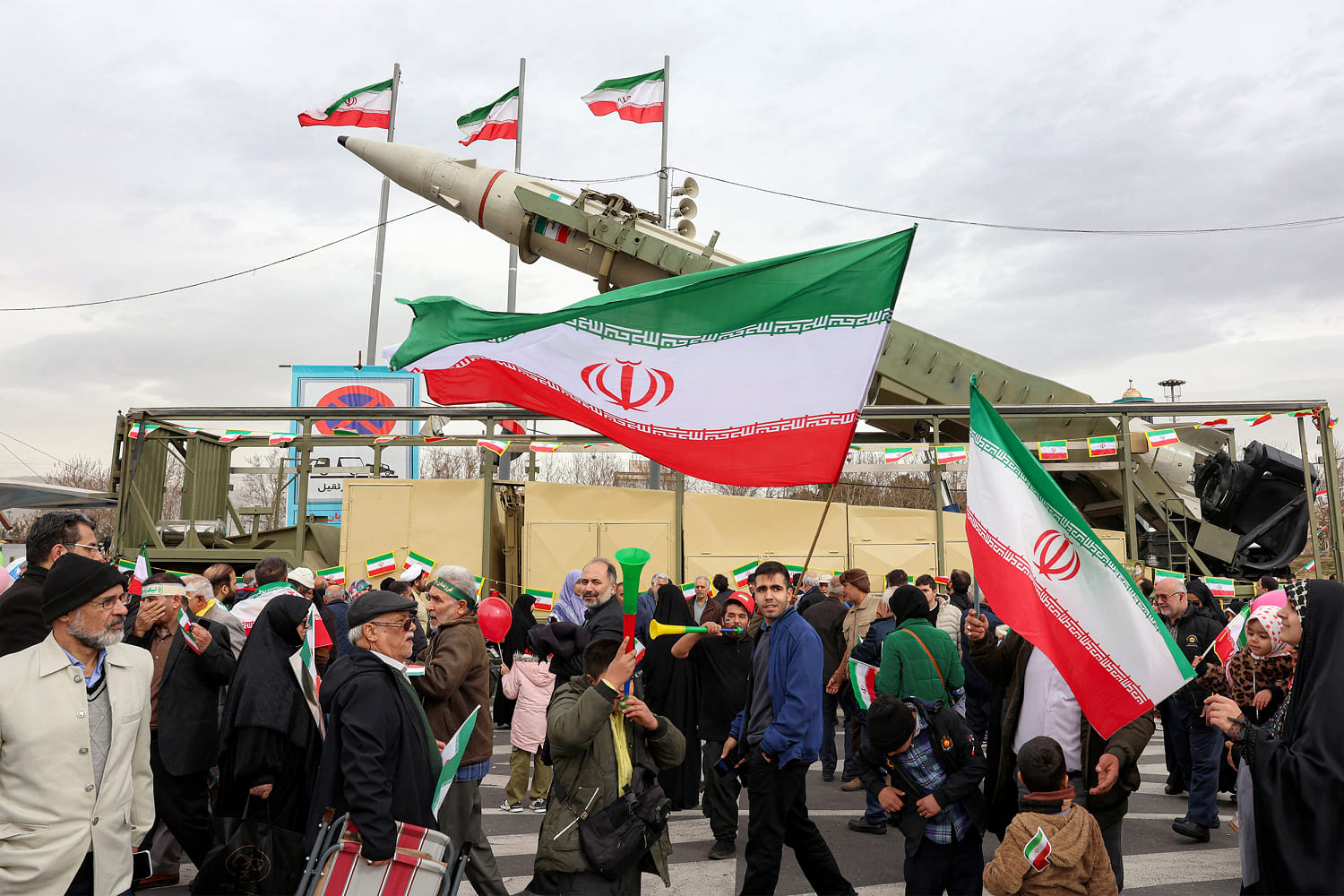
Trump expressed both a preference for diplomacy and the possibility of military action. He accused Iran of attempting to rebuild its nuclear weapons program and developing long-range missiles. U.S. intelligence assesses Iran will need at least another decade to develop such missiles capable of reaching the United States.
Some Democrats disrupted Trump's speech by voicing accusations during key points, including when Trump discussed immigration and crime. House Minority Leader Hakeem Jeffries and other Democrats criticized the president for failing to justify the military buildup. This disruption highlights divisions in Congress.
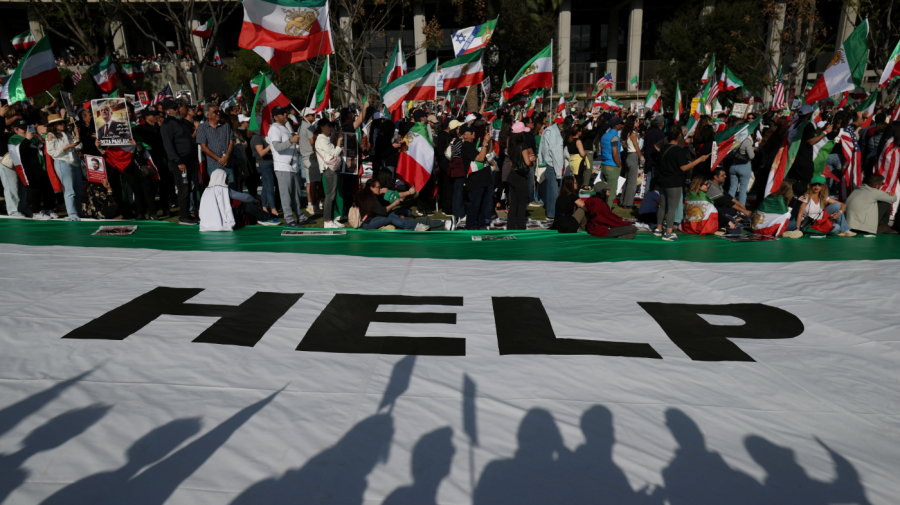
Trump announced new sanctions targeting Iranian individuals and companies involved in illicit oil sales and ballistic missile programs. These sanctions are part of a broader "maximum pressure" campaign on Iran. Iranian officials dismissed Trump's accusations as "big lies," emphasizing their commitment to diplomacy but warning that confrontational rhetoric could derail negotiations.
U.S. officials are preparing for critical negotiations. The upcoming talks are considered a critical opportunity for diplomacy. Both sides face pressure to balance confrontation with dialogue.
Escalating conflict could affect gas prices and the economy. Energy analysts warn a wider conflict could push fuel prices higher, though futures markets currently price in only a modest risk premium. U.S. involvement in the Middle East could have effects on the economy and security.
With military options and diplomatic efforts underway, the coming weeks are important for U.S.-Iran relations.
If you’re concerned about your gas prices or U.S. security, President Donald Trump's latest warning to Iran during his State of the Union address should grab your attention. As tensions escalate, Trump asserted that Iran's ambitions could lead the U.S. down a path of military intervention, directly impacting Americans' safety and financial stability. He stated, "I will never allow the number one state sponsor of terrorism to have a nuclear weapon," signaling a readiness to act if diplomatic efforts fail.
Trump’s remarks were notable for their dual nature. While he expressed a preference for diplomacy, he also laid out a case for potential military action against Iran, which he accused of rebuilding its nuclear weapons program and developing long-range missiles capable of reaching the United States. His administration has amassed the largest military presence in the Middle East since the Iraq invasion, raising alarms among lawmakers and citizens alike about the implications of a possible conflict.
Democrats reacted strongly to Trump's speech. Some members disrupted the address, shouting accusations during key points, including when Trump discussed immigration and crime. This disruption reflects a growing divide in Congress and raises questions about how effectively the administration can communicate its strategies. House Minority Leader Hakeem Jeffries and other Democrats criticized the president for failing to justify the military buildup and the looming threat of war.
In conjunction with his speech, Trump announced new sanctions targeting Iranian individuals and companies involved in illicit oil sales and ballistic missile programs. These sanctions are part of a broader “maximum pressure” campaign aimed at curbing Iran's nuclear ambitions. Iranian officials have dismissed Trump’s accusations as "big lies," emphasizing their commitment to diplomacy but warning that confrontational rhetoric could derail negotiations.
As U.S. officials prepare for critical negotiations in Geneva, the stakes are high. Trump's speech may serve as an attempt to shape public opinion before any military action, especially if negotiations do not yield satisfactory results. The upcoming talks are seen as a last chance for diplomacy, with both sides needing to navigate a precarious balance between pressure and dialogue.
For everyday Americans, the implications of these geopolitical tensions extend beyond military concerns. An escalation in conflict could lead to increased gas prices, affecting your budget and daily life. The uncertainty surrounding U.S. involvement in the Middle East looms large, reminding citizens that decisions made in Washington can have profound effects on their wallets and security.
The next steps in U.S.-Iran relations will shape not only the future of diplomatic engagement but also the everyday lives of Americans. With military options on the table and diplomatic efforts underway, the coming weeks could be pivotal in determining how this conflict unfolds.
Highlighted text was flagged by the council. Tap to see feedback.