Vice President Vance said Wednesday that the Trump administration is seeking a diplomatic solution with Iran. "The president has been crystal clear," Vance told Fox News, describing the upcoming nuclear talks in Geneva as evidence the administration is pursuing negotiation. He added that President Trump retains sole authority to order military strikes if diplomacy fails.
The statement came as U.S. and Iranian negotiators prepared for their third round of nuclear talks Thursday.
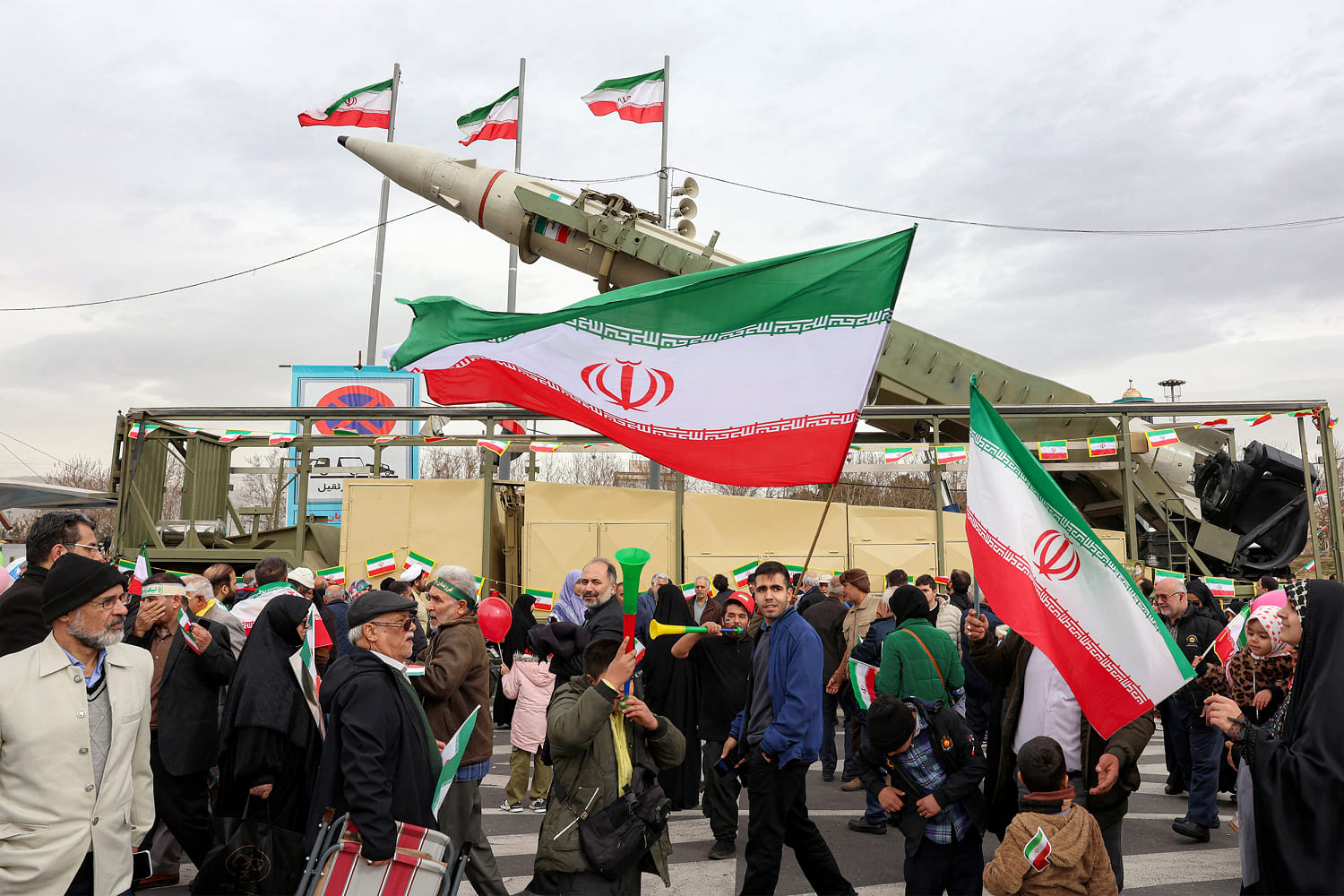
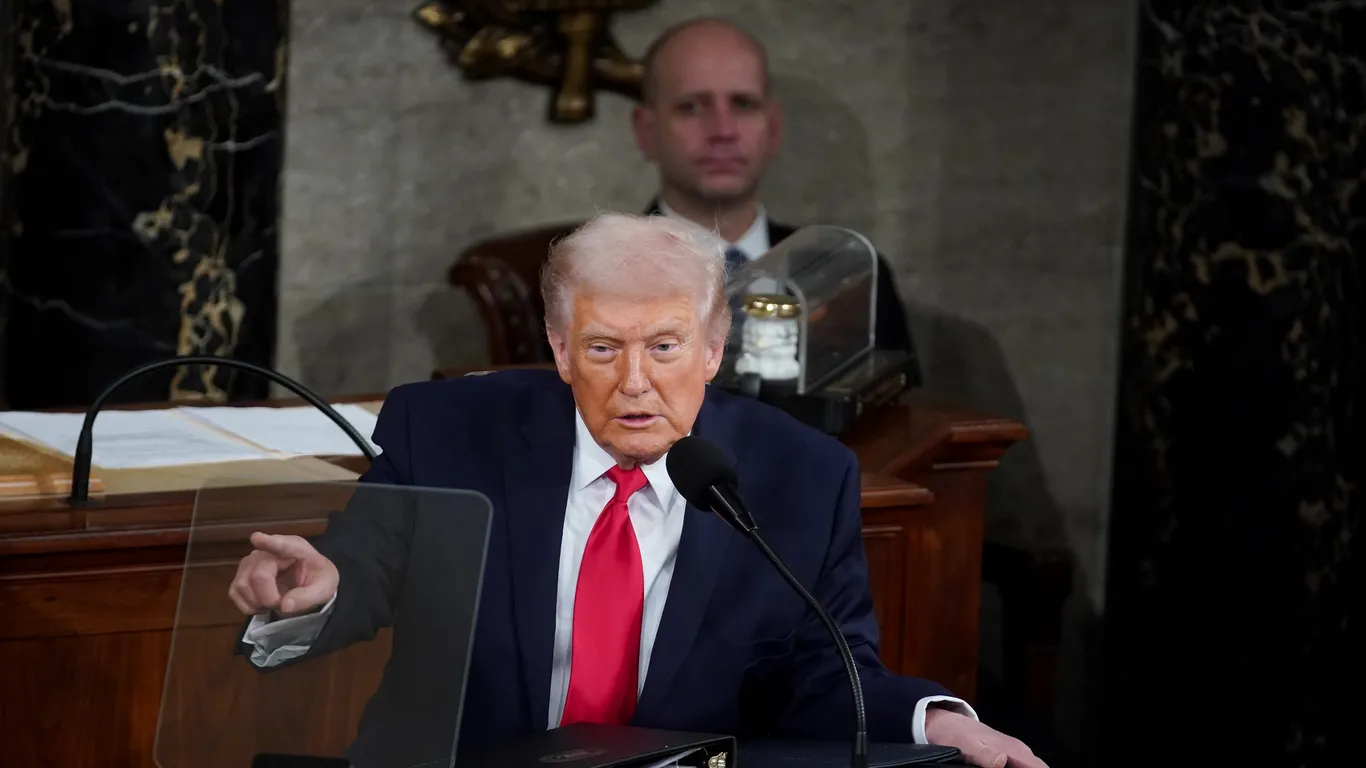
The U.S. has deployed one aircraft carrier strike group to the region with another on the way. Trump used his State of the Union address to outline reasons for potential military action: Iran's history of attacks on Americans, its nuclear enrichment program, and its development of ballistic missiles.
The Treasury Department announced new sanctions Wednesday targeting Iranian vessels accused of enabling illicit oil sales and ballistic-missile programs. These sanctions were announced hours before the Geneva talks began.
Trump has characterized Iran's missile threat as imminent, using the word "soon" in recent statements. U.S. intelligence agencies assess the timeline differently, estimating approximately 10 years for Iran to develop missiles capable of striking the continental United States.
According to New York Times reporting, some Trump administration officials believe military strikes could force Iran to abandon its nuclear enrichment program. Other officials within the administration question whether such an attack would achieve that objective.
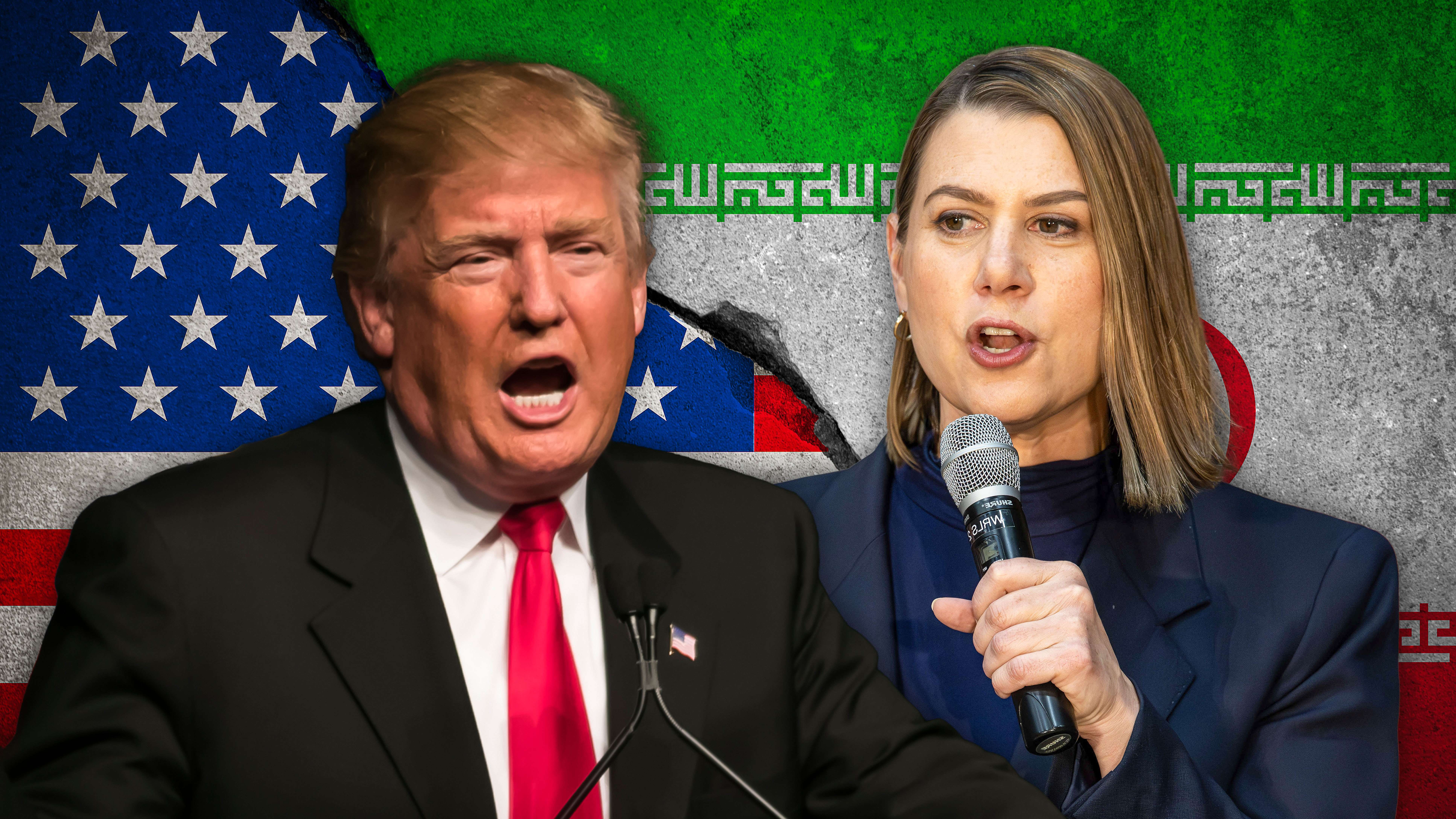
The House appears on track to defeat a war powers resolution sponsored by Representatives Ro Khanna (D-Calif.) and Thomas Massie (R-Ky.) that would require congressional approval before Trump orders military action against Iran. The resolution's likely defeat would leave Trump with broad authority to strike without legislative consent.
Saudi Arabia is quietly urging restraint, according to regional diplomats, in a bid to discourage wider conflict. Regional powers are working to prevent escalation.
Thursday's talks will test whether diplomacy can bridge the wide gap between Washington and Tehran. Iran's top diplomat has arrived in Geneva. Secretary of State Rubio and Vice President Vance have warned of Iran's military threat ahead of the talks. If negotiations collapse, Trump has repeatedly threatened military strikes. Regional analysts and officials have expressed concern that military action could trigger a wider conflict.
Vice President Vance said Wednesday that the Trump administration is seeking a diplomatic solution with Iran, even as the U.S. escalates military threats and economic pressure on Tehran. "The president has been crystal clear," Vance told Fox News, describing the upcoming nuclear talks in Geneva as evidence the administration is pursuing negotiation. He added that President Trump retains sole authority to order military strikes if diplomacy fails.
The statement came as U.S. and Iranian negotiators prepared for their third round of nuclear talks Thursday, with Trump's self-imposed deadline for a deal looming within days.
Yet the administration's actions tell a different story. The U.S. has deployed one aircraft carrier strike group to the region with another on the way. Trump used his State of the Union address to catalog reasons for military action: Iran's history of attacks on Americans, its nuclear enrichment program, and its development of ballistic missiles.
The Pentagon announced new sanctions Wednesday targeting Iranian vessels accused of selling illicit oil and financing ballistic missile programs. These sanctions arrived just hours before the Geneva talks began, a timing that underscores the administration's dual strategy of negotiating while preparing for war.
Trump claimed in recent weeks that Iran will "soon" have missiles capable of hitting the continental United States. A 2025 U.S. intelligence report offered a starkly different timeline: Iran will need roughly 10 years to develop such capability. The discrepancy highlights how Trump is framing the Iranian threat in more urgent terms than his own intelligence agencies assess.
Some Trump administration officials hope military strikes would force Iran to abandon its nuclear enrichment program entirely. Others within the administration harbor doubts about whether such an attack would achieve that goal.
The House appears positioned to defeat a bipartisan war powers resolution sponsored by Representatives Ro Khanna and Thomas Massie that would require congressional approval before Trump orders military action against Iran. The resolution's likely defeat would leave Trump with broad authority to strike without legislative consent.
Saudi Arabia has emerged as an unexpected diplomatic force, using back-channel negotiations to discourage American military action. Unlike last year, when U.S. bombers struck Iranian nuclear facilities, regional powers are now actively working to prevent escalation.
The Geneva talks Thursday will test whether Trump's diplomatic door remains genuinely open or serves primarily as cover for military preparation. Iran's top diplomat has arrived in Geneva as the administration continues warning of Tehran's long-term military threat. If negotiations collapse, Trump has repeatedly threatened military strikes, a prospect that Middle Eastern nations fear could ignite a wider regional conflict as the Israel-Hamas war still smolders.
The next 48 hours will clarify whether Trump is negotiating in good faith or using talks as a backdrop while moving toward military confrontation.
Highlighted text was flagged by the council. Tap to see feedback.