




The stakes are immediate
If you filled up your car last week, you felt the Middle East. Gas prices spike when war looms. President Trump is deciding this week whether to strike Iran militarily or negotiate a nuclear deal. The choice could reshape American foreign policy, oil markets, and the risk of a prolonged conflict that might drag in Israel and destabilize the region.
Iran's supreme leader faces a mirror-image decision: agree to limit its nuclear program or prepare for war. Sources suggest Trump faces pressure to choose between military action or negotiation, though the timeline for any decision remains unclear.
What Trump is considering
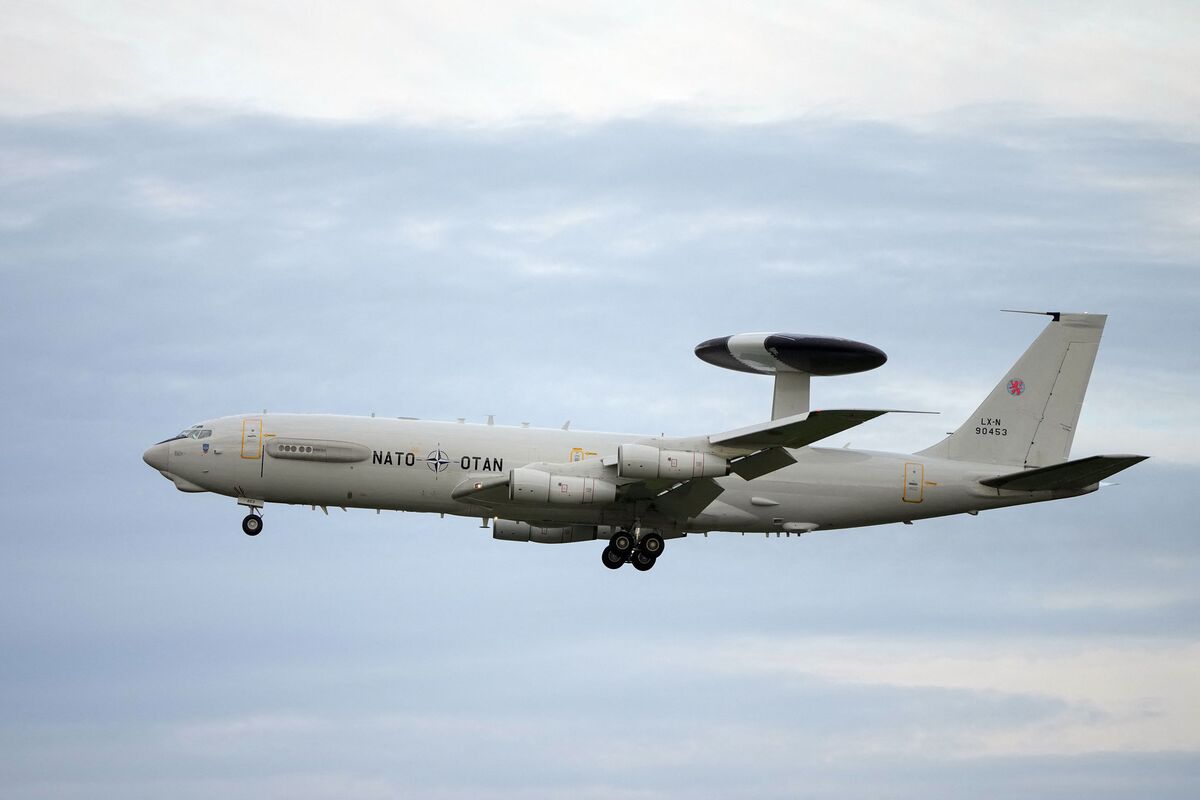
Trump is weighing a limited military strike designed to pressure Iran into severely restricting its nuclear program. The U.S. military has positioned two aircraft carriers in the region, along with additional warships and aircraft, creating one of the largest Middle East deployments in years. The State Department has begun evacuating personnel from exposed outposts, a signal that officials believe military action is plausible.
Trump has publicly suggested military action could be effective. He has publicly stated that Gen. Dan Caine, the chairman of the Joint Chiefs of Staff, sees an easy victory if the U.S. attacks.
The general's actual warning
Gen. Caine told Trump something different in private meetings. The New York Times and The Hill reported that Gen. Caine warned Trump military action could pose substantial risks and leave the U.S. in a prolonged conflict. Trump disputed these reports publicly, labeling them as fabrications.
This discrepancy between Trump's public statements and reported private military advice highlights conflicting information about the risks of military action.
Iran's war preparations
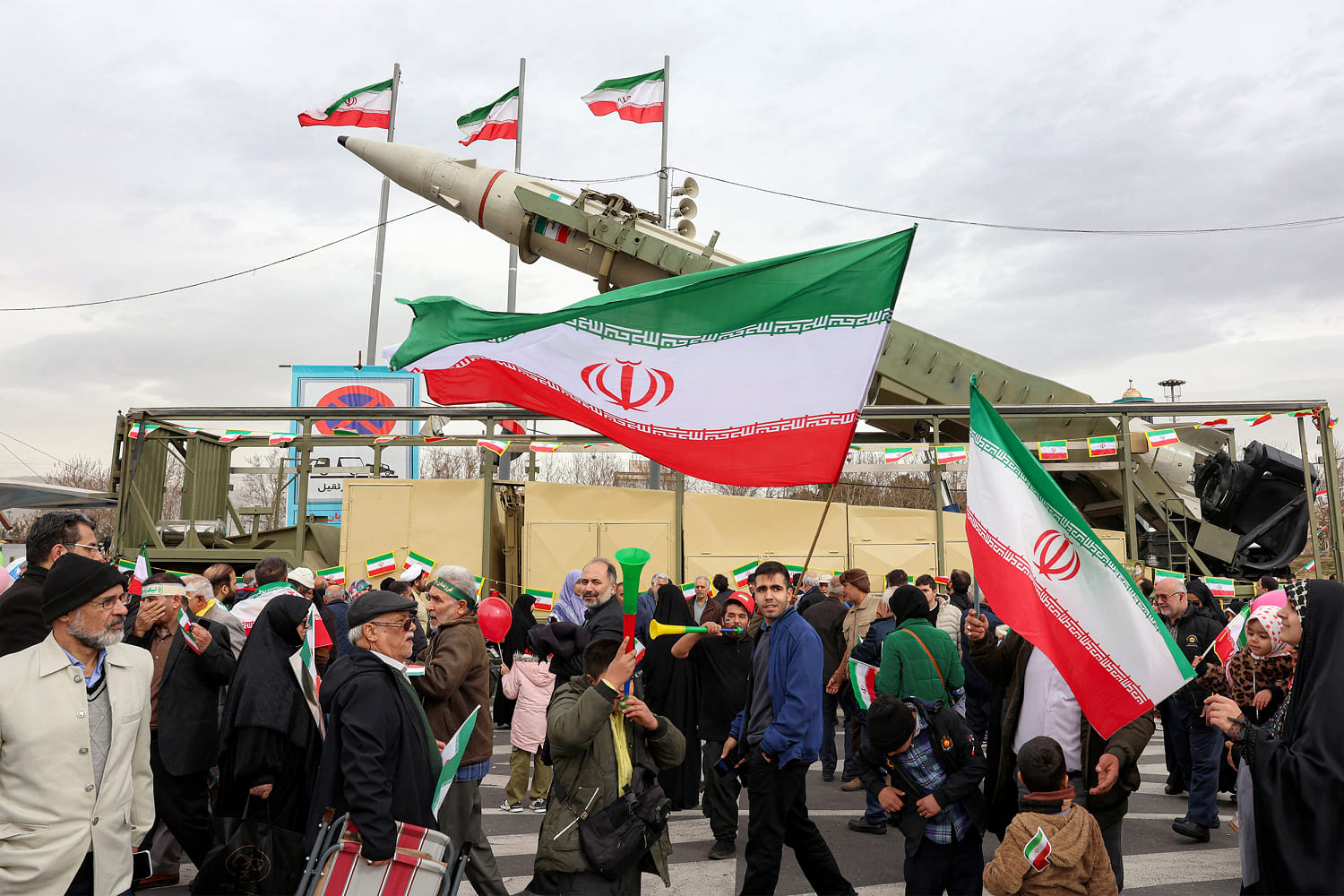
Iran is not waiting passively. The country is dispersing government authority, hardening military infrastructure, rehearsing retaliation options, and tightening internal security. Iranian officials are signaling they can raise global costs through the Strait of Hormuz, a critical shipping lane for oil, and through regional targeting of U.S. allies.
According to reports, Iran is signaling it could make any conflict expensive and prolonged through actions in the Strait of Hormuz and regional targeting.
The deal alternative
Trump could pursue negotiations with Iran's supreme leader to limit the country's nuclear program, though whether Iran would accept restrictions and whether Trump would honor any agreement remain uncertain. The regime's survival depends on avoiding destruction. That survival instinct may push the Iranian leader toward negotiation rather than confrontation.
Some analysts point to previous U.S. policy shifts as reason for Iran to approach any negotiations cautiously. Iran may not trust American assurances, while the U.S. may not trust Iranian compliance. This mutual credibility problem could block negotiation.
What happens next
The decision comes this week. Oil markets are already pricing in uncertainty. American military families are watching deployments. Israel is watching Trump. Iran is watching both.
Oil markets are already pricing in uncertainty. A Trump decision on Iran could affect energy prices, financial markets, and regional stability.