If you're driving to work or taking a family road trip, that routine fill-up could soon cost you more. With the US sending 150 aircraft and warships to the Middle East, tensions with Iran are escalating fast. The potential closure of the Strait of Hormuz, which handles 20% of the world's oil, could spike energy costs and strain supply chains.
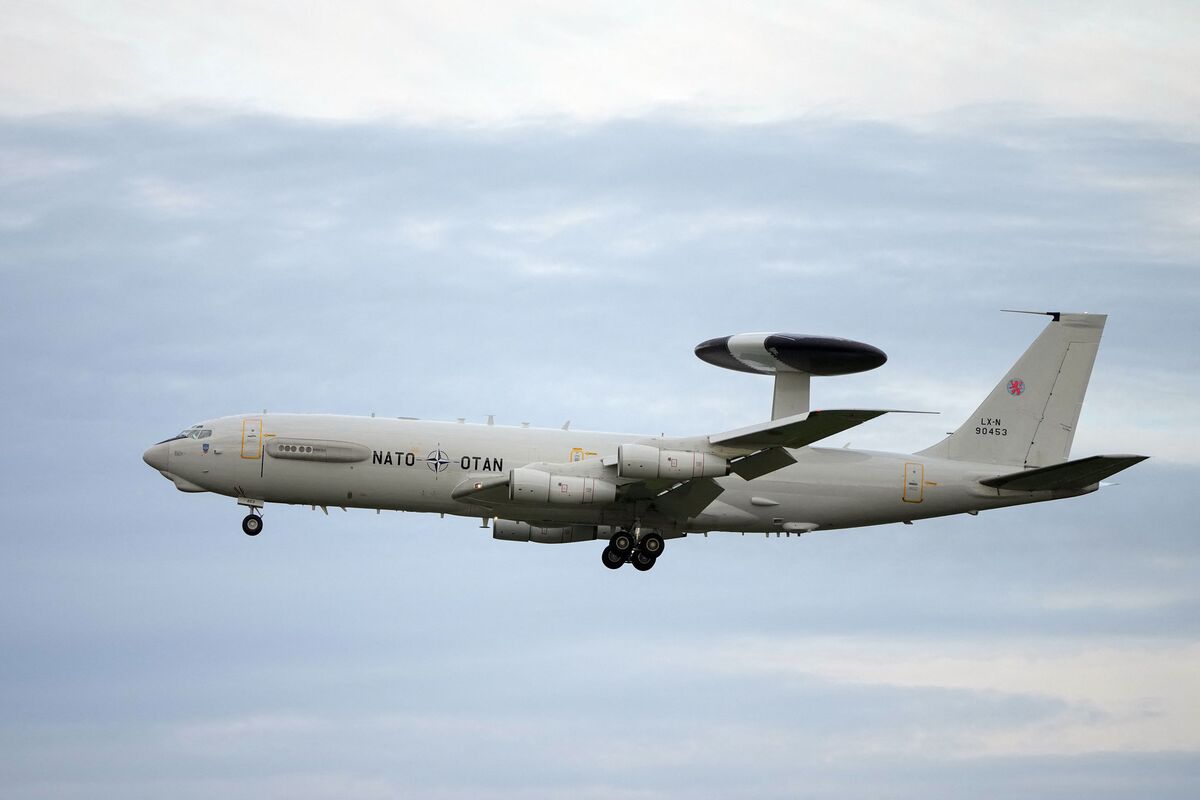
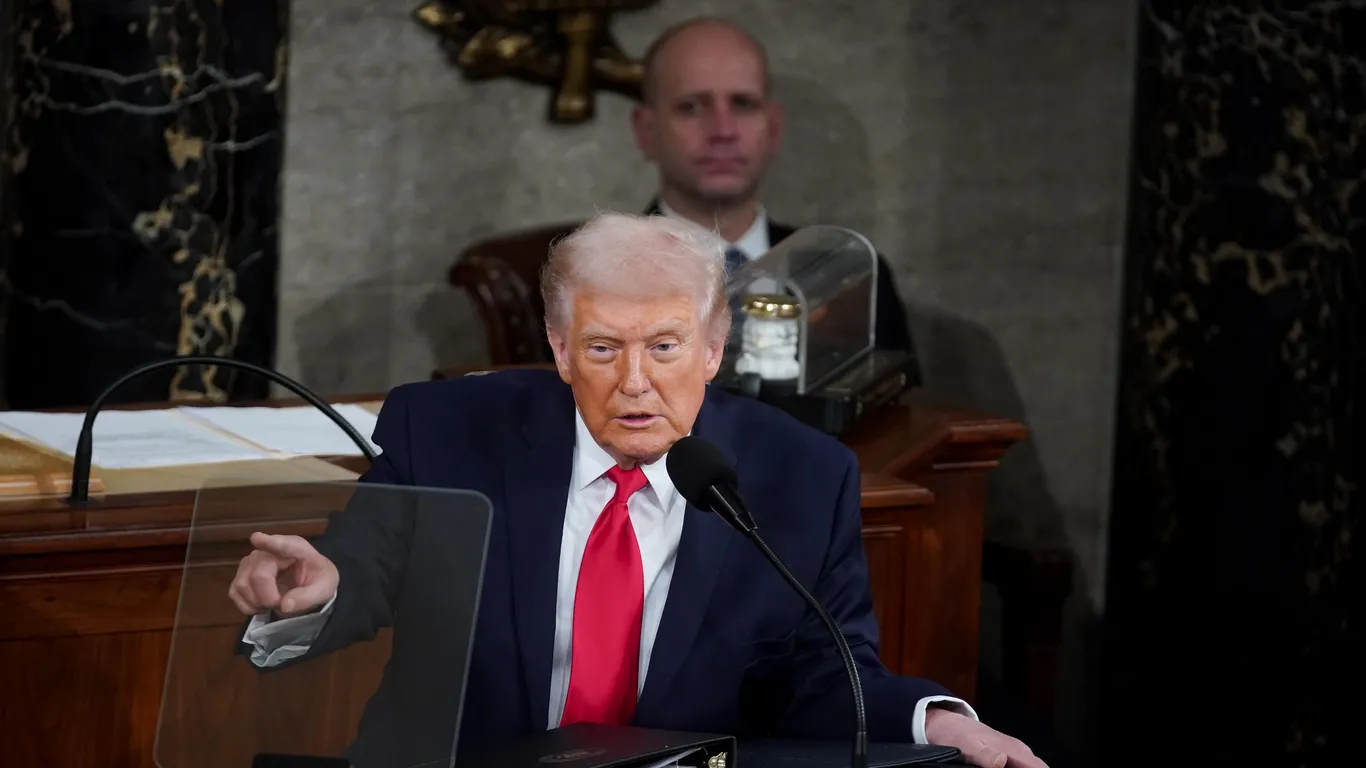
President Donald Trump has deployed the largest US military force to the region since the 2003 buildup to the Iraq war, positioning two aircraft carrier battle groups and fighter jets in the Middle East. Trump has publicly warned that military action may be necessary to pressure Iran into accepting limits on its nuclear program. NATO is ramping up surveillance from Turkey, shifting its focus from Russia to Iran, according to Bloomberg.
Last week's round of nuclear negotiations between the US and Iran ended without an agreement, leaving both sides entrenched. Secretary of State Marco Rubio is briefing top lawmakers today in Washington, including the "gang of eight" from Congress. Rubio's address underscores how these diplomatic failures are fueling military posturing, with diplomatic negotiations at an impasse.
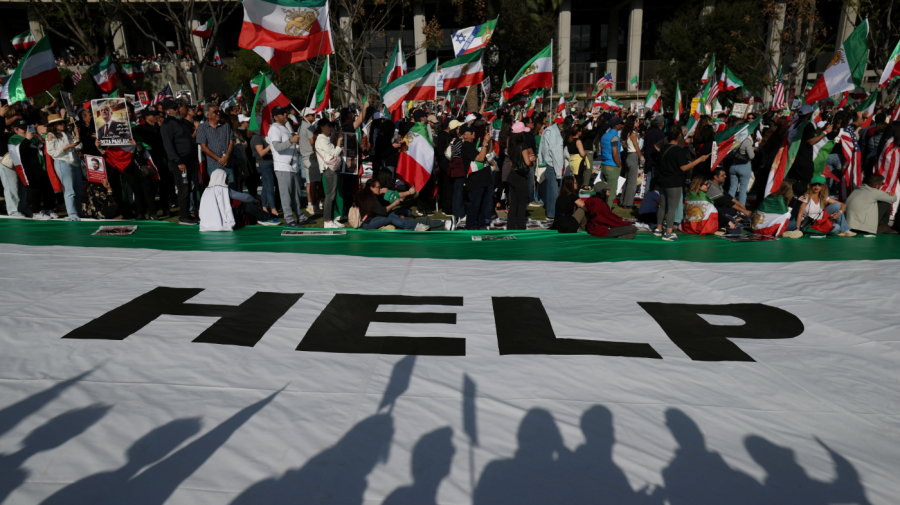
Iran is pushing back against US pressure by strengthening ties with regional partners, betting that alliances can counter American military might without direct confrontation. Israel's opposition leader Yair Lapid voiced support for a broad Israeli role in the Middle East, citing Zionist and biblical foundations. According to Iranian strategic analysis presented in regional media, while Iran cannot match US military might directly, its network of regional alliances could prolong any conflict and disrupt oil supplies.
This standoff isn't just about distant borders — it's affecting everyday life in the US. The potential closure of the Strait of Hormuz could spike energy costs and strain supply chains, hitting households with higher bills for gas, heating, and goods. Businesses from trucking firms to airlines could face disruptions. Congressional leaders are being briefed on the administration's strategy and the risks involved.
If you're driving to work or taking a family road trip, that routine fill-up could soon cost you more. With the US sending 150 aircraft and warships to the Middle East, tensions with Iran are escalating fast, potentially closing the Strait of Hormuz and sending gas prices soaring above $5 a gallon — a direct hit to your wallet amid fragile global oil flows.
President Donald Trump has ordered the largest US military buildup in the region since the 2003 invasion of Iraq, positioning two aircraft carrier battle groups and fighter jets within striking distance of Iran. This deployment aims to pressure Iran into accepting limits on its nuclear program, following Trump's public warnings that military action may be necessary. The move comes as NATO ramps up surveillance from Turkey, shifting its focus from Russia to Iran in response to the rising threat of conflict.
Last week's round of nuclear negotiations between the US and Iran ended without an agreement, leaving both sides entrenched. Secretary of State Marco Rubio is briefing top lawmakers today in Washington, including the "gang of eight" from Congress, to outline the risks and US strategy. Rubio's address underscores how these diplomatic failures are fueling military posturing, with no immediate path to de-escalation in sight.
Iran is pushing back against US pressure by strengthening ties with regional partners, betting that alliances can counter American military might without direct confrontation. Israel's opposition leader, Yair Lapid, has voiced support for a broader Israeli presence in the Middle East, citing historical and ideological foundations that could draw more countries into the fray. Experts like those in Iranian analysis warn that while Iran can't match US forces head-on, its network of alliances might prolong any conflict and disrupt oil supplies.
This standoff isn't just about distant borders — it's affecting everyday life in the US. The potential closure of the Strait of Hormuz, a chokepoint for 20% of the world's oil, could spike energy costs and strain supply chains, hitting households with higher bills for gas, heating, and goods. For the 330 million Americans, that's not abstract geopolitics; it's real money out of pocket, as businesses from trucking firms to airlines face disruptions. Lawmakers on both sides acknowledge the risks, with some urging restraint to avoid broader economic fallout, while others see it as essential to curb Iran's influence.
The Supreme Court will hear arguments on related executive powers this fall, potentially shaping how future buildups unfold. For now, Thursday's nuclear talks offer the clearest chance to avert a crisis that could leave drivers nationwide counting the cost at the pump.
Highlighted text was flagged by the council. Tap to see feedback.