




A historic shift in European defense
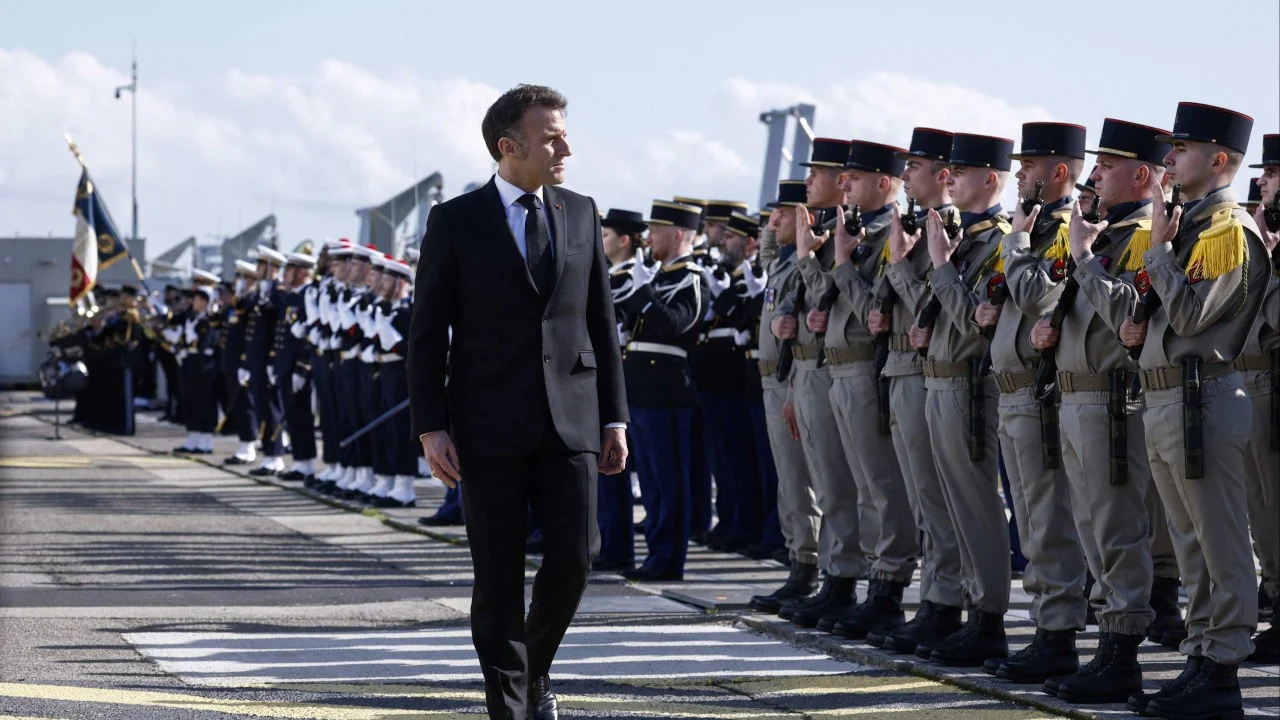
For the first time since 1992, France has announced plans to expand its nuclear arsenal. President Emmanuel Macron announced Monday that France will expand its atomic arsenal and deploy nuclear-armed aircraft to allied countries, a move that fundamentally reshapes how Europe defends itself without relying on the United States.
Eight European nations would be covered by the plan: Germany, Poland, Sweden, Britain, and four others. They would gain protection under France's nuclear umbrella, though Paris will keep sole decision-making power over when and how those weapons are used. France has not previously deployed nuclear-armed aircraft to allied countries or extended its nuclear deterrence in this manner.
Why France is going nuclear now
President Macron has characterized Europe as increasingly wary of U.S. security commitments. As the continent faces mounting threats and questions about U.S. commitment to NATO, France is positioning itself as Europe's independent nuclear power. Macron announced the expansion from the Ile Longue nuclear submarine base, emphasizing that France must strengthen continental security on its own terms.
The decision marks a dramatic reversal of policy. For decades, France kept its nuclear arsenal strictly under national control. Now Macron has announced the expansion as Europe seeks alternatives to U.S. nuclear protection.
What the eight countries get (and don't get)
The eight allied nations gain a nuclear deterrent without building their own weapons programs. They benefit from France's protection and participate in what Macron called a "forward" nuclear deterrence strategy. But they have no say in how France uses those weapons. France retains absolute control over the nuclear button.
This arrangement extends France's nuclear protection to allied nations while France retains sole decision-making authority over nuclear weapons use. Germany, Poland, and Sweden—all bordering or near Russian territory—would gain access to French nuclear protection under this plan.
What comes next
France plans to begin manufacturing additional warheads in the coming years. The expansion will take years to complete, but the political signal is clear: Europe is preparing for a future in which some leaders question the reliability of American nuclear protection. Whether the other four unnamed allied countries formally join the agreement, and how Russia responds to this expansion, will influence European security strategy in coming years.