




Manufacturing Restart Follows H200 Approval
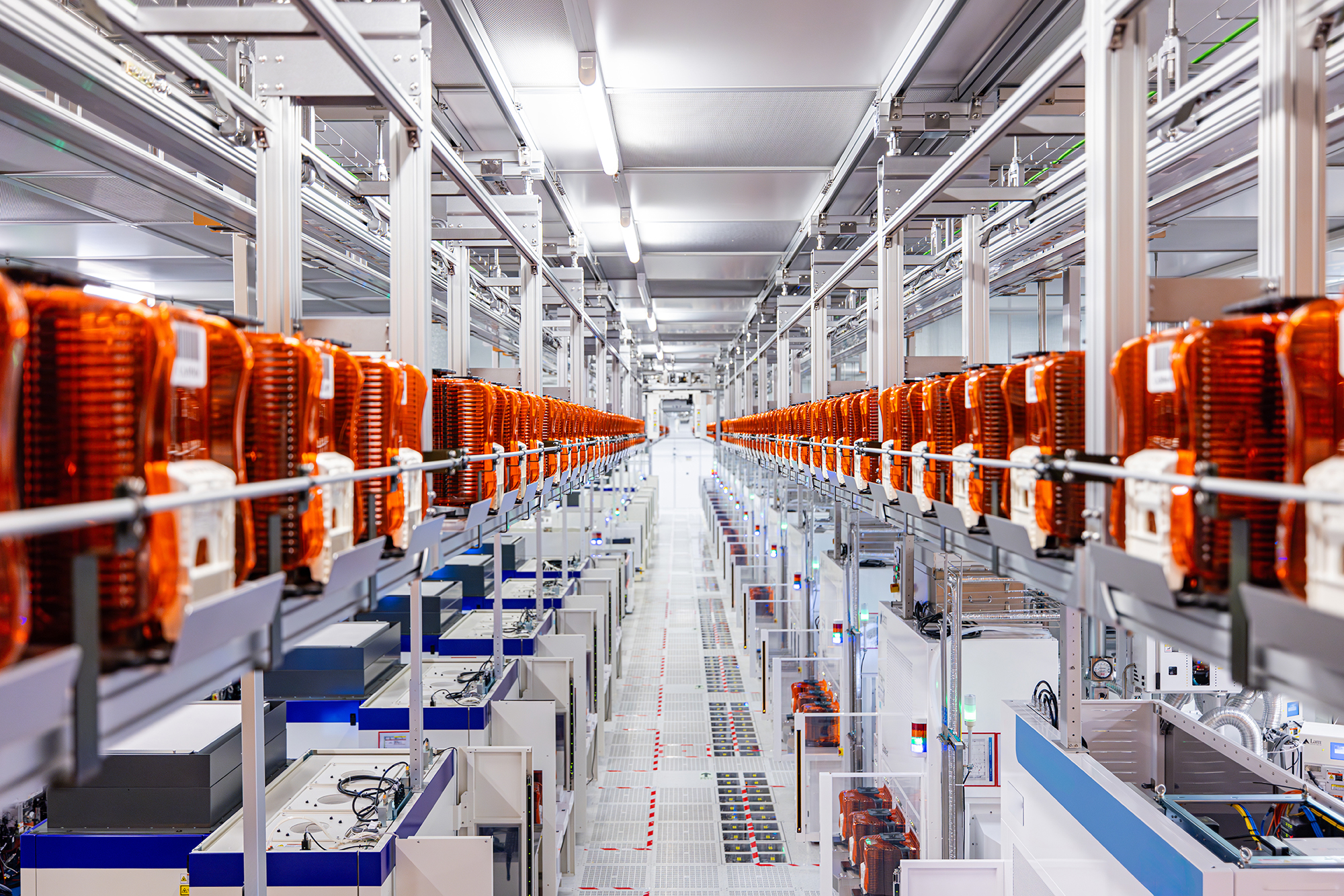
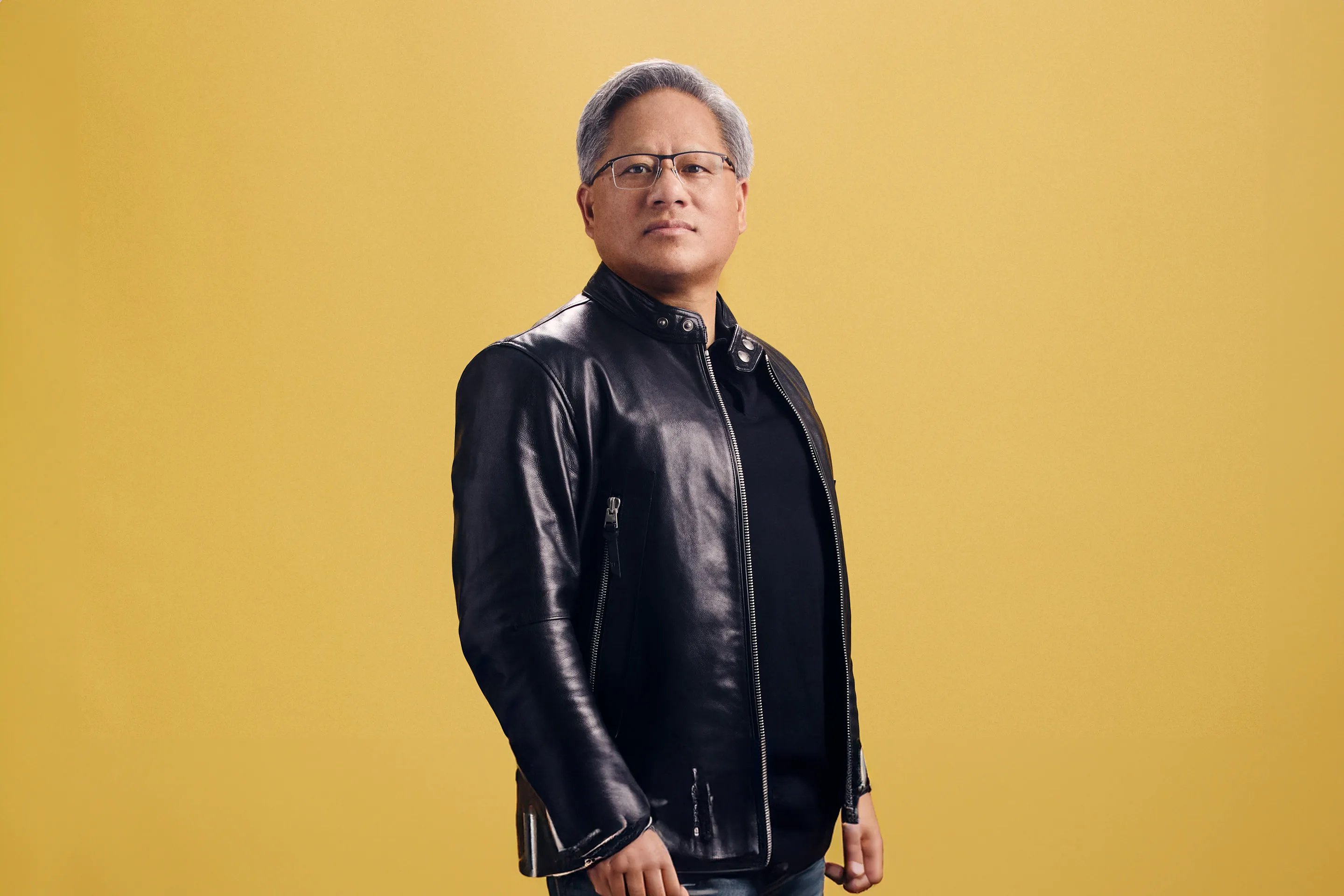
Nvidia has restarted production of its H200 artificial intelligence chip for the Chinese market after obtaining U.S. government export licenses, CEO Jensen Huang announced on Tuesday, March 17, 2026. The company had halted manufacturing of the chip last year due to mounting regulatory hurdles between Washington and Beijing.
The H200 chip uses Nvidia's older Hopper architecture. This positioning allows Nvidia to continue serving Chinese customers while staying within regulatory boundaries.
Beijing Approves H200 Sales
Chinese regulators have granted approval for Nvidia to sell the H200 chip within the country, according to sources familiar with the matter.
The H200 chip offers reduced performance compared to Nvidia's cutting-edge Blackwell series. This approach allows the company to maintain market share in China, which historically accounted for approximately 20% of Nvidia's revenue before restrictions tightened.
Groq Partnership Expands China Access
Beyond the H200, Nvidia is adapting Groq chips specifically for sale in China, sources told Reuters. The company is preparing these specialized processors to meet Chinese market requirements while maintaining compliance with export controls.
The Groq chip adaptation represents Nvidia's broader strategy of creating China-specific variants of its products. This approach allows the company to maintain market share in China, which historically accounted for approximately 20% of Nvidia's revenue before restrictions tightened.
Market Impact on Chinese AI Stocks
Huang's bullish comments about AI agents, which he called "the next ChatGPT," have already influenced Chinese markets. Shares of companies related to OpenClaw, China's AI agent initiative, jumped following his remarks.
The renewed chip availability could accelerate China's AI development, particularly in areas like autonomous systems and large language models. Chinese tech giants including Baidu have been expanding their AI capabilities, with the search company recently joining the OpenClaw initiative with new AI agents.
Production Timeline and Supply Chain Effects
Nvidia's manufacturing restart is expected to ease supply constraints that have affected Chinese AI companies since export restrictions began. The H200 chips will be produced at existing facilities, with shipments likely to begin within the current quarter.
The production resumption also benefits Nvidia's supply chain partners, including Samsung, whose CEO Lisa Su is scheduled to visit the company's South Korean chip plant to discuss expanding ties. Samsung manufactures memory components that work with Nvidia's AI chips.
Regulatory Balance Maintained
The H200 production restart demonstrates how major tech companies are navigating the complex web of U.S.-China technology restrictions. By focusing on older architecture chips that meet performance thresholds, Nvidia can continue serving Chinese customers without violating export rules.
This approach may serve as a template for other semiconductor companies seeking to maintain Chinese market access while complying with U.S. restrictions. The success of this strategy will likely influence future regulatory decisions on both sides of the Pacific.