
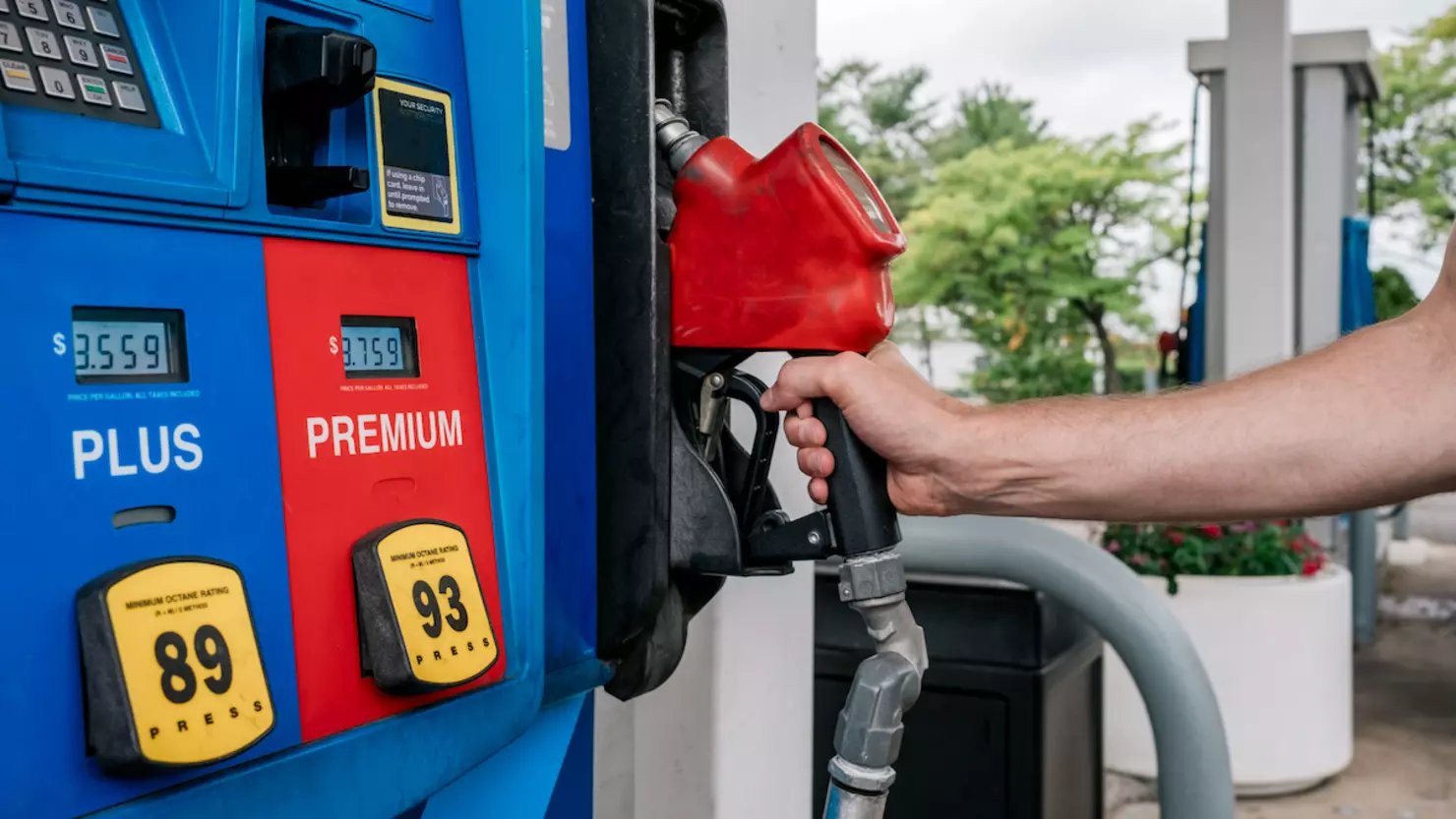


Impact on Consumers and Daily Expenses
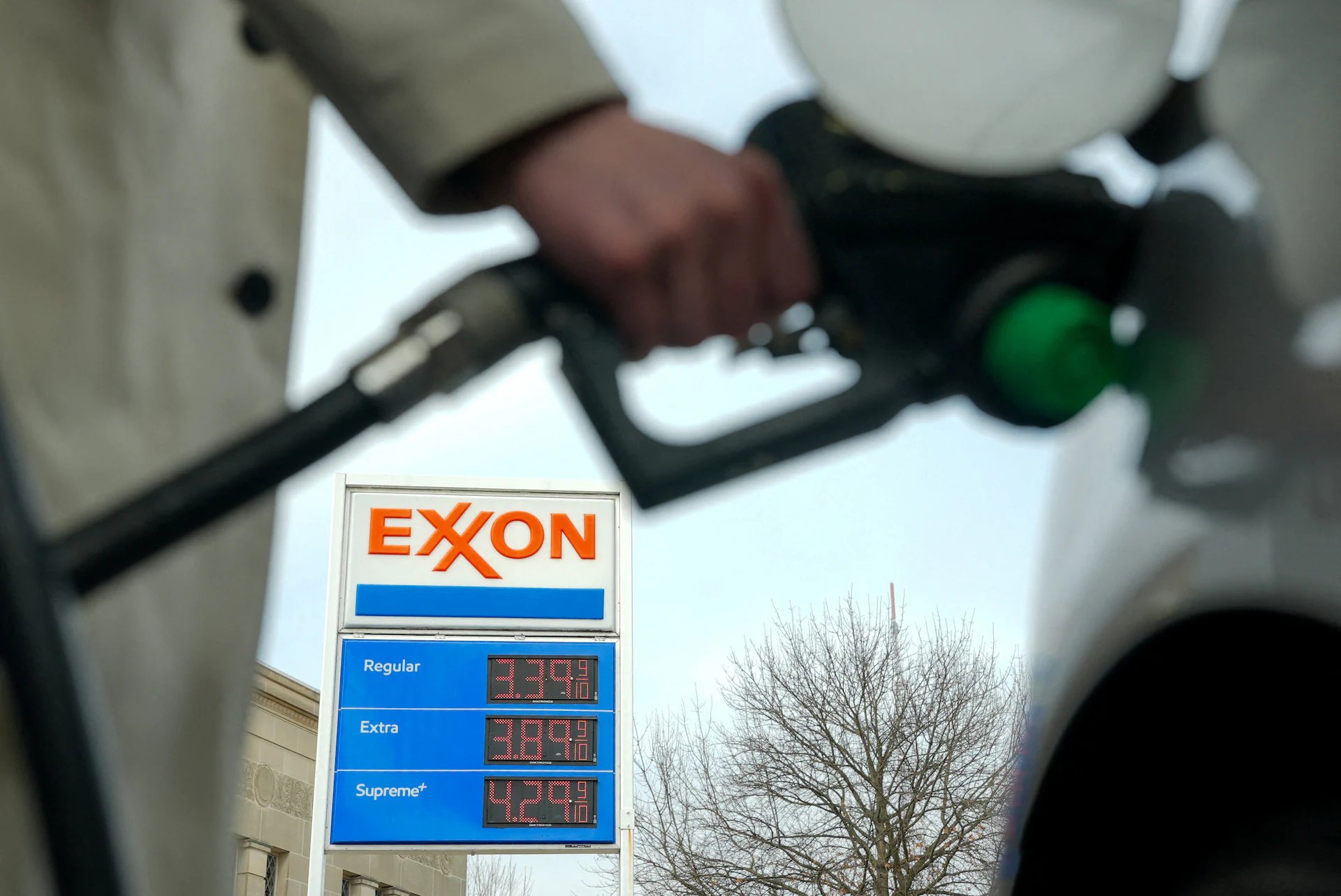
The surge in gasoline prices is attributed to the ongoing war in the Middle East, particularly the conflict involving Iran, which has disrupted global oil supplies. As of March 18, 2026, the average price of gasoline is up significantly, causing financial strain for families and businesses nationwide.
Supply Chain Disruptions
The conflict has led to heightened concerns about oil supply disruptions, particularly with the closure of the Strait of Hormuz, a crucial passage for global oil shipments. Brent crude prices have fluctuated, recently dropping to $102 per barrel, but the volatility continues to create uncertainty in the market.
Economic Repercussions
David Chao from Invesco noted that it typically takes four to five months for oil prices and stock markets to stabilize after a supply shock. The current situation is being closely monitored, as any sustained increase in fuel prices could further impact inflation rates. The economic implications extend beyond just gasoline, affecting transportation costs for goods and services across various sectors.
Political Ramifications
Amid these economic challenges, U.S. President Donald Trump has postponed his planned meeting with Chinese President Xi Jinping, initially scheduled for late March. Trump cited the ongoing war on Iran as a reason to remain in Washington. The discussions were expected to cover trade tariffs and sanctions, but the geopolitical landscape is shifting as the conflict continues.

The sources also report that Trump and Xi were expected to discuss specific issues including trade tariffs, Chinese export controls on rare earth minerals and magnets, the US relationship with Taiwan, and Chinese fentanyl exports.

The sources also report that Trump now plans to visit Beijing 'about five weeks' later, toward end-April, and is asking Xi to help reopen the strait.

The sources also report that Trump was scheduled to visit Beijing from March 31 to April 2 before postponing the trip.
International Responses
In response to the disruptions, China and Russia are exploring deeper cooperation on logistics to enhance supply chain resilience. Dmitry Birichevsky, a Russian official, highlighted the need to adapt to global instability. This collaboration may involve alternative shipping routes, including the Arctic, to mitigate the impact of the ongoing conflict.
Looking Ahead
As gasoline prices continue to rise, consumers may face difficult choices regarding transportation and household budgeting.
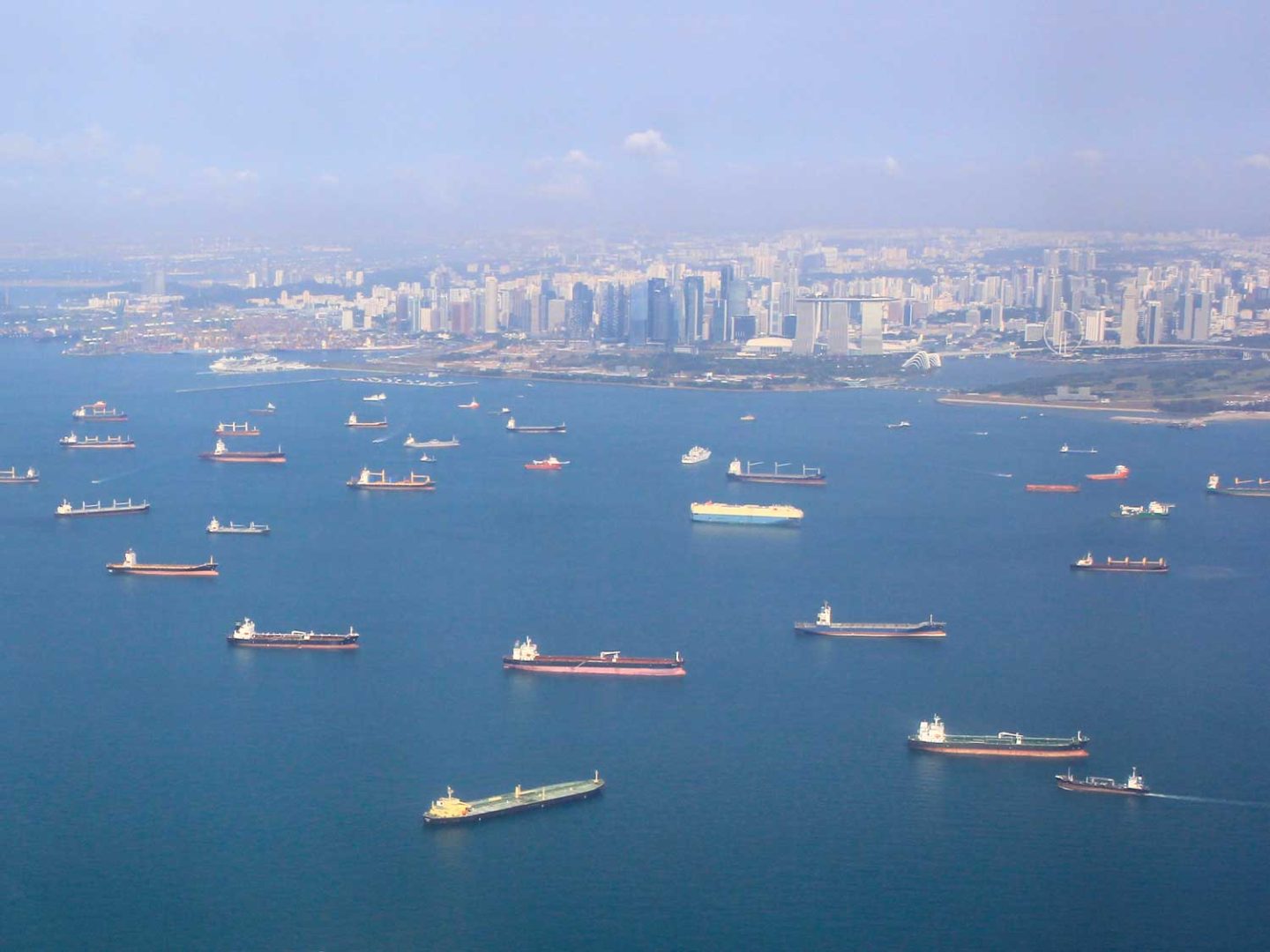
The sources also report that U.S. President Donald Trump is asking China to lobby Iran to reopen the Strait of Hormuz, which has been closed for nearly three weeks.