What the money will buy
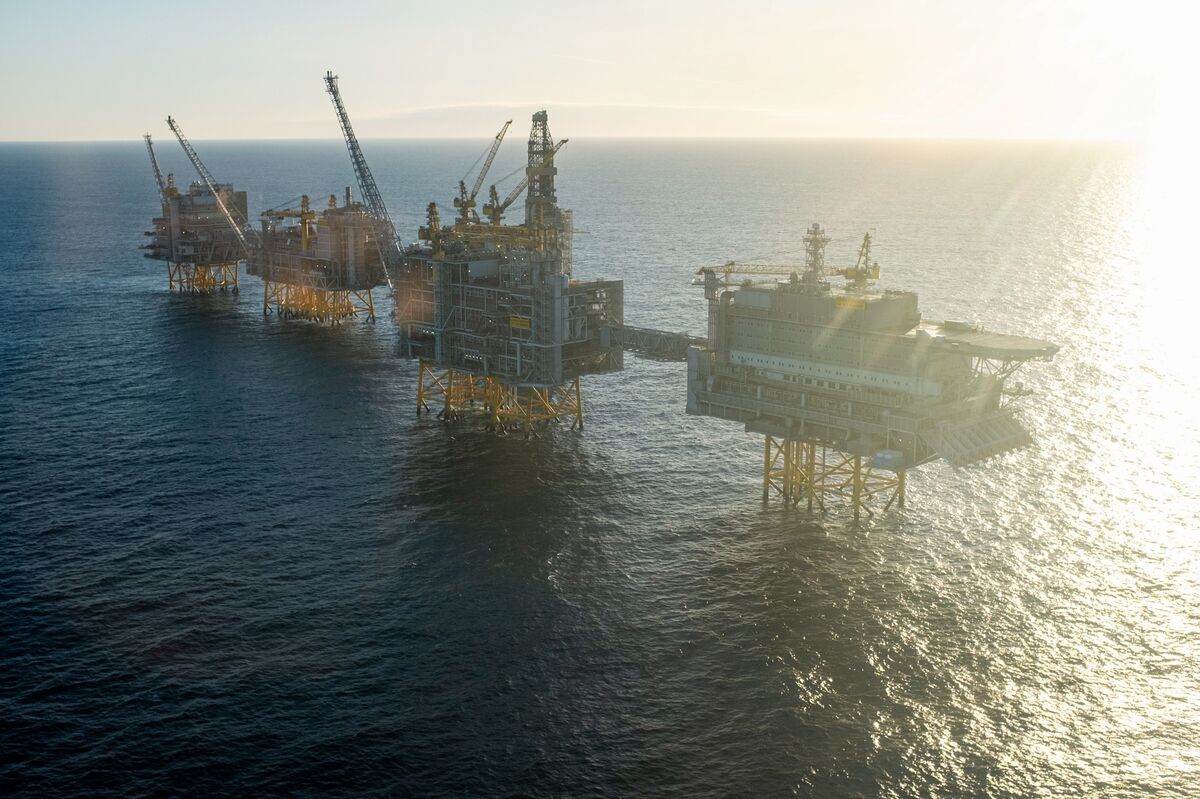
Japan, South Korea, Australia, and Taiwan committed $57 billion to U.S. export projects during two days of closed-door meetings led by Interior Secretary Doug Burgum in Palo Alto. Japanese trading houses will spend $19 billion on Texas shale-gas terminals and Arizona semiconductor plants. South Korea’s Hyundai and SK Group pledged $14 billion for an electric-vehicle battery factory in Kentucky and a new chip-packaging plant in Indiana. Australia’s Woodside Energy and Taiwan’s CPC Corporation together will invest $24 billion in Louisiana liquefied-natural-gas export terminals that will ship fuel to U.S. allies starting in 2028.
How the deals are structured
Each agreement is a purchase order, not a memorandum of understanding. Hyundai will pay $8 billion to construction firm Bechtel to break ground on the Kentucky battery site in July and will buy $3 billion in precision equipment from Applied Materials for the Indiana chip facility. Woodside signed a 20-year offtake contract with Houston-based Cheniere Energy guaranteeing a minimum 5.5 million tons of LNG per year at prices indexed to Henry Hub plus 15 percent. Japan’s Mitsui and Itochu will take 40 percent equity stakes in the Texas LNG terminals in exchange for front-loading the cash this year, allowing the projects to reach final investment decision before the November U.S. mid-term elections.
Jobs and paychecks attached
The Commerce Department estimates the packages will create 87,000 direct construction and manufacturing jobs paying an average of $36 an hour. Bechtel will hire 11,000 pipefitters and electricians for the Hyundai battery complex in Glendale, Kentucky, where the local median wage is $18.50 an hour. Applied Materials will add 4,000 engineers in Indianapolis at a starting salary of $92,000. Cheniere’s LNG expansion at Sabine Pass will employ 9,000 welders through 2029 and lock in 1,200 permanent positions at $42 an hour plus health coverage from day one.
Security strings that come with the cash
Every contract includes a clause that bans the Asian buyers from reselling the LNG, chips, or batteries to Chinese state-owned entities without U.S. approval. South Korea’s SK Group must keep 95 percent of its Indiana plant’s output inside the United States or allied nations for the first decade. Japan agreed to store 10 percent of the Texas LNG in U.S. strategic reserves for emergency use. Burgum said the conditions ensure “these supplies cannot be weaponized against us or our partners.”
What allies want in return
Japanese Trade Minister Yoichi Miyamoto demanded and received a written pledge that the United States will not impose future export caps on critical minerals needed for the same batteries. Australia’s Resources Minister Madeleine King secured expedited permitting for rare-earth projects in Wyoming and Texas, cutting environmental review times to 18 months from the current 36. South Korea’s ambassador to Washington, Cho Tae-yong, pressed for—and got—an exemption from any potential 25 percent auto tariff the U.S. is considering after May, protecting Hyundai’s $7.4 billion Alabama assembly plant.
Why this matters at the pump and in the checkout line
The LNG terminals will add 3.2 billion cubic feet per day of export capacity, equal to 4 percent of current U.S. gas production, keeping domestic prices near $3 per million British thermal units while supplying allies at $8, undercutting Russian spot cargoes. Semiconductor fabs coming online in 2027 will produce 600,000 wafers a month, enough for 12 million vehicles and reducing the chip shortage risk that added $1,100 to average car prices in 2025. Battery factories will cut U.S. reliance on China for lithium-iron-phosphate cells from 68 percent to 42 percent within five years, according to Benchmark Mineral Intelligence.
The next milestone to watch
Burgum will travel to Tokyo and Seoul in April to finalize land-purchase agreements and to certify that none of the equipment suppliers are on the U.S. restricted entity list. If the deals survive that review, the first steel for the Indiana chip plant arrives in August and the Kentucky battery plant begins hiring in October, turning today’s signatures into paychecks before the year ends.