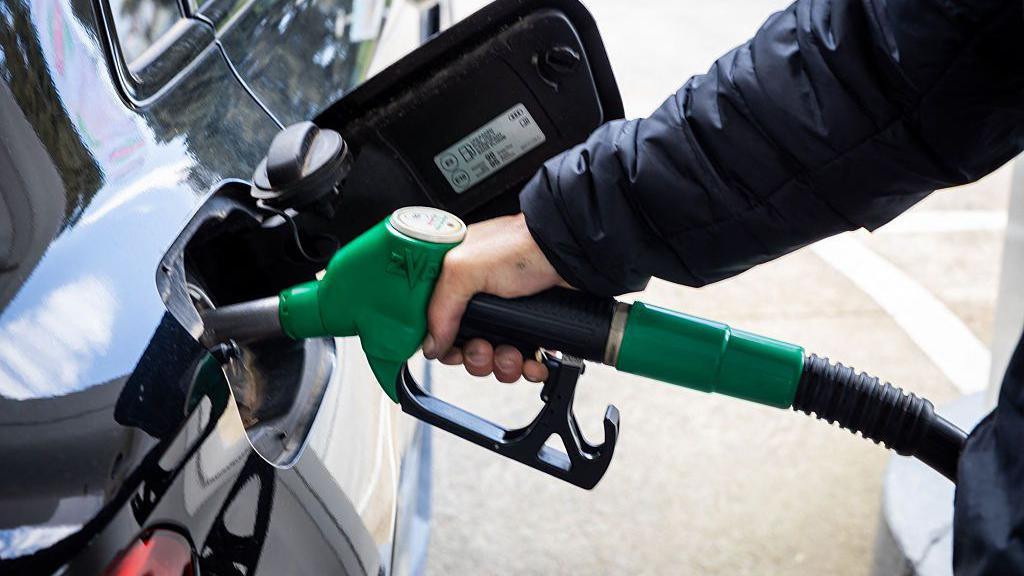
Republicans have faced Democratic criticism over the gas price increase, with figures in both parties advancing specific arguments. Brent crude oil prices hit $113 a barrel earlier on Monday before plunging 13% after President Donald Trump's announcement of "very good and productive" talks with Iran. This development followed Trump's social media statement to postpone military strikes against Iranian infrastructure for five days, easing market fears tied to the conflict. The nationwide average gas price reached $3.94 on Sunday, up more than a dollar from a month earlier, directly affecting consumers by reducing funds for daily expenses.
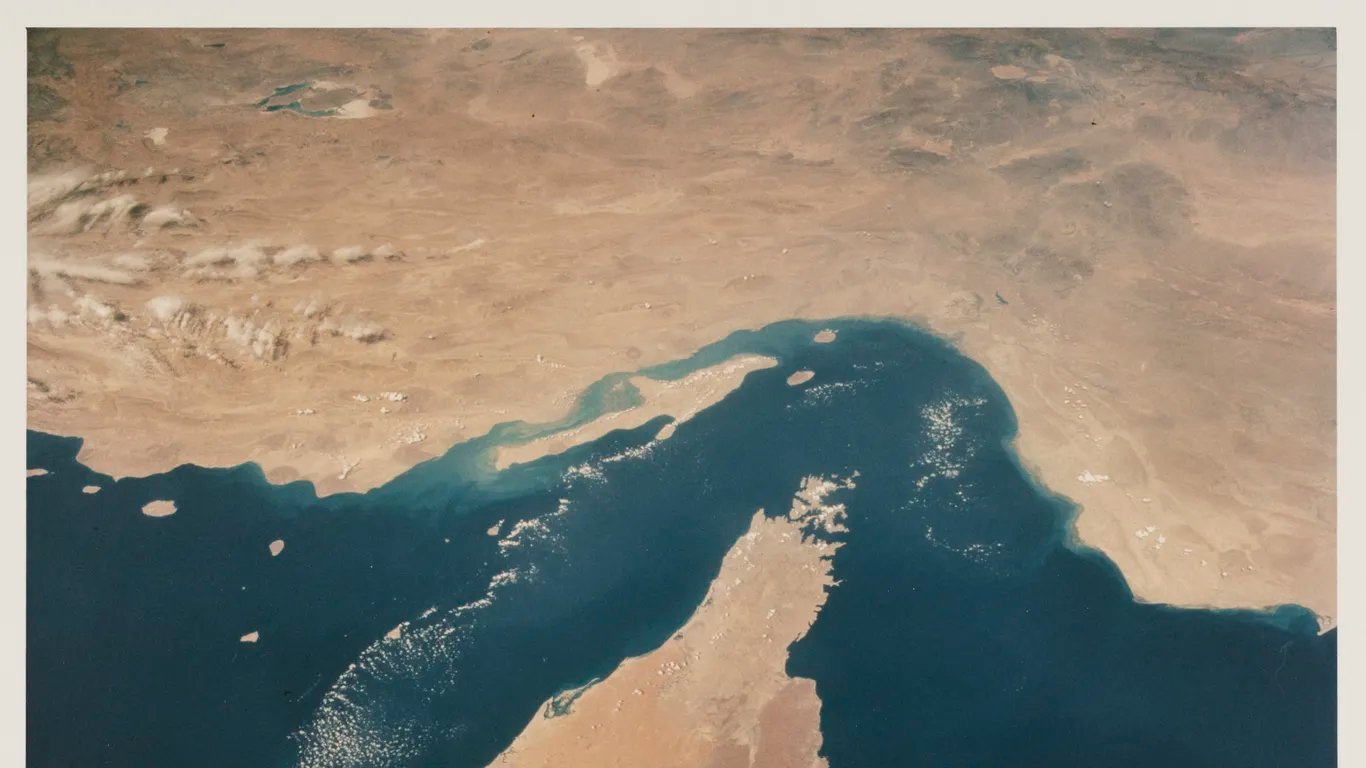
Trump's comments on Saturday threatened to "obliterate" Iranian power plants if the Strait of Hormuz remained blocked, a route that carries about 20% of the world's oil. The FTSE 100 index rose 0.5% after the talks news, reversing earlier losses of more than 2%, while Germany's Dax index climbed 1.6%. Fatih Birol, head of the International Energy Agency, warned that the conflict could create the worst energy crisis in decades, comparing it to the 1970s oil shocks and Russia's 2022 invasion of Ukraine.
Former Sen. Joe Manchin urged Democrats to "stand up" to Senate Republicans. The filibuster requires 60 votes to end debate, a rule Manchin highlighted as over 200 years old, in the context of economic pressures. This financial strain has prompted Democrats to emphasize how higher energy costs disproportionately hit lower and middle-income households, who spend a greater share of earnings on gas.
The jump in tax refunds from Trump's tax cut legislation averaged $3,676 through March 6, up $352 from $3,324 in 2025, but surging gas prices are eroding those gains. Analysts at Pantheon Macroeconomics note that the bottom 10% of earners spend nearly 4% of their incomes on gasoline, compared to 1.5% for the top 10%, worsening inequalities. Neale Mahoney from the Stanford Institute for Economic Policy Research projects gas prices peaking at $4.36 a gallon in May, leading the average household to pay $740 more this year.
Lower-income groups face particular hardship, with experts like Alex Jacquez from the Groundwork Collaborative pointing out that energy shocks hit those with the least savings. The Tax Foundation estimates the average household refund increase at $748, nearly offset by extra gas costs, forcing cutbacks in discretionary spending. David Tinsley from the Bank of America Institute warns that prolonged high gasoline prices will gradually reduce consumer outlays on items like electronics and travel.
Republicans have faced Democratic criticism over the gas price increase, with figures in both parties advancing specific arguments. Brent crude oil prices hit $113 a barrel earlier on Monday before plunging 13% after President Donald Trump's announcement of "very good and productive" talks with Iran. This development followed Trump's social media statement to postpone military strikes against Iranian infrastructure for five days, easing market fears tied to the conflict. The nationwide average gas price reached $3.94 on Sunday, up more than a dollar from a month earlier, directly affecting consumers by reducing funds for daily expenses.
Trump's comments on Saturday threatened to "obliterate" Iranian power plants if the Strait of Hormuz remained blocked, a route that carries about 20% of the world's oil. The FTSE 100 index rose 0.5% after the talks news, reversing earlier losses of more than 2%, while Germany's Dax index climbed 1.6%. Fatih Birol, head of the International Energy Agency, warned that the conflict could create the worst energy crisis in decades, comparing it to the 1970s oil shocks and Russia's 2022 invasion of Ukraine. These fluctuations have amplified voter concerns about affordability, potentially swaying political campaigns as parties position themselves on energy policy.
Former Sen. Joe Manchin urged Democrats to "stand up" to Senate Republicans, linking the debate to broader legislative hurdles like the filibuster amid rising fuel costs. The filibuster requires 60 votes to end debate, a rule Manchin highlighted as over 200 years old, in the context of economic pressures. Economists at Oxford Economics estimate that sustained gas prices at $3.70 a gallon could cost consumers $70 billion, more than the $60 billion in increased tax refunds. This financial strain has prompted Democrats to emphasize how higher energy costs disproportionately hit lower and middle-income households, who spend a greater share of earnings on gas.
The jump in tax refunds from Trump's tax cut legislation averaged $3,676 through March 6, up $352 from $3,324 in 2025, but surging gas prices are eroding those gains. Analysts at Pantheon Macroeconomics note that the bottom 10% of earners spend nearly 4% of their incomes on gasoline, compared to 1.5% for the top 10%, worsening inequalities. Neale Mahoney from the Stanford Institute for Economic Policy Research projects gas prices peaking at $4.36 a gallon in May, leading the average household to pay $740 more this year. Such increases leave families with less for essentials like restaurant meals or new clothes, as Bank of America Institute data shows gas spending jumped 14.4% in the week ended March 14.
Lower-income groups face particular hardship, with experts like Alex Jacquez from the Groundwork Collaborative pointing out that energy shocks hit those with the least savings. The Tax Foundation estimates the average household refund increase at $748, nearly offset by extra gas costs, forcing cutbacks in discretionary spending. David Tinsley from the Bank of America Institute warns that prolonged high gasoline prices will gradually reduce consumer outlays on items like electronics and travel. As a result, voters may demand immediate policy adjustments, such as those addressing fuel affordability, to prevent further budget erosion in their daily lives.
Highlighted text was flagged by the council. Tap to see feedback.






The BBC reports that Japan's Nikkei index closed down 3.5% and South Korea’s Kospi index sank 6.5% because those countries are heavily dependent on oil and gas that would normally pass through the Strait of Hormuz.