Finance Ministers from the G7 group met on March 9 to address a potential release of stocks from Strategic Petroleum Reserves. Emmanuel Macron, whose country holds the G7 presidency, stated that "the use of strategic reserves is an option being considered." This meeting includes the executive director of the International Energy Agency, formed to coordinate responses to supply shocks like the current one.
The organization aims to offset disruptions such as the shutdown of the Strait of Hormuz due to the war in Iran. French Finance Minister Roland Lescure chaired the video meeting at 12:30 GMT to review the Gulf situation from an economic perspective.
Group of Seven finance ministers declared they are ready to take steps to support global energy supply, including a release of strategic oil reserves. European Union Economy Commissioner Valdis Dombrovskis noted that euro-area finance chiefs will discuss a possible joint release after crude oil exceeded $100 a barrel. Macron added that a meeting of G7 heads of state and government could occur this week to coordinate on energy issues.
The talks focus on the war in Iran and its blockade of the Strait of Hormuz, through which much of the world's energy supplies pass. Oil prices dipped below $100 a barrel as G7 nations considered this coordinated action, easing some pressure on consumers.
The Strait of Hormuz remains shut down due to the war in Iran, causing a standstill of tanker traffic and choking off supplies. This disruption has led to oil smashing through $100 a barrel, prompting immediate G7 discussions. The International Energy Agency's role highlights efforts to counter such supply shocks, drawing from its origins in past crises.
G7 officials are not yet at the point of releasing reserves, according to their statements.
Macron told journalists on his way to Cyprus that "a coordination among G7 heads of state and government this week on the issue of energy is being examined." Dombrovskis emphasized that releasing oil reserves remains an option for euro-area leaders amid rising crude prices. These comments underscore a unified approach among G7 nations to manage the fallout from Middle East events.
The French ministry described the gathering as a review of recent developments in the Gulf.
Oil gave up gains after dropping below $100 a barrel, influenced by G7 deliberations on stockpile releases. The war in Iran has blocked key export routes, exacerbating supply constraints for the world's largest economies.
G7 finance ministers' readiness to act includes measures beyond reserves if needed.
Finance Ministers from the G7 group met on March 9 to address a potential release of stocks from Strategic Petroleum Reserves. Emmanuel Macron, whose country holds the G7 presidency, stated that “the use of strategic reserves is an option being considered.” This meeting includes the executive director of the International Energy Agency, formed to coordinate responses to supply shocks like the current one.
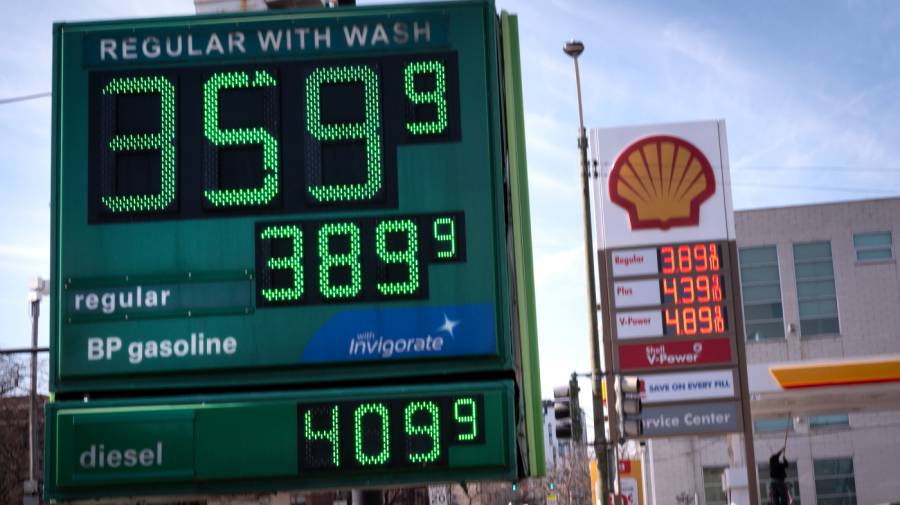
The organization aims to offset disruptions such as the shutdown of the Strait of Hormuz due to the war in Iran. French Finance Minister Roland Lescure chaired the video meeting at 12:30 GMT to review the Gulf situation from an economic perspective. Higher oil prices could raise fuel costs for drivers and businesses worldwide, affecting daily commutes and household budgets.
Group of Seven finance ministers declared they are ready to take steps to support global energy supply, including a release of strategic oil reserves. European Union Economy Commissioner Valdis Dombrovskis noted that euro-area finance chiefs will discuss a possible joint release after crude oil exceeded $100 a barrel. Macron added that a meeting of G7 heads of state and government could occur this week to coordinate on energy issues.
The talks focus on the war in Iran and its blockade of the Strait of Hormuz, through which much of the world’s energy supplies pass. Oil prices dipped below $100 a barrel as G7 nations considered this coordinated action, easing some pressure on consumers. Such a move might lower gasoline expenses for families, potentially saving money on everyday travel and heating.
The Strait of Hormuz remains shut down due to the war in Iran, causing a standstill of tanker traffic and choking off supplies. This disruption has led to oil smashing through $100 a barrel, prompting immediate G7 discussions. The International Energy Agency’s role highlights efforts to counter such supply shocks, drawing from its origins in past crises.
G7 officials are not yet at the point of releasing reserves, according to their statements. The blockage affects global trade, potentially raising costs for imported goods and impacting jobs in energy-dependent industries. Workers in manufacturing and transportation may face higher operational expenses as a result.
Macron told journalists on his way to Cyprus that “a coordination among G7 heads of state and government this week on the issue of energy is being examined.” Dombrovskis emphasized that releasing oil reserves remains an option for euro-area leaders amid rising crude prices. These comments underscore a unified approach among G7 nations to manage the fallout from Middle East events.
The French ministry described the gathering as a review of recent developments in the Gulf. Such coordination could prevent further spikes in energy costs, directly influencing consumer prices. For individuals, this might mean more stable bills for fuel and electricity in the short term.
Oil gave up gains after dropping below $100 a barrel, influenced by G7 deliberations on stockpile releases. The war in Iran has blocked key export routes, exacerbating supply constraints for the world’s largest economies. This situation could lead to broader economic ripples, such as increased prices for goods that rely on oil transport.
G7 finance ministers’ readiness to act includes measures beyond reserves if needed. The potential for coordinated intervention might avert shortages that affect daily life, like higher food or transport costs. Families could see direct benefits if oil prices stabilize, reducing expenses for essentials.
Highlighted text was flagged by the council. Tap to see feedback.