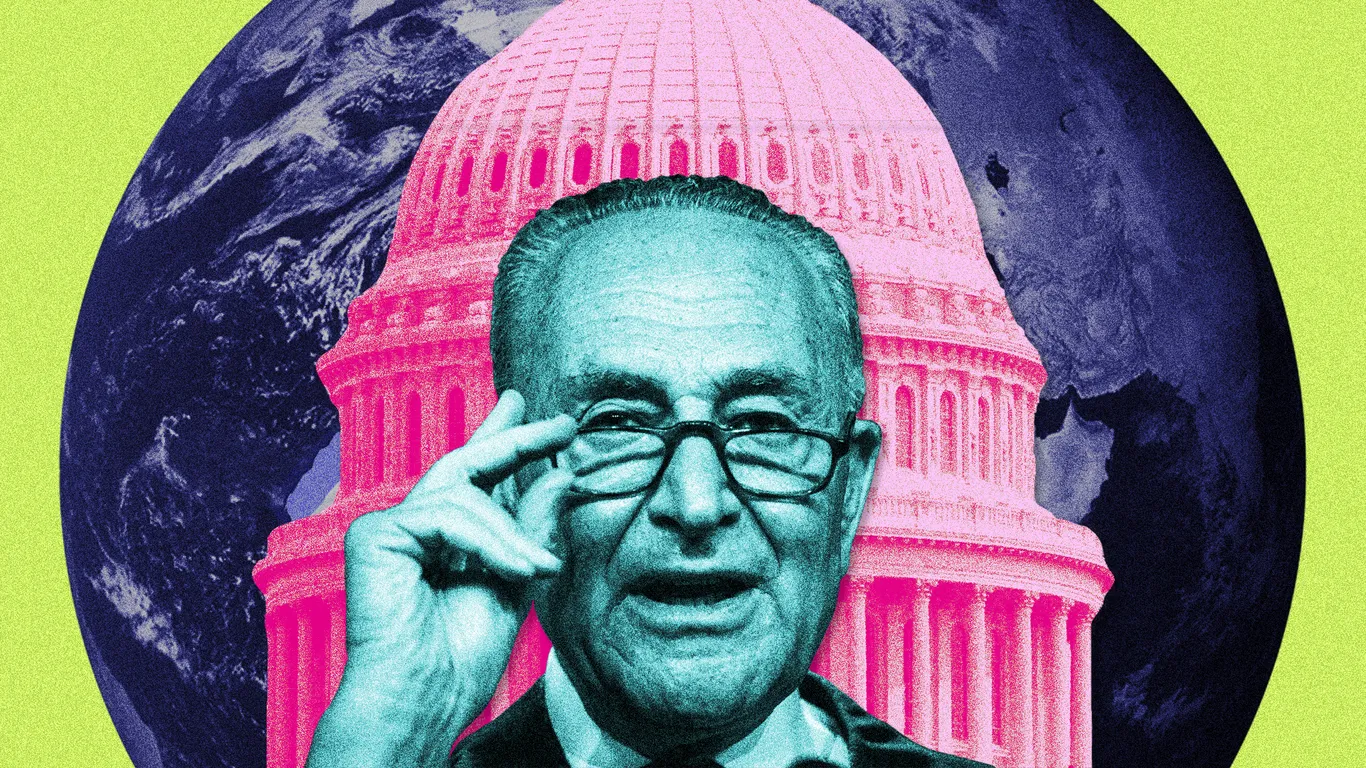
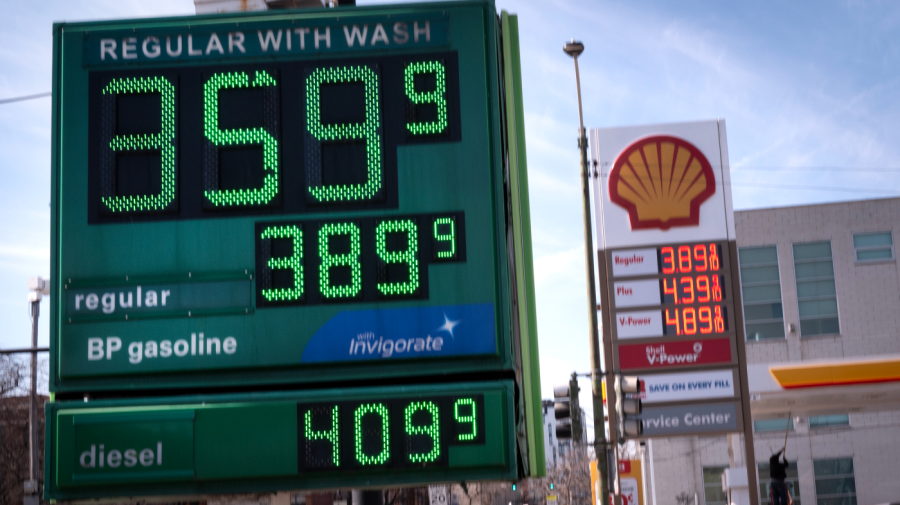
Senate Minority Leader Chuck Schumer demanded that President Trump release oil from the Strategic Petroleum Reserve immediately to combat surging gas prices. Schumer cited the reserve's hundreds of millions of barrels stored in underground salt caverns along the Texas and Louisiana Gulf Coast as a direct solution. This move would bring relief to Americans facing higher costs at the pump, such as gasoline rising 47 cents a gallon and diesel jumping 83 cents a gallon in the last week.
President Trump dismissed concerns about tapping the reserve, instead criticizing past depletions by calling them politically motivated. Trump argued that the current price surge is "a very small price to pay" for safety and peace amid the conflict. His comments highlighted a reluctance to embrace Schumer's proposal, framing it as unnecessary given his administration's other strategies.
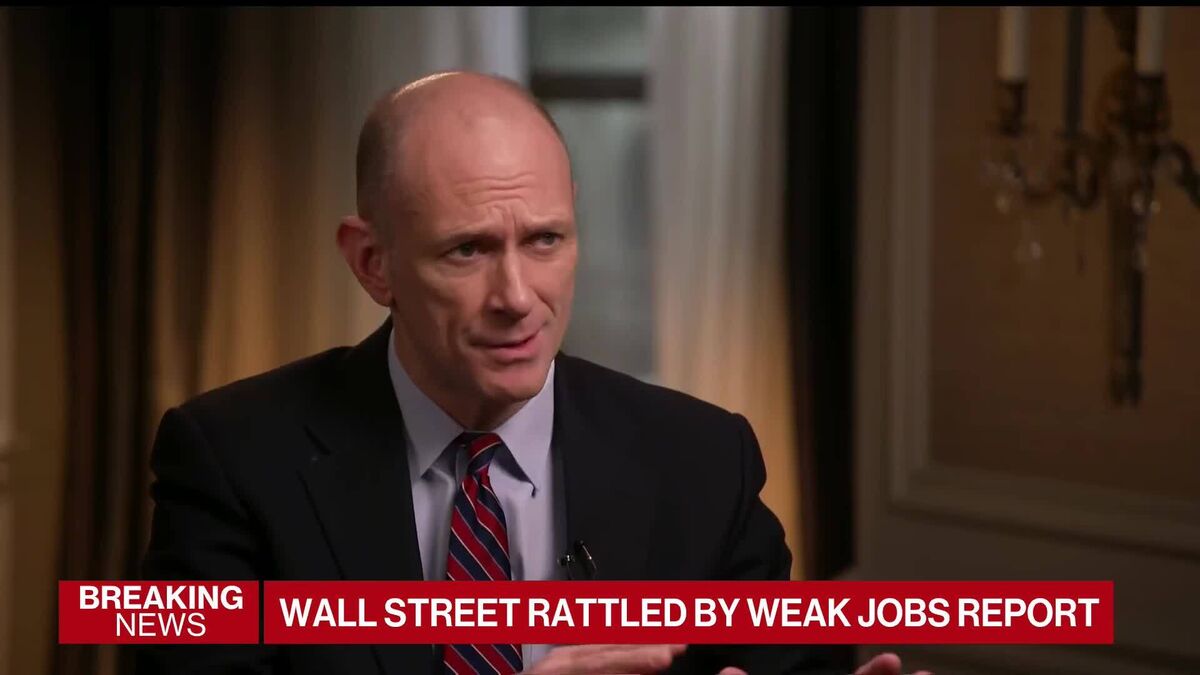
Energy Secretary Chris Wright attributed the oil price spike to "fear and perception" rather than actual shortages, noting that the world remains well-supplied. He predicted the surge, with Brent crude reaching $119.50 a barrel before easing to $106.73, would last only weeks.
G7 finance ministers, including those from the US, prepared to discuss releasing emergency oil reserves during a call coordinated by the International Energy Agency. Reports indicated that three countries, including the US, back a potential release of 300 million to 400 million barrels to stabilize prices. French President Emmanuel Macron said the G7 will discuss a possible release of strategic oil reserves.
The oil price jump has already pushed gas costs higher, directly affecting drivers and households across the country.
G7 officials plan to hold their discussion on the reserves release, potentially influencing Trump's decision in the coming days.
Senate Minority Leader Chuck Schumer demanded that President Trump release oil from the Strategic Petroleum Reserve immediately to combat surging gas prices. Schumer cited the reserve's hundreds of millions of barrels stored in underground salt caverns along the Texas and Louisiana Gulf Coast as a direct solution. This move would bring relief to Americans facing higher costs at the pump, such as gasoline rising 47 cents a gallon and diesel jumping 83 cents a gallon in the last week.
President Trump dismissed concerns about tapping the reserve, instead criticizing past depletions by calling them politically motivated. Trump argued that the current price surge is "a very small price to pay" for safety and peace amid the conflict. His comments highlighted a reluctance to embrace Schumer's proposal, framing it as unnecessary given his administration's other strategies.
Energy Secretary Chris Wright attributed the oil price spike to "fear and perception" rather than actual shortages, noting that the world remains well-supplied. Wright pointed to a large tanker passing through the Strait of Hormuz without issues, downplaying the closure's long-term impact. He predicted the surge, with Brent crude reaching $119.50 a barrel before easing to $106.73, would last only weeks.
G7 finance ministers, including those from the US, prepared to discuss releasing emergency oil reserves during a call coordinated by the International Energy Agency. Reports indicated that three countries, including the US, back a potential release of 300 million to 400 million barrels to stabilize prices. French President Emmanuel Macron confirmed that G7 leaders are considering this option as part of broader efforts to address the supply disruptions.
The oil price jump has already pushed gas costs higher, directly affecting drivers and households across the country. Schumer's demand underscores how these increases could strain family budgets, especially with market fears amplifying the conflict's reach. If Trump acts on the proposal, it might prevent further spikes and offer quicker relief at gas stations.
G7 officials plan to hold their discussion on the reserves release, potentially influencing Trump's decision in the coming days. This coordination could pressure the administration to prioritize consumer costs over political points. Ultimately, the outcome might determine whether Americans see lower prices or continued volatility at the pump.
Highlighted text was flagged by the council. Tap to see feedback.