




The 10:22 a.m. interruption
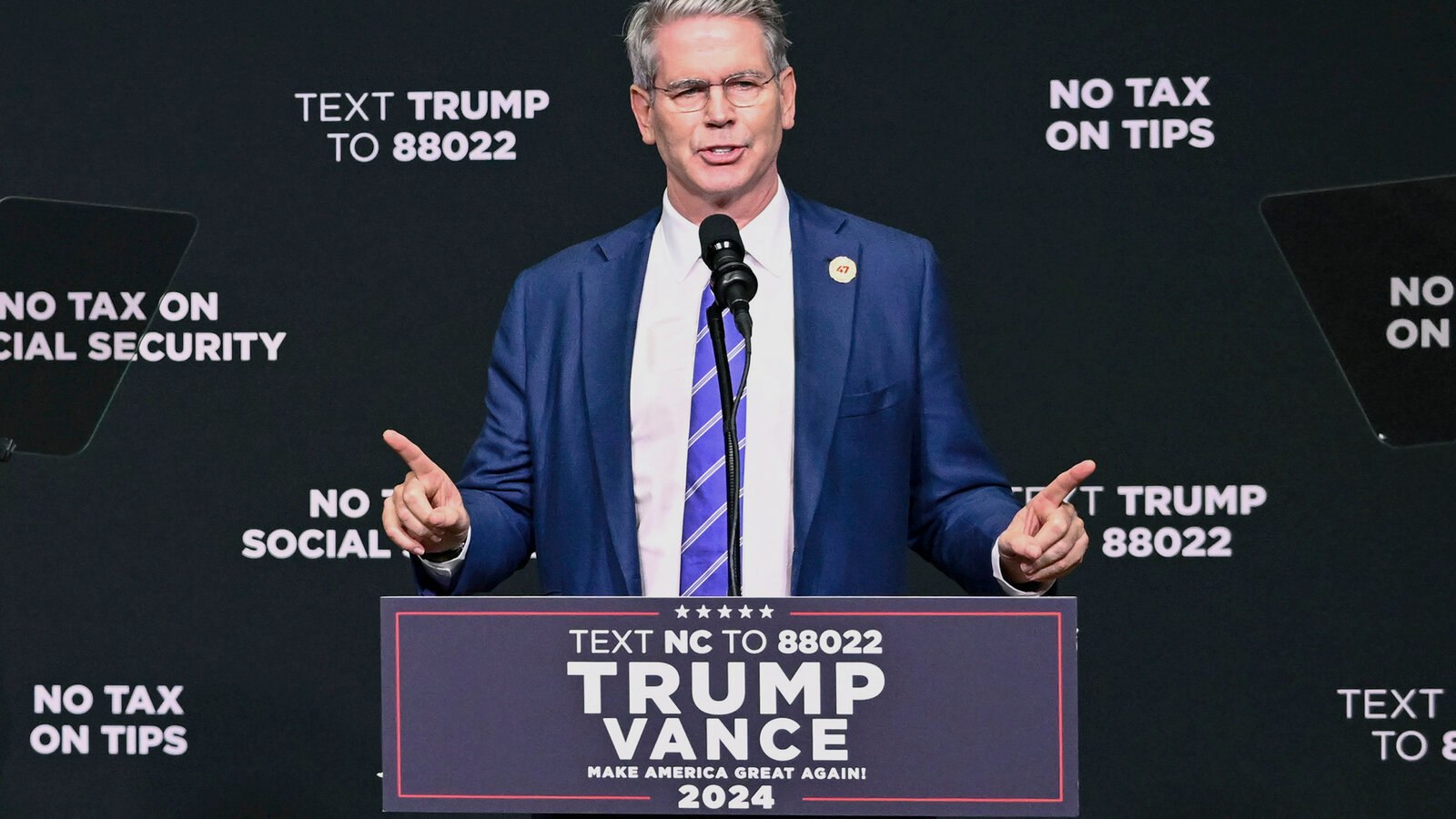
Treasury Secretary Scott Bessent was mid-sentence with Sky News reporter Wilfred Frost on Thursday when a woman's voice cut through the camera feed at 10:22 a.m. EDT: "The president wants you right away." Bessent excused himself, left the chair, and walked toward the White House Situation Room for what officials described as urgent talks. The interview froze on an empty frame for 11 seconds before Frost resumed questioning the absent Cabinet member.
What Trump told Latin American leaders the night before
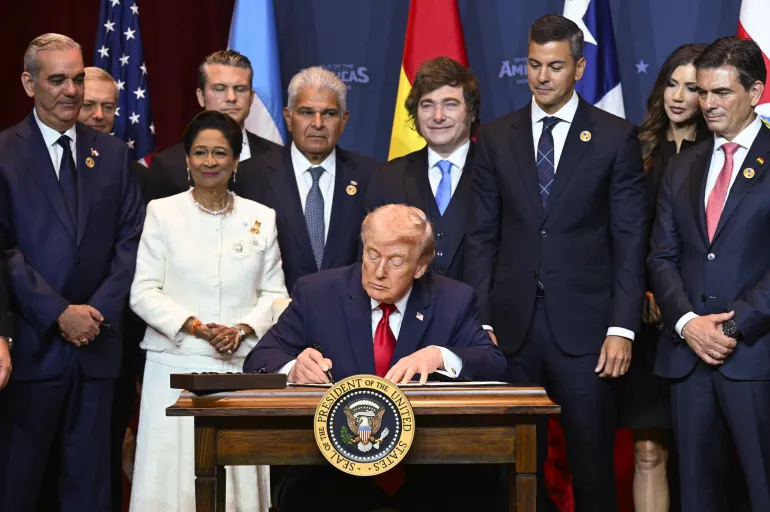
Last week, President Trump told Latin American leaders gathered in Florida that Cuba's communist system "is gonna fall pretty soon." He listed the island's shortages aloud: "They have no money, they have no oil." Trump added that Cuba once survived on Venezuelan crude and cash, but both pipelines have dried up, tightening the U.S. energy blockade imposed after Venezuelan president Nicolás Maduro was removed in January.
Havana's blackout tally
Cuban president Miguel Díaz-Canel said Friday that no oil tanker has reached Cuban ports in three months. The resulting blackouts have forced hospitals to postpone tens of thousands of surgeries and pushed bakeries to fire wood-and-coal ovens because gas ovens sit idle. Power outages now hit communications, education, transportation, and health services daily, Díaz-Canel said in a televised address that aired hours after Bessent returned to finish his interview.
Secret meetings in St. Kitts
Two U.S. officials confirmed that Secretary of State Marco Rubio secretly met Raul Guillermo Rodriguez Castro—Fidel Castro's nephew and Raul Castro's grandson—during a Caribbean leadership summit in St. Kitts and Nevis last week. Rodriguez Castro, nicknamed "El Cangriejo" (the Crab), was later shown on Cuban state video seated directly behind Díaz-Canel as the Cuban president confirmed he is directing talks with Washington alongside the 94-year-old retired leader Raul Castro.
The U.S. terms floated
An anonymous White House official told Reuters on Friday that Trump believes a deal with Cuba "would be very easily made" and that talks are already under way. The official called Cuba "a failing nation whose rulers have had a major setback with the loss of support from Venezuela and with Mexico ceasing to send them oil." Trump himself raised the possibility of a "friendly takeover" of the island on Monday, then warned, "it may not be a friendly takeover," echoing language he previously used against Greenland and Denmark.
Havana's counteroffer
Díaz-Canel said Cuba will negotiate only "on the basis of respect and in the spirit of Cuban sovereignty and self-determination." He tasked his government with identifying "areas of cooperation to confront threats and guarantee the security and peace of both nations, as well as in the region." State television showed the Cuban president emphasizing that any agreement must produce "concrete actions for the benefit of the people of both countries."
What Cubans say
Havana resident Elvis Hernandez told the Associated Press the mood on the street is desperation: "Cubans are desperate. You can't live without water or electricity. That's why we want consensus to be reached. If there are talks let them be productive." Citizens line up for scarce rice, cooking oil, and antibiotics while inflation pushes prices higher every week.
Why Treasury matters now
Bessent's portfolio includes sanctions enforcement and trade policy, putting him at the center of any decision to ease or tighten the energy blockade that bans third-country firms from selling oil to Cuba. His rushed exit from a live international interview signals the administration is calculating next moves on Cuba while military assets remain deployed across the Caribbean after the Maduro operation.
What happens next
The White House has not scheduled a formal summit, but Rubio continues back-channel talks, and Díaz-Canel vowed to keep "working hard to increase its own energy output" even without incoming shipments. For Cubans, the question is whether negotiations will restore power before hospitals cancel more surgeries and before bakeries run out of wood to keep ovens burning.