




How This Shifts Power in Your Legal World
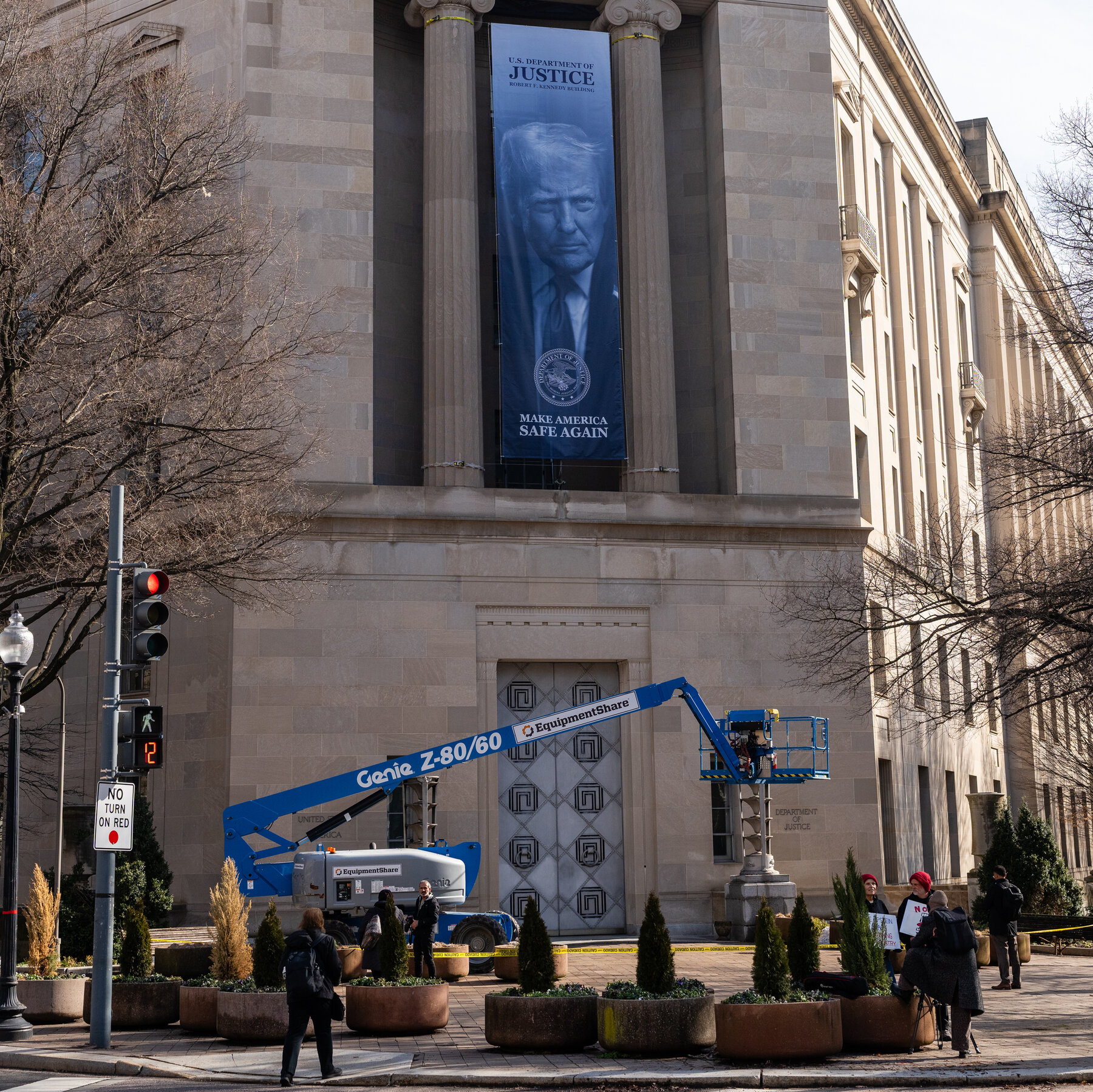
If you rely on lawyers to fight for your rights, this decision could strengthen their hand against government actions. The Department of Justice abandoned its defense of President Trump's executive orders targeting four major law firms for representing his critics, leaving intact four lower-court decisions that found those orders unconstitutional—rulings that now govern only the firms that sued.
The Court Battles That Toppled the Orders
Four district court judges ruled that Trump's executive orders violated the Constitution, a decision that led the DOJ to withdraw its appeals. The orders targeted law firms like Perkins Coie and WilmerHale for their work defending Trump's opponents. By dropping its appeals on Monday, the DOJ made those judicial decisions final, removing the immediate legal threat from the executive orders.
The Firms That Stood Firm and Prevailed
Perkins Coie, WilmerHale, Jenner & Block, and Susman Godfrey chose to challenge when Trump targeted them. These firms, known for handling high-stakes cases, fought the orders in court and won rulings that protected their ability to represent clients freely. Their victory contrasts with nine other prominent law firms that chose to pledge roughly $1 billion in pro bono legal services rather than continue litigation.
The Wider Ripple Effects on Free Speech
The DOJ's decision to withdraw its appeals means the court rulings against the orders will stand. The law firms argued the orders would have chilled legal representation for people facing government scrutiny. The administration has not publicly explained its rationale for the orders. Now, with the appeals dismissed, lawyers at Jenner & Block, one of the victorious firms, say similar attempts could face swift legal challenges.
What's at Stake for Future Fights
The firms' win highlights how constitutional protections can counter executive overreach, but the real test comes as other potential targets watch closely. For lawyers who provide pro bono services, this outcome reinforces their role in defending civil liberties. Related cases may be reviewed in the future.