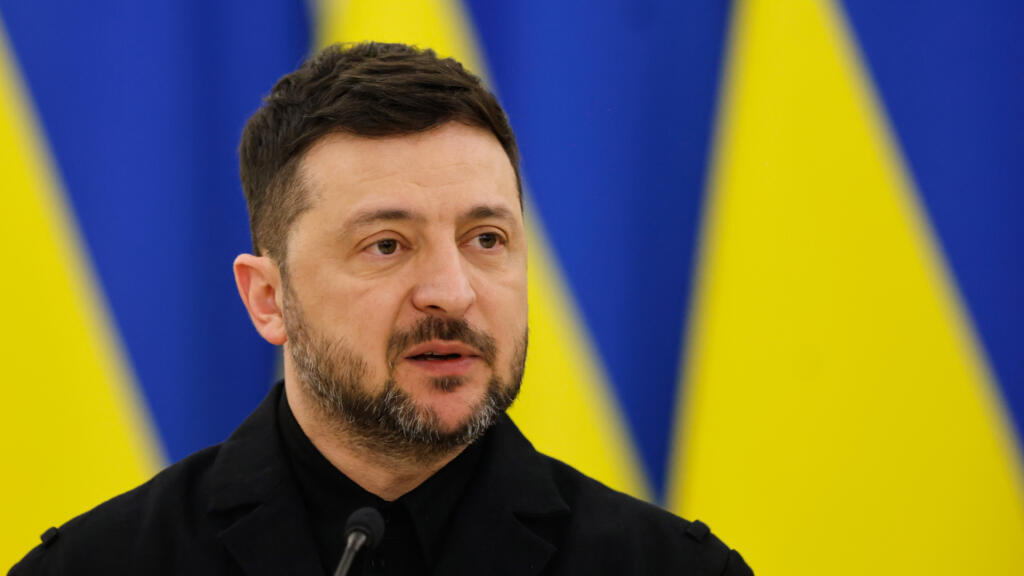
Ukrainian President Volodymyr Zelenskiy stated that the US is requiring Kyiv to relinquish control of the Russian-occupied Donbas region for post-war security guarantees. Zelenskiy warned this condition would leave Ukraine more vulnerable to Moscow's advances and reduce its defensive capabilities.
At least 40% of Russia's oil export capacity has halted, according to recent calculations, amid pressures linked to the ongoing conflict.
Iraq's oil production has dropped further as storage facilities reach capacity and exports through the Hormuz strait face blockages. The country now struggles with reduced output levels that exacerbate supply shortages. These developments add to international energy instability, potentially driving up costs for imported oil and affecting everyday transportation and heating bills.
Former Homeland Security chief Kristi Noem has begun a tour as a new envoy, focusing on international engagements that signal US foreign policy adjustments. Noem's role involves visits to key partners, emphasizing America's strategic priorities amid global tensions. This shift in personnel could influence how the US handles allied negotiations, including those with Ukraine.
The combined effects of halted Russian exports and Iraqi production drops have already pushed energy prices higher, straining family budgets in regions dependent on affordable fuel. As a next step, households can monitor local fuel costs and adjust spending to mitigate immediate financial impacts from these global shifts.
Ukrainian President Volodymyr Zelenskiy stated that the US is requiring Kyiv to relinquish control of the Russian-occupied Donbas region for post-war security guarantees. Zelenskiy warned this condition would leave Ukraine more vulnerable to Moscow's advances and reduce its defensive capabilities. The revelation highlights how such terms could alter Ukraine's sovereignty and affect global alliances, potentially raising costs for US taxpayers through ongoing military support.
At least 40% of Russia's oil export capacity has halted, according to recent calculations, amid pressures linked to the ongoing conflict. This reduction stems from operational challenges that limit Russia's energy output, directly impacting its economy. Falling Russian exports could lead to higher global fuel prices, increasing household expenses for consumers worldwide.
Iraq's oil production has dropped further as storage facilities reach capacity and exports through the Hormuz strait face blockages due to regional conflicts. The country now struggles with reduced output levels that exacerbate supply shortages. These developments add to international energy instability, potentially driving up costs for imported oil and affecting everyday transportation and heating bills.
Former Homeland Security chief Kristi Noem has begun a tour as a new envoy, focusing on international engagements that signal US foreign policy adjustments. Noem's role involves visits to key partners, emphasizing America's strategic priorities amid global tensions. This shift in personnel could influence how the US handles allied negotiations, including those with Ukraine.
The combined effects of halted Russian exports and Iraqi production drops have already pushed energy prices higher, straining family budgets in regions dependent on affordable fuel. Zelenskiy's comments underscore the risk that ceding territory might prolong the war, leading to more civilian displacement in Ukraine. As a next step, households can monitor local fuel costs and adjust spending to mitigate immediate financial impacts from these global shifts.
Highlighted text was flagged by the council. Tap to see feedback.