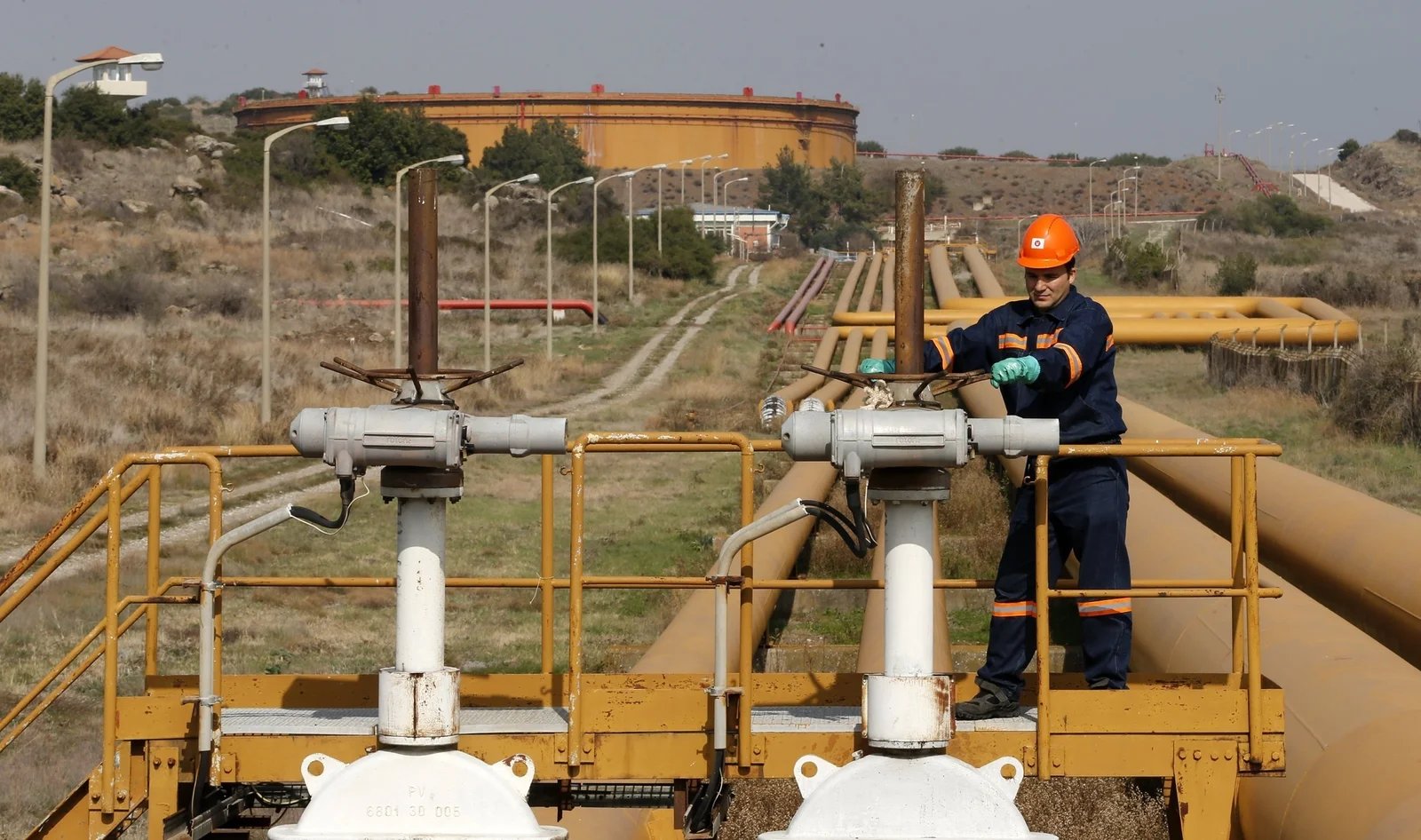
Iraq has officially resumed crude oil exports from Kirkuk via the Turkish port of Ceyhan, marking a significant shift in the region's oil dynamics. The Iraqi Oil Ministry has confirmed that the flow of oil through the Kirkuk-Ceyhan pipeline has resumed, with plans to ramp up exports in the coming weeks.
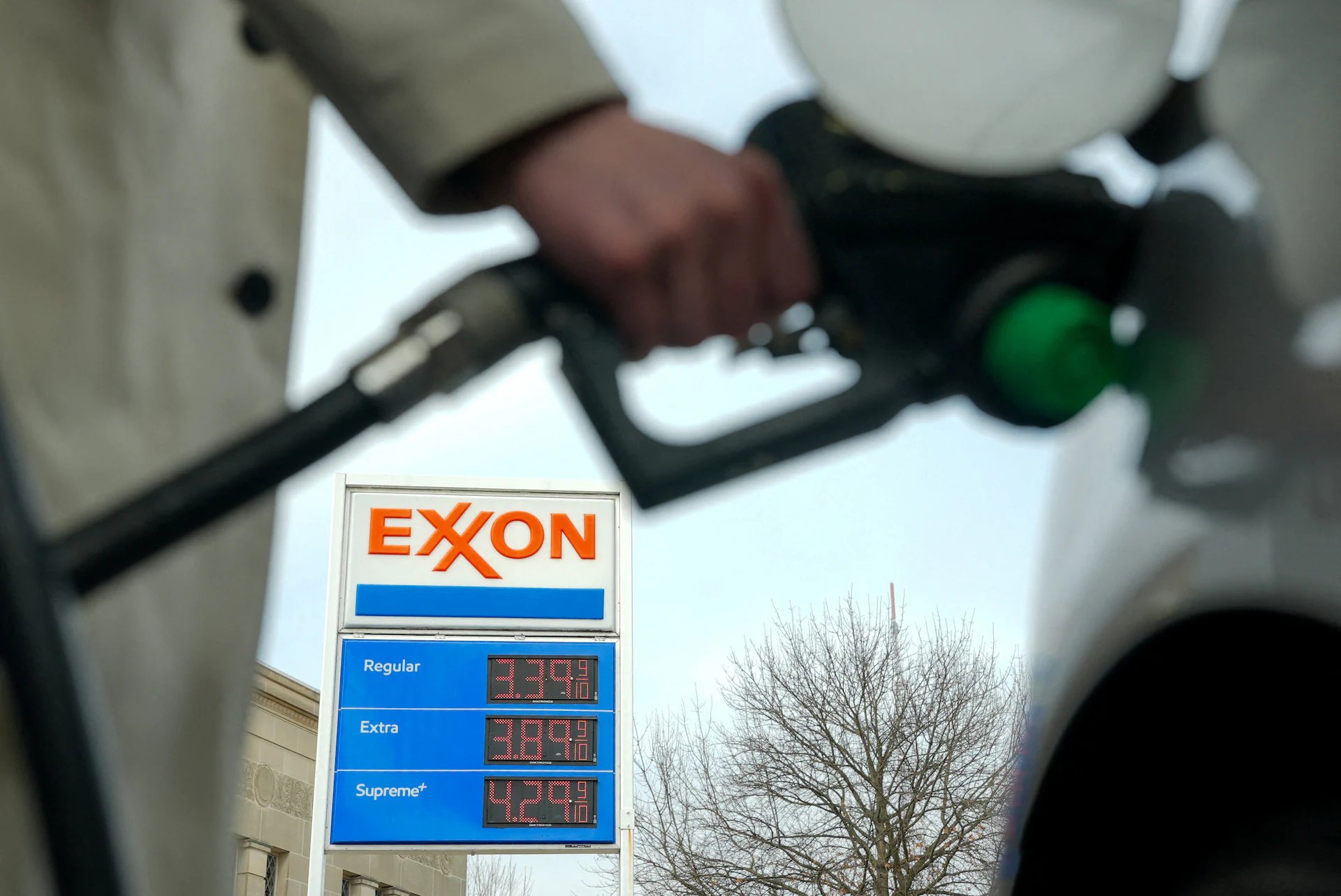
The resumption of exports is anticipated to influence global oil prices positively, potentially lowering costs for consumers. Analysts estimate that the agreement could lead to an increase in Iraq's oil revenues, which were severely impacted during the export halt. The KRG has expressed optimism about the deal, highlighting its potential to enhance economic stability and foster better relations with Baghdad.
The latest agreement aims to address conflicts over revenue sharing and governance between the Iraqi central government and the KRG, allowing for a more streamlined operation.
Local officials in Iraq have welcomed the agreement, viewing it as a positive step towards economic recovery.
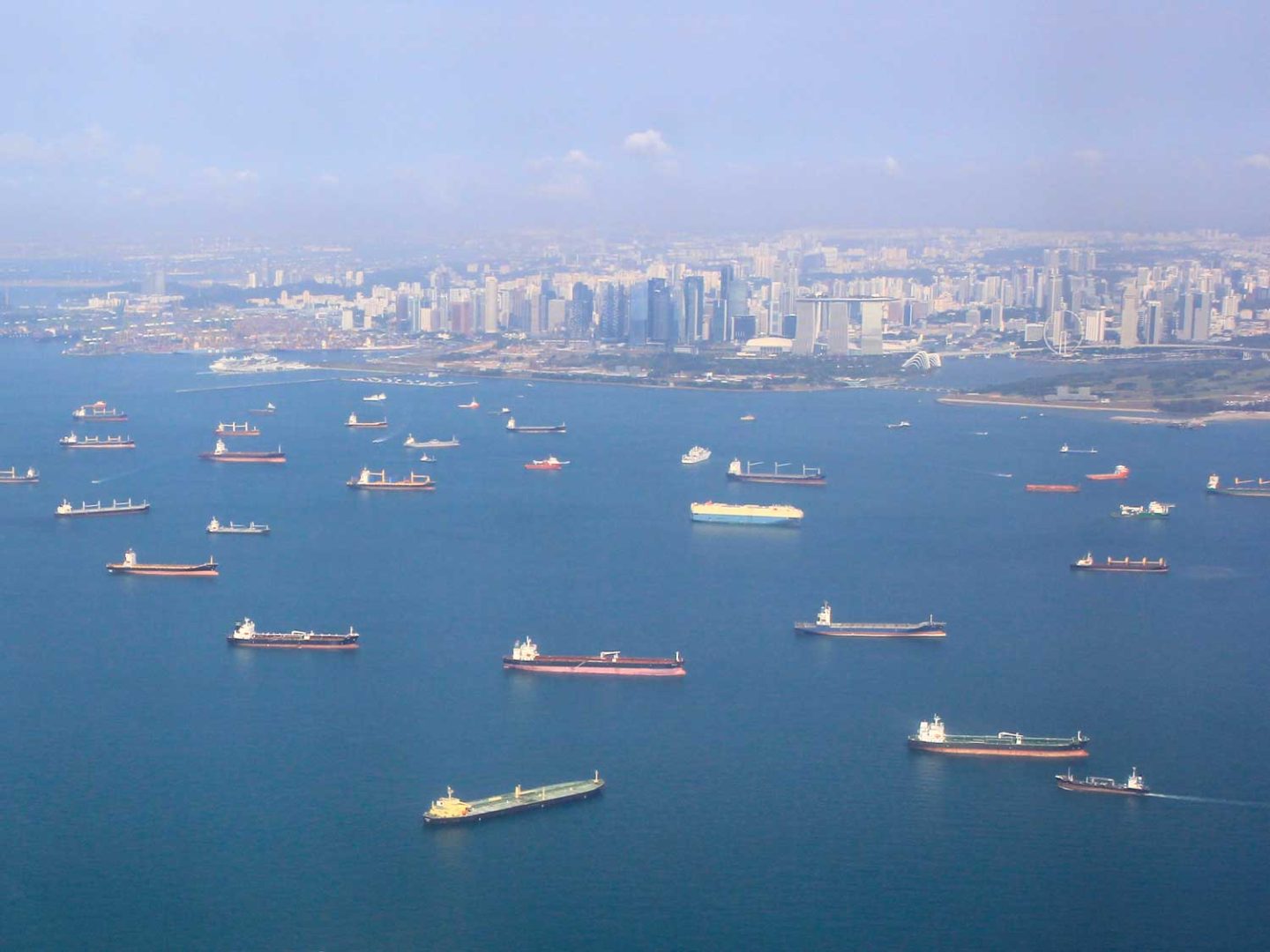
This development occurs against a backdrop of fluctuating oil supply chains, particularly as other oil-producing nations like Saudi Arabia adapt to recent disruptions. With Iraq's exports resuming, the global market may see a shift in supply dynamics, potentially alleviating some pressure on prices that have been influenced by geopolitical conflicts in the region.
As Iraq re-enters the global oil market, stakeholders are closely monitoring the impact of this agreement on both regional and international oil prices. Consumers and businesses alike may benefit from lower prices if the renewed supply stabilizes the market. The success of this deal will depend on the continued cooperation between Baghdad and the KRG, as well as the geopolitical climate affecting oil trade routes.
Iraq has officially resumed crude oil exports from Kirkuk via the Turkish port of Ceyhan, marking a significant shift in the region's oil dynamics. This development follows a recent agreement between the Iraqi government and the Kurdistan Regional Government (KRG) that reinstates exports halted for over a year. The renewed flow is expected to restore approximately 0.5% of the global oil supply, a crucial boost as markets seek stability amidst ongoing geopolitical tensions.
The resumption of exports is anticipated to influence global oil prices positively, potentially lowering costs for consumers. Analysts estimate that the agreement could lead to an increase in Iraq's oil revenues, which were severely impacted during the export halt. The KRG has expressed optimism about the deal, highlighting its potential to enhance economic stability and foster better relations with Baghdad.
The Kirkuk-Ceyhan pipeline, a critical route for Iraqi crude, has been underutilized since March 2025 due to disputes over revenue sharing and governance between the Iraqi central government and the KRG. The latest agreement aims to address these conflicts, allowing for a more streamlined operation. The Iraqi Oil Ministry has confirmed that the flow of oil through this pipeline has resumed, with plans to ramp up exports in the coming weeks.
Local officials in Iraq have welcomed the agreement, viewing it as a positive step towards economic recovery. "This is a vital opportunity for both the federal government and the KRG to work together for mutual benefit," stated a spokesperson for the KRG. However, some experts caution that ongoing tensions in the region could pose risks to the stability of these exports.
This development occurs against a backdrop of fluctuating oil supply chains, particularly as other oil-producing nations like Saudi Arabia adapt to recent disruptions. With Iraq's exports resuming, the global market may see a shift in supply dynamics, potentially alleviating some pressure on prices that have been influenced by geopolitical conflicts in the region.
As Iraq re-enters the global oil market, stakeholders are closely monitoring the impact of this agreement on both regional and international oil prices. Consumers and businesses alike may benefit from lower prices if the renewed supply stabilizes the market. The success of this deal will depend on the continued cooperation between Baghdad and the KRG, as well as the geopolitical climate affecting oil trade routes.
Highlighted text was flagged by the council. Tap to see feedback.







The sources also report that Saudi Arabia, a major oil exporter, has ramped up its oil exports to more than half of normal levels by rerouting through a 1,200 km pipeline to Yanbu.