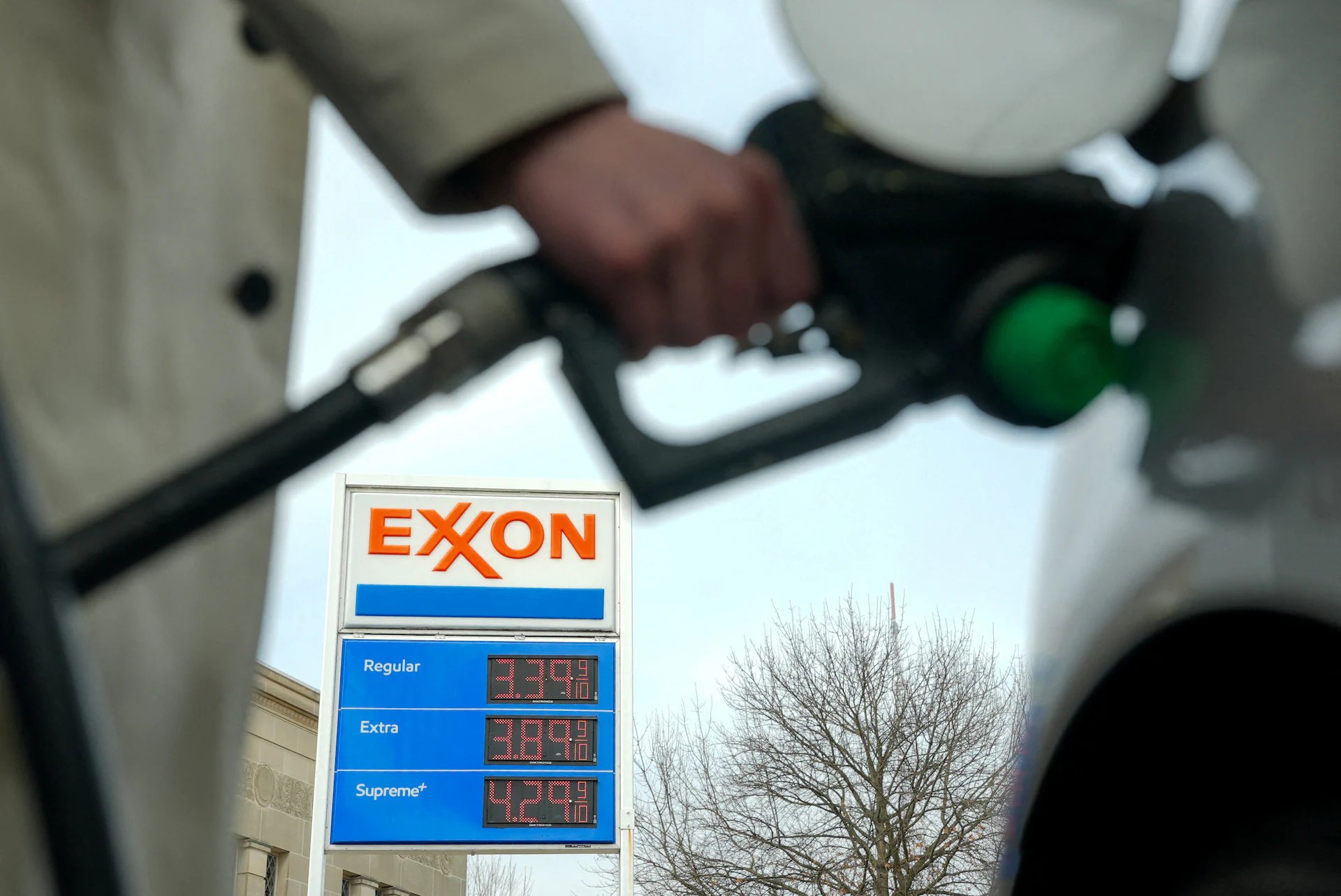
The average price of diesel fuel in the U.S. has surged to $5.04 per gallon, marking the highest level since 2022. This increase comes as a sharp 38% rise in just one month, up from $3.65 a gallon. The surge is attributed to the ongoing war in Iran, which has disrupted crude oil supplies from the Persian Gulf and contributed to rising global prices.
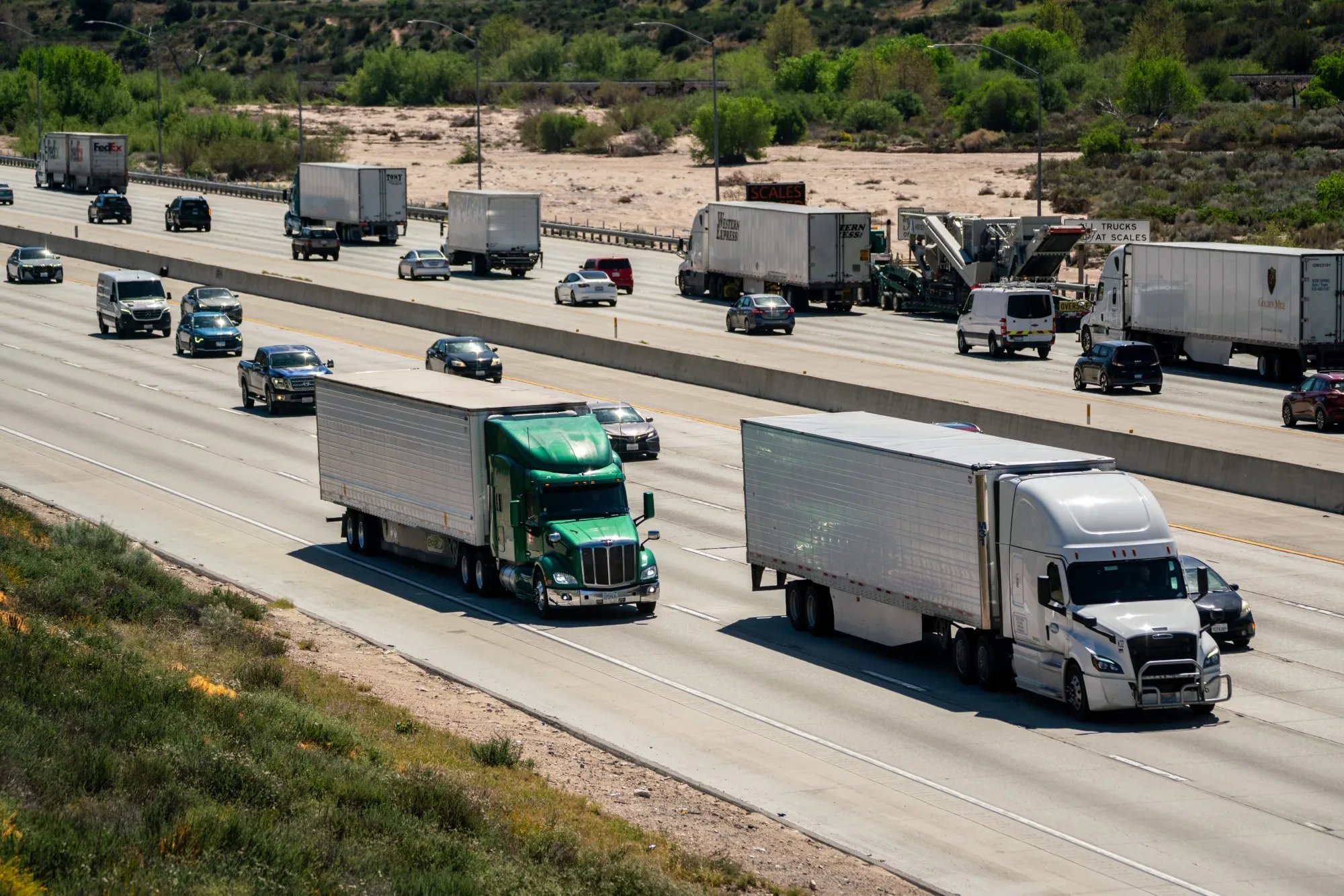
Diesel fuel is essential for transportation, powering tractor-trailers, trains, and ships that move goods across the country. As transportation costs rise, this increase will likely trickle down to consumers. Many goods, especially heavy or bulky items, will see price adjustments in the coming weeks as companies grapple with elevated shipping expenses.
While many Americans might not directly purchase diesel, the ripple effects of higher fuel prices will impact nearly all consumer goods. This could complicate the Federal Reserve's efforts to manage inflation, as increased transportation costs feed into broader economic indicators.
In the Northeast, where many households depend on heating oil—a product closely related to diesel—there is some relief as spring approaches. However, the increased diesel prices still pose a risk for future heating costs, especially if the current price trajectory continues.
The cost of goods transported by diesel will likely rise, reflecting the increased expense of getting products to market. This may also lead to higher prices on goods that consumers purchase regularly, from groceries to household items.
The average price of diesel fuel in the U.S. has surged to $5.04 per gallon, marking the highest level in four years. This increase comes as a sharp 38% rise in just one month, up from $3.65 a gallon. The surge is attributed to the ongoing war in Iran, which has disrupted crude oil supplies from the Persian Gulf and contributed to rising global prices.
Diesel fuel is essential for transportation, powering tractor-trailers, trains, and ships that move goods across the country. As transportation costs rise, this increase will likely trickle down to consumers. Many goods, especially heavy or bulky items, will see price adjustments in the coming weeks as companies grapple with elevated shipping expenses.
While many Americans might not directly purchase diesel, the ripple effects of higher fuel prices will impact nearly all consumer goods. Higher diesel prices can drive core inflation, affecting essential items that rely heavily on trucking for distribution. This could complicate the Federal Reserve's efforts to manage inflation, as increased transportation costs feed into broader economic indicators.
In the Northeast, where many households depend on heating oil—a product closely related to diesel—there is some relief as spring approaches. However, the increased diesel prices still pose a risk for future heating costs, especially if the current price trajectory continues.
Industry experts warn that while immediate price hikes may not be visible, they will influence pricing strategies for various companies. The cost of goods transported by diesel will likely rise, reflecting the increased expense of getting products to market. This may also lead to higher prices on goods that consumers purchase regularly, from groceries to household items.
As the situation develops, consumers should prepare for potential price increases across a wide range of products. The Federal Reserve faces challenges in maintaining economic stability, and the effects of rising diesel prices will likely shape economic discussions in the near future.
Highlighted text was flagged by the council. Tap to see feedback.