




New coverage enables commerce through conflict zone
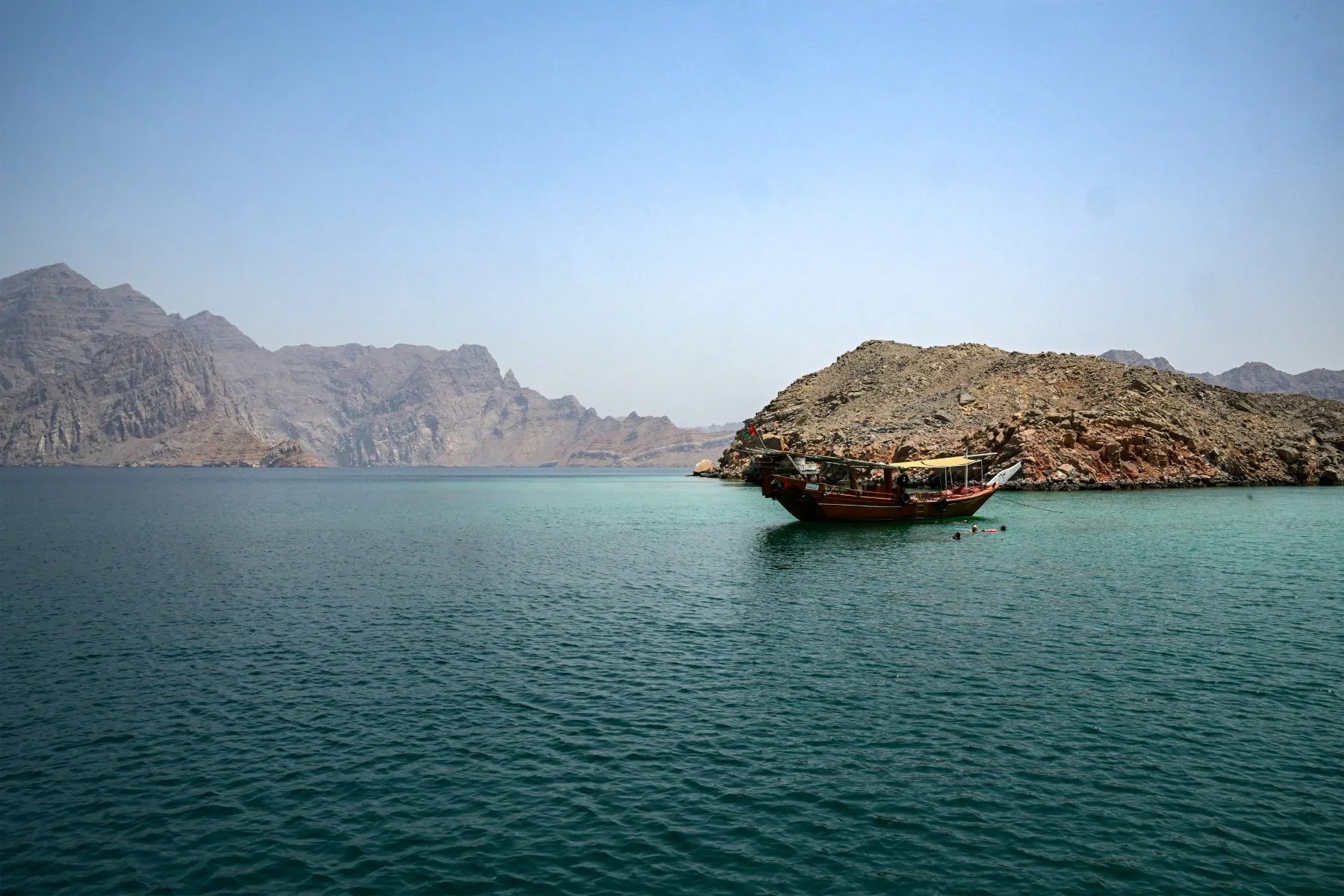
Chubb announced war-risk insurance coverage for ships transiting the Strait of Hormuz. The coverage addresses a critical gap left by the blockade that began after U.S. and Israeli strikes on Iran in late February, which prompted the Iranian Revolutionary Guard Corps to warn it would set "ablaze" any ships attempting passage.
Iran permits selective passage for allied nations
Iran has begun allowing selective transit through the strait for nations it does not consider hostile. Iranian Foreign Minister Abbas Araghchi told Japan's Kyodo News on Friday that "the strait is open. It is closed only to ships belonging to our enemies, countries that attack us. For other countries, ships can pass through the strait." Japan sources more than 90 percent of its crude oil imports from the Middle East and depends heavily on strait exports, making Araghchi's assurance significant for Tokyo's energy security.
India has already secured passage for multiple vessels. Three crude oil tankers successfully navigated the strait following diplomatic engagements with Iran, with two more liquefied petroleum gas tankers preparing to follow. A senior officer aboard one LPG vessel reported that the Iranian Navy guided the ship through the strait after Iran granted permission following negotiations between Tehran and New Delhi. Lloyd's List, a shipping information service, reported that 10 ships have transited by sailing close to Iran's coastline, a route emerging as a "safe corridor," with the Iranian Revolutionary Guard Corps developing a more coordinated vetting and registration system for approvals.
Global energy shock drives fuel price spikes
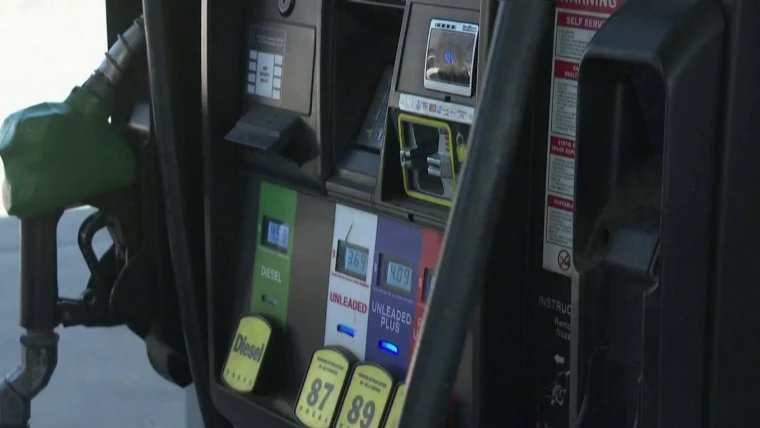
The three-week blockade has created what the International Energy Agency called "the greatest threat to global energy supply in the history of the world." Customers across Australia are experiencing severe price increases, with one regional New South Wales fuel retailer charging $3.39 per litre for unleaded petrol and diesel, and Sydney reporting diesel prices above $3 per litre. The Australian Competition and Consumer Commission issued an urgent interim authorization allowing fuel companies to coordinate supply across the country, though the authorization explicitly prohibits sharing pricing information.
Delivery and rideshare companies are absorbing fuel costs to protect consumers. DoorDash announced a temporary fuel relief program providing cash to drivers completing 100 kilometers or more in weekly deliveries, with costs not passed to customers. Uber said it would raise prices to increase driver earnings by an average of 6 percent across Australia, stating that "operating costs, including fuel, remain front of mind for many driver partners." DiDi raised prices earlier in the week by 5 cents per kilometre.
Allies diverge on military support for the strait
President Trump expressed frustration with nations declining to send warships to secure the waterway. He called NATO "a paper tiger" and "cowards" for refusing to assist, and said he was "very surprised" that Australia, Japan, and South Korea declined to send military support. "They should get involved, and I was a little bit surprised that they said no, because we always say yes to them," Trump told Sky News Australia on Friday.
Australian Prime Minister Anthony Albanese countered that his country had provided the support it was asked to deliver. Australia deployed E-7 Wedgetail aircraft to the region with personnel and sent air-to-air missiles, Albanese said, adding that "the president hasn't asked, so I'm not going to go through hypotheticals." Deputy Prime Minister Richard Marles noted that more than 100 Australians were serving in the region and that the Royal Australian Air Force personnel operating the Wedgetail had "the utmost bravery." Australia signed a joint statement released Thursday, coordinated by the UK and signed by France, Germany, Italy, the Netherlands, Japan, and Canada, expressing readiness to contribute to safe passage through the strait.
UK permits U.S. strikes from British bases
The United Kingdom will allow the U.S. to use British military bases to carry out strikes against Iranian missile sites targeting ships in the strait, a UK government spokesperson confirmed Friday. The decision followed a meeting of British ministers Friday afternoon to discuss the ongoing conflict and Iran's blockade of the waterway.