





Policy Change Amid Surging Oil Costs
The Trump administration has temporarily lifted sanctions on Iranian oil stranded at sea, a move aimed at addressing soaring global energy prices. The U.S. Treasury authorized the sale of approximately 140 million barrels of Iranian oil that was loaded onto ships before 12:01 a.m. ET on March 21. This exemption will remain in effect until April 19, 2026, allowing buyers to purchase oil without the constraints of existing sanctions.
Strategic Implications for Global Markets
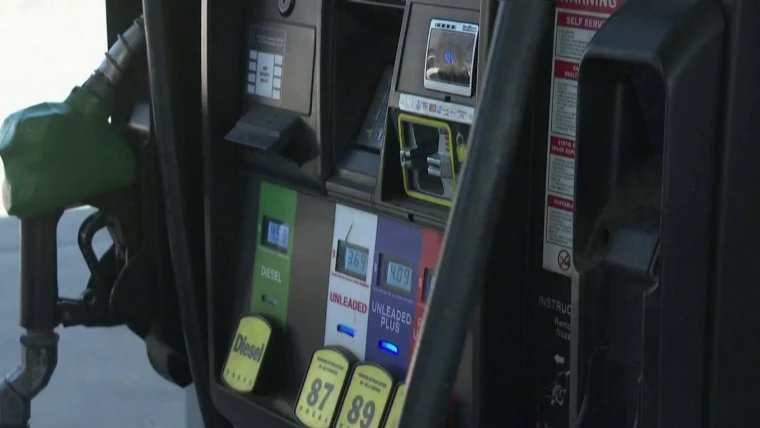
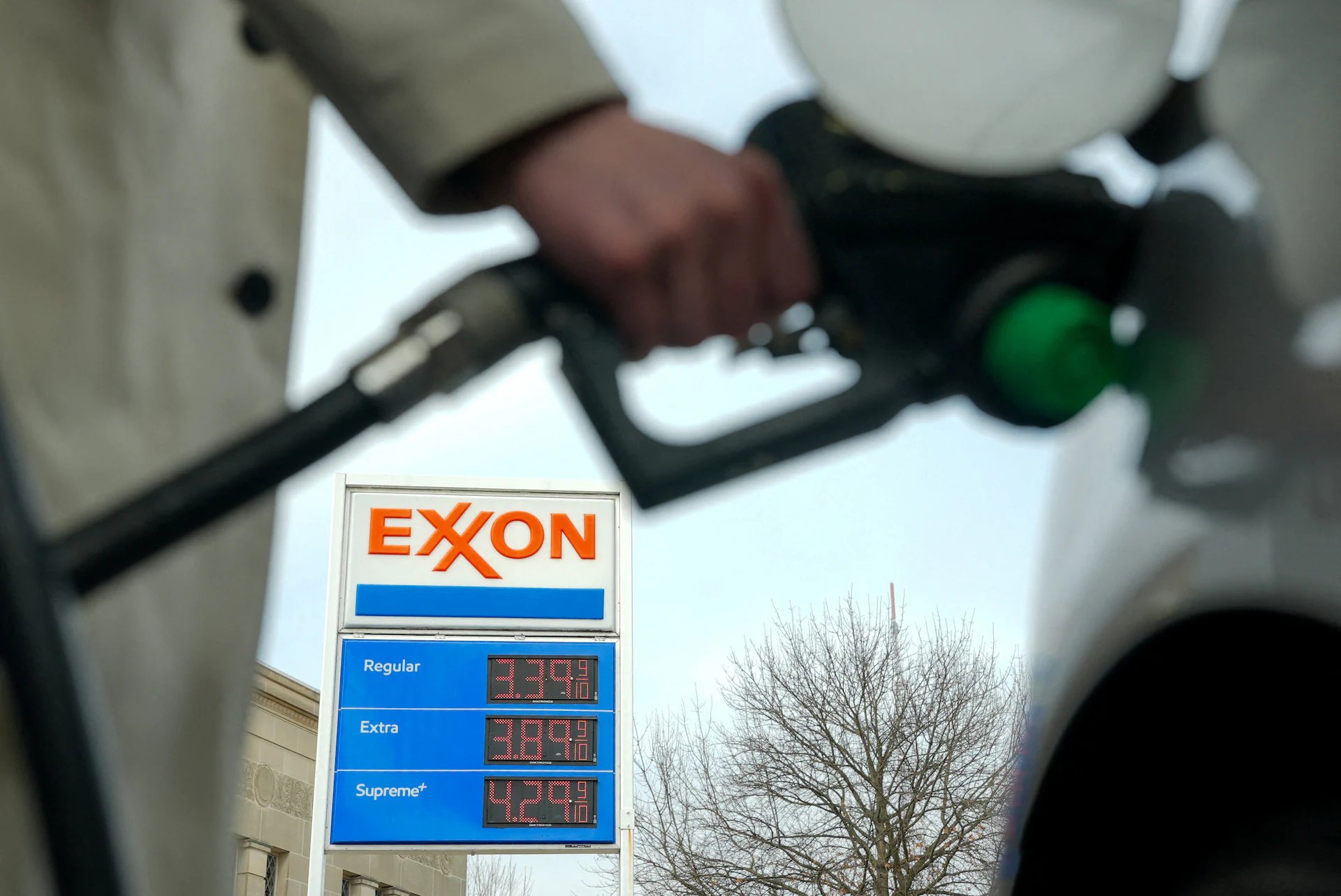
Treasury Secretary Scott Bessent stated that this decision is part of a broader effort to alleviate pressures on global oil supply exacerbated by ongoing conflicts involving Iran. He asserted that the move would help counteract rising prices, which have surged over 70% since the start of the year, significantly affecting U.S. consumers and businesses. Retail gas prices have increased by 93 cents per gallon, with crude oil trading around $111 per barrel.
Concerns Over Benefiting Iran
Despite the intent to stabilize prices, the policy has raised concerns about inadvertently bolstering Iran's military efforts. Bessent countered these claims, emphasizing that Iran would have limited access to the proceeds from the sales, stating, "The United States will continue to maintain maximum pressure on Iran and its ability to access the international financial system."
Broader Energy Strategy
This sanction waiver is part of a series of measures the administration has taken to manage rising oil prices, including releasing 172 million barrels from the Strategic Petroleum Reserve. The administration has also temporarily lifted sanctions on Russian oil, further complicating the geopolitical landscape. Danny Citrinowicz, a senior researcher on Iran at the Institute for National Security Studies, suggested that the U.S. is "funding a war against itself."
Impact on U.S.-Iran Relations
The lifting of sanctions comes during a period of heightened tensions between the U.S. and Iran, particularly following the outbreak of conflict in the region. Shipping traffic through the Strait of Hormuz, a critical transit route for about 20% of global oil, has been severely disrupted. Iranian forces have been accused of threatening oil shipments, leading to a significant slowdown in maritime traffic.
Economic Ramifications for Consumers
As the U.S. grapples with the consequences of rising oil prices, major companies are already feeling the pinch. United Airlines CEO Scott Kirby indicated that the airline plans to cut less profitable flights in response to jet fuel prices, which have more than doubled in recent weeks. Kirby projected that if oil prices remain elevated, it could lead to an additional $11 billion in annual expenses for the airline.
Looking Forward: Uncertain Outcomes
While the temporary lifting of sanctions aims to bring immediate relief to global oil markets, experts remain skeptical about its long-term effectiveness. Energy analyst Brent Erickson said the administration's efforts to control prices would not have a meaningful impact until the strait is opened to vessels. As the situation evolves, consumers and businesses alike will be closely monitoring the impacts of these policy changes on energy prices and availability.

The NBC article identifies Danny Citrinowicz, who said the U.S. is 'funding a war against itself,' as a senior researcher on Iran at the Institute for National Security Studies, which is affiliated with Tel Aviv University in Israel.