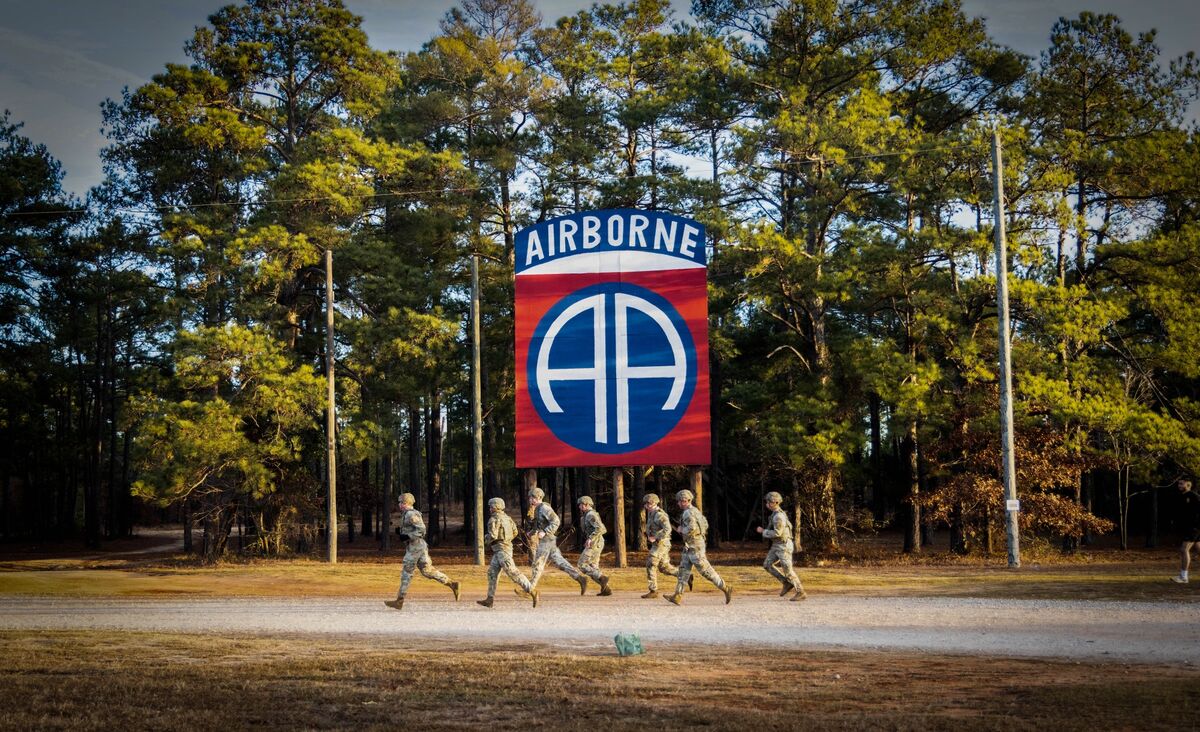
The Pentagon is preparing to send troops from the Army's 82nd Airborne Division to the Middle East, according to sources familiar with the military planning. The deployment will include a command element and ground forces. Some reports indicate around 2,000 troops, while a U.S. official said the total could be fewer than 1,500. The order gives President Trump additional military options as he pursues diplomatic talks with Iran while the conflict enters its fourth week.
The 82nd Airborne is capable of deploying anywhere in the world in under 24 hours. The Pentagon deferred questions about the deployment to the White House, while a White House spokesperson said announcements would come from the Pentagon.
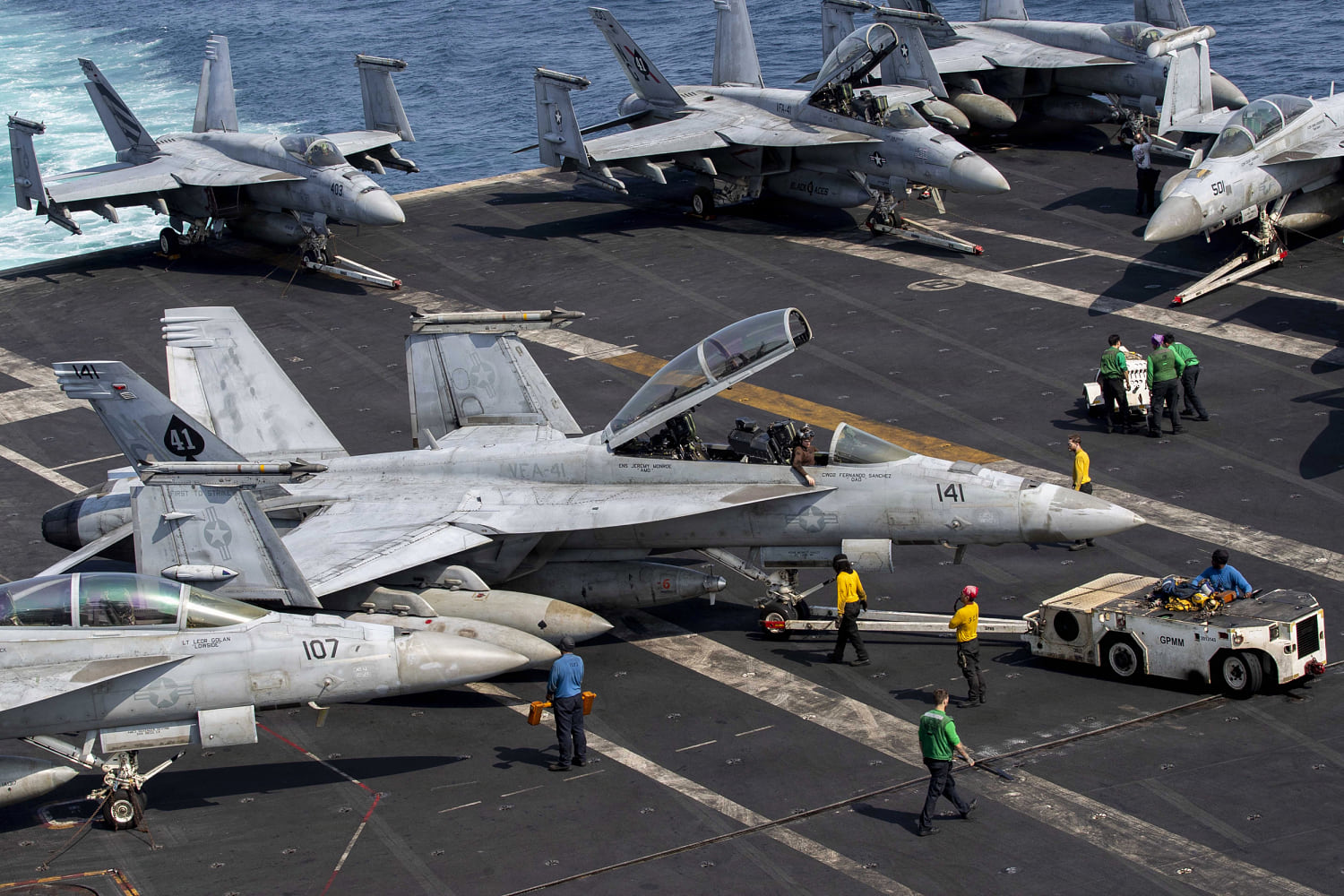
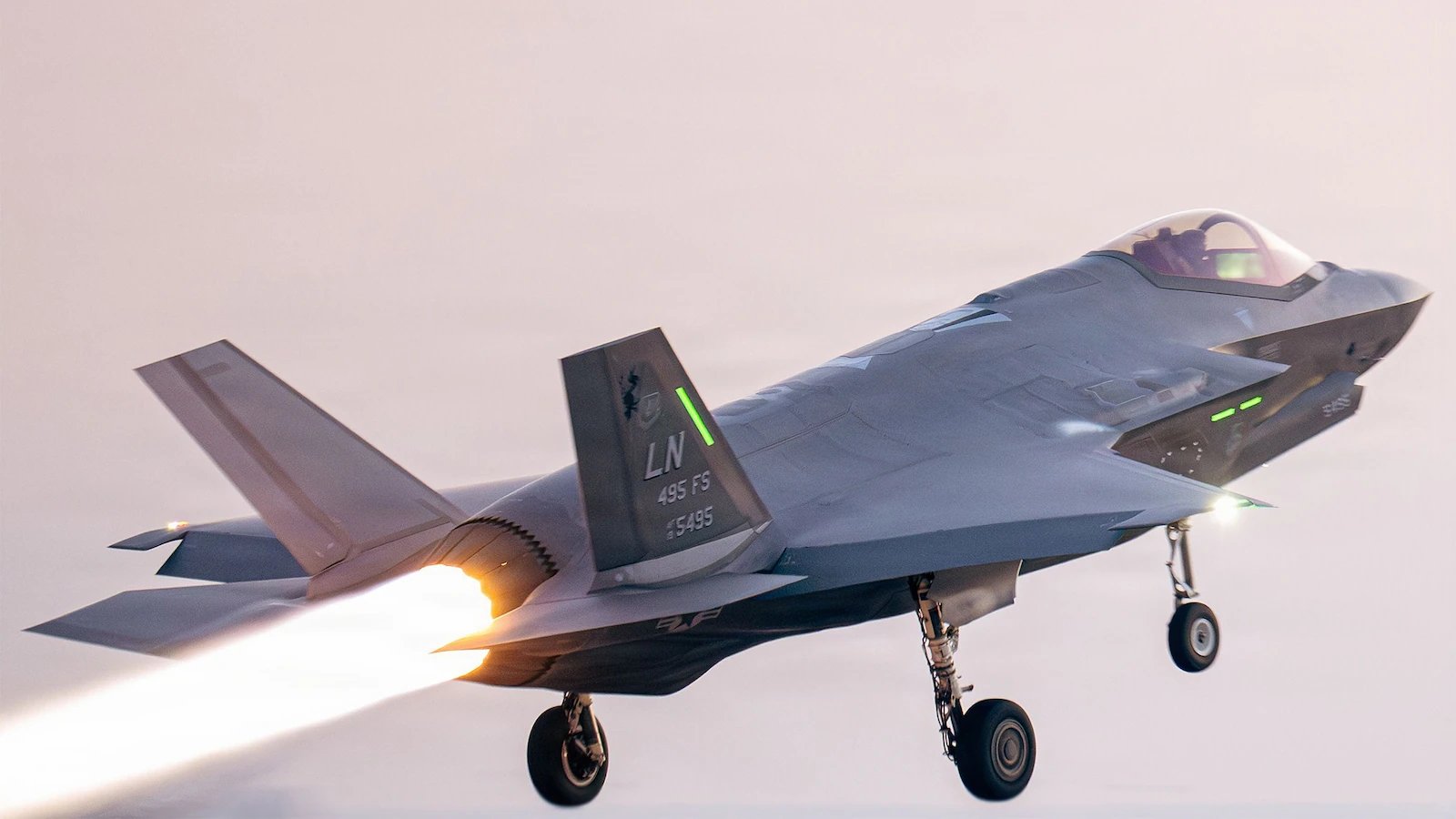
The U.S. military has already conducted over 9,000 combat flights that have struck more than 9,000 military targets, according to U.S. Central Command. Those strikes have included IRGC headquarters buildings, intelligence sites, ballistic missile sites, missile defense systems, military manufacturing facilities, and Iranian navy vessels. Defense Secretary Pete Hegseth described the air campaign as "one for the history books" and said the Pentagon views itself as part of the ongoing negotiations with Iran.
Three warships and approximately 2,200 Marines from an expeditionary unit departed California last week, marking the second Marine Expeditionary Unit deployed since the war began on February 28. These forces are already en route to the Middle East.
President Trump said Tuesday that Secretary of State Marco Rubio, Vice President JD Vance, special envoy Steve Witkoff, and his son-in-law Jared Kushner were involved in talks with Iran. "The other side, I can tell you, they'd like to make a deal," the president said. He extended his deadline for Iran to reopen the Strait of Hormuz for five days to allow for talks, postponing his threat to attack Iranian power plants.
The Trump administration sent a 15-point ceasefire plan to Iran through Pakistan. Prime Minister Shehbaz Sharif announced that Pakistan stands ready to host talks between U.S. and Iranian officials. However, Iran has publicly dismissed reports of ongoing negotiations, with Lt. Col. Ebrahim Zolfaghari, a spokesperson for Iran's Khatam Al-Anbiya Central Headquarters, saying in a prerecorded video that Americans were "negotiating with yourselves" and that Iran would never come to terms with the U.S.
Iran's Revolutionary Guards reported firing missiles at Israel as well as military bases hosting U.S. forces in Kuwait, Jordan, and Bahrain. Four people suffered minor wounds in a strike on central Tel Aviv.
Iran fired at least nine waves of missile launches on Tuesday, including cluster munitions and conventional weapons. Cluster munitions hit an apartment building in the northern Israeli city of Nesher and a community in central Israel. At least nine people were wounded across Israel from the strikes, according to military and medical officials.
Israeli strikes on South Lebanon killed at least six people in the Sidon area and three more in another town.
The UAE Ministry of Defense reported that an Iranian missile strike in Bahrain killed a Moroccan national working as a civilian contractor for the UAE Armed Forces. At least two other people have been killed in Bahrain by Iranian strikes since the war began 25 days ago. The UAE has reported eight people killed in its territory, including two Emirati military service members.
The Philippines declared a state of national energy emergency Tuesday, citing risks to the domestic fuel supply created by the Middle East war. The order authorizes the Department of Energy to make advance payments of 15 percent to secure fuel contracts. The country has some of the region's highest energy costs and is heavily dependent on imported fuel.
Amazon Web Services reported that its Bahrain Region had been disrupted as a result of the ongoing conflict. The company said it was helping affected customers migrate to AWS servers elsewhere in the world. AWS had previously reported that drone strikes damaged two of its data centers in the United Arab Emirates and a facility in Bahrain.
The price of Brent crude, the international standard in oil pricing, crept back above $100 a barrel early Tuesday after plunging on President Trump's claim of advanced talks with Iran. Brent crude traded at $104 a barrel early Monday morning before easing to $100.94. At over $100 a barrel, the price represents an increase of at least 40 percent since the war began.
The Pentagon is preparing to send approximately 2,000 troops from the Army's 82nd Airborne Division to the Middle East, according to sources familiar with the military planning. The deployment will include a command element and ground forces, though one U.S. official said the total could be fewer than 1,500 troops. The order gives President Trump additional military options as he pursues diplomatic talks with Iran while the conflict enters its fourth week.
The 82nd Airborne is capable of deploying anywhere in the world in under 24 hours. The timing of the deployment remains unclear, as does the specific location where the soldiers will be stationed in the region. The Pentagon deferred questions about the deployment to the White House, while a White House spokesperson said announcements would come from the Pentagon.
The U.S. military has already conducted over 9,000 combat flights that have struck more than 9,000 military targets, according to U.S. Central Command. Those strikes have included IRGC headquarters buildings, intelligence sites, ballistic missile sites, missile defense systems, military manufacturing facilities, and Iranian navy vessels. Defense Secretary Pete Hegseth described the air campaign as "one for the history books" and said the Pentagon views itself as part of the ongoing negotiations with Iran.
Three warships and approximately 2,200 Marines from an expeditionary unit departed California last week, marking the second Marine Expeditionary Unit deployed since the war began on February 28. These forces are already en route to the Middle East.
President Trump said Tuesday that direct negotiations with Iran are underway, involving Secretary of State Marco Rubio, Vice President JD Vance, special envoy Steve Witkoff, and his son-in-law Jared Kushner. "The other side, I can tell you, they'd like to make a deal," the president said. He extended his deadline for Iran to reopen the Strait of Hormuz for five days to allow for talks, postponing his threat to attack Iranian power plants.
The Trump administration sent a 15-point ceasefire plan to Iran through Pakistan. Prime Minister Shehbaz Sharif announced that Pakistan stands ready to host talks between U.S. and Iranian officials. However, Iran has publicly dismissed reports of ongoing negotiations, with Lt. Col. Ebrahim Zolfaghari, a spokesperson for Iran's Khatam Al-Anbiya Central Headquarters, saying in a prerecorded video that Americans were "negotiating with yourselves" and that Iran would never come to terms with the U.S.
Iran's Revolutionary Guards reported firing missiles at Israel as well as military bases hosting U.S. forces in Kuwait, Jordan, and Bahrain. A missile with a 220-pound warhead struck a street in central Tel Aviv early Tuesday, penetrating Israeli air defenses and damaging an apartment building. Four people suffered minor wounds in that strike.
Iran fired at least nine waves of missile launches on Tuesday, including cluster munitions and conventional weapons. Cluster munitions hit an apartment building in the northern Israeli city of Nesher and a community in central Israel. At least nine people were wounded across Israel from the strikes, according to military and medical officials.
A woman in northern Israel was killed Tuesday following rocket fire from Lebanon, marking the war's first Israeli death due to fire from that country. Israeli emergency services said she suffered severe multi-system trauma. Separately, Israeli strikes on South Lebanon killed at least six people in the Sidon area and three more in another town.
The UAE Ministry of Defense reported that an Iranian missile strike in Bahrain killed a Moroccan national working as a civilian contractor for the UAE Armed Forces. At least two other people have been killed in Bahrain by Iranian strikes since the war began 25 days ago. The UAE has reported eight people killed in its territory, including two Emirati military service members.
The Philippines declared a state of national energy emergency Tuesday, citing risks to the domestic fuel supply created by the Middle East war. The order authorizes the Department of Energy to make advance payments of 15 percent to secure fuel contracts. The country has some of the region's highest energy costs and is heavily dependent on imported fuel.
Amazon Web Services reported that its Bahrain Region had been disrupted as a result of the ongoing conflict. The company said it was helping affected customers migrate to AWS servers elsewhere in the world. AWS had previously reported that drone strikes damaged two of its data centers in the United Arab Emirates and a facility in Bahrain.
The price of Brent crude, the international standard in oil pricing, crept back above $100 a barrel early Tuesday after plunging on President Trump's claim of advanced talks with Iran. Brent crude traded at $104 a barrel early Monday morning before easing to $100.94. At over $100 a barrel, the price represents an increase of at least 40 percent since the war began.
Highlighted text was flagged by the council. Tap to see feedback.