This second Marine expeditionary unit could take a few weeks to be in place, following an earlier deployment from the Pacific that is still making its way into the region.
President Trump is weighing whether to send possibly thousands of U.S. troops into Iran to achieve key military objectives and end the war, according to two current U.S. officials, two former U.S. officials and another person familiar with the discussions. Several options are under consideration, including deploying troops to Iranian ports or small islands in the Persian Gulf to secure passage through the Strait of Hormuz, retrieving Iran's highly enriched uranium, or seizing Iranian oil facilities to cut off financial resources to the regime. The scale and duration of any deployment could range from hundreds of specialized forces operating for a few hours to thousands over several weeks, the officials said. Joe Costa, director of the Forward Defense program at the Atlantic Council's Scowcroft Center for Strategy and Security, cautioned that "all of them are going to be high risk and dangerous. All of them run the risk of casualties of U.S. soldiers."
One possible target is Kharg Island, located roughly 15 miles off Iran's northern Gulf coast, which serves as the country's main oil export terminal and accounts for 90% of the country's oil production. The U.S. bombed military targets on Kharg Island last Friday, with Trump threatening to later hit the oil facilities there. A White House official told CBS News that the U.S. military "can take out" Kharg Island "at any time," and said Trump "retains all options."
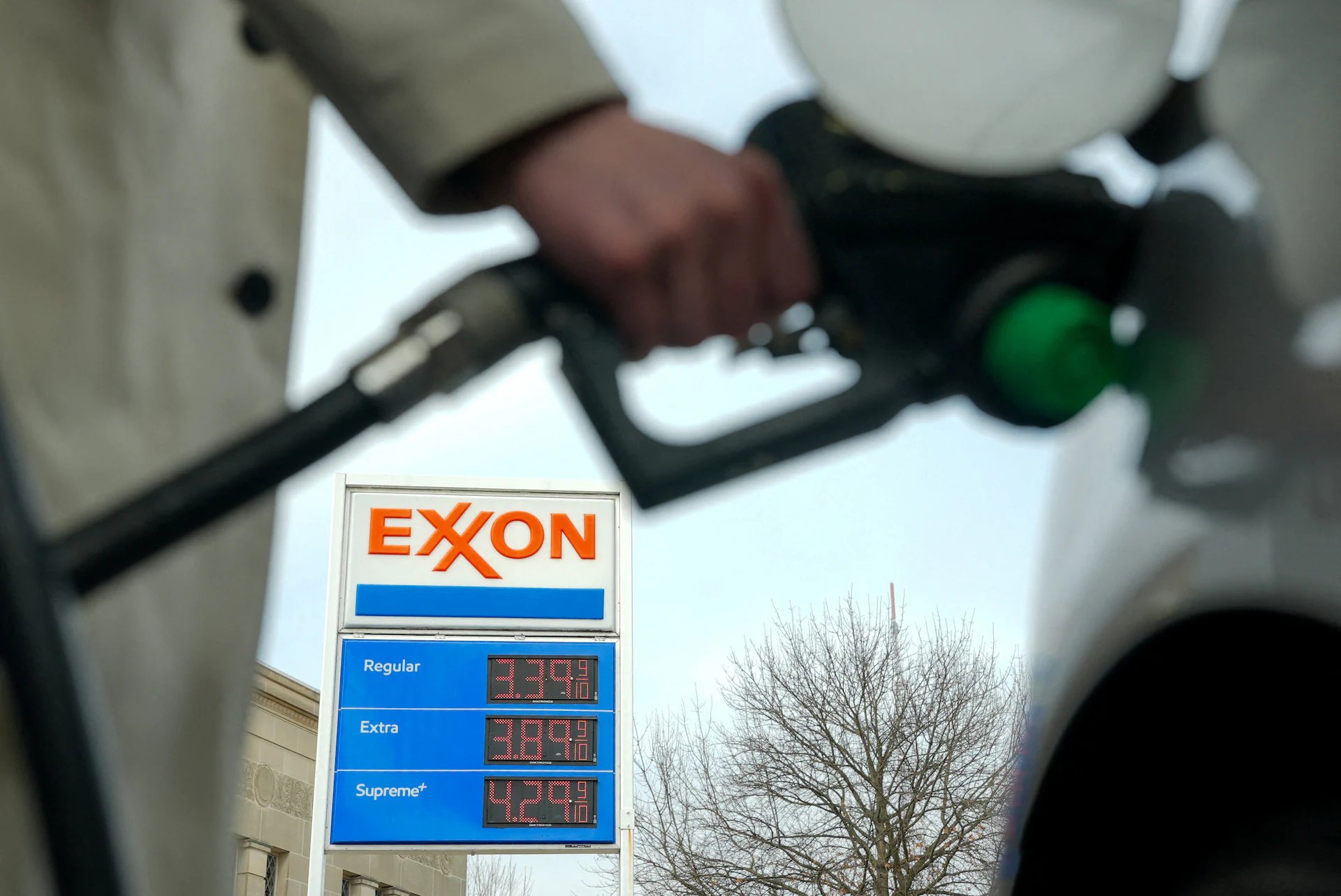
Tit-for-tat attacks on oil and gas sites across the Middle East have pushed global crude prices as high as $119 a barrel on Thursday, before oil shed some gains to hover around $109 by Friday afternoon. Oil prices have marked a staggering rise of more than 50% over the past month. U.S. gasoline prices stand at $3.91 a gallon, jumping 98 cents since a month earlier, according to AAA data. Brent crude, the international benchmark, was selling for about $112 a barrel as of Friday evening, up from around $70 before the war started.
Iran struck the world's largest liquefied natural gas terminal at Ras Laffan in Qatar, the most serious attack on the country's energy facilities since the war began. The attack reduced Qatar's LNG export capacity by 17% and cost it an estimated $20 billion in lost annual revenue, according to QatarEnergy, the state-owned petroleum firm. Repairs are expected to take as long as five years. Severin Borenstein, a professor of business administration and public policy at the University of California, Berkeley, told ABC News that "both sides have taken the gloves off when it comes to attacks on infrastructure -- and that's just bad news for everyone."
United Airlines CEO Scott Kirby said in a letter to employees Friday that the carrier was preparing for the possibility that oil prices could climb as high as $175 a barrel, with plans assuming oil would not get back down to $100 per barrel until the end of 2027. An analysis from Deutsche Bank found that if prices for jet fuel remain high for a sustained period, it could pose an "existential threat" to the airline industry.
Inflation stands at 2.4%, marking a cooldown from previous months but remaining slightly higher than the Federal Reserve's target rate of 2%. A rapid rise in diesel prices threatens to raise costs for groceries, apparel and other products, since diesel makes up the lifeblood of the U.S. supply chain. Diane Swonk, chief economist at KPMG, told CBS News that "all of those shifts are adding to costs, a portion of which will be passed along to consumers."
President Trump lambasted America's closest allies on Friday, dismissing the seven-decade-old NATO alliance as "A PAPER TIGER" without the U.S. military and calling its other members "COWARDS" for not meeting his demands to send forces to help reopen the Strait of Hormuz. Trump declared the U.S.-Israeli war on Iran "Militarily WON" and said there was now "very little danger for them" in the region, despite ongoing Iranian missile and drone attacks.
Six major U.S. allies on Thursday voiced their "readiness to contribute to appropriate efforts to ensure safe passage through" the Strait of Hormuz in a joint statement. The leaders of the U.K., France, Germany, Italy, the Netherlands and Japan provided no specifics, though some have indicated they would be willing to take part in an international mission once hostilities end.
The U.K. gave specific permission for the U.S. to use its bases to launch strikes on Iranian "missile sites and capabilities" being used to attack ships in the Strait of Hormuz, according to a statement from Prime Minister Keir Starmer's office. NATO has pulled its advisory mission out of Iraq and relocated the mission's personnel to Europe, with the last personnel leaving the country on Friday.
Trump faces increasing political backlash at home from some of his own supporters over the war in Iran. Amanda Robbins told NBC News this week that she regrets voting for Trump three times in her home state of Pennsylvania because of rising gas prices due to the war. The majority of voters—54%—disapprove of Trump's handling of the war in Iran, according to a NBC News poll earlier this month.
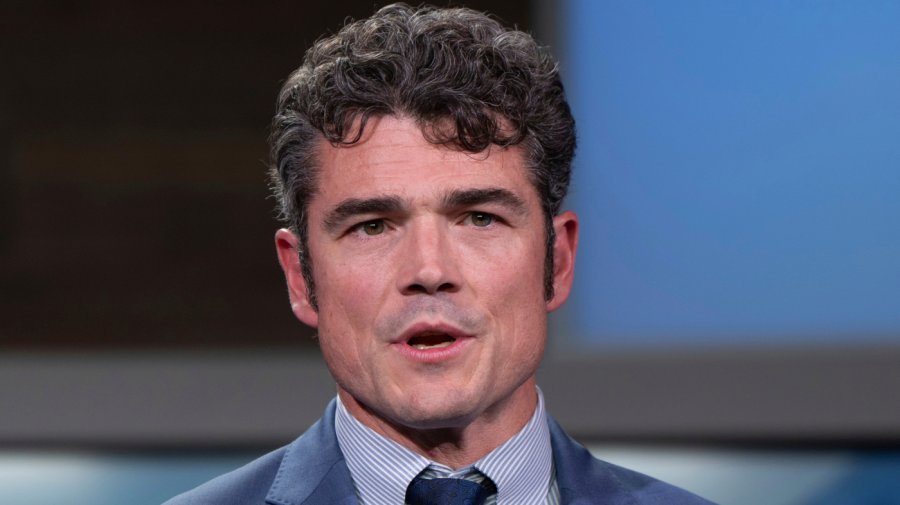
Joe Kent, who served as Trump's director of the National Counterterrorism Center, announced his resignation Wednesday in protest of the war. Kent said he disagreed with Trump's decision to launch a war in Iran because the regime did not pose "an imminent threat," as the Trump administration has claimed. Director of National Intelligence Tulsi Gabbard declined to say during congressional testimony this week that Iran's nuclear program presented an imminent threat.
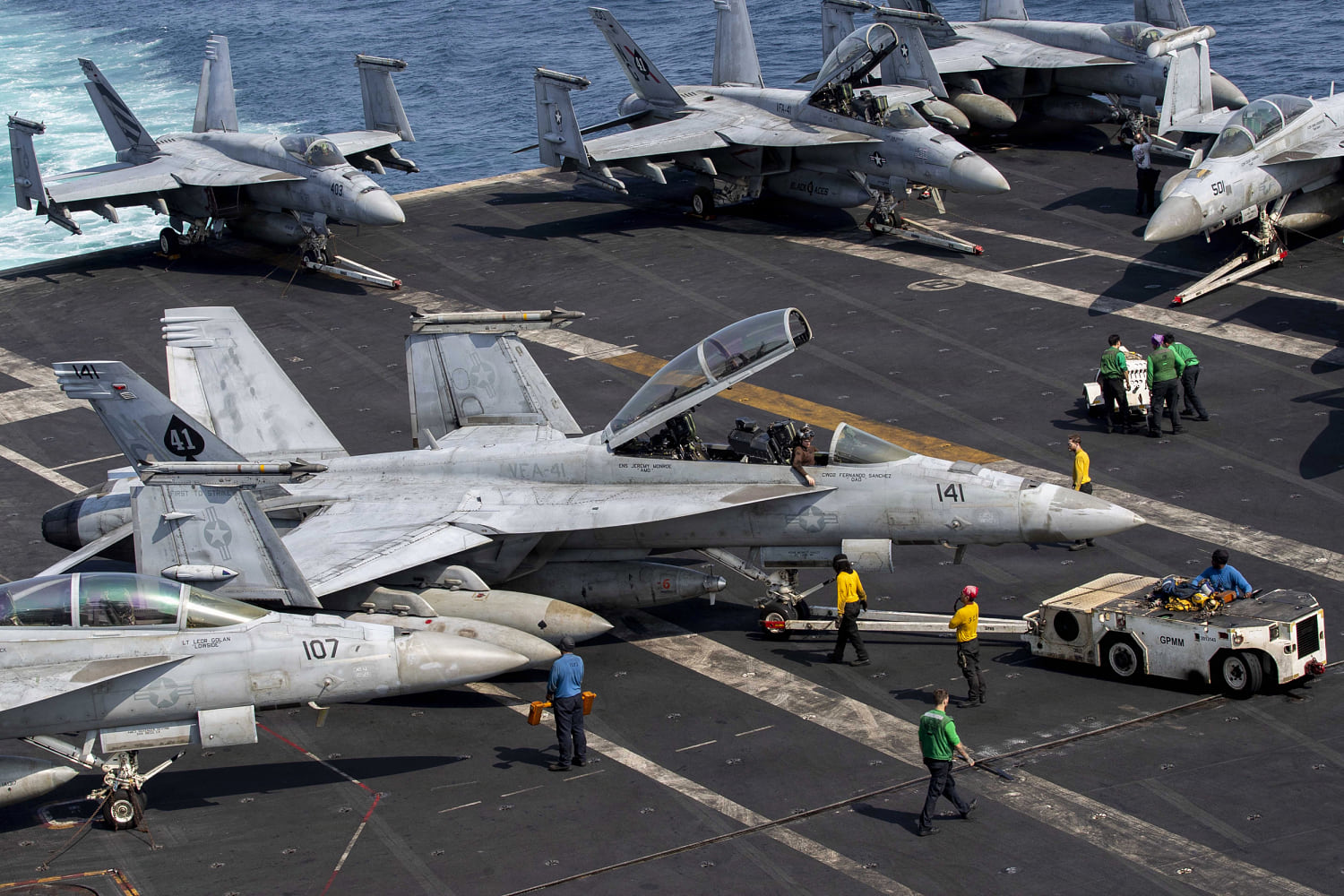
The Pentagon is speeding up the deployment of thousands of additional Marines and sailors to the Middle East amid escalating tensions with Iran. The 11th Marine Expeditionary Unit, made up of at least 2,200 Marines, set off from San Diego aboard the amphibious assault ship USS Boxer, according to two U.S. officials. This second Marine expeditionary unit could take a few weeks to be in place, following an earlier deployment from the Pacific that is still making its way into the region. A Central Command spokesperson told CBS News that 232 American service members have been injured since the war started on February 28, with 207 returning to duty and 10 seriously wounded. Thirteen U.S. service members have died since the conflict began.
President Trump is weighing whether to send possibly thousands of U.S. troops into Iran to achieve key military objectives and end the war, according to two current U.S. officials, two former U.S. officials and another person familiar with the discussions. Several options are under consideration, including deploying troops to Iranian ports or small islands in the Persian Gulf to secure passage through the Strait of Hormuz, retrieving Iran's highly enriched uranium, or seizing Iranian oil facilities to cut off financial resources to the regime. The scale and duration of any deployment could range from hundreds of specialized forces operating for a few hours to thousands over several weeks, the officials said. Joe Costa, director of the Forward Defense program at the Atlantic Council's Scowcroft Center for Strategy and Security, cautioned that "all of them are going to be high risk and dangerous. All of them run the risk of casualties of U.S. soldiers."
One possible target is Kharg Island, located roughly 15 miles off Iran's northern Gulf coast, which serves as the country's main oil export terminal and accounts for 90% of the country's oil production. The U.S. bombed military targets on Kharg Island last Friday, with Trump threatening to later hit the oil facilities there. A White House official told CBS News that the U.S. military "can take out" Kharg Island "at any time," and said Trump "retains all options."
Tit-for-tat attacks on oil and gas sites across the Middle East have pushed global crude prices as high as $119 a barrel on Thursday, before oil shed some gains to hover around $109 by Friday afternoon. Oil prices have marked a staggering rise of more than 50% over the past month. U.S. gasoline prices stand at $3.91 a gallon, jumping 98 cents since a month earlier, according to AAA data. Brent crude, the international benchmark, was selling for about $112 a barrel as of Friday evening, up from around $70 before the war started.
Iran struck the world's largest liquefied natural gas terminal at Ras Laffan in Qatar, the most serious attack on the country's energy facilities since the war began. The attack reduced Qatar's LNG export capacity by 17% and cost it an estimated $20 billion in lost annual revenue, according to QatarEnergy, the state-owned petroleum firm. Repairs are expected to take as long as five years. Severin Borenstein, a professor of business administration and public policy at the University of California, Berkeley, told ABC News that "both sides have taken the gloves off when it comes to attacks on infrastructure -- and that's just bad news for everyone."
United Airlines CEO Scott Kirby said in a letter to employees Friday that the carrier was preparing for the possibility that oil prices could climb as high as $175 a barrel, with plans assuming oil would not get back down to $100 per barrel until the end of 2027. An analysis from Deutsche Bank found that if prices for jet fuel remain high for a sustained period, it could pose an "existential threat" to the airline industry.
Inflation stands at 2.4%, marking a cooldown from previous months but remaining slightly higher than the Federal Reserve's target rate of 2%. A rapid rise in diesel prices threatens to raise costs for groceries, apparel and other products, since diesel makes up the lifeblood of the U.S. supply chain. Diane Swonk, chief economist at KPMG, told CBS News that "all of those shifts are adding to costs, a portion of which will be passed along to consumers."
President Trump lambasted America's closest allies on Friday, dismissing the seven-decade-old NATO alliance as "A PAPER TIGER" without the U.S. military and calling its other members "COWARDS" for not meeting his demands to send forces to help reopen the Strait of Hormuz. Trump declared the U.S.-Israeli war on Iran "Militarily WON" and said there was now "very little danger for them" in the region, despite ongoing Iranian missile and drone attacks.
Six major U.S. allies on Thursday voiced their "readiness to contribute to appropriate efforts to ensure safe passage through" the Strait of Hormuz in a joint statement. The leaders of the U.K., France, Germany, Italy, the Netherlands and Japan provided no specifics, though some have indicated they would be willing to take part in an international mission once hostilities end. The joint statement from more than a dozen nations did not provide details on how they would accomplish the goal.
The U.K. gave specific permission for the U.S. to use its bases to launch strikes on Iranian "missile sites and capabilities" being used to attack ships in the Strait of Hormuz, according to a statement from Prime Minister Keir Starmer's office. NATO has pulled its advisory mission out of Iraq and relocated the mission's personnel to Europe, with the last personnel leaving the country on Friday.
Trump faces increasing political backlash at home from some of his own supporters over the war in Iran. Amanda Robbins told NBC News this week that she regrets voting for Trump three times in her home state of Pennsylvania because of rising gas prices due to the war. The majority of voters—54%—disapprove of Trump's handling of the war in Iran, according to a NBC News poll earlier this month.
Joe Kent, who served as Trump's director of the National Counterterrorism Center, announced his resignation Wednesday in protest of the war. Kent said he disagreed with Trump's decision to launch a war in Iran because the regime did not pose "an imminent threat," as the Trump administration has claimed. Director of National Intelligence Tulsi Gabbard declined to say during congressional testimony this week that Iran's nuclear program presented an imminent threat.
Highlighted text was flagged by the council. Tap to see feedback.







The sources report Kharg Island is located roughly 20 miles off Iran's northern Gulf coast, not 15 miles as stated in the summary.