


Settlement Details and Allegations
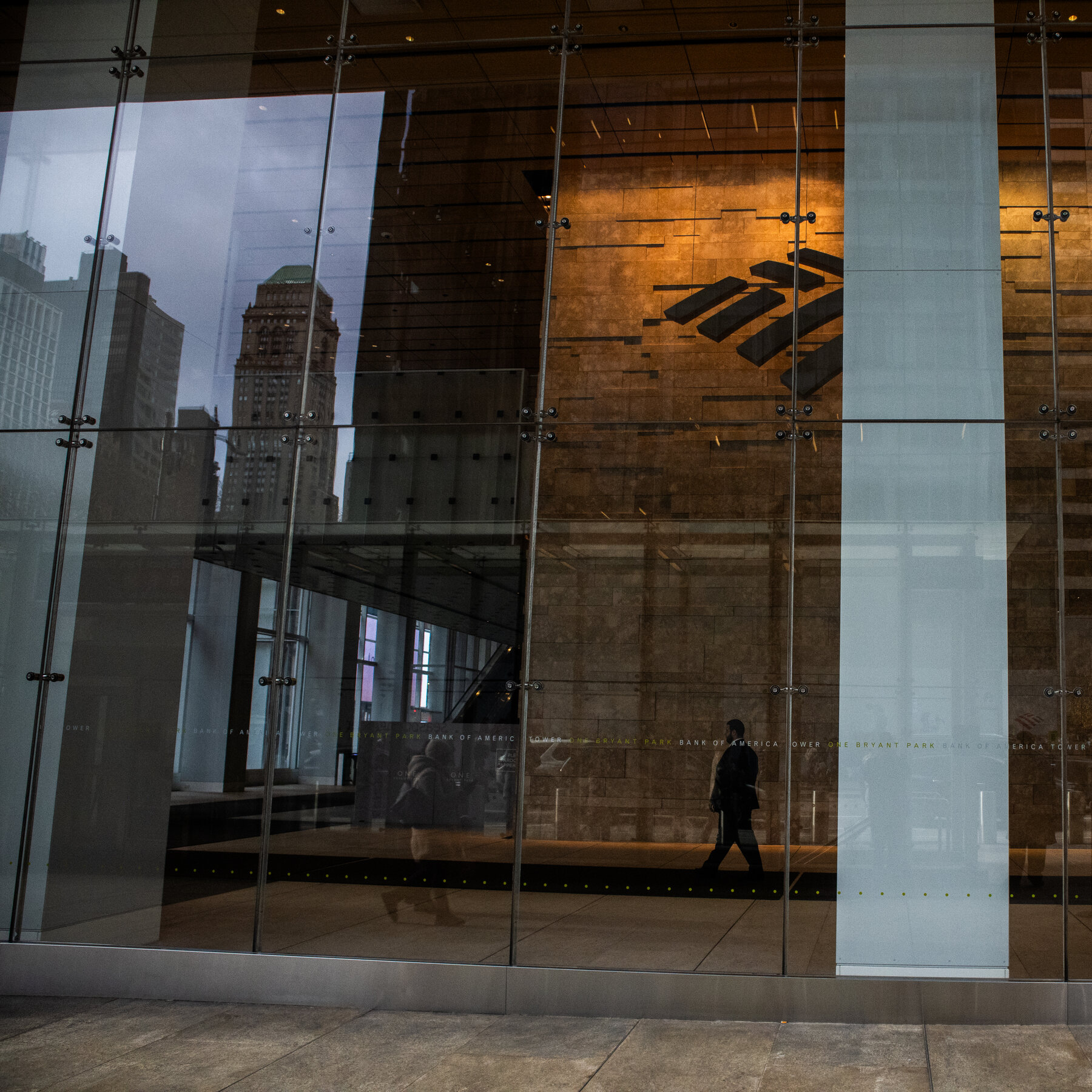
Bank of America has reached a $72.5 million settlement in a class-action lawsuit alleging the bank facilitated the sex trafficking operations of Jeffrey Epstein. Filed in New York federal court by an unidentified woman on behalf of herself and other alleged victims, the lawsuit claimed that Bank of America ignored "red flags" regarding Epstein's accounts. The plaintiffs accused the bank of "knowingly and intentionally" participating in Epstein's trafficking venture by continuing to provide him with banking and investment services despite suspicious activities.
Bank's Response
In a statement, Bank of America denied any wrongdoing but acknowledged that the settlement would provide closure for the plaintiffs. The bank's spokesperson stated, "While we stand by our prior statements... this resolution allows us to put this matter behind us." The settlement still requires court approval, with a hearing scheduled before a U.S. district judge.
Background of the Lawsuit
The lawsuit detailed harrowing experiences of one plaintiff, who described being coerced into a "cult-like life" under Epstein's control. She alleged that Epstein used a Bank of America account to pay her rent and other expenses while subjecting her to sexual abuse from 2011 until his death in 2019. The lawsuit accused the bank of ignoring a $170 million payment from billionaire financier Leon Black to Epstein.

For example, the lawsuit alleges that the plaintiff was subjected to sexual abuse by Epstein on at least 100 occasions from 2011 through 2019.

The sources also report that Bank of America allegedly failed to file suspicious activity reports (SARs) with federal authorities until after Epstein's death in 2019, despite being legally required to report suspicious account activity.
Previous Settlements and Legal Context
This settlement follows similar actions taken by other banks, including JPMorgan and Deutsche Bank, which both paid $75 million to settle related lawsuits in 2023. The Epstein case has drawn significant attention due to the high-profile connections Epstein had with various powerful individuals, including CEOs and politicians.

The sources also report that in 2025, the release of Epstein's documents triggered arrests of prominent figures, including a former UK prince and a former ambassador.
Implications for Victims and the Financial Sector
The settlement is seen as a step toward addressing the grievances of Epstein's victims, signaling a growing accountability within the financial sector for its role in facilitating such criminal activities. Banks are required by law to report suspicious activity in customer accounts to federal authorities.
Next Steps for Affected Parties
Following the proposed settlement, victims of Epstein's trafficking operation may find some measure of closure, but the ramifications of this case extend beyond financial restitution. The public and legal scrutiny on banks' roles in facilitating such operations is likely to increase, prompting potential changes in compliance practices. As the court reviews the settlement, victims and advocates alike await the outcome, hoping it will lead to greater accountability within the financial industry.
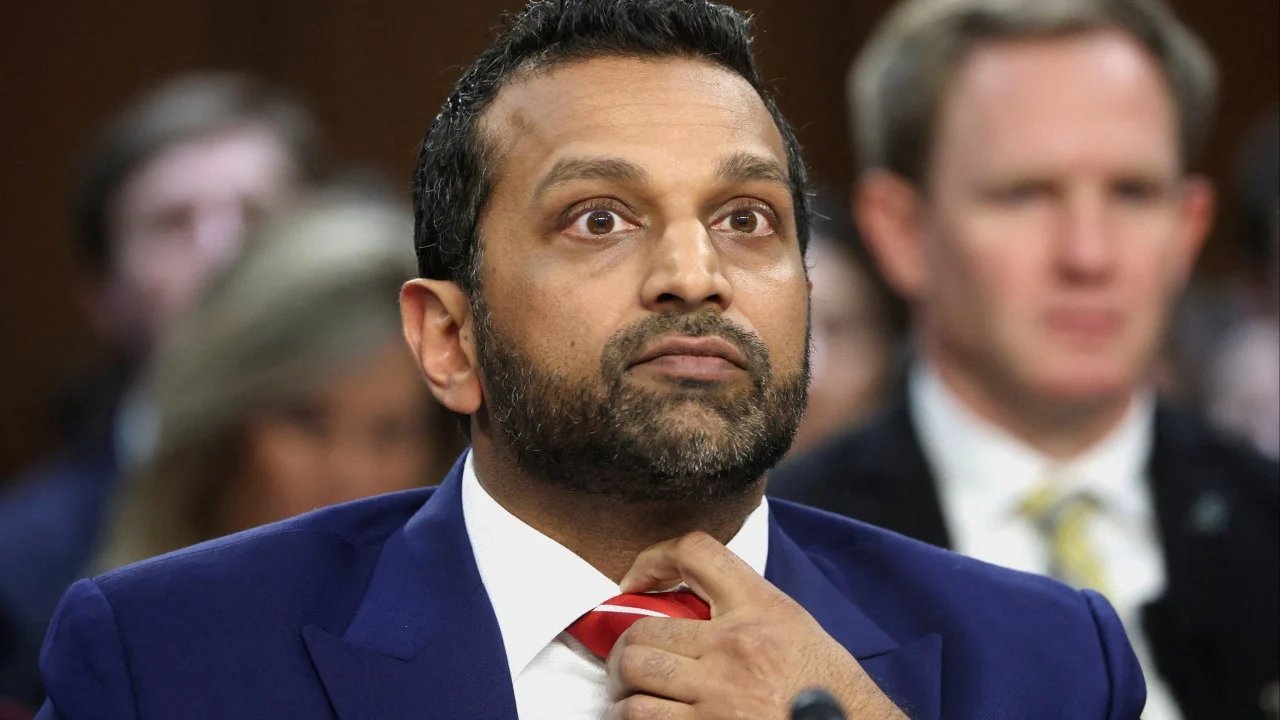

The lawsuit alleges Jeffrey Epstein paid the plaintiff's rent and income from a phony job through a Bank of America account, and controlled her immigration status until his death, according to CBS News.