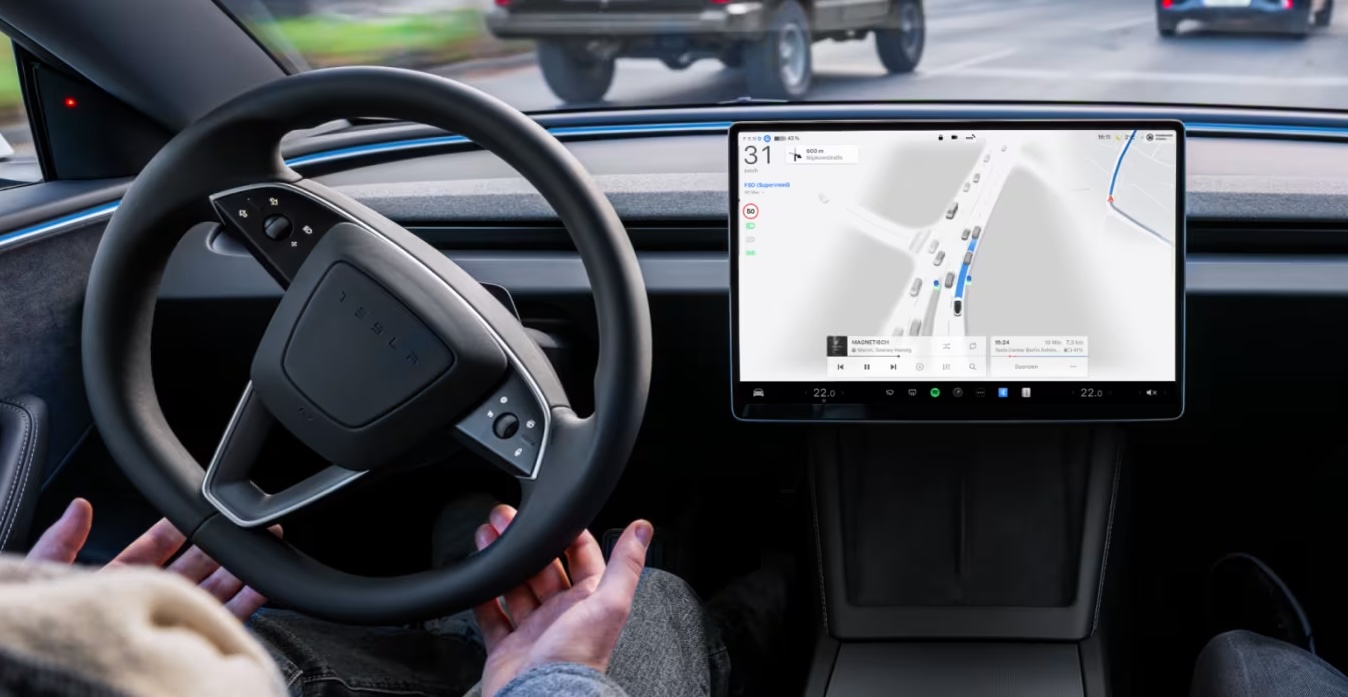
Tesla expects a decision regarding its self-driving technology in the Netherlands by April 10. This ruling could significantly influence the regulatory landscape for autonomous vehicles in Europe. The outcome may set precedents for how self-driving systems are integrated into existing traffic laws and safety regulations.
Tesla's approach to the Dutch decision reflects its broader European strategy. The company is preparing for potential outcomes as it awaits the ruling.
European regulators have been cautious about the deployment of self-driving technologies due to safety concerns. The European Union has been working on a framework to ensure that autonomous vehicles meet stringent safety standards before they can be fully operational on public roads. The decision from the Netherlands will likely reflect these regulatory priorities and could impact Tesla's operations in other EU countries.
Investors are closely monitoring the situation, as the ruling could affect Tesla's stock performance. Analysts suggest that a positive decision could lead to increased sales in Europe, a key market for the electric vehicle manufacturer. Conversely, a negative ruling might hinder Tesla's expansion plans and affect its competitive stance against other automakers developing similar technologies.
Public opinion on self-driving cars remains mixed. While many consumers are excited about the prospect of autonomous driving, others express concerns about safety and the potential for accidents.
As Tesla awaits the crucial decision, the company is preparing for potential outcomes. If the ruling is favorable, Tesla plans to ramp up its marketing efforts to promote its self-driving technology in the Netherlands and beyond. On the other hand, if the ruling imposes strict limitations, Tesla may need to adjust its product offerings or enhance its safety features to align with regulatory expectations.
The decision, just weeks away, could reshape the future of self-driving technology in Europe, impacting not only Tesla but the entire automotive industry.
Tesla is poised for a crucial decision regarding its self-driving technology in the Netherlands, with an announcement expected by April 10. This ruling could significantly influence the regulatory landscape for autonomous vehicles in Europe. The outcome may set precedents for how self-driving systems are integrated into existing traffic laws and safety regulations.
The company has expressed optimism about the decision, indicating that it could pave the way for broader acceptance of their Full Self-Driving (FSD) software. Tesla's FSD technology is currently in a beta testing phase, which has raised questions about its safety and reliability. The company believes that a favorable ruling could enhance consumer confidence in autonomous driving and expand its market share in Europe.
European regulators have been cautious about the deployment of self-driving technologies due to safety concerns. The European Union has been working on a framework to ensure that autonomous vehicles meet stringent safety standards before they can be fully operational on public roads. The decision from the Netherlands will likely reflect these regulatory priorities and could impact Tesla's operations in other EU countries.
Investors are closely monitoring the situation, as the ruling could affect Tesla's stock performance. Analysts suggest that a positive decision could lead to increased sales in Europe, a key market for the electric vehicle manufacturer. Conversely, a negative ruling might hinder Tesla's expansion plans and affect its competitive stance against other automakers developing similar technologies.
Public opinion on self-driving cars remains mixed. While many consumers are excited about the prospect of autonomous driving, others express concerns about safety and the potential for accidents. A recent survey indicated that 53% of respondents are hesitant to trust self-driving technology, highlighting the need for companies like Tesla to address these fears directly.
As Tesla awaits the crucial decision, the company is preparing for potential outcomes. If the ruling is favorable, Tesla plans to ramp up its marketing efforts to promote its FSD technology in the Netherlands and beyond. On the other hand, if the ruling imposes strict limitations, Tesla may need to adjust its product offerings or enhance its safety features to align with regulatory expectations.
The decision, just weeks away, could reshape the future of self-driving technology in Europe, impacting not only Tesla but the entire automotive industry.
Highlighted text was flagged by the council. Tap to see feedback.