




The crackdown begins
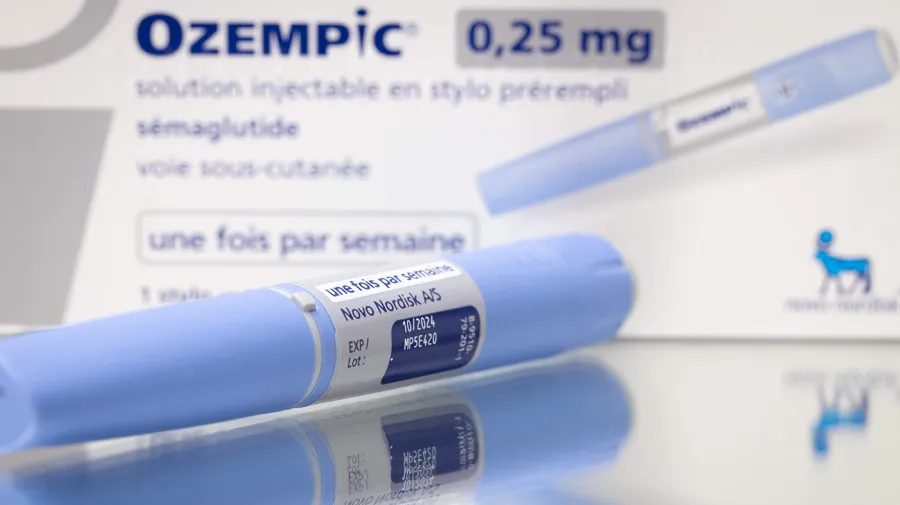
The Food and Drug Administration sent warning letters to 30 telehealth companies on Tuesday, ordering them to stop selling compounded GLP-1 medications that lack FDA approval. These companies made false or misleading claims about weight-loss drugs they sold online, according to the FDA, which is now escalating enforcement against a booming market of unapproved medications.
GLP-1 drugs like Ozempic and Wegovy have become enormously popular for weight loss in recent years. But telehealth platforms have capitalized on demand by selling cheaper compounded versions, which are custom-made medications that don't go through the FDA's approval process. The FDA says these compounded versions pose safety risks because they haven't been tested for purity, potency, or sterility.
What the FDA is demanding
The warning letters tell these companies to stop making false advertising claims, halt sales of illegal GLP-1 products, and correct any misleading statements they've already made to customers. The letters do not specify penalties or fines, but companies that ignore federal warnings face potential legal action, product seizures, and criminal charges.
The 30 companies targeted represent a small part of the telehealth market selling these drugs. But the action signals the FDA's intent to enforce rules that have been challenging to regulate as demand for weight-loss medications exploded. Patients seeking cheaper alternatives to brand-name drugs have flooded online platforms, many of which operate across state lines and use minimal medical oversight.
Why this matters for patients
If these companies comply, patients who relied on these compounded GLP-1s could lose access if the companies halt sales rather than come into compliance. Patients have cited cost as a barrier to brand-name GLP-1s, which can cost hundreds of dollars per month, and insurance coverage is limited. Compounded versions typically cost a fraction of that price, making them an affordable option for many patients.
The FDA's action also raises questions about what happens next. The FDA has not announced any additional steps to increase availability of lower-cost approved GLP-1 drugs. For now, patients who used compounded versions face disruption. The FDA says enforcement is necessary to protect against unapproved medications, while patients note that approved versions remain unaffordable for many.