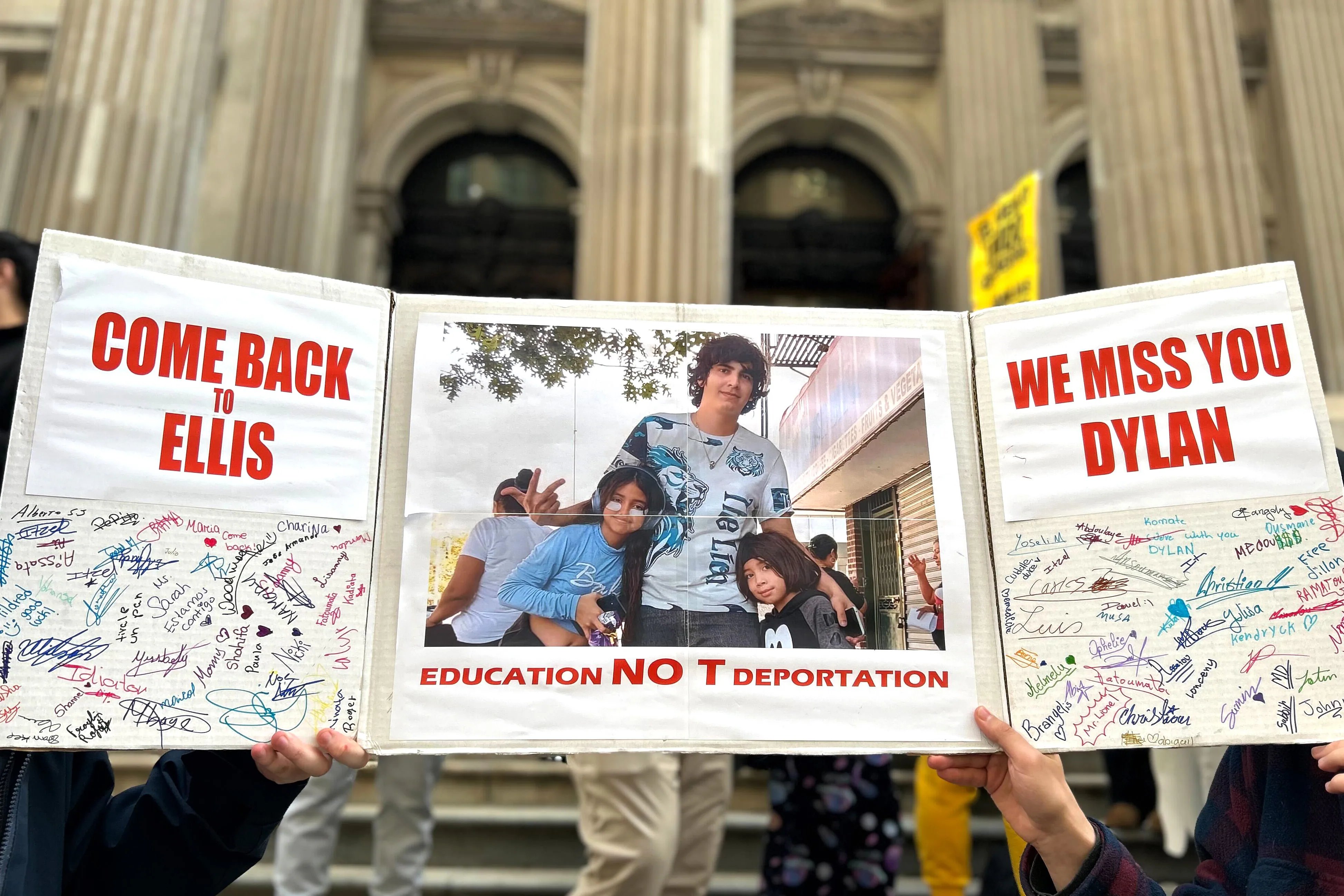
Dylan Lopez Contreras walked free from ICE detention last week after 10 months in custody. His release marks the end of a period that began with his arrest last year as a New York City public school student. This event spotlights how federal immigration actions can disrupt education and family life for individuals in similar situations.
The case represents the first reported instance of a public school student in the city taken by federal immigration agents since President Trump returned to office. Such detentions raise questions about protections for students and their impact on community trust in schools. Families nationwide may face similar uncertainties about safety and rights when interacting with authorities.
Authorities arrested Dylan Lopez Contreras last year in New York City while he attended public school. The incident involved federal immigration agents who targeted him directly. This action drew attention because it was the first of its kind in the city since President Trump returned to office.
Lopez Contreras endured conditions that included separation from his school and family.
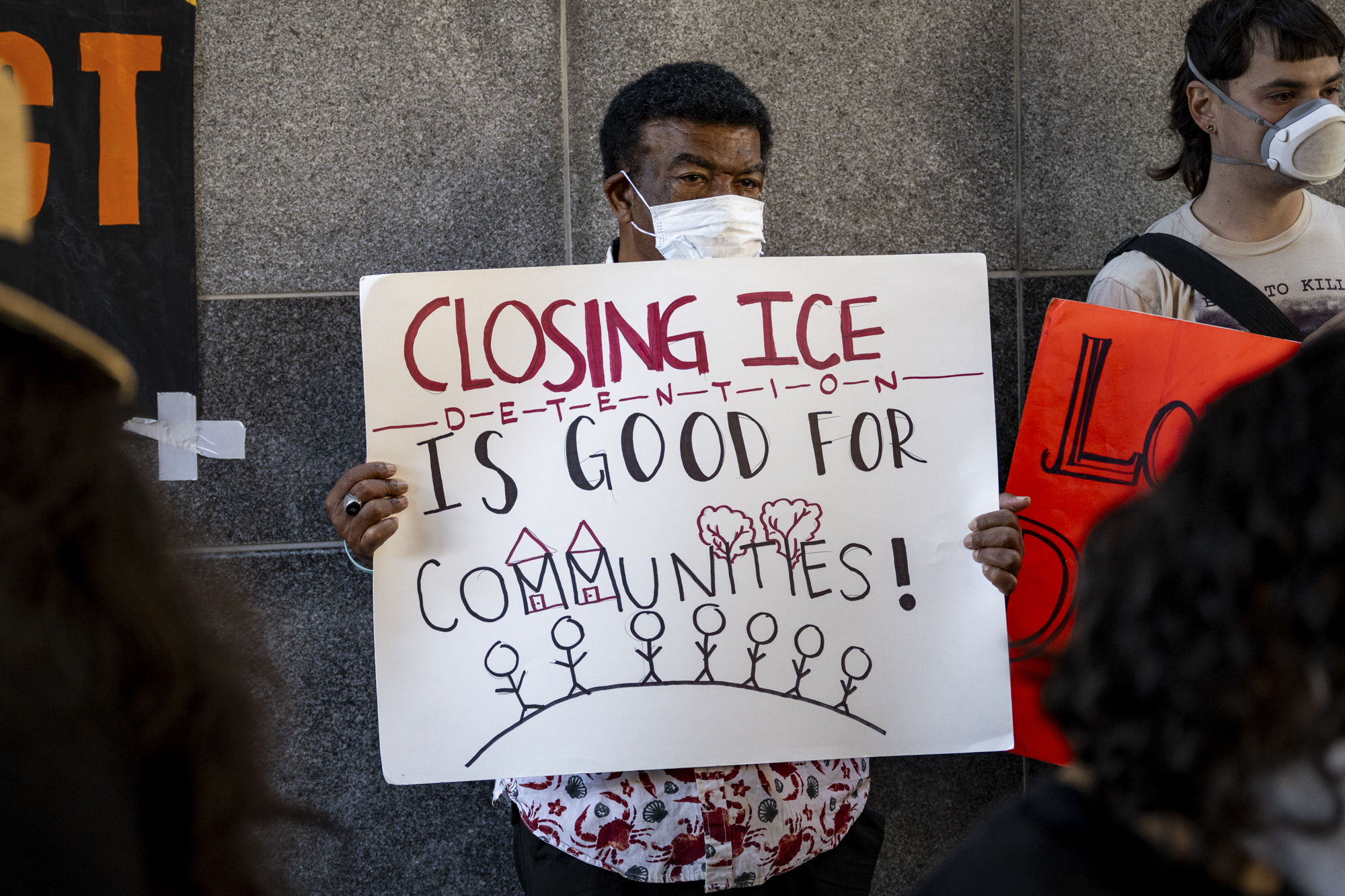
Utah residents protested after learning about ICE's secret detention center deal in their state. The plan involved building a new facility without public input, sparking widespread outrage. This reaction underscores growing unease with federal immigration enforcement.
Six in 10 Americans expressed the view that ICE has gone too far in its operations. Such sentiment emerged from recent surveys reflecting national attitudes toward enforcement practices. These opinions provide context for cases like Lopez Contreras, where individual detentions fuel broader debates.
Public school students in various locations now navigate an environment where federal agents can intervene abruptly. The Utah situation revealed efforts to keep such plans hidden, mirroring the surprise of Lopez Contreras's arrest. These trends indicate potential risks for people in everyday settings like schools.
Lopez Contreras's release allows him to return to his high school and family in New York City. His 10 months in detention meant missing classes and family events, creating lasting effects on his daily life. Other families might prepare for similar disruptions by seeking legal advice or community support.
ICE's actions, as seen in the Utah deal, could lead to more stories like Lopez Contreras's in the future. This outcome emphasizes the need for individuals to stay informed about their rights during interactions with federal agents.
Dylan Lopez Contreras walked free from ICE detention last week after 10 months in custody. His release marks the end of a period that began with his arrest last year as a New York City public school student. This event spotlights how federal immigration actions can disrupt education and family life for individuals in similar situations.
The case represents the first reported instance of a public school student in the city taken by federal immigration agents since President Trump returned to office. Such detentions raise questions about protections for students and their impact on community trust in schools. Families nationwide may face similar uncertainties about safety and rights when interacting with authorities.
Authorities arrested Dylan Lopez Contreras last year in New York City while he attended public school. The incident involved federal immigration agents who targeted him directly. This action drew attention because it was the first of its kind in the city since President Trump returned to office.
The detention lasted 10 months and involved standard ICE procedures. Lopez Contreras endured conditions that included separation from his school and family. His experience highlights specific procedures used by agents in similar cases across the country.
Utah residents protested after learning about ICE’s secret detention center deal in their state. The plan involved building a new facility without public input, sparking widespread outrage. This reaction underscores growing unease with federal immigration enforcement.
Six in 10 Americans expressed the view that ICE has gone too far in its operations. Such sentiment emerged from recent surveys reflecting national attitudes toward enforcement practices. These opinions provide context for cases like Lopez Contreras, where individual detentions fuel broader debates.
ICE’s secret detention center deal in Utah parallels the circumstances of Lopez Contreras’s case by showing patterns in federal operations. The deal aimed to expand capacity for holding individuals, similar to the setup that held Lopez Contreras for 10 months. This expansion affects how agents manage cases involving students and others.
Public school students in various locations now navigate an environment where federal agents can intervene abruptly. The Utah situation revealed efforts to keep such plans hidden, mirroring the surprise of Lopez Contreras’s arrest. These trends indicate potential risks for people in everyday settings like schools.
Lopez Contreras’s release allows him to return to his high school and family in New York City. His 10 months in detention meant missing classes and family events, creating lasting effects on his daily life. Other families might prepare for similar disruptions by seeking legal advice or community support.
The first reported case of this type in the city since President Trump returned to office serves as a warning for parents and students. ICE’s actions, as seen in the Utah deal, could lead to more stories like Lopez Contreras’s in the future. This outcome emphasizes the need for individuals to stay informed about their rights during interactions with federal agents.
Highlighted text was flagged by the council. Tap to see feedback.