The legislation, which passed the House last month, introduces new proof-of-citizenship requirements for voter registration.
The SAVE America Act mandates that states use a Department of Homeland Security system to verify the citizenship status of individuals on voter rolls. Ceridwen Cherry, legal director of VoteRiders, stated that "any change to the registration would require documents to prove citizenship under the SAVE America Act."
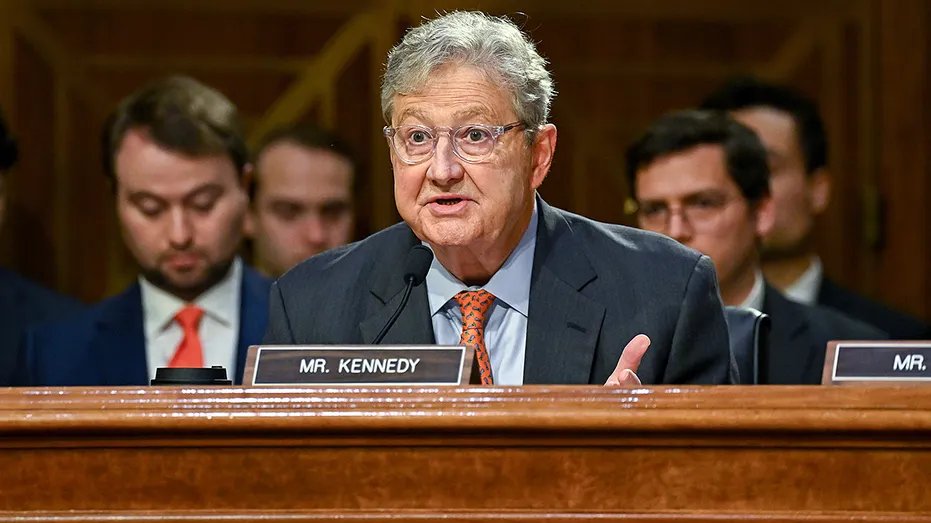
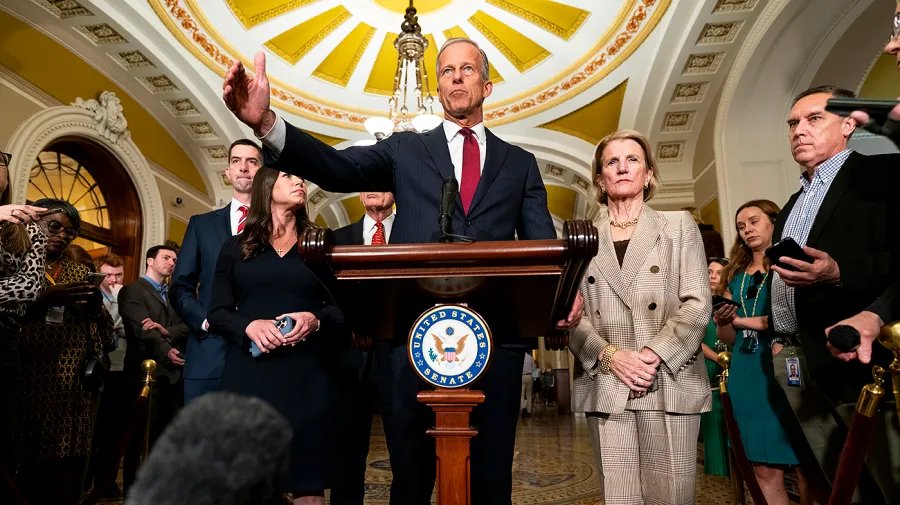
Debate within the Republican party on how strongly to push for the SAVE America Act has become a "circular firing squad," according to Senate Republicans. Kennedy admitted that he is "in the minority on this," but joked that "sometimes the majority just means all the fools are on the same side."
While the SAVE America Act faces challenges in the Senate, several Republican-led states are pursuing similar legislation. Proof-of-citizenship bills are currently on governors' desks in Florida, South Dakota, and Utah. These states would join Louisiana, New Hampshire, and Wyoming, which have already passed similar laws.
President Trump has advocated for adding measures to the SAVE America Act, including a ban on most mail-in voting. Trump has also proposed including bans on transgender women in women's sports and gender-affirming surgeries for minors. Senator Eric Schmitt introduced an amendment to include all five parts in the final legislation.
David Becker, founder of the Center for Election Innovation & Research, said it was "extremely unlikely, if not impossible, that this passes." Becker estimates the legislation would cost "tens, perhaps hundreds of millions of dollars." The Bipartisan Policy Center found that 12% of registered voters lack either a passport or a birth certificate along with a government-issued photo ID.
Opponents argue that the SAVE America Act could disenfranchise millions of Americans who lack easy access to citizenship documents. Wendy Weiser, vice president for democracy at the Brennan Center, raised concerns about criminal penalties for election officials in the bill. The legislation requires states to establish a process for those registrations with name discrepancies.
A February Harvard CAPS/Harris poll indicated that 71% of registered voters support the SAVE America Act. The poll also found that 81% of registered voters support voter ID requirements. A Pew Research Center poll from August found that 83% of those asked were in favor of a requirement for everyone to show government-issued photo identification before voting.
With the SAVE America Act facing significant obstacles in the Senate, individuals can contact their senators to voice their opinions on the proposed legislation.
The Senate began debating the Safeguard American Voter Eligibility (SAVE America) Act on March 17, a Republican-backed bill focused on voter identification and registration. The legislation, which passed the House last month, introduces new proof-of-citizenship requirements for voter registration. The SAVE America Act requires people to present citizenship documents in person to election officials, even if they are registering by mail.
The SAVE America Act mandates that states use a Department of Homeland Security system to verify the citizenship status of individuals on voter rolls. Ceridwen Cherry, legal director of VoteRiders, stated that "any change to the registration would require documents to prove citizenship under the SAVE America Act." A 2023 survey by the Brennan Center for Justice found that 21.3 million voting-age Americans do not have easy access to citizenship documents.
Debate within the Republican party on how strongly to push for the SAVE America Act has become a "circular firing squad," according to Senate Republicans. Senator John Kennedy suggested reworking the SAVE America Act for budget reconciliation to bypass the filibuster with a simple majority vote. Kennedy admitted that he is "in the minority on this," but joked that "sometimes the majority just means all the fools are on the same side."
While the SAVE America Act faces challenges in the Senate, several Republican-led states are pursuing similar legislation. Proof-of-citizenship bills are currently on governors' desks in Florida, South Dakota, and Utah. These states would join Louisiana, New Hampshire, and Wyoming, which have already passed similar laws. Florida's bill would not take effect until 2027.
President Trump has advocated for adding measures to the SAVE America Act, including a ban on most mail-in voting. Trump has also proposed including bans on transgender women in women's sports and gender-affirming surgeries for minors. Senator Eric Schmitt introduced an amendment to include all five parts in the final legislation.
David Becker, founder of the Center for Election Innovation & Research, said it was "extremely unlikely, if not impossible, that this passes." Becker estimates the legislation would cost "tens, perhaps hundreds of millions of dollars." The Bipartisan Policy Center found that 12% of registered voters lack either a passport or a birth certificate along with a government-issued photo ID.
Opponents argue that the SAVE America Act could disenfranchise millions of Americans who lack easy access to citizenship documents. Wendy Weiser, vice president for democracy at the Brennan Center, raised concerns about criminal penalties for election officials in the bill. The legislation requires states to establish a process for those registrations with name discrepancies.
A February Harvard CAPS/Harris poll indicated that 71% of registered voters support the SAVE America Act. The poll also found that 81% of registered voters support voter ID requirements. A Pew Research Center poll from August found that 83% of those asked were in favor of a requirement for everyone to show government-issued photo identification before voting.
With the SAVE America Act facing significant obstacles in the Senate, individuals can contact their senators to voice their opinions on the proposed legislation.
Highlighted text was flagged by the council. Tap to see feedback.






The sources also report that South Dakota and Utah's bills would take effect before this year's midterms, while Florida's would not until 2027.