
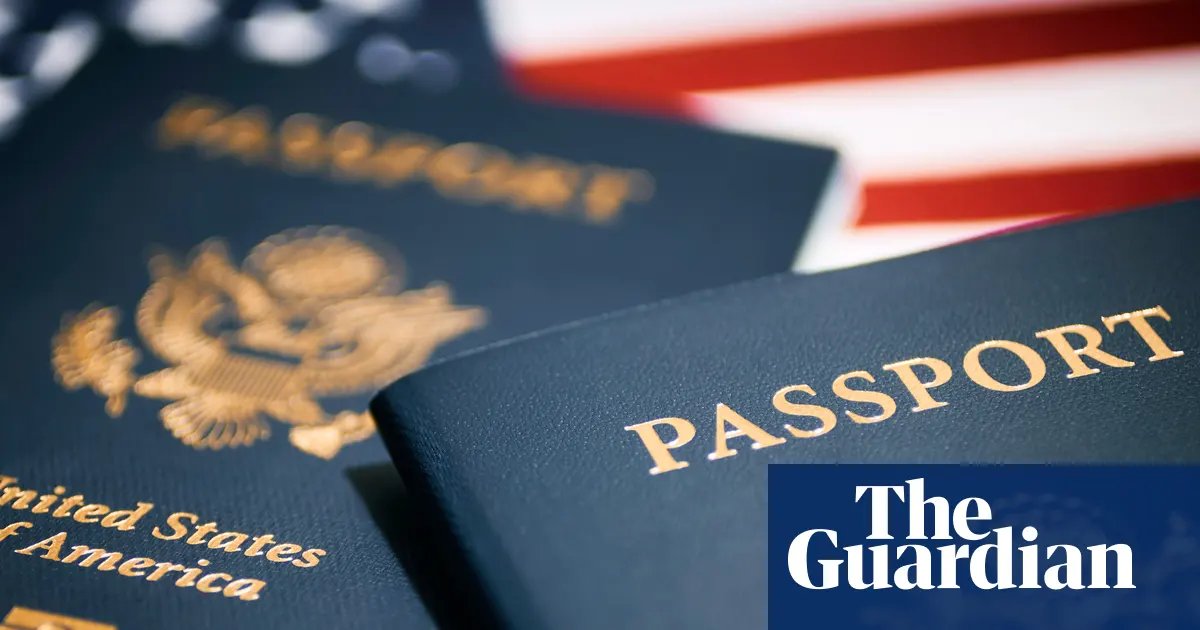



A financial barrier crumbles
The Trump administration will cut the fee to renounce U.S. citizenship from $2,350 to $450 starting April 12, an 80% reduction that the government acknowledges will cost it money. The new fee falls below the actual cost to process renunciation requests, yet the State Department decided the policy change was worth the financial loss. In announcing the decision through a final rule published to the federal register, the department cited "the affected public's concerns regarding the cost of the fee" and acknowledged "tax-related difficulties many US nationals residing abroad encounter."

The sources also report that this fee reduction follows US passports falling out of the top 10 most powerful, as measured by the Henley Passport Index in October.
Who wants to leave
The number of Americans formally renouncing citizenship has climbed sharply. In 2024, 4,820 people obtained a Certificate of Loss of Nationality, the third highest annual total on record according to Internal Revenue Service figures. The spike accelerated after Donald Trump's first presidency began in 2017, when applications surged immediately. Political changes in the U.S. drive many cases, but Americans overseas cite another persistent frustration: tax rules that require "accidental Americans" to file annual IRS returns.
Accidental Americans are people who acquired U.S. citizenship through birth in the country or through parents but have lived most or all of their lives abroad. These individuals face banking obstacles, mortgage denials, and investment restrictions in their countries of residence because of their complicated tax position. Millions live overseas, with estimates exceeding half a million in Europe alone.
The backlog problem
An analysis by the Outbound Investment Group in May found a global backlog for renunciation appointments exceeding 30,000, with applications arriving faster than the government could process them. The cumbersome application process often lasts months to more than a year. The government's efforts to manage the surge resembled "a game of Whac-A-Mole," according to the analysis, with new requests constantly outpacing completed cases.
The IRS expatriation list, which tracks renunciations, likely undercounts the true number because it covers only applicants whose net worth exceeds $2 million.
The cost of waiting
Since 2023, when the Biden administration first announced plans to reduce the fee, at least 8,755 individuals paid the full $2,350 amount, generating more than $20.5 million in what Fabien Lehagre, founder of the International Association of Accidental Americans, called "unjustified revenue." Lehagre said many affected people remained unaware of their U.S. nationality until they encountered obstacles opening bank accounts or obtaining mortgages in their home countries.

The sources also report that Fabien Lehagre's group filed successive lawsuits pressing the State Department to act.
The association welcomed the fee reduction as a "historic victory after six years of relentless legal action and advocacy," though Lehagre emphasized the fight continues. "This fee reduction is a concrete first victory, but our fight to have the right to renounce recognized as a fundamental constitutional right continues," he said.
High-profile cases
Two British prime ministers faced the renunciation issue. Boris Johnson, born in New York in 1964, renounced his citizenship in 2016 as one of 5,411 individuals that year. Rishi Sunak, a U.S. permanent resident subject to the same tax rules, came under criticism for not surrendering his green card until 2021.

The Guardian source clearly states the effective date is 12 April, not 13 April. This is a factual error.