




The deal that changes India's energy future
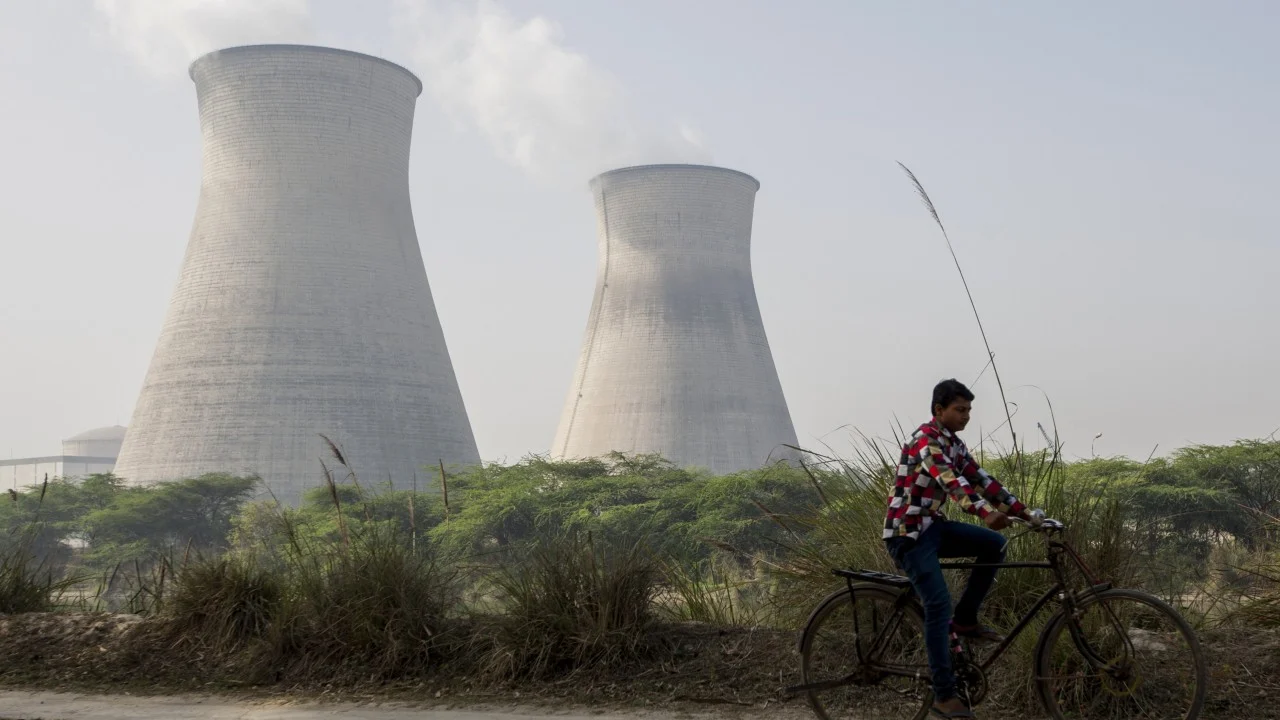
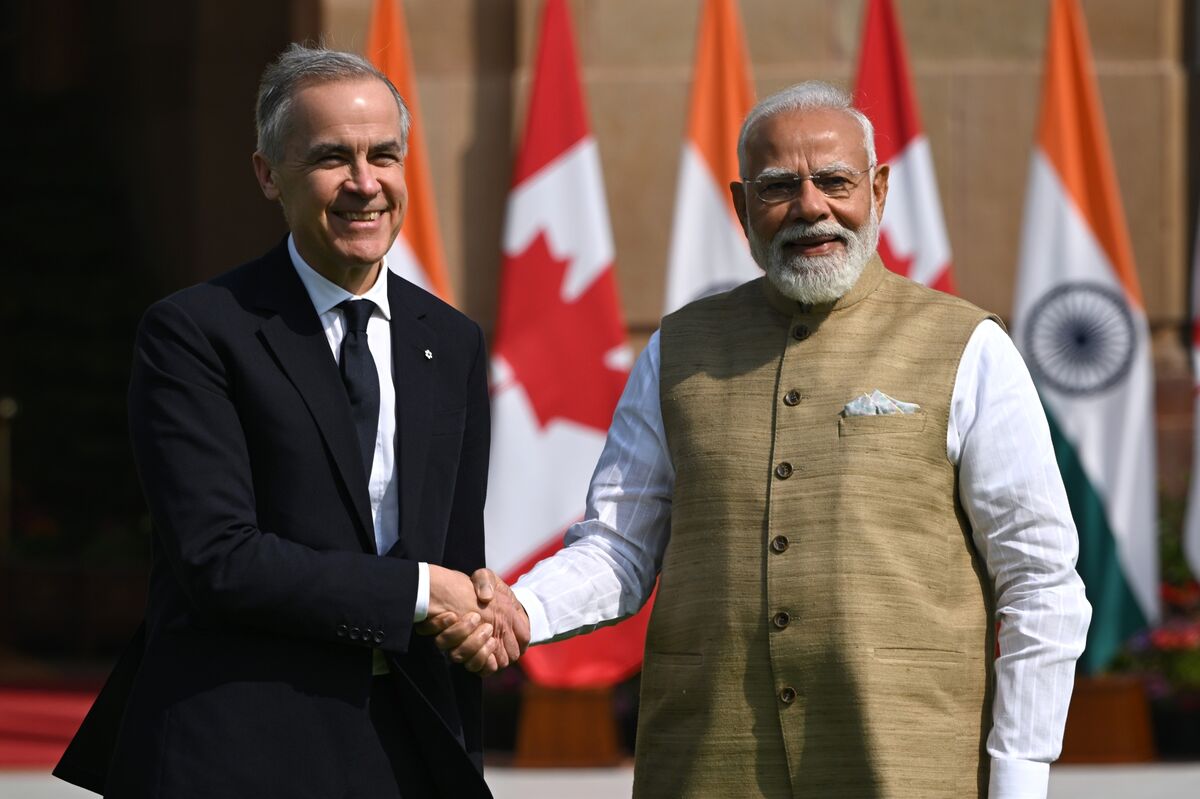
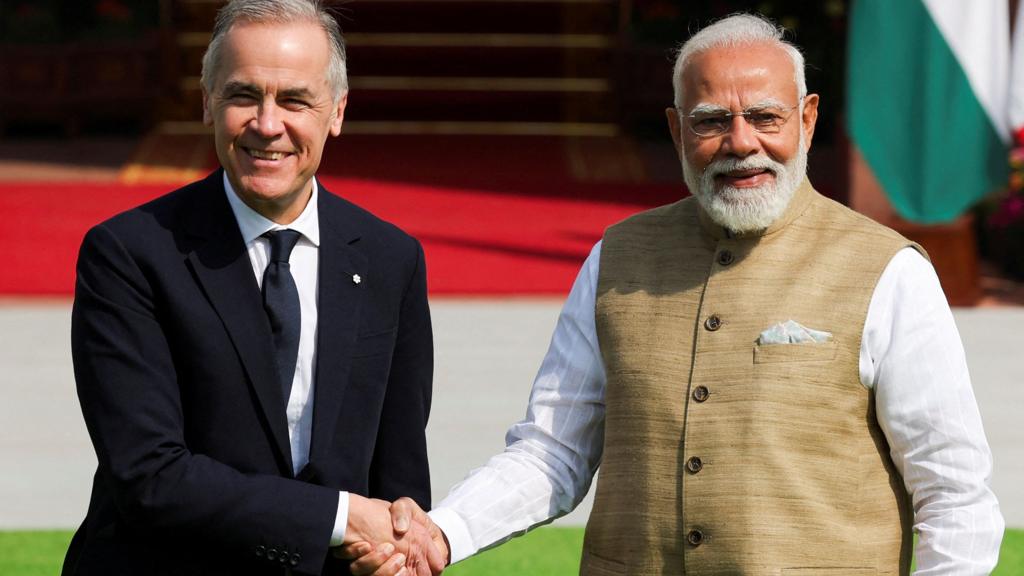
India has secured a key fuel supply to help expand its nuclear power capacity. When Canadian Prime Minister Mark Carney met Indian counterpart Narendra Modi in New Delhi, the two countries signed a 10-year uranium supply agreement alongside a broader package of deals aimed at resetting diplomatic ties between the nations. For India, this is the missing piece of an ambitious energy puzzle: the country wants 100 gigawatts of nuclear capacity by mid-century but currently operates only 8 gigawatts. Domestic uranium production alone cannot bridge that gap. Canada's commitment to supply the fuel fills that structural constraint.
Why this matters for global energy
India's nuclear ambition is not abstract. The country seeks massive new power sources to fuel economic growth and aims to lower carbon emissions, a strategy debated by experts over cost, waste, and speed. Building reactors requires capital, technology, and political will. But without reliable uranium imports, those reactors sit idle. Canada, one of the world's largest uranium producers, becomes a key supplier helping India meet that demand. Analysts describe the agreement as a structural commitment intended to establish long-term cooperation rather than making a one-off transaction.
Resetting a fractured relationship
The nuclear deal arrives as India and Canada work to repair diplomatic damage. The two countries have experienced recent tensions. This agreement signals a shift toward deeper economic and energy cooperation. The broader package of deals announced during Carney's visit includes agreements aimed at enhancing economic and energy cooperation. For India, the relationship provides access to critical fuel supplies needed for nuclear expansion. For Canada, it opens a major market for its uranium exports.
What happens next
The 10-year framework gives both countries time to build infrastructure and supply chains. India can now move forward with nuclear expansion plans knowing fuel will be available. Canada gains a long-term customer for one of its most valuable exports. The agreement may signal to other nations that India is serious about nuclear energy as a cornerstone of its energy strategy, potentially influencing how other countries approach their own nuclear ambitions.