




Rising fuel costs hit households and businesses
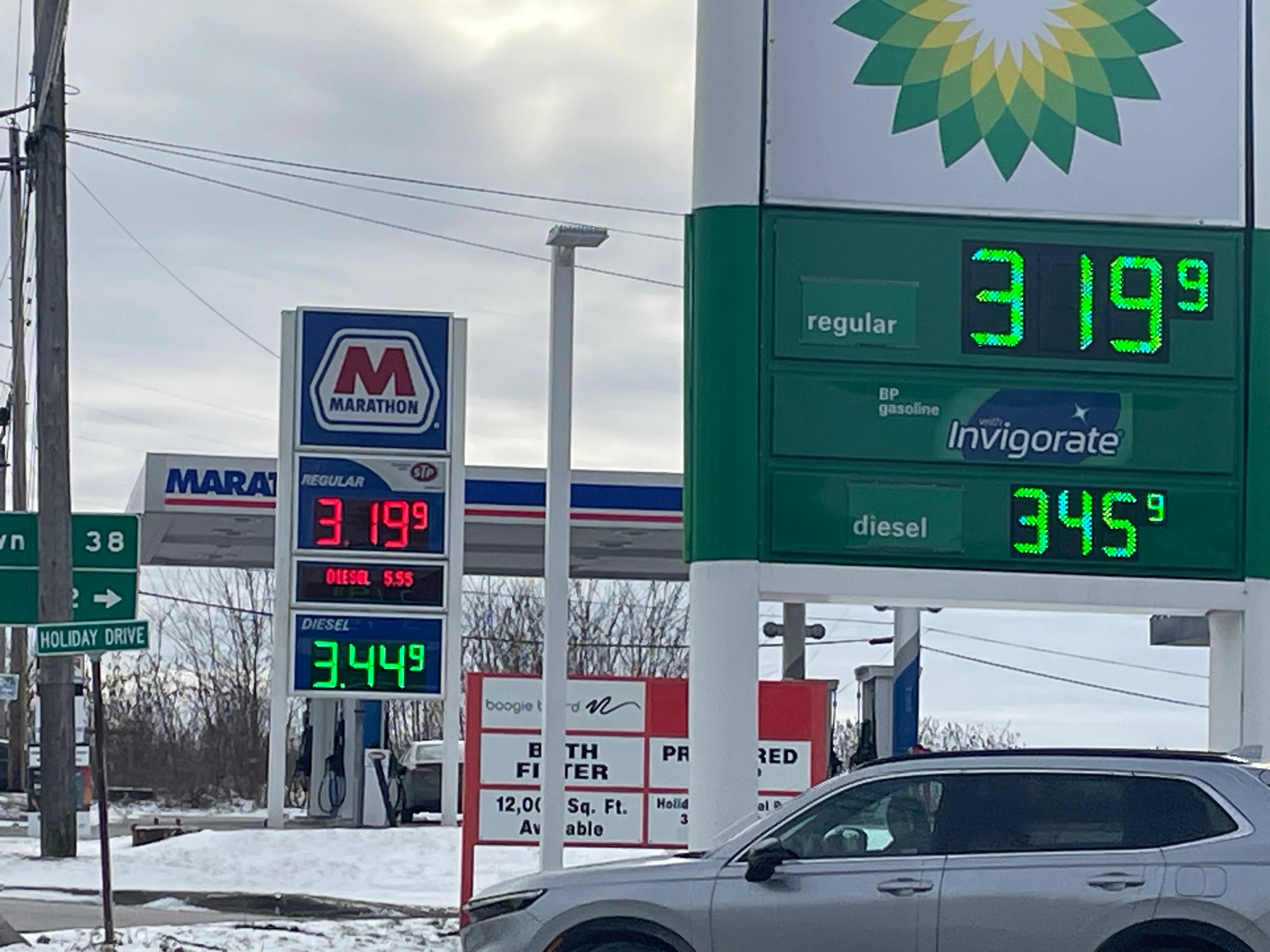
Diesel prices are climbing as geopolitical tensions reshape energy markets across the country. The increases threaten to ripple through transportation networks and consumer prices, affecting households that depend on trucking, heating, and delivery services.
Americans brace for further increases
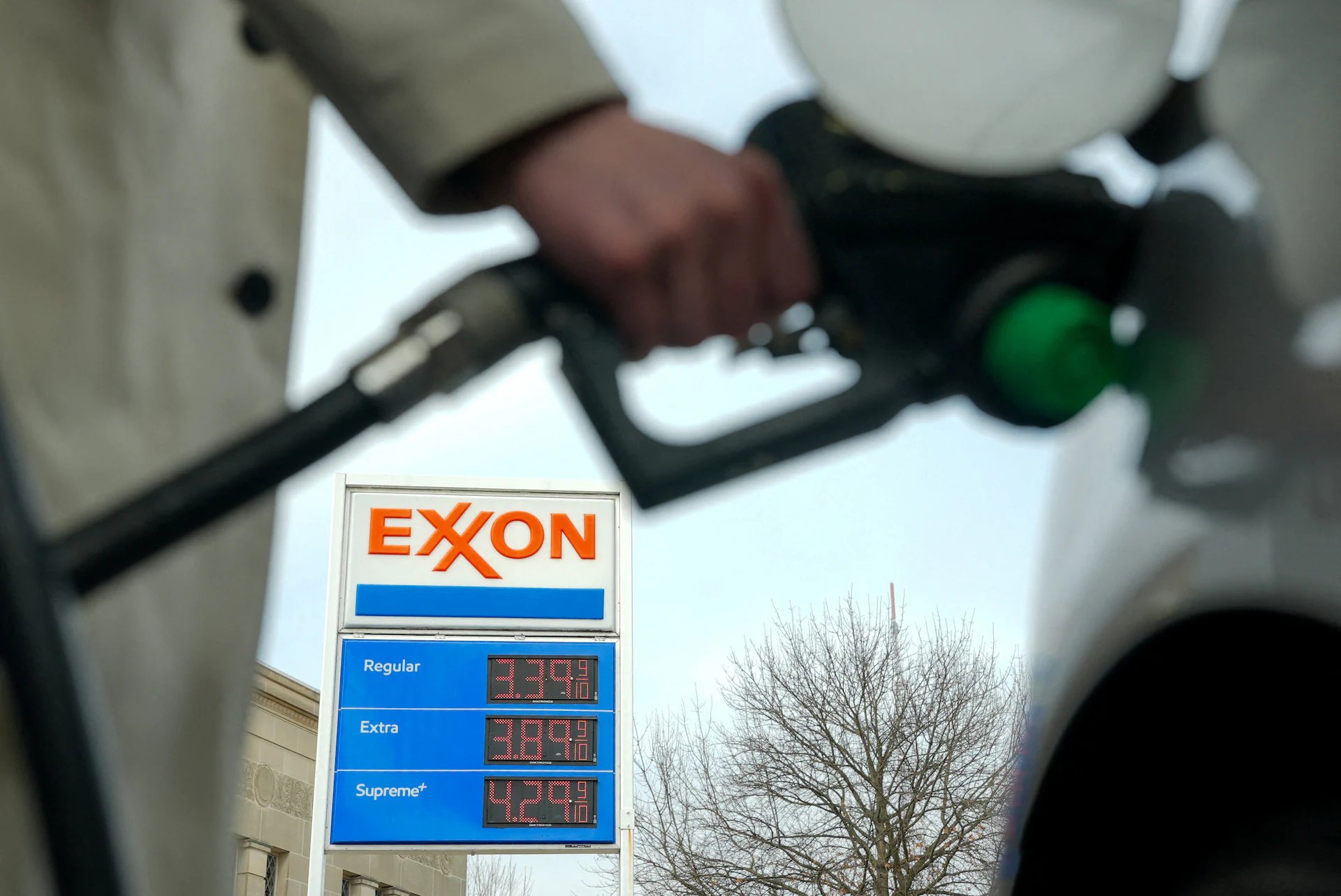
An overwhelming majority of Americans expect fuel costs to keep rising in the coming weeks. According to a Reuters/Ipsos poll released Friday, 87 percent of Americans believe gas prices will go higher over the next month. Only 11 percent say they think prices will stabilize or decline.
The polling reflects widespread anxiety about the economic strain triggered by the U.S.-Israeli conflict with Iran. Diesel, which powers trucks, buses, and industrial equipment, carries particular weight in the supply chain. When diesel costs rise, those expenses eventually reach consumers through higher prices on goods and services.
Why diesel matters more than gasoline
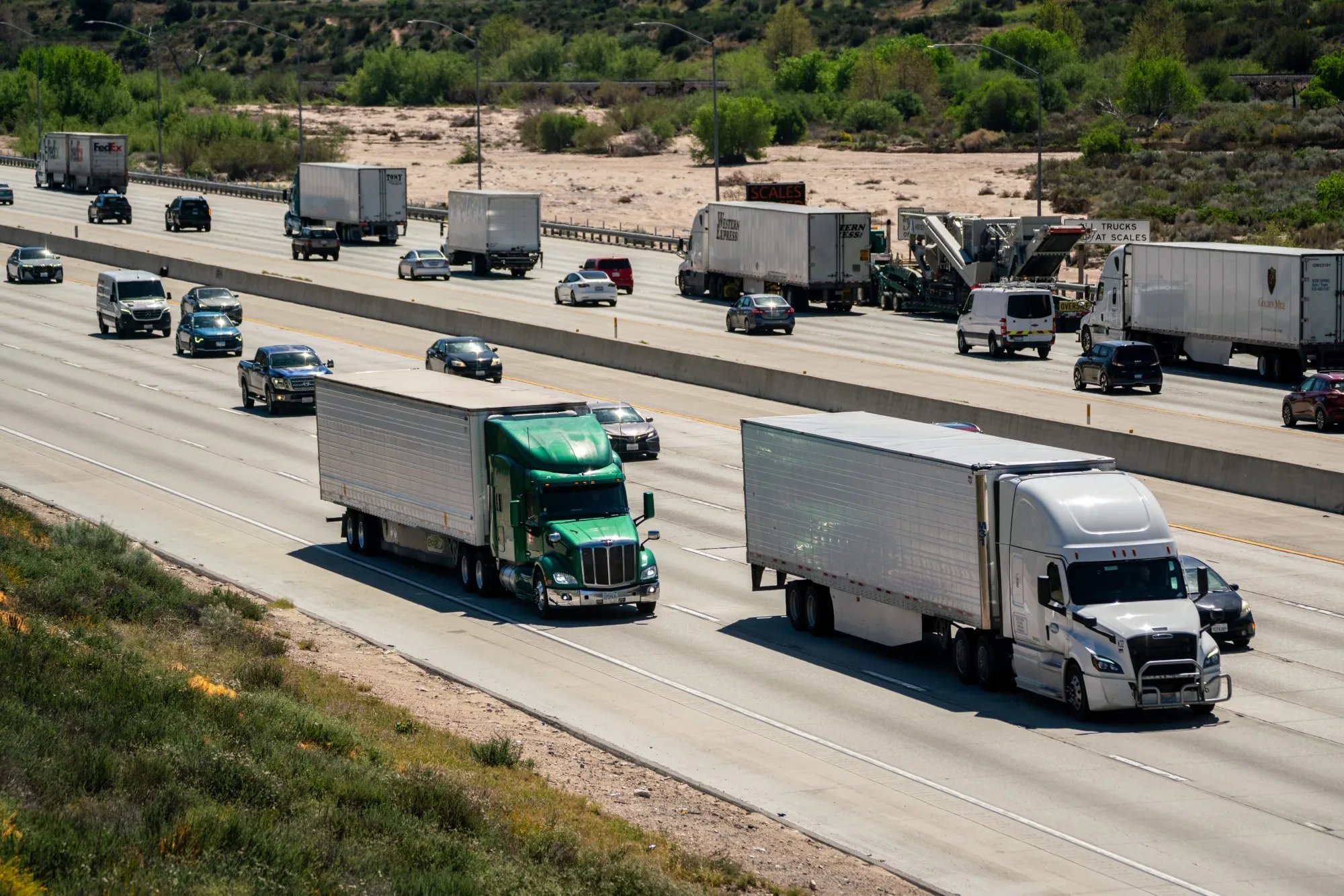
Diesel carries particular weight in the supply chain because it fuels the vehicles that move products from factories to warehouses to stores. It powers the trucks that deliver packages to doorsteps and haul goods across highways.
A sustained increase in diesel costs forces trucking companies to raise their rates, which manufacturers and retailers pass along to consumers. Heating oil, which tracks closely with diesel prices, also affects families in colder regions who depend on it during winter months. The cumulative effect touches nearly every sector of the economy, from agriculture to construction to retail.