Ecolab agreed to purchase CoolIT for $4.75 billion, aiming to capitalize on the booming demand for AI data center cooling solutions. The deal allows Ecolab to strengthen its position in a market where efficient cooling is essential for high-performance computing.
BofA noted that investors are buying dips in stocks and bonds, a trend that could influence funding for tech acquisitions like Ecolab's. This behavior reflects a broader strategy where market dips prompt investments in sectors such as AI infrastructure.
The Intercept reported that Iran's drone strikes targeted Amazon-owned data centers in the United Arab Emirates and Bahrain, citing their role in supporting military activities. Experts like León Castellanos-Jankiewicz from the Asser Institute explained that data centers become legal military targets if they contribute to warfare, such as through cloud services for the Pentagon.
Jeff Bezos announced plans for Project Sunrise, a constellation of up to 51,600 satellites to create space-based data centers, addressing the challenges of scaling terrestrial AI infrastructure. Masayoshi Son of SoftBank described a $500 billion data center project in Ohio, underscoring the massive investments in AI capabilities.
Defense Secretary Pete Hegseth requested $200 billion more for military operations, partly to integrate AI tools that rely on data centers. The Intercept detailed how companies like Amazon and Google provide cloud services to the Pentagon, blurring lines between civilian and military uses. This overlap means everyday tech users might face higher costs or disruptions if data centers become conflict zones.
Anthropic's Claude model, built using 500,000 chips in an Amazon data center, accelerates military applications like airstrikes. Ioannis Kalpouzos from Harvard Law noted that such facilities are targetable if actively supporting operations. This trend signals that AI data center expansion could lead to more secure but costlier digital services for the public.
Ecolab agreed to purchase CoolIT for $4.75 billion, aiming to capitalize on the booming demand for AI data center cooling solutions. The deal allows Ecolab to strengthen its position in a market where efficient cooling is essential for high-performance computing. This acquisition directly affects consumers by potentially lowering costs for AI-driven services that power everyday applications like online shopping and search engines.
Bank of America noted that investors are buying dips in stocks and bonds, a trend that could influence funding for tech acquisitions like Ecolab's. This behavior reflects a broader strategy where market dips prompt investments in sectors such as AI infrastructure. Such moves impact individual portfolios by providing chances to invest in companies expanding into data centers.
The Intercept reported that Iran's drone strikes targeted Amazon-owned data centers in the United Arab Emirates and Bahrain, citing their role in supporting military activities. Experts like León Castellanos-Jankiewicz from the Asser Institute explained that data centers become legal military targets if they contribute to warfare, such as through cloud services for the Pentagon. This development raises concerns for communities near data centers, as it could expose civilian infrastructure to risks.
Jeff Bezos announced plans for Project Sunrise, a constellation of up to 51,600 satellites to create space-based data centers, addressing the challenges of scaling terrestrial AI infrastructure. Masayoshi Son of SoftBank described a $500 billion data center project in Ohio, underscoring the massive investments in AI capabilities. These initiatives by Bezos and Son could alter global data access, affecting users through improved reliability for online services.
Defense Secretary Pete Hegseth requested $200 billion more for military operations, partly to integrate AI tools that rely on data centers. The Intercept detailed how companies like Amazon and Google provide cloud services to the Pentagon, blurring lines between civilian and military uses. This overlap means everyday tech users might face higher costs or disruptions if data centers become conflict zones.
Anthropic's Claude model, built using 500,000 chips in an Amazon data center, accelerates military applications like airstrikes. Ioannis Kalpouzos from Harvard Law noted that such facilities are targetable if actively supporting operations. This trend signals that AI data center expansion could lead to more secure but costlier digital services for the public.
Highlighted text was flagged by the council. Tap to see feedback.

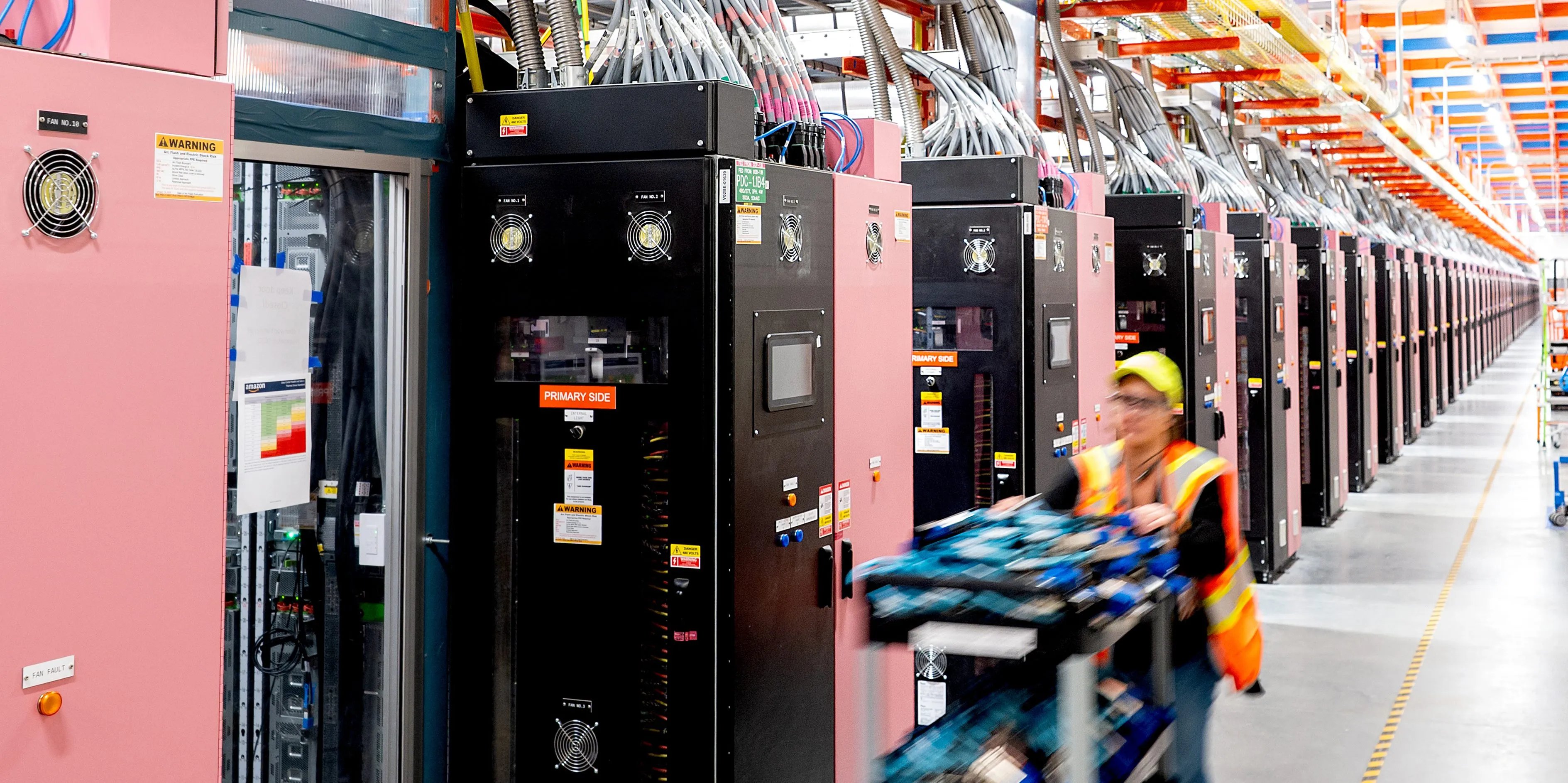







The sources also report that Iranian media listed data centers owned by Microsoft and Google as 'Enemy Technology Infrastructure' for potential targeting.