U.S. Sanctions Rwanda for Sabotaging Trump-Brokered Peace Deal
Revised after bias review
 Council News





U.S. Slaps Sanctions on Rwanda, Saying It Sabotaged Trump Peace Deal. This is a change in international relations.
The U.S. has imposed sanctions on Rwanda for its involvement in sabotaging a peace deal, marking a significant diplomatic and economic shift in U.S.-Rwanda relations.
The U.S. imposed sanctions on Rwandan officials, directly affecting their financial operations and international trade relations.
The U.S. imposed new sanctions on Rwanda for sabotaging a Trump-brokered peace deal, altering diplomatic and economic relations with the country.
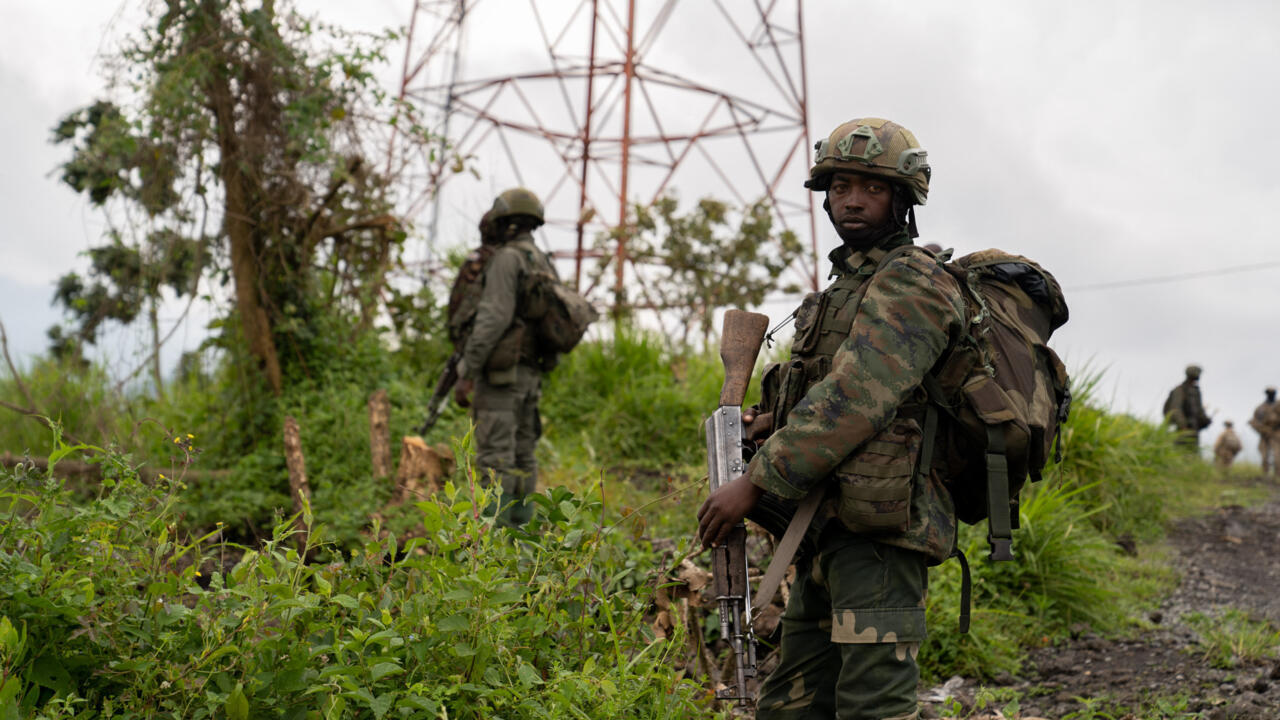
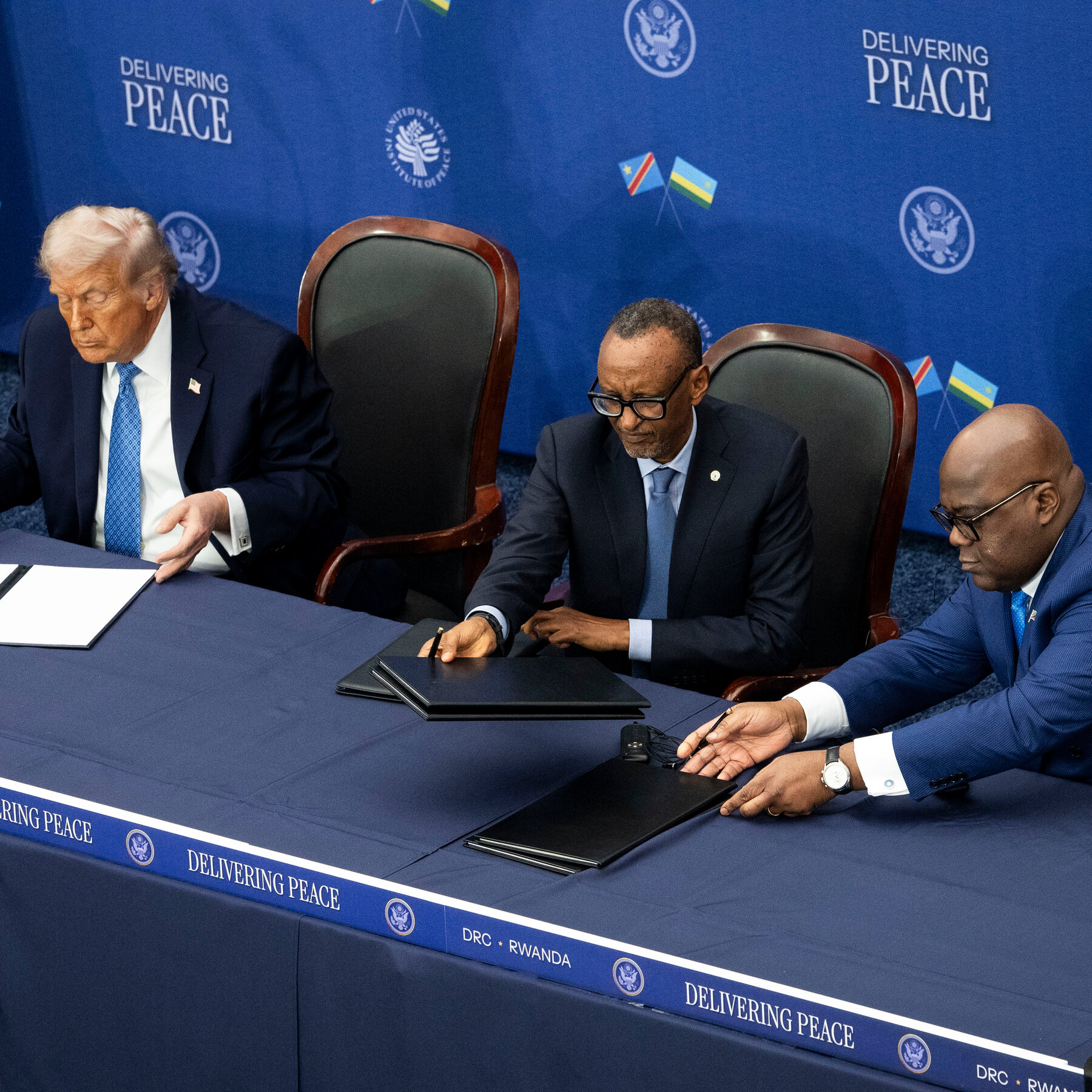
The United States imposed sanctions on Rwanda's military and top commanders, accusing the country of violating a peace agreement signed in December under the Trump administration. The sanctions target Rwanda's military leadership directly, freezing their financial operations and restricting their access to international trade.
According to U.S. officials, Rwanda undermined the deal by continuing military operations in the Democratic Republic of Congo despite pledging to end the fighting. The sanctions represent a significant shift in U.S.-Rwanda relations and show the Trump administration's intent to hold allies accountable for undermining its diplomatic agreements.
Rwanda's government disputes the sanctions, calling them politically motivated and one-sided. Rwandan officials argue the U.S. action unfairly targeted only one party to the conflict and misrepresented what actually happened on the ground in eastern Congo.
The dispute centers on who violated the agreement first and whether Rwanda's military actions constituted a genuine breach or a response to provocations from other armed groups in the region. Rwandan officials argue that the U.S. framing ignores the complexity of the conflict and assigns blame without full context.
The Rwanda sanctions show the Trump administration's approach to diplomacy: broker a deal, enforce it firmly, and address defection quickly. The move raises questions about the durability of agreements signed under the Trump administration.
If a country that signed an agreement under the Trump administration faces immediate sanctions for violations, other nations may see little room to dispute U.S. readings of such deals.
For Rwanda, the sanctions create immediate economic pressure. Military commanders lose access to U.S. financial systems and face restrictions on international transactions involving U.S. entities or dollars. The country faces potential isolation at a moment when regional stability in eastern Congo remains contested.
Cross-referenced to ensure accuracy