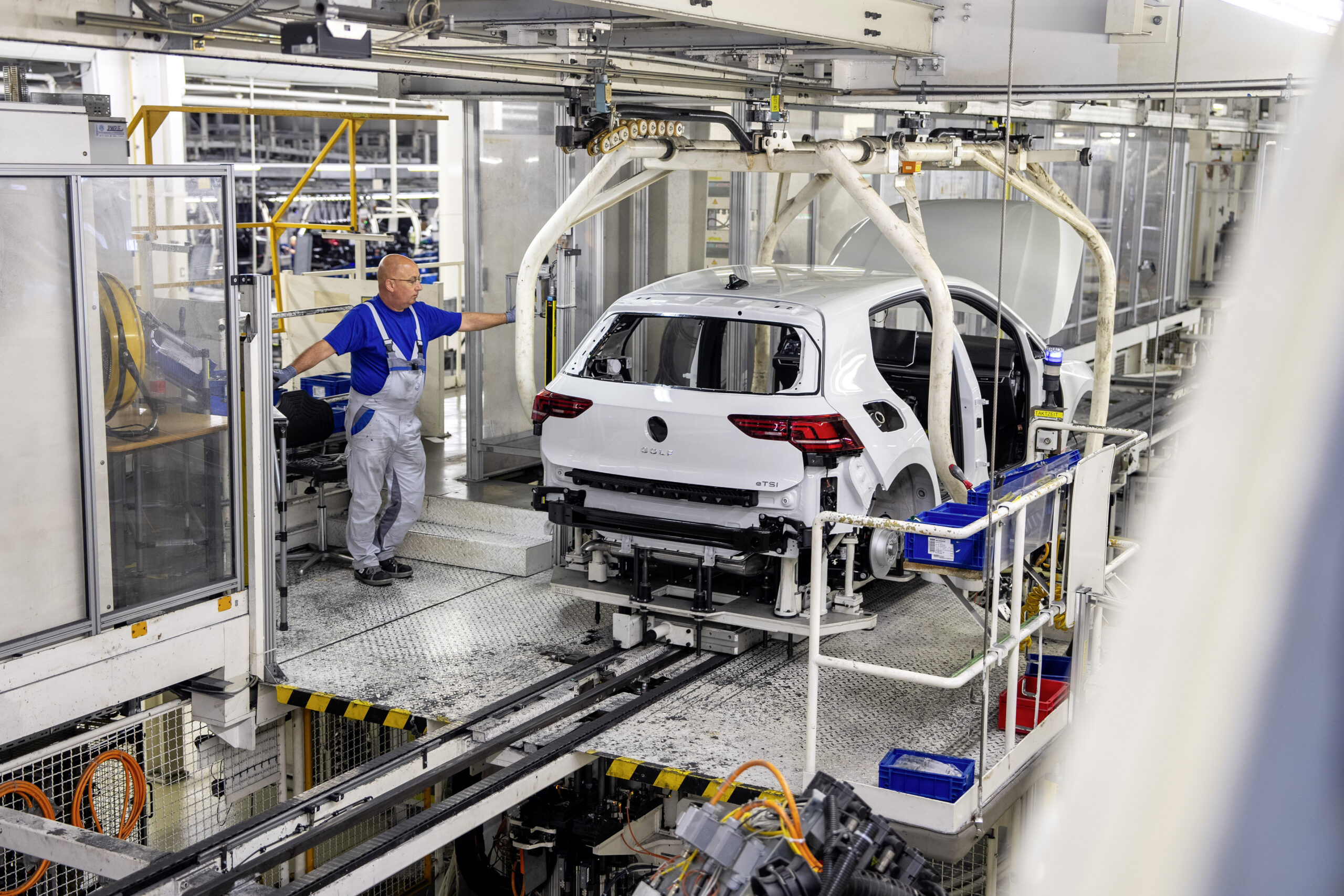
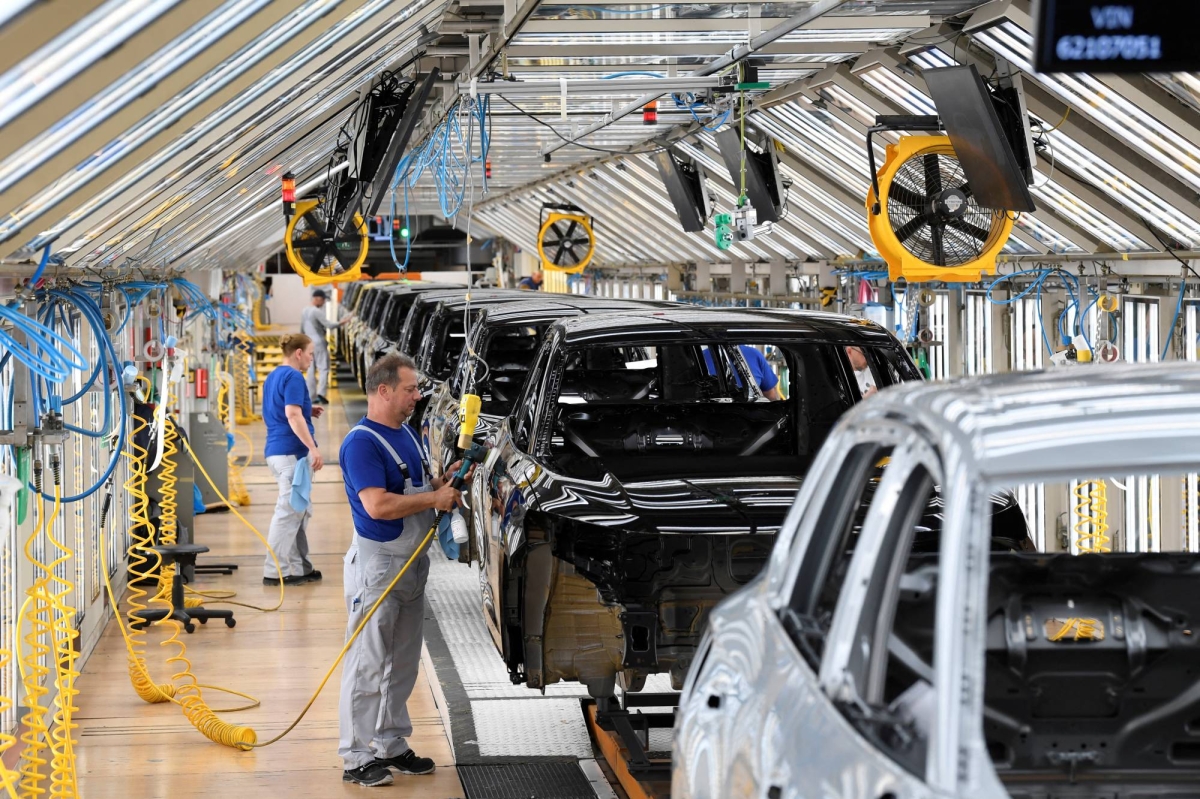
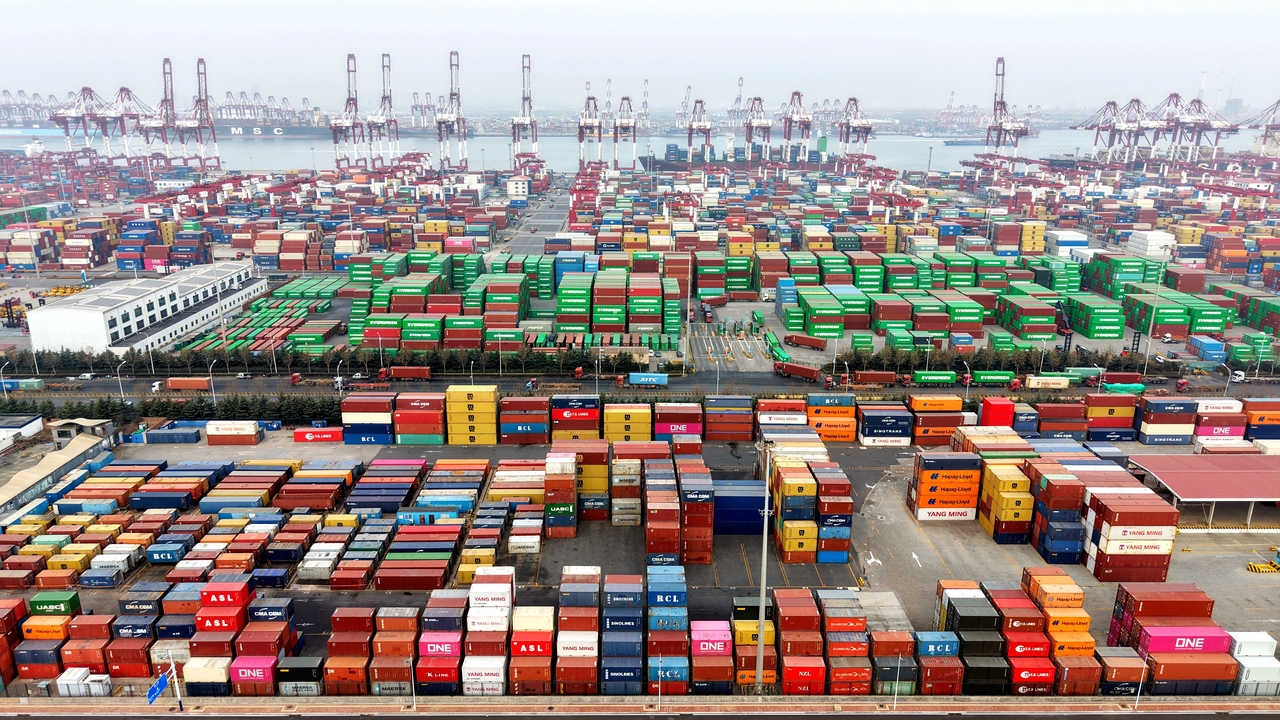
Volkswagen, Europe's largest automaker, plans to eliminate 50,000 jobs by the end of the decade as the company confronts collapsing profits and shrinking markets across the globe. The cuts will occur in Germany and affect the entire 10-brand group, which includes the luxury subsidiaries Porsche and Audi. This escalates beyond a previous agreement struck with German trade unions at the end of 2024 to cut 35,000 jobs through natural attrition and retirement.
Volkswagen reported a 54% drop in pre-tax profits, falling to €8.9 billion, with the company attributing much of the decline directly to US tariffs imposed by Donald Trump. Chief Financial Officer Arno Antlitz said the company must "rigorously reduce costs, leverage group synergies, reduce complexity and thus sustainably increase profitability" to survive the current environment.
Domestic competition in China, the world's largest car market, has eaten away at Volkswagen's market share. North America also presents challenges as tariffs make exports more expensive. Chief Executive Oliver Blume announced "the largest product campaign in our history" aimed at reclaiming Chinese customers, while acknowledging the company is "operating in a fundamentally different environment."
Volkswagen warned that global turbulence would negatively affect its outlook, citing macroeconomic uncertainty and geopolitical tensions. Blume noted that although the Iran war has not disrupted Volkswagen's supply chain, it could dampen demand for the company's premium Audi and Porsche brands, where margins are high but volumes in the region remain modest. Rising energy prices and commodity market volatility add further pressure to the company's financial position.
The automaker has scaled back electric vehicle production targets in recent months, including at Lamborghini, its Italian supercar manufacturer. Arno Antlitz said the company plans to "keep our combustion engine vehicles technologically competitive" while continuing to invest selectively in electric vehicles and software solutions, signaling a more cautious approach to the EV transition than previously planned.
Volkswagen, Europe's largest automaker, plans to eliminate 50,000 jobs by the end of the decade as the company confronts collapsing profits and shrinking markets across the globe. The cuts will occur in Germany and affect the entire 10-brand group, which includes the luxury subsidiaries Porsche and Audi. This represents a significant escalation beyond a previous agreement struck with German trade unions at the end of 2024 to cut 35,000 jobs through natural attrition and retirement.
Volkswagen reported a 54% drop in pre-tax profits, falling to €8.9 billion, with the company attributing much of the decline directly to US tariffs imposed by Donald Trump. Porsche has been hit especially hard, with operating profit plummeting 98% to just €90 million in the most recent period. Chief Financial Officer Arno Antlitz said the company must "rigorously reduce costs, leverage group synergies, reduce complexity and thus sustainably increase profitability" to survive the current environment.
Domestic competition in China, the world's largest car market, has eaten away at Volkswagen's market share despite the region's modest volumes. North America also presents challenges as tariffs make exports more expensive. Chief Executive Oliver Blume announced "the largest product campaign in our history" aimed at reclaiming Chinese customers, while acknowledging the company is "operating in a fundamentally different environment."
Volkswagen warned that global turbulence would negatively affect its outlook, citing macroeconomic uncertainty and geopolitical tensions. Blume noted that although the Iran war has not disrupted Volkswagen's supply chain, it could dampen demand for the company's premium Audi and Porsche brands, where margins are high but volumes in the region remain modest. Rising energy prices and commodity market volatility add further pressure to the company's financial position.
The automaker has scaled back electric vehicle production targets in recent months, including at Lamborghini, its Italian supercar manufacturer. Porsche postponed its transition to electric vehicles owing to slack demand. Arno Antlitz said the company plans to "keep our combustion engine vehicles technologically competitive" while continuing to invest selectively in electric vehicles and software solutions, signaling a more cautious approach to the EV transition than previously planned.
Highlighted text was flagged by the council. Tap to see feedback.