Cuba began releasing 2,010 prisoners on Friday, a move the government calls a "humanitarian and sovereign gesture." The release coincides with Holy Week.
Those being freed include foreign nationals, young people, women, and those over 60. Eligibility was based on an analysis of offenses, good conduct while in prison, time served, and health. Among the first released from La Lima prison was Albis Gainza, 46, who had served half of a six-year sentence for robbery.
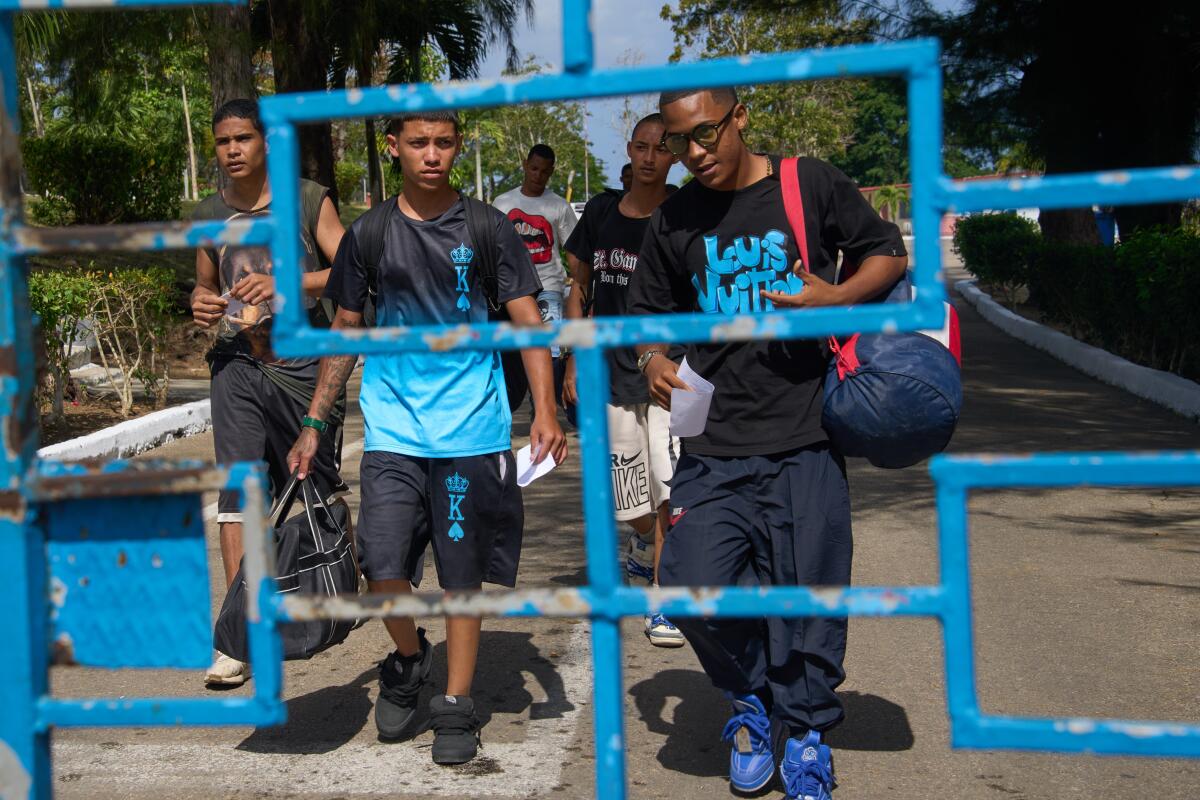
More than 20 inmates emerged from La Lima prison in eastern Havana, where emotional reunions with relatives occurred. AFP reported family members had been waiting all morning. Cuban opposition outlet 14ymedio reported that 41 prisoners had been released from the Toledo 2 Forced Labor Prison in south-west Havana. Six common criminals were freed from El Típico prison in the eastern city of Las Tunas, along with "dozens more" of prisoners from nearby forced labor centers.
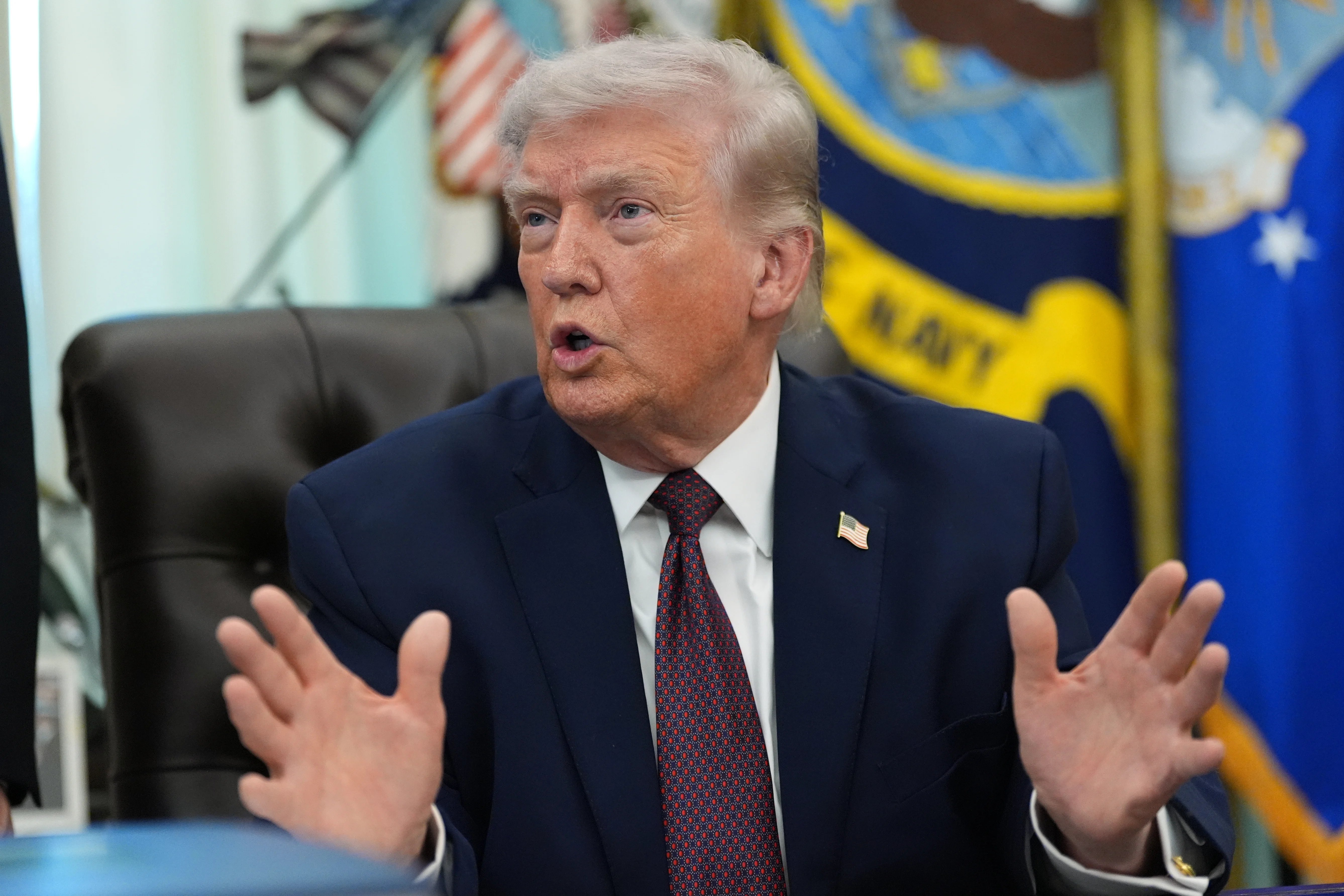
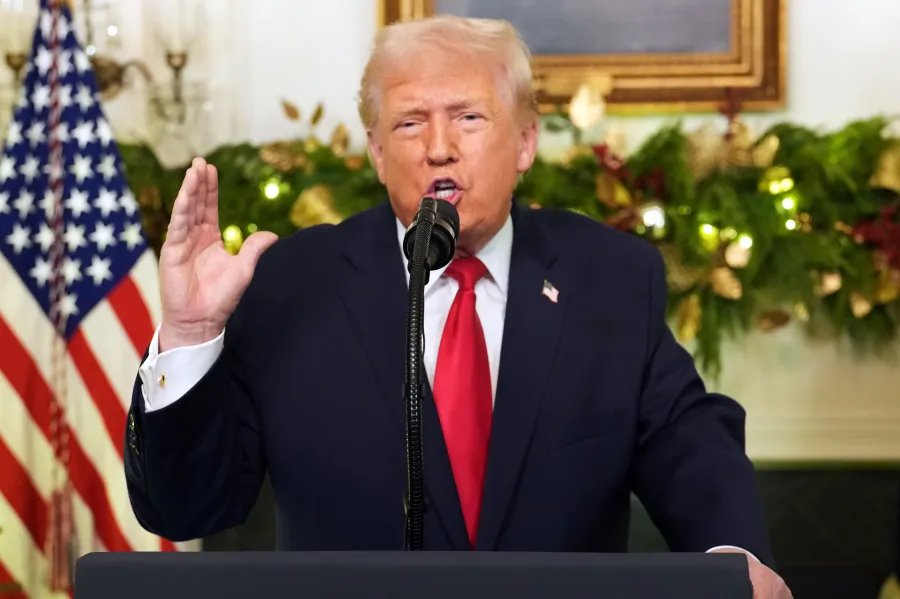
The release comes amid increasing pressure from the Trump administration, which has blocked oil shipments to the island, causing severe fuel shortages and widespread blackouts. He has repeatedly suggested that the U.S. could "take" Cuba by force and install a friendlier regime.
The announcement follows days after President Trump allowed a Russian tanker carrying an estimated 730,000 barrels of crude oil to dock in Cuba, easing a de facto oil blockade. Michael Bustamante, chair of Cuban studies at the University of Miami, said it seems not far-fetched to think that this is a sign that some of the conversation between both governments is advancing. Russia said on Thursday that it would send a second oil tanker, laden with enough oil to keep Cuba's economy going for a few weeks.
It is the second time this year that Cuba has announced a prisoner release. In March, 51 prisoners were set free after talks with the Vatican.
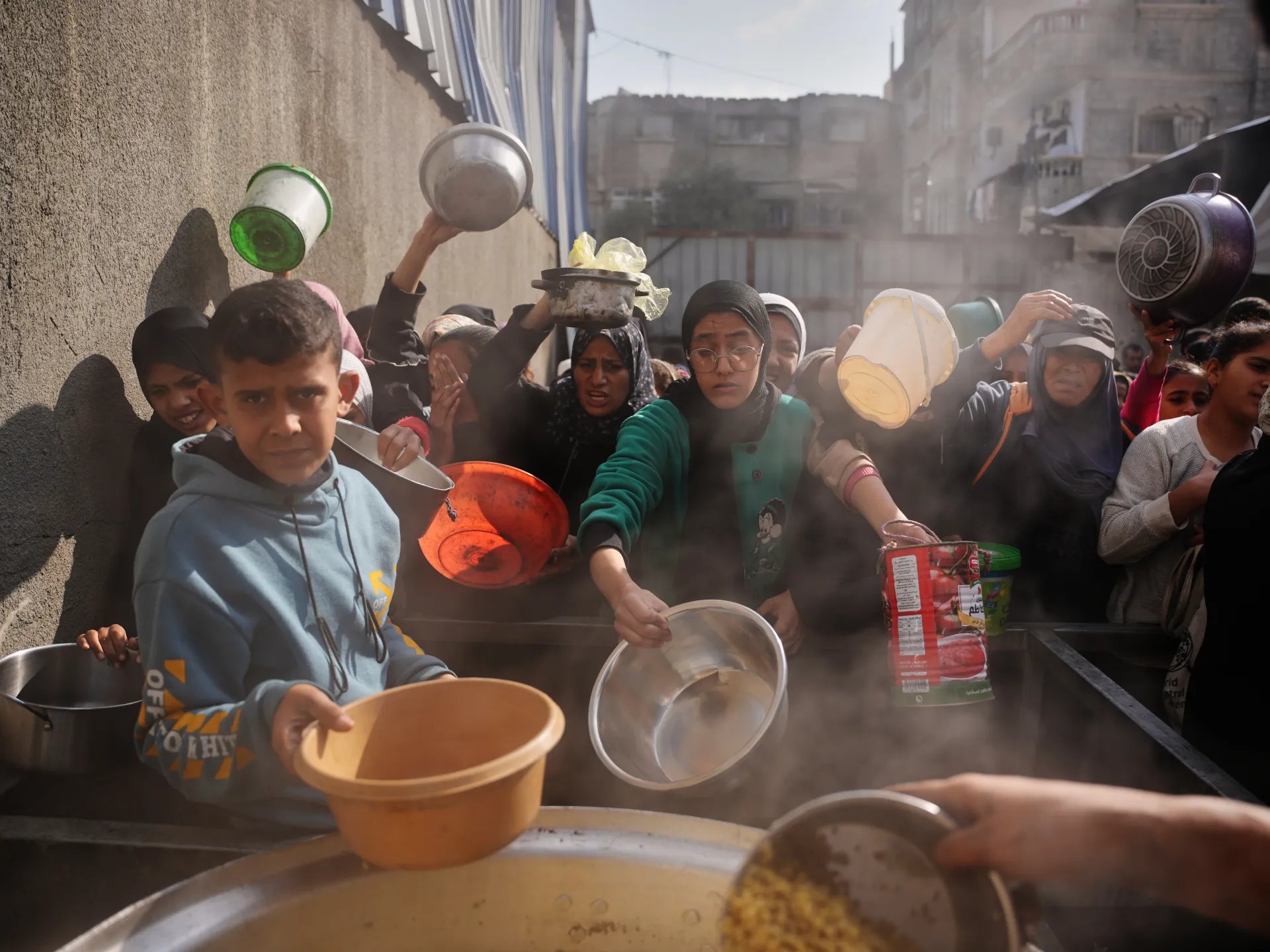
The World Health Organization warned that severe fuel shortages meant that Cuban hospitals were struggling to maintain emergency and intensive care services. The island has also suffered from rolling blackouts that have left millions in darkness and seen rare shows of public dissent. Cuba holds hundreds of political prisoners behind bars, according to Human Rights Watch, with government critics subject to harassment and criminal prosecution.
Cuba began releasing 2,010 prisoners on Friday, a move the government calls a "humanitarian and sovereign gesture." The release coincides with Holy Week. The Cuban Embassy in the U.S. announced the pardons on social platform X.
Those being freed include foreign nationals, young people, women, and those over 60. Eligibility was based on an analysis of offenses, good conduct while in prison, time served, and health. Among the first released from La Lima prison was Albis Gainza, 46, who had served half of a six-year sentence for robbery.
More than 20 inmates emerged from La Lima prison in eastern Havana, where emotional reunions with relatives occurred. AFP reported family members had been waiting all morning. Cuban opposition outlet 14ymedio reported that 41 prisoners had been released from the Toledo 2 Forced Labor Prison in south-west Havana. Six common criminals were freed from El Típico prison in the eastern city of Las Tunas, along with "dozens more" of prisoners from nearby forced labor centers.
The release comes amid increasing pressure from the Trump administration, which has blocked oil shipments to the island, causing severe fuel shortages and widespread blackouts. President Trump has expressed his desire to change Cuba's Communist leadership. He has repeatedly suggested that the U.S. could "take" Cuba by force and install a friendlier regime.
The announcement follows days after President Trump allowed a Russian tanker carrying an estimated 730,000 barrels of crude oil to dock in Cuba, easing a de facto oil blockade. Michael Bustamante, chair of Cuban studies at the University of Miami, said it seems not far-fetched to think that this is a sign that some of the conversation between both governments is advancing. Russia said on Thursday that it would send a second oil tanker, laden with enough oil to keep Cuba's economy going for a few weeks.
It is the second time this year that Cuba has announced a prisoner release. In March, 51 prisoners were set free after talks with the Vatican. In 2025, Cuba released 553 people in a deal brokered by the Vatican and the US.
The World Health Organization warned that severe fuel shortages meant that Cuban hospitals were struggling to maintain emergency and intensive care services. The island has also suffered from rolling blackouts that have left millions in darkness and seen rare shows of public dissent. Cuba holds hundreds of political prisoners behind bars, according to Human Rights Watch, with government critics subject to harassment and criminal prosecution.
While the prisoner release is underway, Michael Bustamante said it remains to be seen who is included in these releases to have a sense of their potential political significance.
Highlighted text was flagged by the council. Tap to see feedback.









For example, the Cuban opposition outlet 14ymedio specifically reported that 41 prisoners were released from the Toledo 2 Forced Labor Prison, citing the president of the Spanish-based human rights group Prisoner Defenders.