





The Attack That Ended Treatment
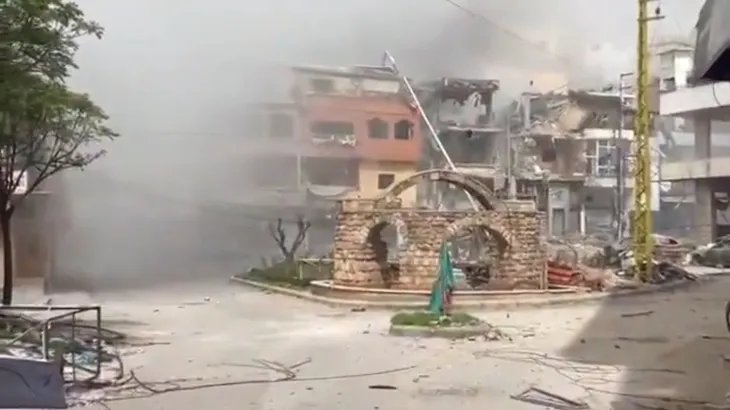
The chief of Tehran's Del Aram Sina Psychiatric Hospital showed reporters through shattered corridors where patients once received treatment for PTSD and other severe mental health conditions. The recent US-Israeli strike left the facility unable to function, removing critical psychiatric care from Iran's capital when its population needs it most.
What The Hospital Chief Saw
Hospital chief described the damage that made the building unusable for patient care. He stood among debris where therapy rooms and patient wards once operated, explaining that the explosion's impact extends far beyond broken walls and equipment. The facility specialized in treating patients with PTSD, a condition that requires specialized care and consistent treatment environments that the destroyed building can no longer provide.
Iran's Science Minister Responds
Iran's minister of science condemned the attack, stating that "a civilised government never targets institutions of knowledge." His comments came after visiting Tehran's Shahid Beheshti University, which also sustained damage in the strikes. The minister's characterization of the US and Israel as belonging "in the Stone Age" reflects Iran's official position on targeting educational and medical institutions.
The Human Cost of Destroyed Care
The psychiatric hospital's closure leaves Tehran's mentally ill patients without a specialized facility designed for their needs. PTSD patients require consistent therapy schedules, medication management, and trauma-informed care that general hospitals typically lack. The destruction eliminates the city's dedicated space for treating psychological trauma, forcing patients to seek care in facilities unequipped for psychiatric emergencies or long-term mental health treatment.
What Happens Next
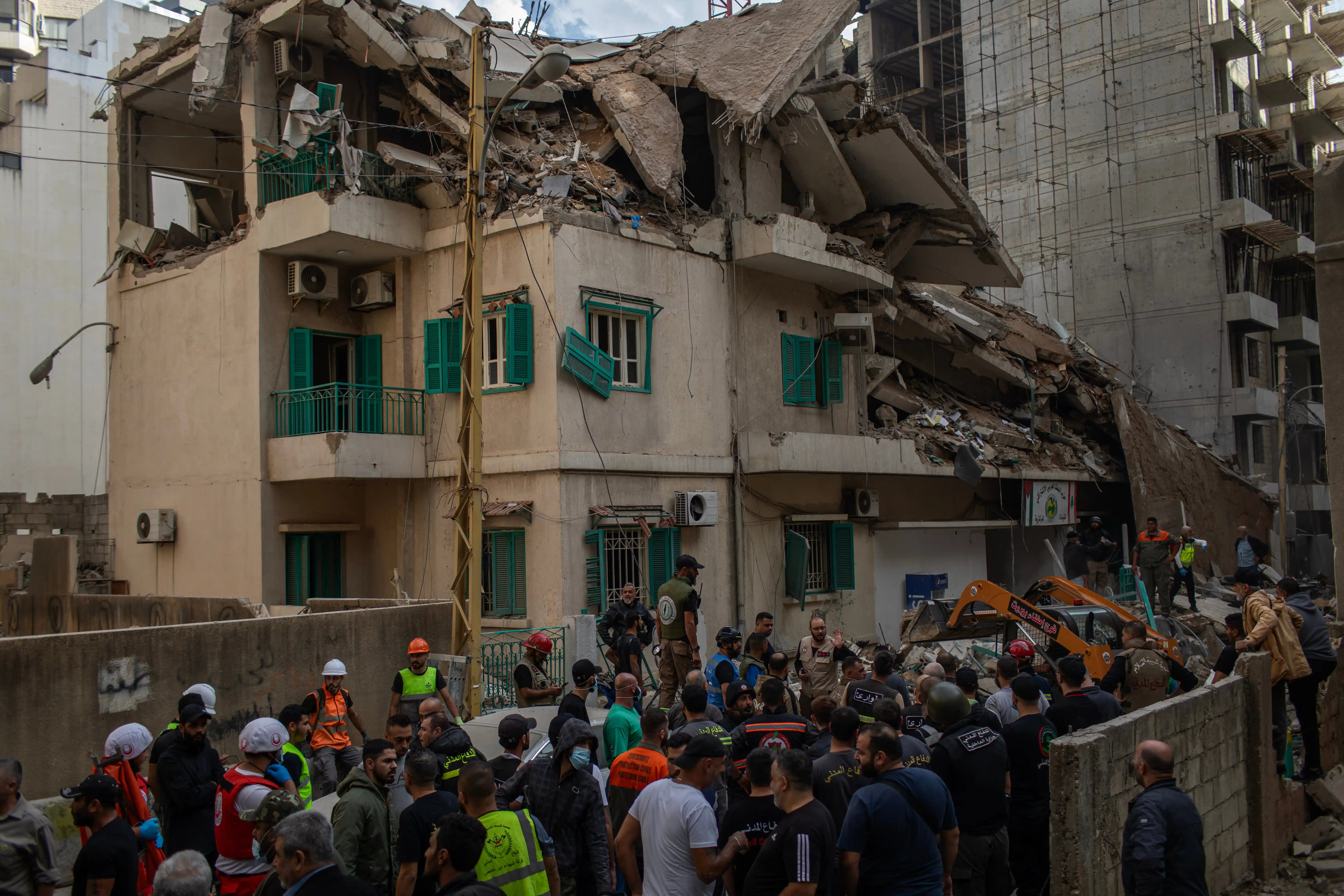
Al Jazeera's Tohid Asadi documented the damage at both the university and hospital sites, providing visual evidence of the strikes' impact on civilian infrastructure. The psychiatric hospital's inability to treat patients represents a permanent loss until reconstruction occurs, leaving Tehran's mentally ill population to navigate an already strained healthcare system without their primary treatment center.

















The sources report that Al Jazeera’s Tohid Asadi visited only the Shahid Beheshti University site to see the damage, not the hospital.