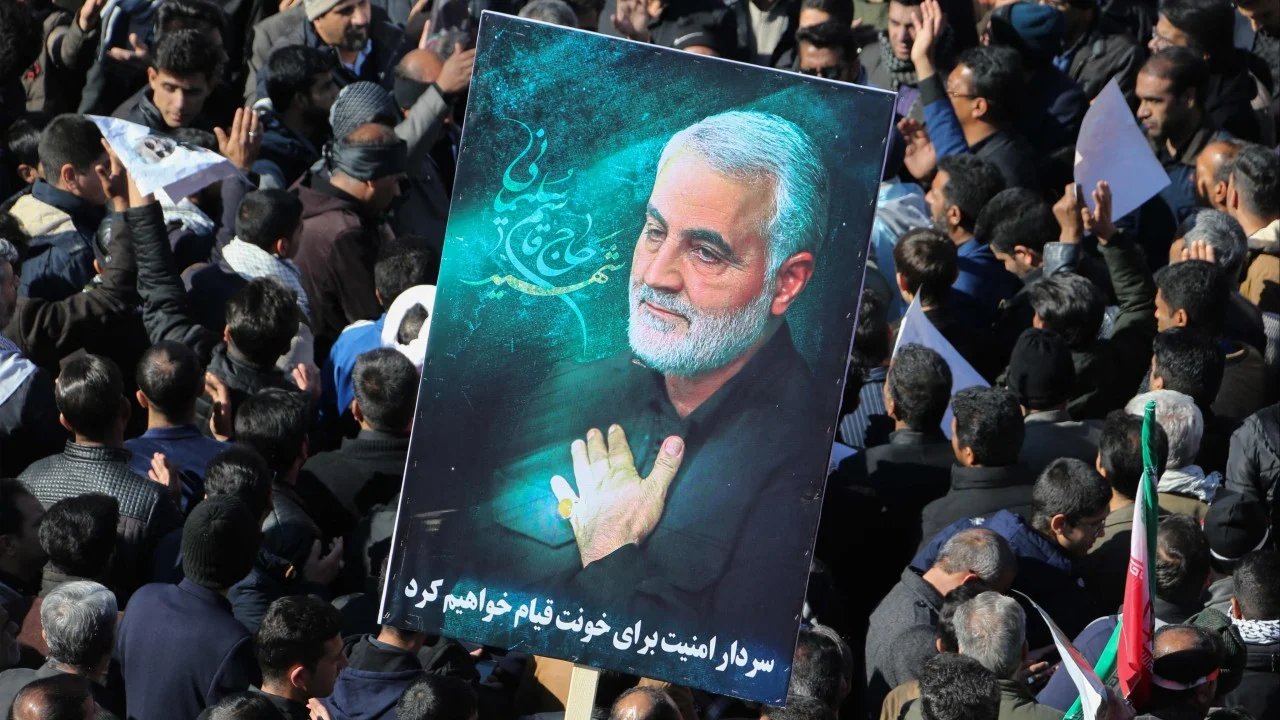
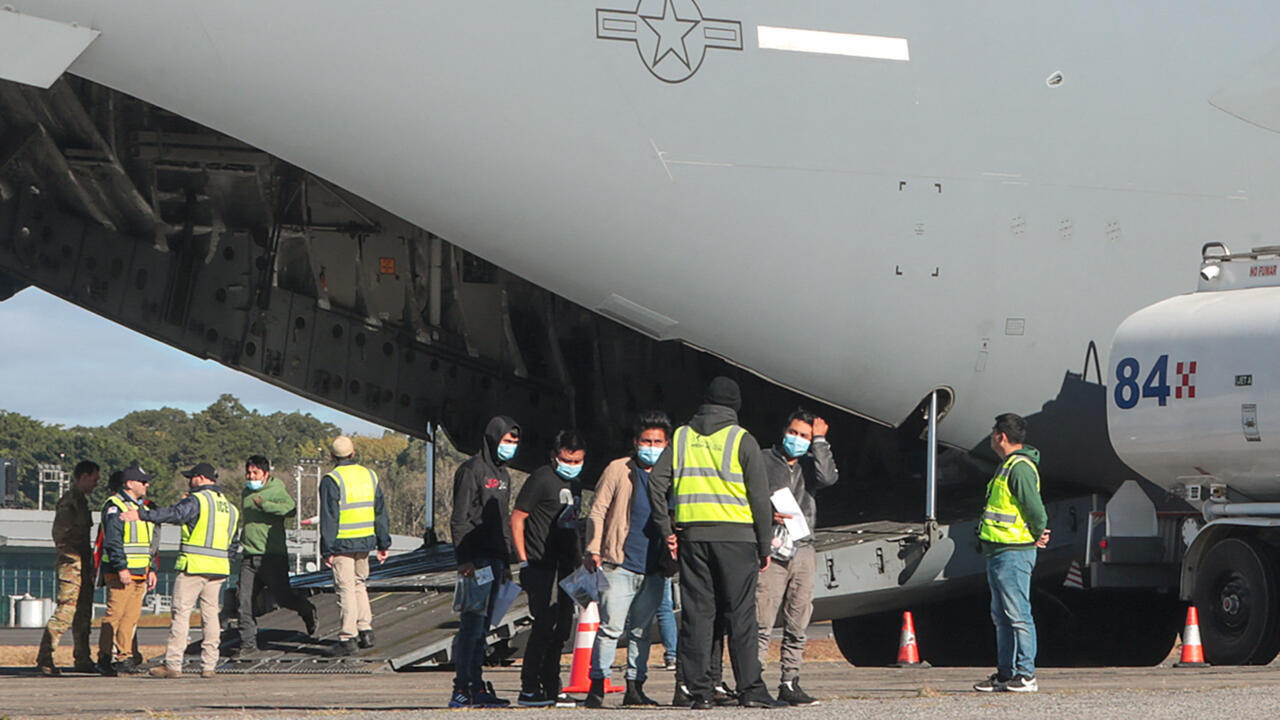
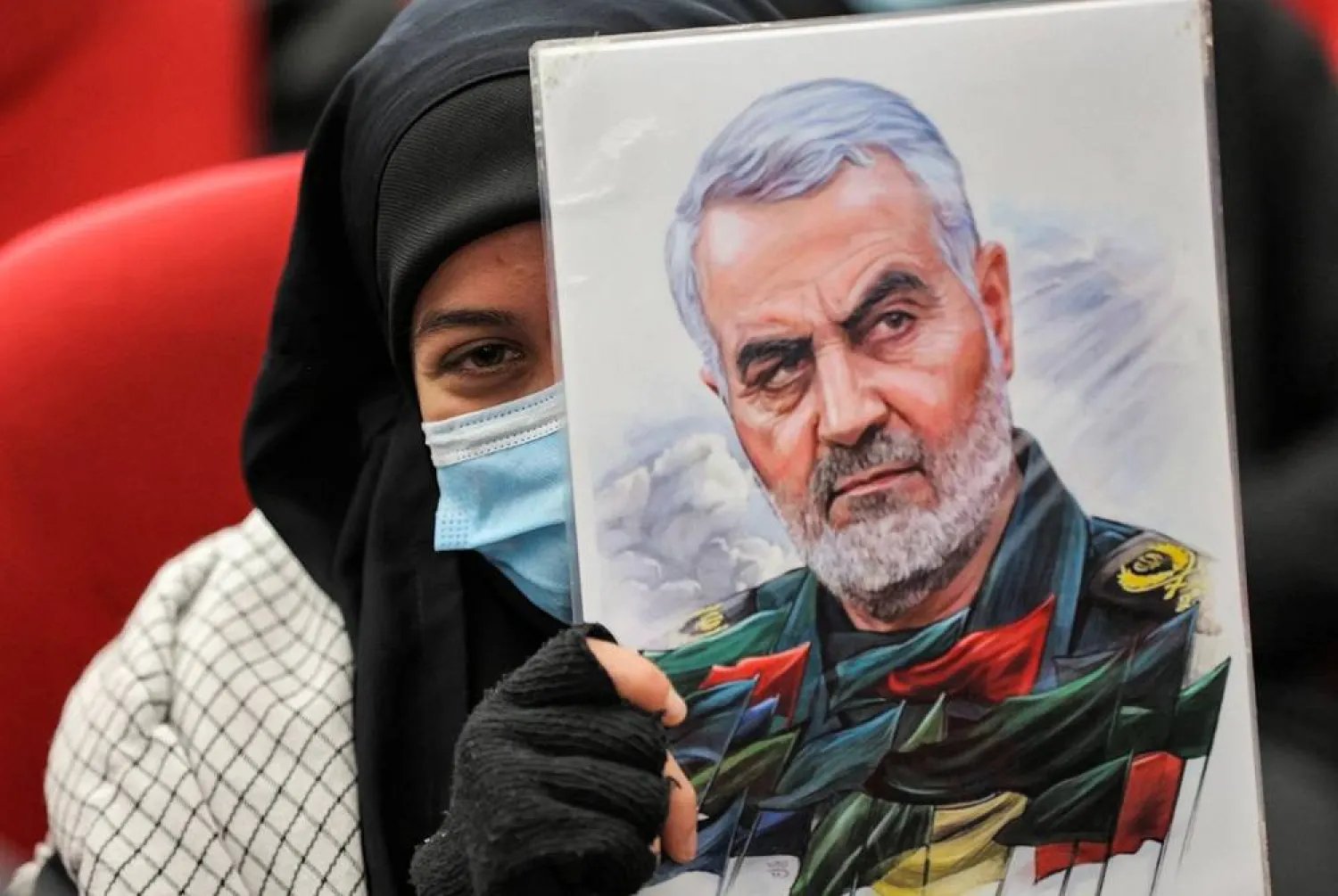
Secretary of State Marco Rubio has revoked the green cards of two relatives of Qassem Soleimani, the late Iranian military commander, as tensions between the United States and Iran escalate. Hamideh Soleimani Afshar, identified as Soleimani's niece, and her daughter, Sarinasadat Hosseiny, are now in the custody of U.S. Immigration and Customs Enforcement (ICE). Rubio stated that their immigration statuses were revoked due to their alleged support for the Iranian regime.
The U.S. Department of Homeland Security (DHS) indicated that Hamideh Soleimani Afshar obtained her green card in 2021 after entering the U.S. on a tourist visa in 2015. However, the DHS claims she made multiple trips to Iran after receiving asylum, suggesting her asylum claims were fraudulent. DHS spokespersons noted that such travel undermines her assertions of fear of persecution in Iran. Hosseiny, who came to the U.S. on a student visa, was granted asylum in 2019 and her green card in 2023.
In response to the revocation and arrests, Qassem Soleimani's daughter, Narjes Soleimani, stated that the individuals arrested have no connection to her father and asserted that the claims made by the U.S. government are false. She criticized the U.S. as "weak and insignificant," suggesting that the government is fabricating lies about her family. The state department has not provided further comments on these assertions.
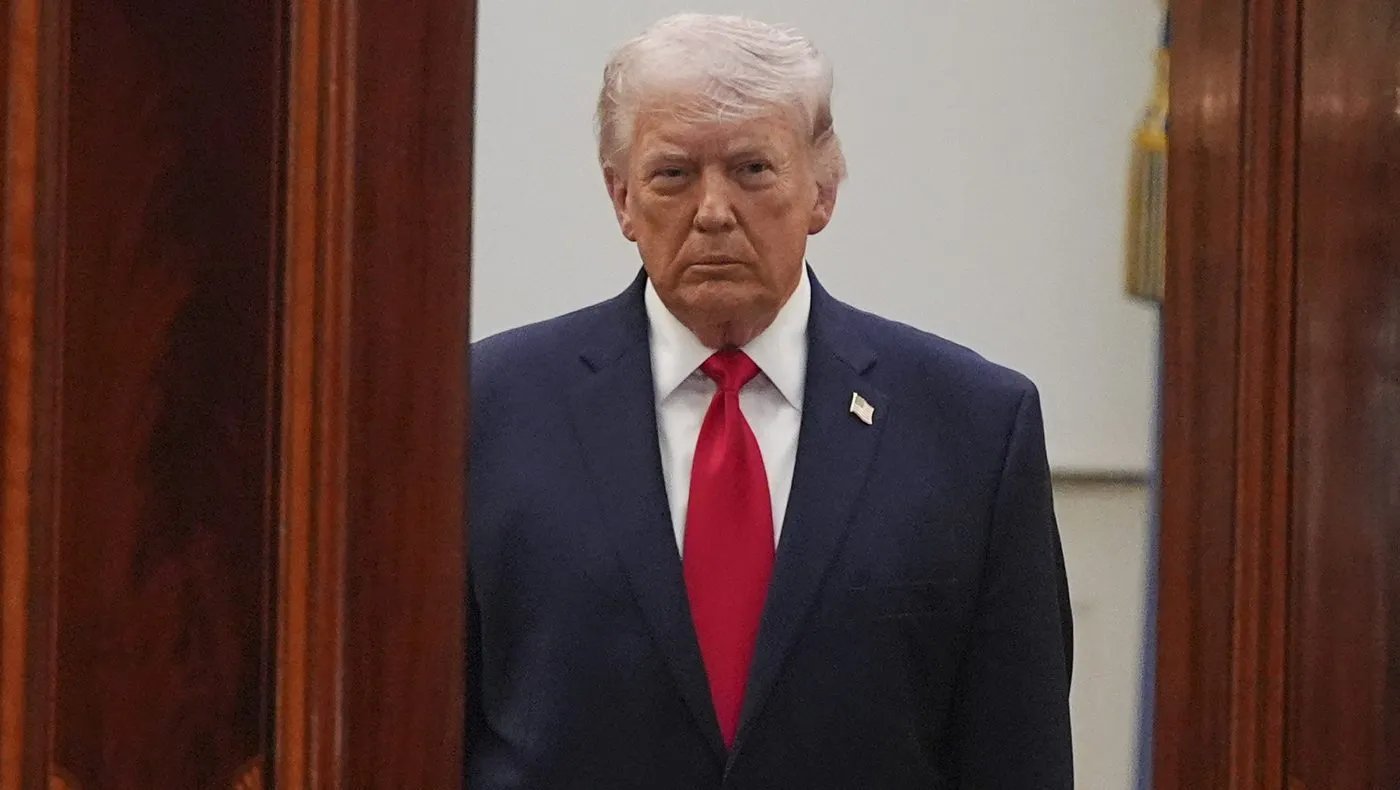
Soleimani was Iran's most powerful military commander before his death in a 2020 U.S. airstrike in Iraq ordered by then-President Donald Trump.
The revocation of green cards and the arrests of Soleimani's relatives reflect a significant shift in U.S. immigration policy concerning individuals associated with foreign military leaders. Rubio's statement emphasized that the U.S. would not tolerate individuals who support anti-American sentiments, noting that Soleimani Afshar had "celebrated attacks on Americans" and referred to the U.S. as the "Great Satan." This policy change could have implications for other Iranian nationals living in the U.S. and may affect diplomatic relations as tensions continue to rise.
As Hamideh Soleimani Afshar and her daughter await deportation proceedings, the outcome of their case could set a precedent for similar actions in the future. Immigration experts indicate that this situation raises questions about the balance between national security and the rights of lawful permanent residents. The ongoing conflict with Iran may further complicate the legal landscape for those connected to the Iranian government.
Secretary of State Marco Rubio has revoked the green cards of two relatives of Qassem Soleimani, the late Iranian military commander, as tensions between the United States and Iran escalate. Hamideh Soleimani Afshar, identified as Soleimani's niece, and her daughter, Sarinasadat Hosseiny, are now in the custody of U.S. Immigration and Customs Enforcement (ICE). Rubio stated that their immigration statuses were revoked due to their alleged support for the Iranian regime, which he characterized as a "totalitarian, terrorist regime."
The U.S. Department of Homeland Security (DHS) indicated that Hamideh Soleimani Afshar obtained her green card in 2021 after entering the U.S. on a tourist visa in 2015. However, the DHS claims she made multiple trips to Iran after receiving asylum, suggesting her asylum claims were fraudulent. DHS spokespersons noted that such travel undermines her assertions of fear of persecution in Iran. Hosseiny, who came to the U.S. on a student visa, was granted asylum in 2019 and her green card in 2023.
In response to the revocation and arrests, Soleimani Afshar's daughter, Narjes Soleimani, vehemently denied any connections to her father, asserting that the claims made by the U.S. government are false. She criticized the U.S. as "weak and insignificant," suggesting that the government is fabricating lies about her family. The state department has not provided further comments on these assertions.
This decision follows a series of escalating tensions between the U.S. and Iran, particularly after Soleimani's assassination in a U.S. airstrike in 2020. Rubio's actions come amid ongoing military pressure on Tehran as part of the Trump administration's broader strategy. The State Department has previously revoked visas for several Iranian diplomats and staff connected to the Iranian government, signaling a more aggressive stance toward individuals linked to Iran.
The revocation of green cards and the arrests of Soleimani's relatives reflect a significant shift in U.S. immigration policy concerning individuals associated with foreign military leaders. Rubio's statement emphasized that the U.S. would not tolerate individuals who support anti-American sentiments, noting that Soleimani Afshar had "celebrated attacks on Americans" and referred to the U.S. as the "Great Satan." This policy change could have implications for other Iranian nationals living in the U.S. and may affect diplomatic relations as tensions continue to rise.
As Hamideh Soleimani Afshar and her daughter await deportation proceedings, the outcome of their case could set a precedent for similar actions in the future. Immigration experts indicate that this situation raises questions about the balance between national security and the rights of lawful permanent residents. The ongoing conflict with Iran may further complicate the legal landscape for those connected to the Iranian government.
Highlighted text was flagged by the council. Tap to see feedback.













The sources also report that Hamideh Soleimani Afshar's husband, connected to Qassem Soleimani's family, has been barred from the US.