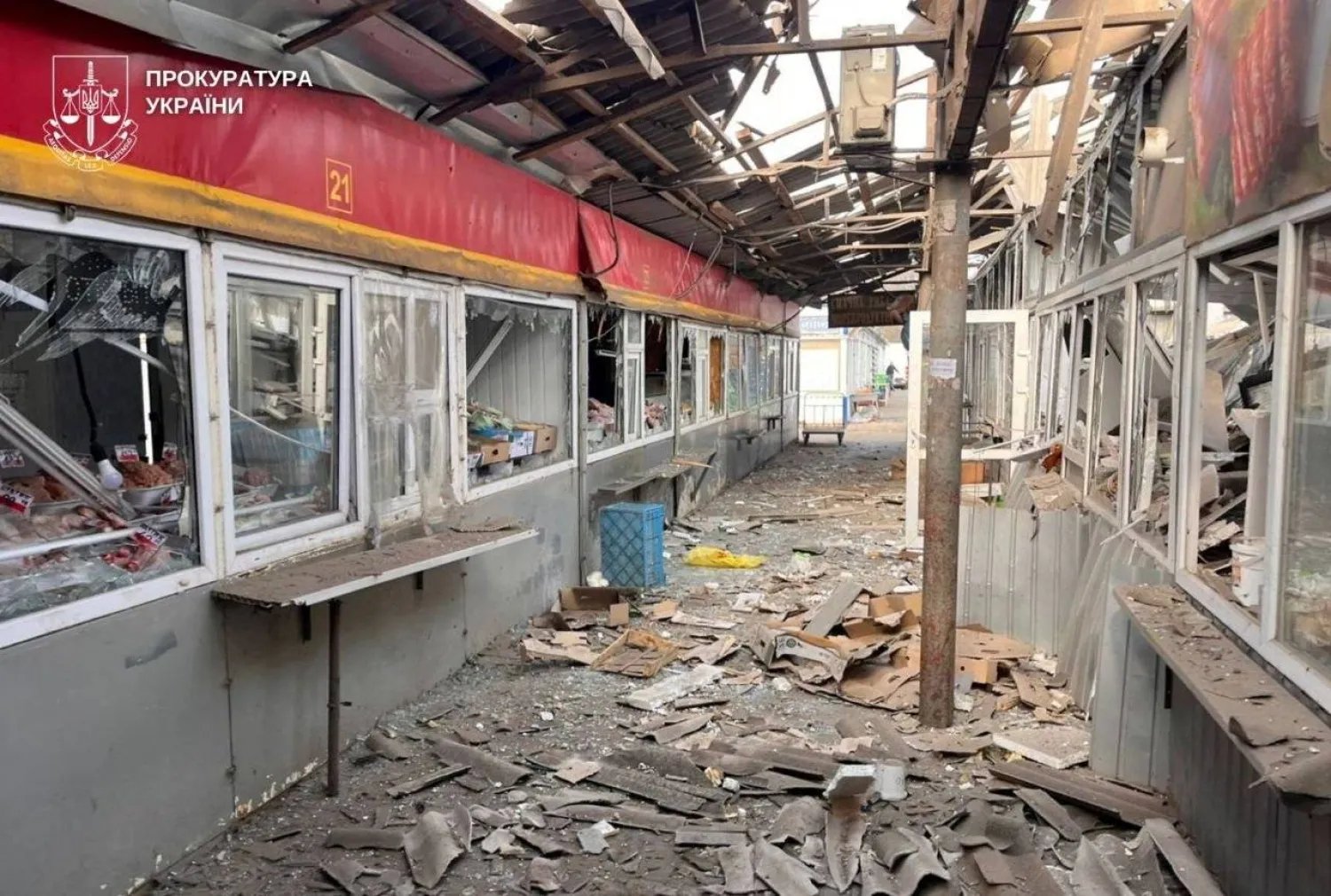
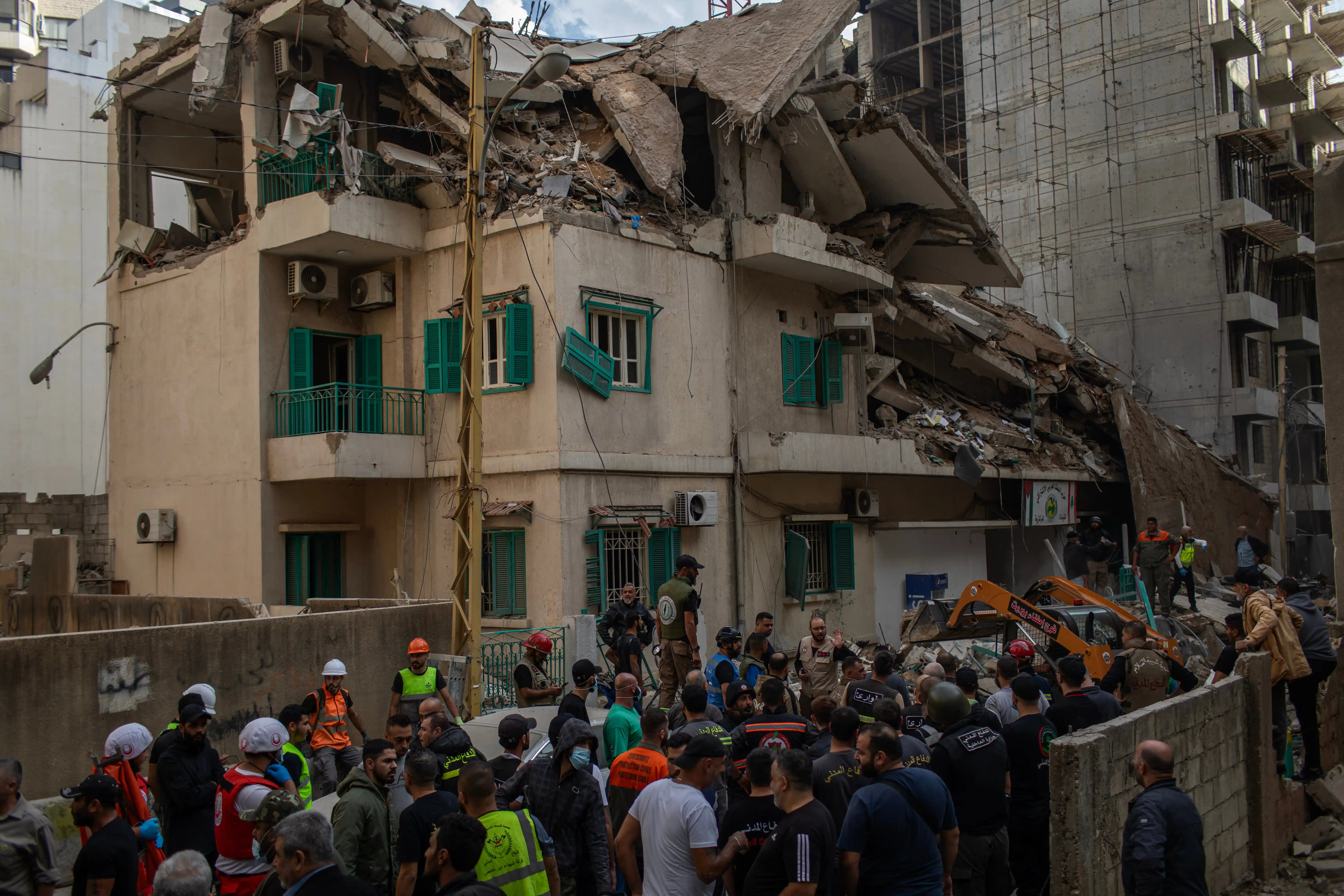
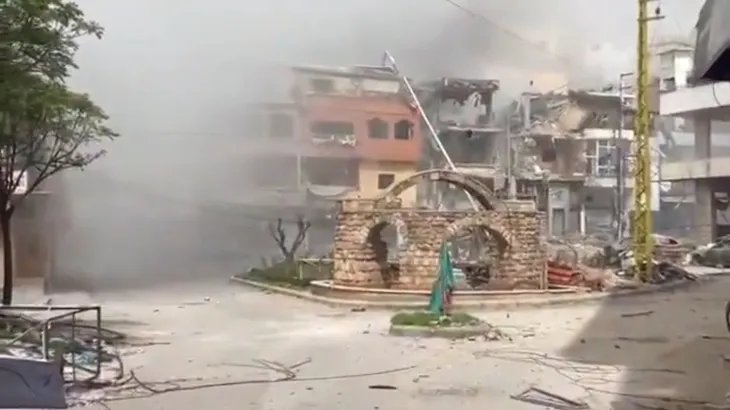
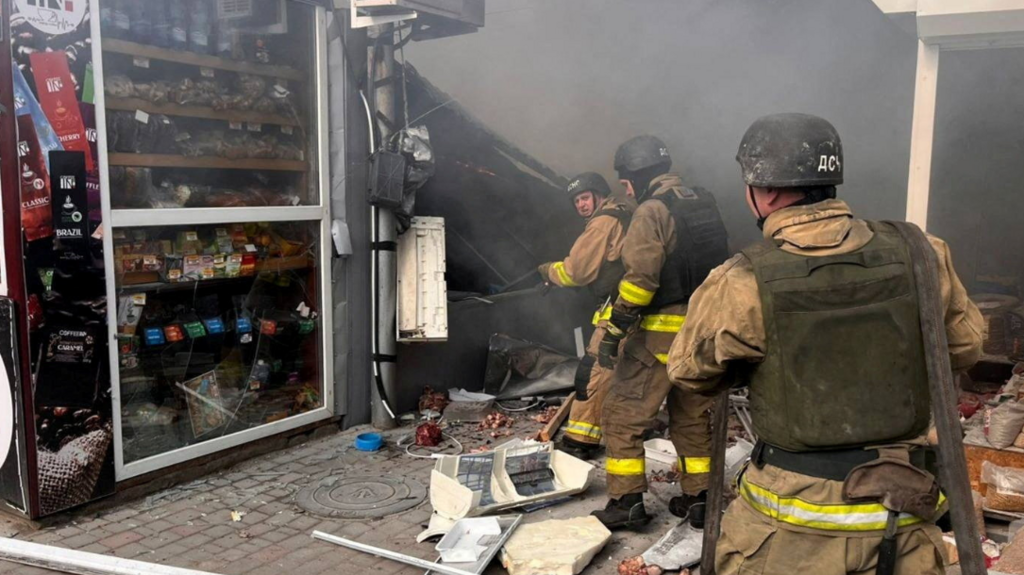
A Russian drone hit the covered market in Nikopol on Saturday, turning the weekly produce run into a rescue operation. Five shoppers died under twisted metal and shattered glass, while 30 others arrived at local hospitals with burns, shrapnel wounds and broken bones, according to the Nikopol district military administration.
The Ukrainian air force tracked 286 Russian drones between sunset Friday and sunrise Saturday, the largest single-night swarm since the war began. Defenders shot down 260 of them, but the remaining 26 slipped through to hit Nikopol and at least three other frontline towns.
Olena Krivonos, 42, had just handed 50 hryvnias to a tomato vendor when the ceiling vanished. "The light turned orange and the air tasted like metal," she told hospital staff while awaiting stitches for a forehead cut. Rescuers pulled her from under a toppled apple stand. Three of the dead carried grocery lists in their pockets; rescuers returned the blood-stained papers to families along with bags of unsold onions that survived the blast.
Russian forces have replaced Kalibr cruise missiles, priced at $6.5 million each, with Iranian-designed Shahed drones that cost under $20,000 apiece, according to open-source analysts who track debris serial numbers. The swap allows Moscow to stage near-nightly attacks while conserving its dwindling stockpile of precision missiles for Ukrainian energy facilities each winter. British intelligence estimates Russia can now manufacture 450 drones monthly, triple last autumn's rate.
Nikopol had already lost 112 residents to shelling since February 2022; Saturday's attack raised that toll to 117. Mayor Oleksandr Saiuk announced immediate evacuation buses for any family wanting to leave, yet only 47 seats were taken by late afternoon. Most residents, dependent on monthly pensions averaging 4,300 hryvnias, cannot afford rent in safer western regions. Market vendor Nadiia Petrenko, 58, plans to reopen her stall next week: "If we hide, Russia still wins. Someone has to sell the bread."
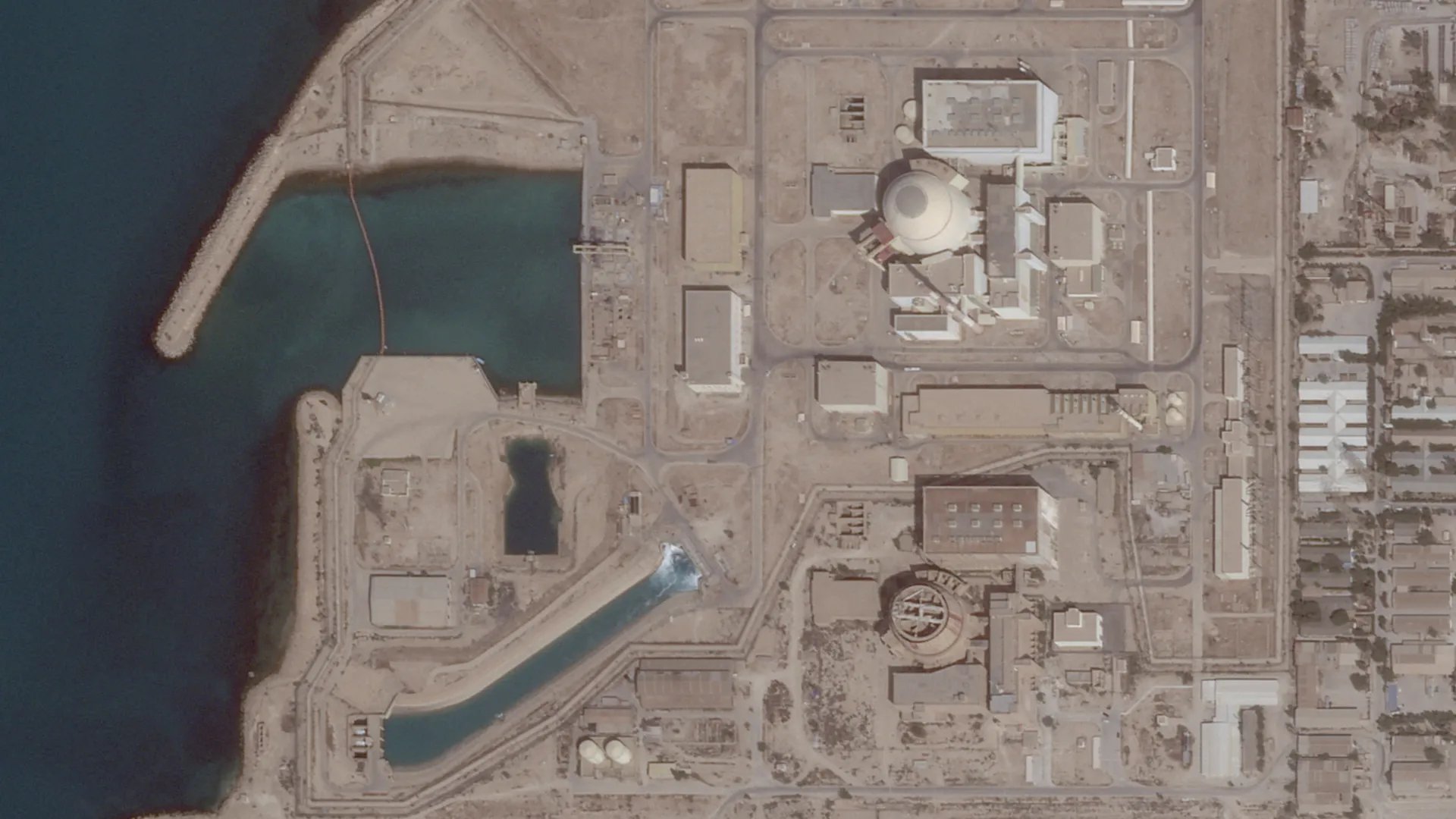
A Russian drone punched through the roof of the covered market in Nikopol at 9:17 a.m. Saturday, turning the weekly produce run into a rescue operation. Five shoppers died under twisted metal and shattered glass, while 30 others arrived at local hospitals with burns, shrapnel wounds and broken bones, according to the Nikopol district military administration. The market sits 15 kilometers west of the Zaporizhzhia nuclear plant, a corridor that Moscow has bombarded almost daily since seizing the opposite riverbank in 2022.
The Ukrainian air force tracked 286 Russian drones between sunset Friday and sunrise Saturday, the largest single-night swarm since the war began. Defenders shot down 260 of them, but the remaining 26 slipped through to hit Nikopol and at least three other frontline towns. Each Shahed-type drone carries a 40-kilogram warhead packed with ball bearings, enough to level a city block when it detonates inside a crowded building.
Olena Krivonos, 42, had just handed 50 hryvnias to a tomato vendor when the ceiling vanished. “The light turned orange and the air tasted like metal,” she told hospital staff while awaiting stitches for a forehead cut. Rescuers pulled her from under a toppled apple stand. Three of the dead carried grocery lists in their pockets; rescuers returned the blood-stained papers to families along with bags of unsold onions that survived the blast.
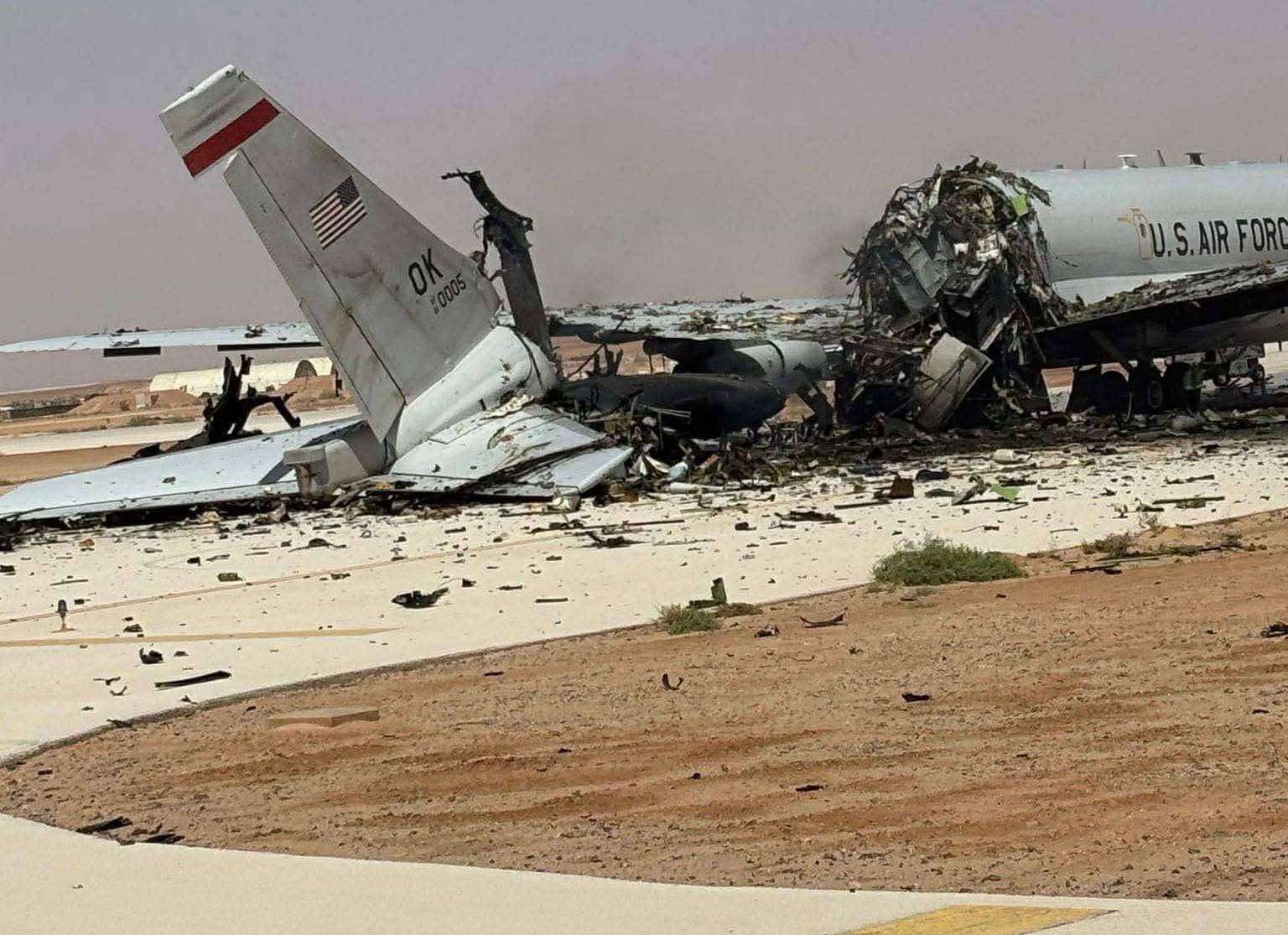
The air force revealed that 42 percent of the intercepted drones were downed by mobile machine-gun teams using leftover 14.5 mm bullets manufactured before 1991. Ukraine has exhausted its stored Soviet antiaircraft missiles and now relies on Western-supplied air-defense trucks to cover major cities, leaving smaller towns such as Nikopol protected mainly by pickup trucks with mounted guns. Governor Serhiy Lysak of Dnipropetrovsk region warned that without faster delivery of promised Patriot systems, “we will keep counting bodies in markets instead of missiles on our radar.”
Russian forces have replaced Kalibr cruise missiles, priced at $6.5 million each, with Iranian-designed Shahed drones that cost under $20,000 apiece, according to open-source analysts who track debris serial numbers. The swap allows Moscow to stage near-nightly attacks while conserving its dwindling stockpile of precision missiles for Ukrainian energy facilities each winter. British intelligence estimates Russia can now manufacture 450 drones monthly, triple last autumn’s rate.
Nikopol had already lost 112 residents to shelling since February 2022; Saturday’s attack raised that toll to 117. Mayor Oleksandr Saiuk announced immediate evacuation buses for any family wanting to leave, yet only 47 seats were taken by late afternoon. Most residents, dependent on monthly pensions averaging 4,300 hryvnias, cannot afford rent in safer western regions. Market vendor Nadiia Petrenko, 58, plans to reopen her stall next week: “If we hide, Russia still wins. Someone has to sell the bread.”
Highlighted text was flagged by the council. Tap to see feedback.