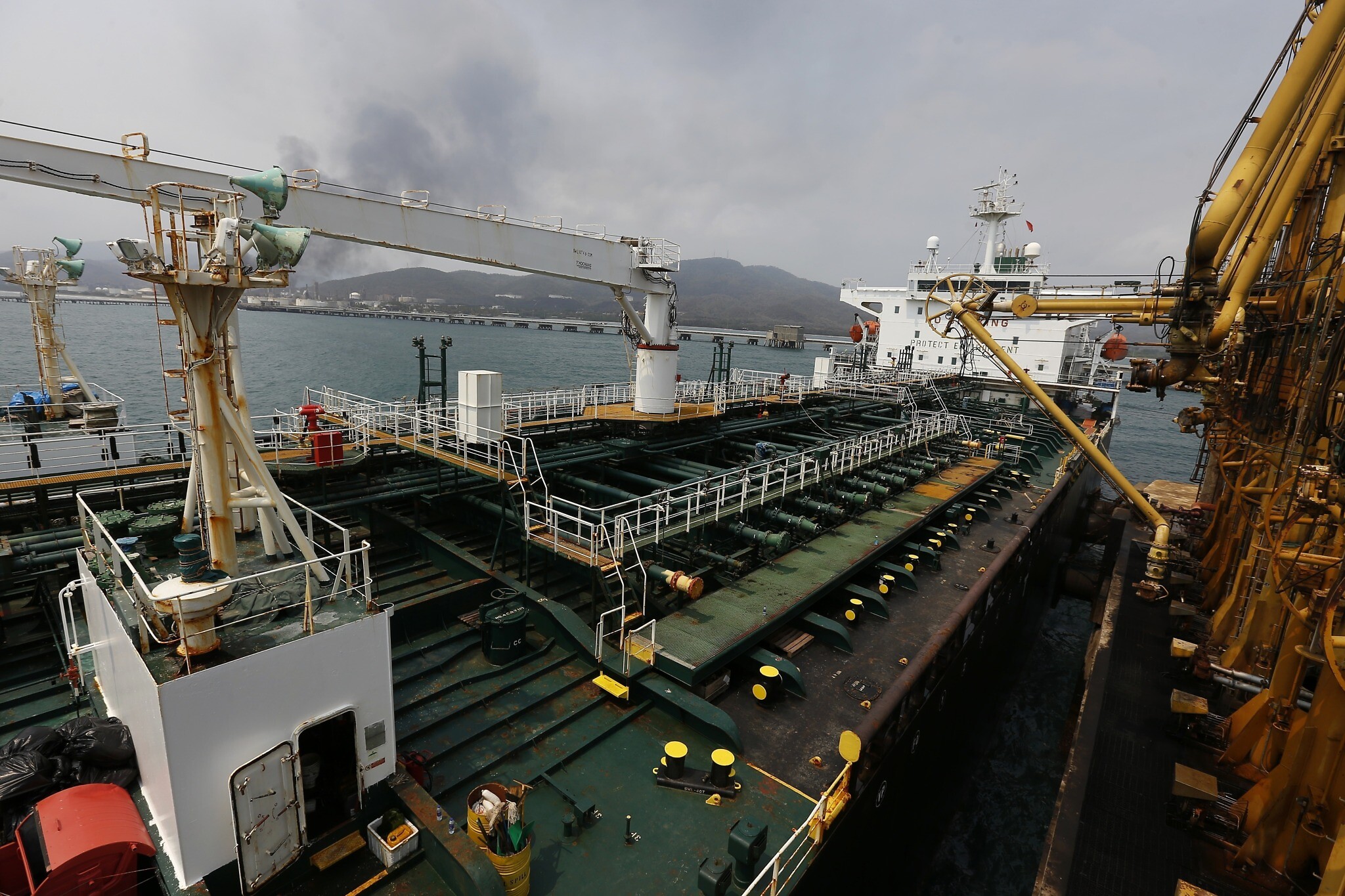
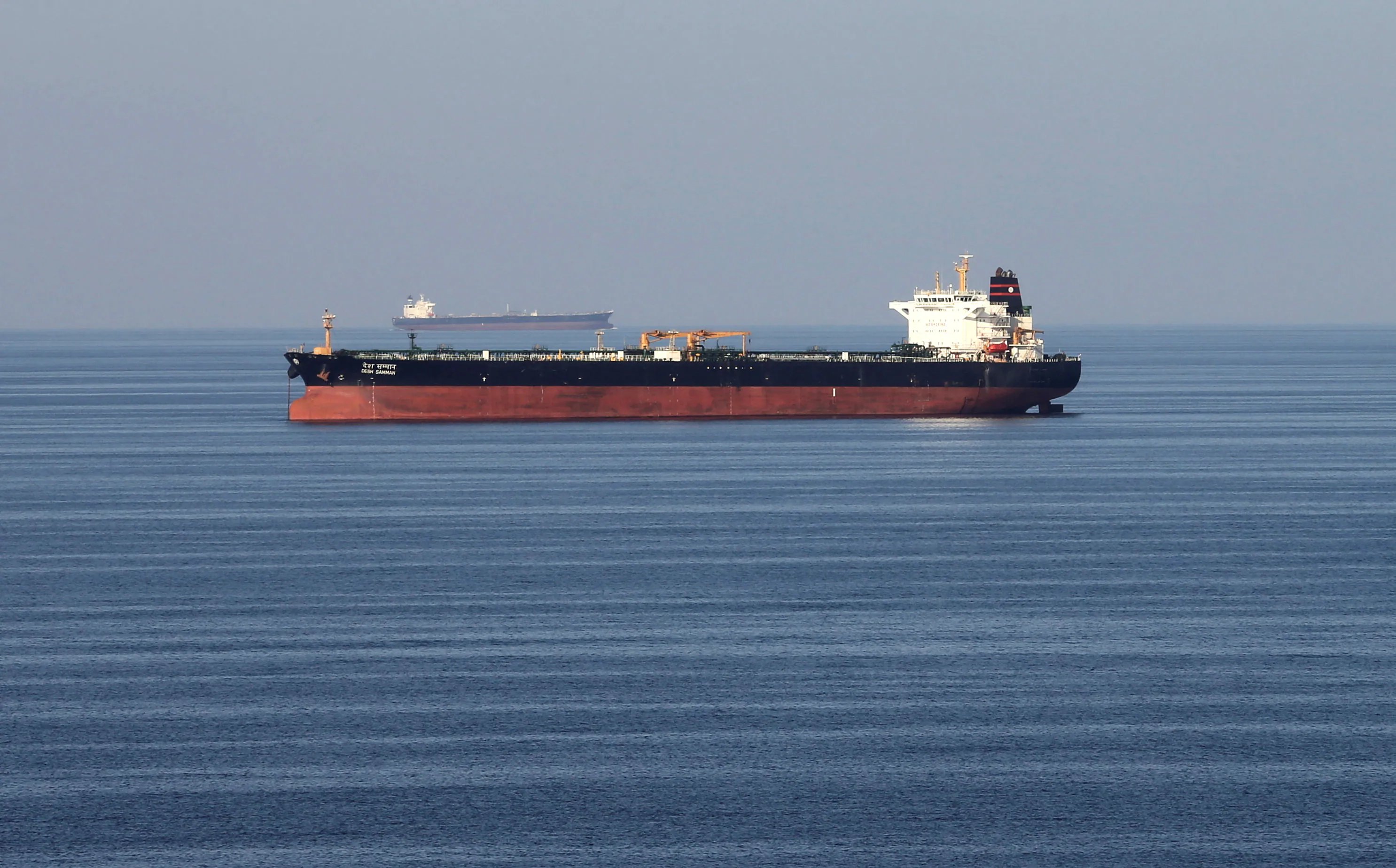
Brent crude oil prices surged over 1% to exceed $110 per barrel as markets opened on Sunday, reflecting heightened anxieties surrounding the ongoing conflict in Iran. As of 10 PM Sunday ET, the global benchmark was trading at nearly $111 per barrel, driven by mixed signals about the future of the war and its impact on global energy supplies. Analysts note that the situation surrounding the Strait of Hormuz, a vital oil transit route, remains precarious, with President Donald Trump threatening military action against Iran if it does not reopen the strait by Tuesday.
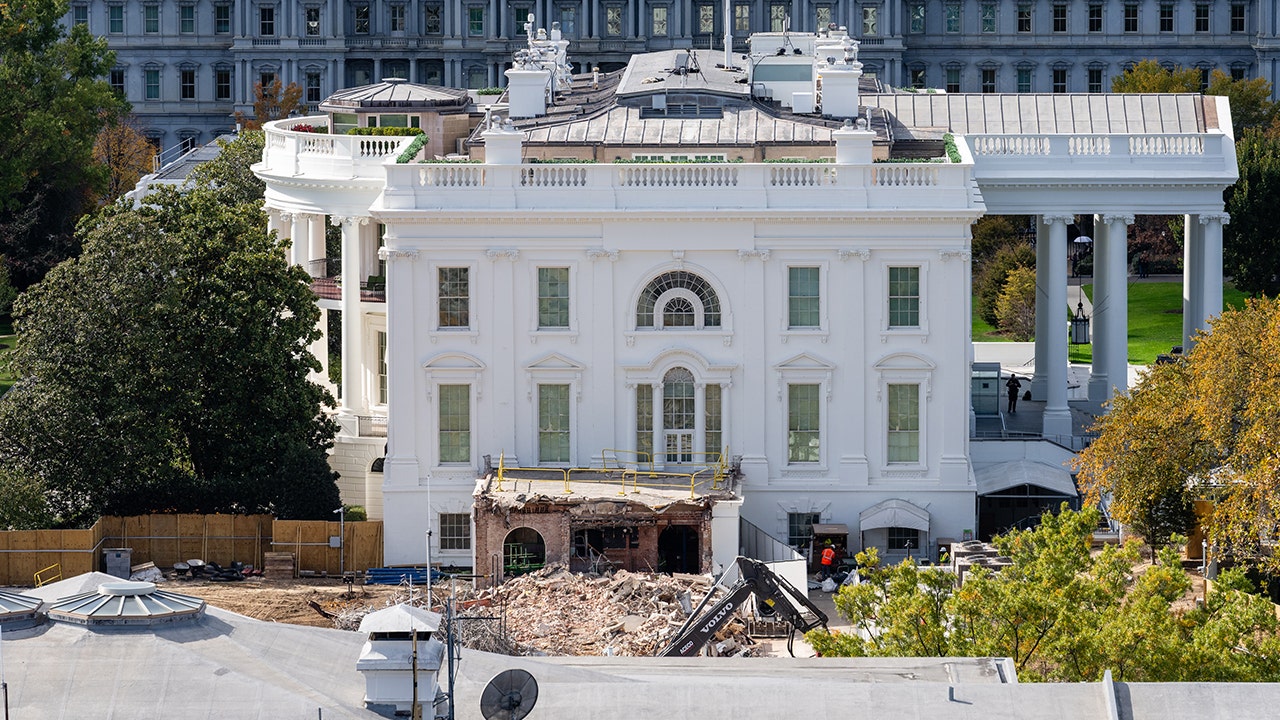
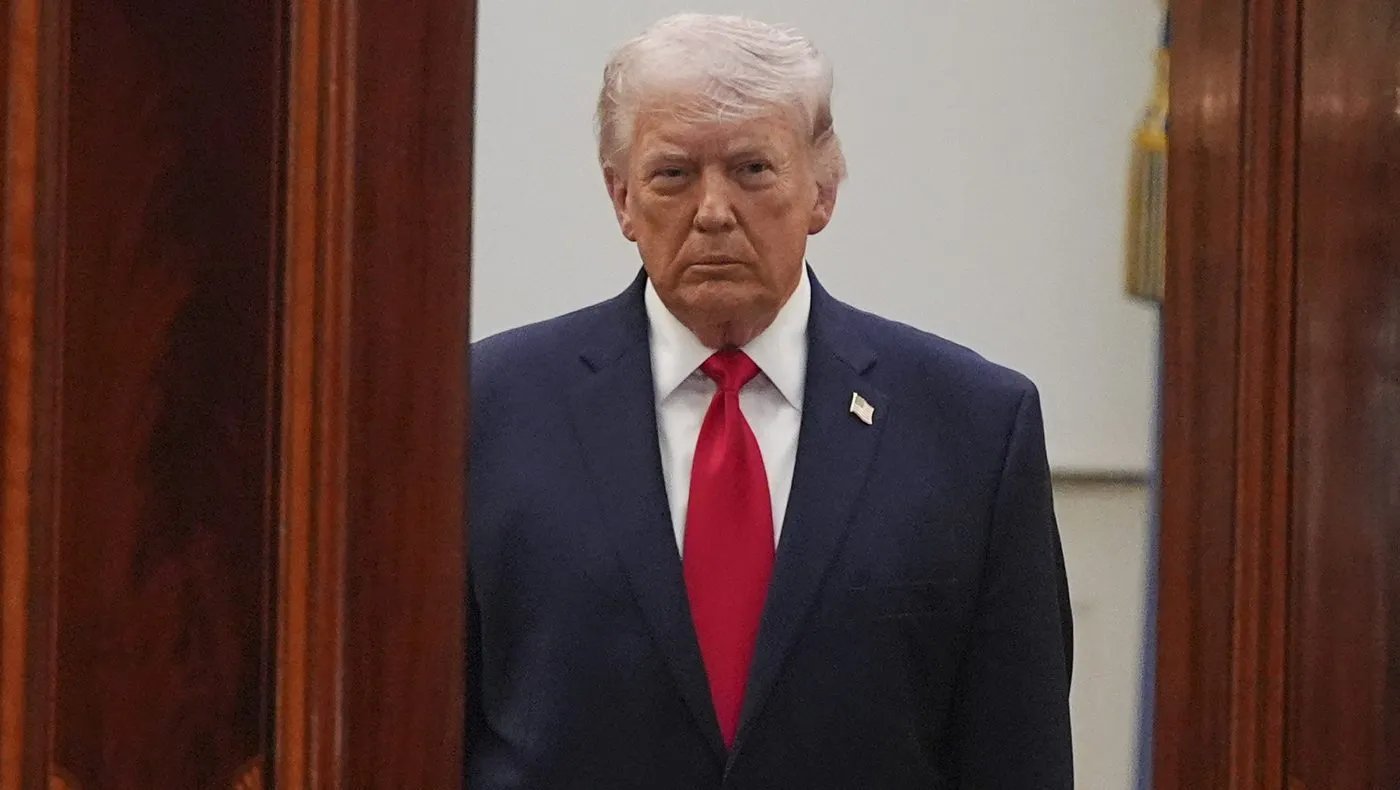
President Trump has issued a stark ultimatum to Iran, threatening to bomb its power plants and bridges if the Strait of Hormuz is not opened. Trump indicated that the U.S. is engaged in "deep negotiations" with Iran, but the details remain murky. Iranian officials have responded by stating they would not comply with any temporary ceasefire proposals or deadlines regarding the strait, further complicating the geopolitical landscape.
As oil prices continue to climb, U.S. gasoline prices have also increased, hitting an average of $4.11 per gallon, a rise of 13 cents from the previous week.
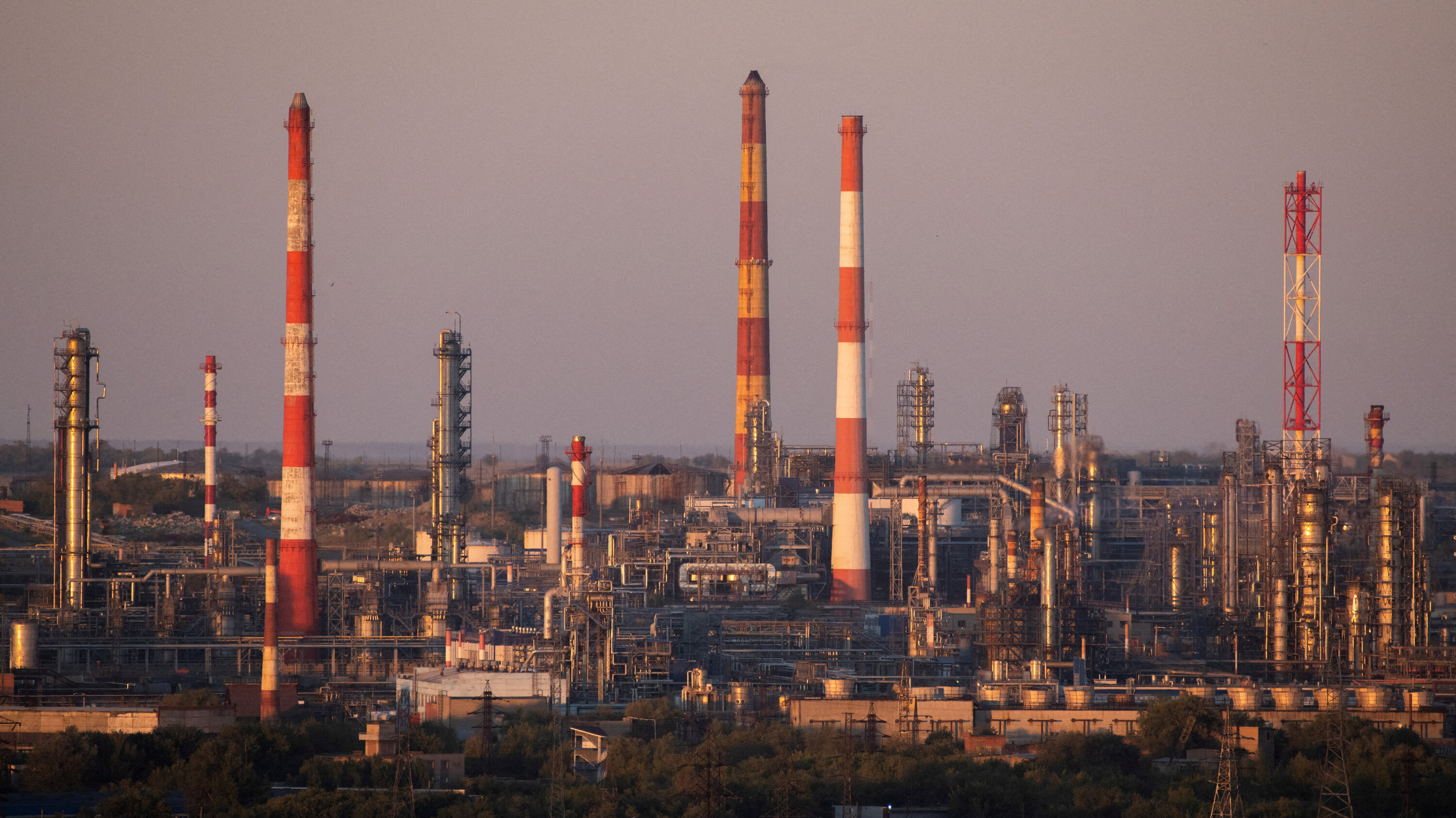
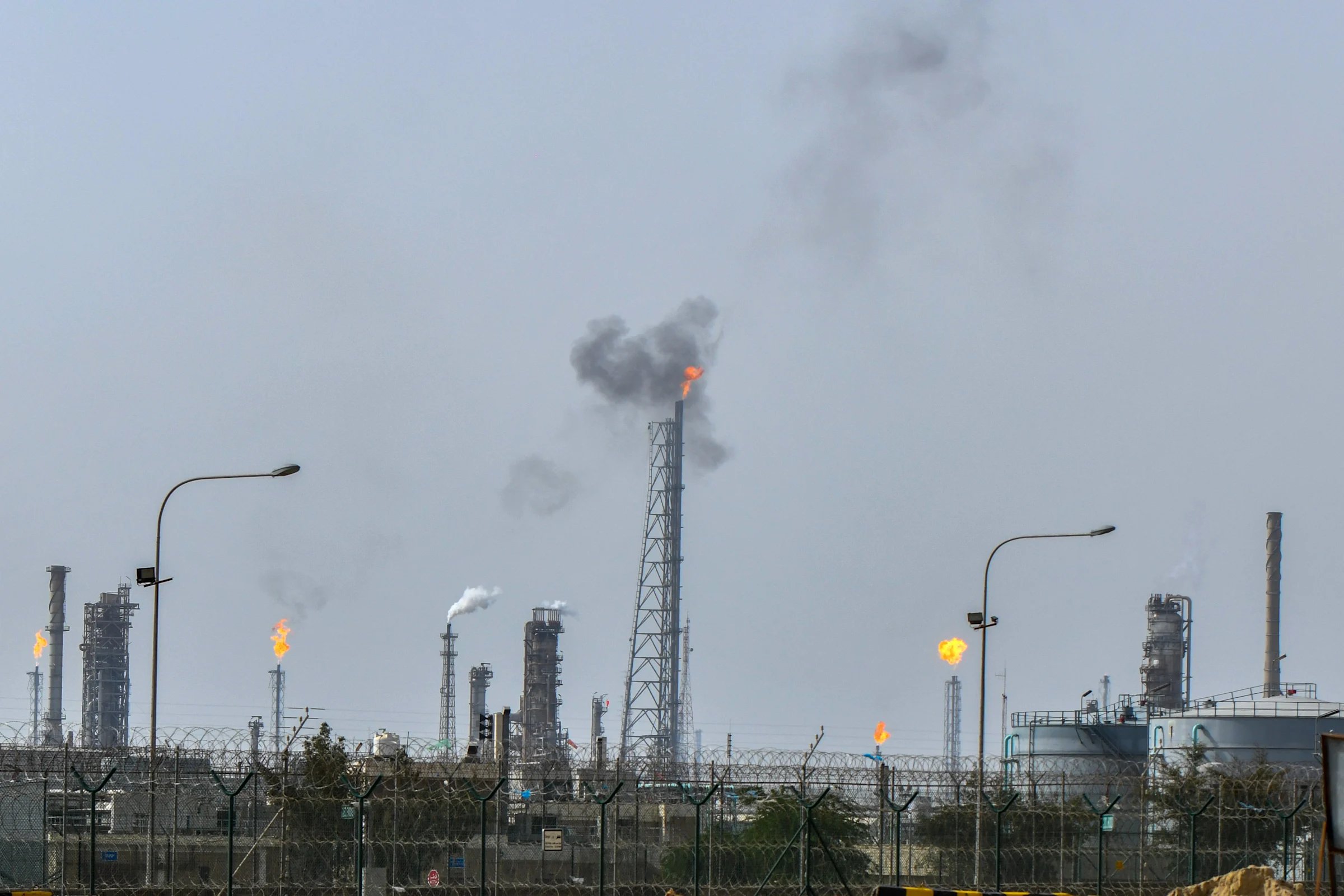
Recent Israeli airstrikes targeted Iranian infrastructure, including the South Pars gas complex, which is crucial for Iran's energy production.
The conflict's ramifications extend to Yemen, where civilians express deep concern over the Houthis' involvement in the Iran war. The ongoing strikes have already exacerbated the humanitarian crisis in a country already on the brink of collapse. Local residents fear that retaliation from Israel could lead to further instability, rising prices, and a worsening humanitarian situation.
Global leaders are watching the situation closely, with European Council President Antonio Costa condemning any attacks on civilian infrastructure as illegal. Costa emphasized the need for negotiations rather than military escalation. Meanwhile, lawmakers in South Korea are exploring alternative oil supply routes as their economy heavily relies on oil imports that transit through the Strait of Hormuz.
As the deadline set by Trump approaches, all eyes will be on the response from Iran and the U.S. A new ceasefire proposal has reportedly been presented by regional mediators, but neither side has officially responded. The potential for further military action looms, leaving global markets and consumers bracing for more volatility in oil prices and energy security.
Brent crude oil prices surged over 1% to exceed $110 per barrel as markets opened on Sunday, reflecting heightened anxieties surrounding the ongoing conflict in Iran. As of 10 PM Sunday ET, the global benchmark was trading at nearly $111 per barrel, driven by mixed signals about the future of the war and its impact on global energy supplies. Analysts note that the situation surrounding the Strait of Hormuz, a vital oil transit route, remains precarious, with President Donald Trump threatening military action against Iran if it does not reopen the strait by Tuesday.
President Trump has issued a stark ultimatum to Iran, threatening to bomb its power plants and bridges if the Strait of Hormuz is not opened. Trump indicated that the U.S. is engaged in "deep negotiations" with Iran, but the details remain murky. Iranian officials have responded by stating they would not comply with any temporary ceasefire proposals or deadlines regarding the strait, further complicating the geopolitical landscape.
As oil prices continue to climb, U.S. gasoline prices have also increased, hitting an average of $4.11 per gallon, a rise of 13 cents from the previous week. The ongoing conflict is expected to have a cascading effect on transportation and energy costs for consumers worldwide. Economists warn that sustained high oil prices could lead to increased inflation, affecting everyday expenses for millions.
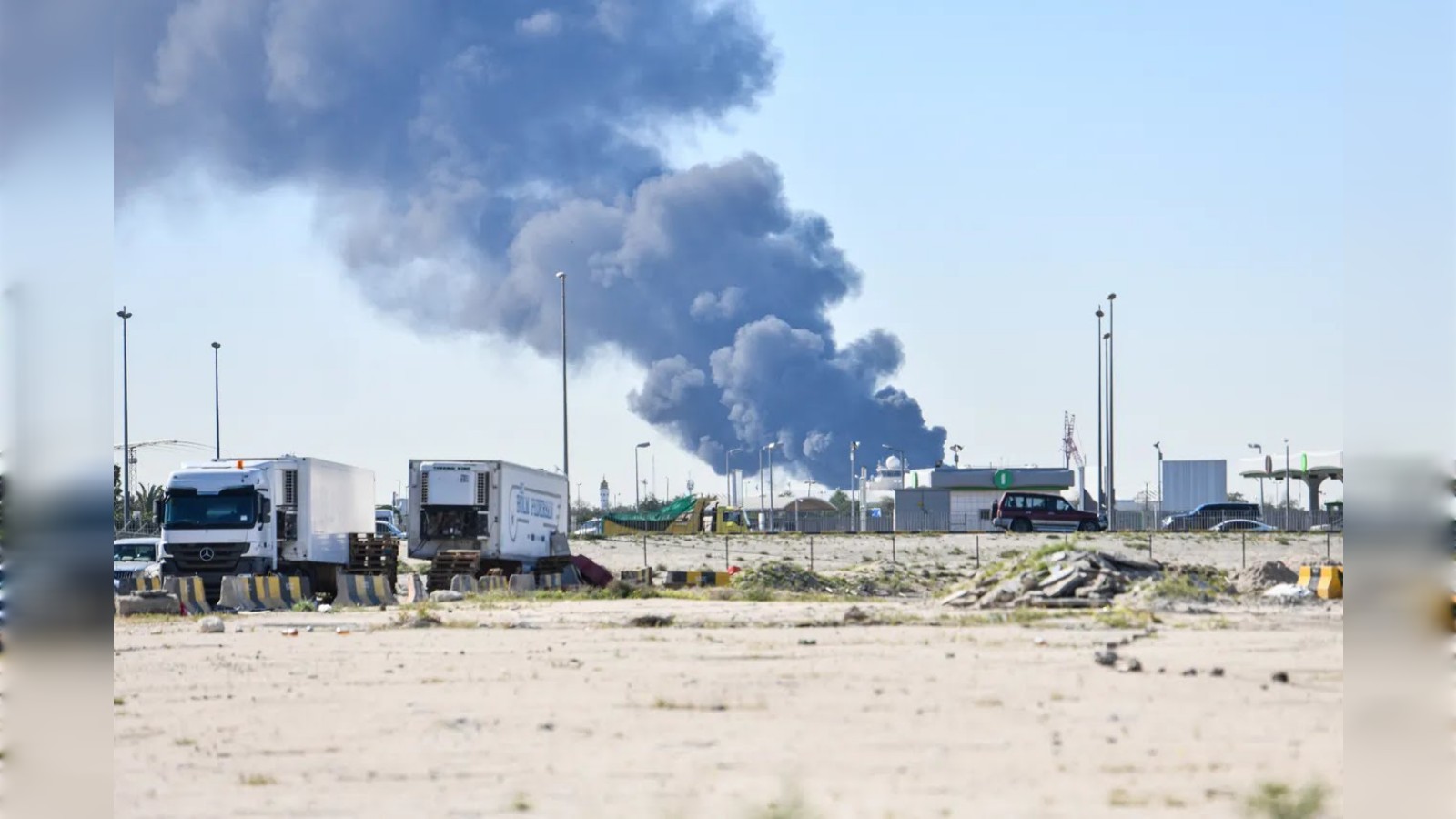
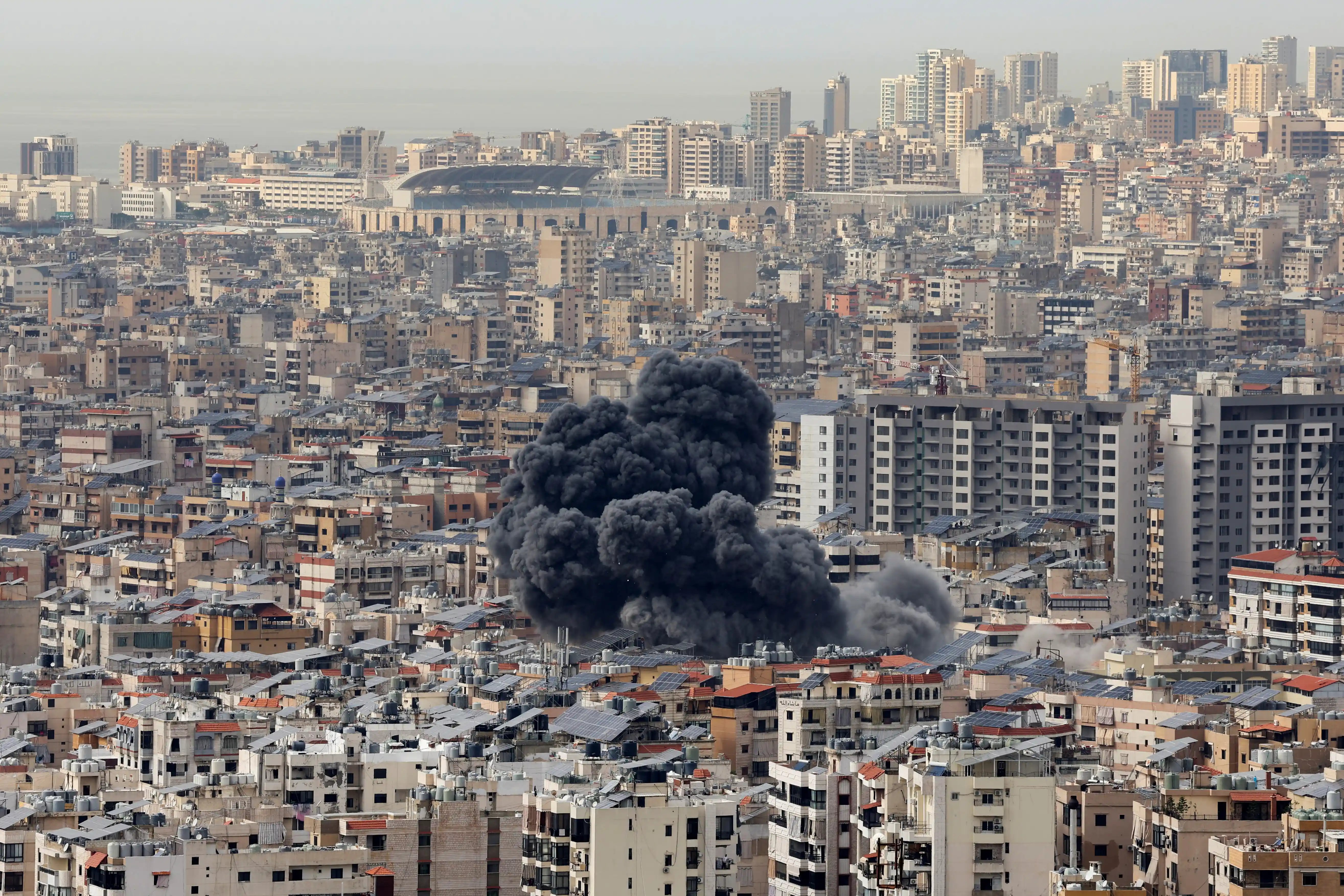
The conflict has seen a significant escalation, with recent Israeli airstrikes targeting Iranian infrastructure, including the South Pars gas complex, which is crucial for Iran's energy production. Israeli Defense Minister Israel Katz confirmed that the strike aimed to impact Iran's petrochemical output, which accounts for about 50% of the country's production. Meanwhile, Iran has retaliated with missile strikes, including one that hit an apartment building in Haifa, resulting in multiple casualties.
The conflict's ramifications extend to Yemen, where civilians express deep concern over the Houthis' involvement in the Iran war. The ongoing strikes have already exacerbated the humanitarian crisis in a country already on the brink of collapse. Local residents fear that retaliation from Israel could lead to further instability, rising prices, and a worsening humanitarian situation. Economic experts predict that disruptions in maritime navigation due to the conflict will significantly impact essential imports, further deepening the crisis.
Global leaders are watching the situation closely, with European Council President Antonio Costa condemning any attacks on civilian infrastructure as illegal. Costa emphasized the need for negotiations rather than military escalation. Meanwhile, lawmakers in South Korea are exploring alternative oil supply routes as their economy heavily relies on oil imports that transit through the Strait of Hormuz.
As the deadline set by Trump approaches, all eyes will be on the response from Iran and the U.S. A new ceasefire proposal has reportedly been presented by regional mediators, but neither side has officially responded. The potential for further military action looms, leaving global markets and consumers bracing for more volatility in oil prices and energy security.
Highlighted text was flagged by the council. Tap to see feedback.