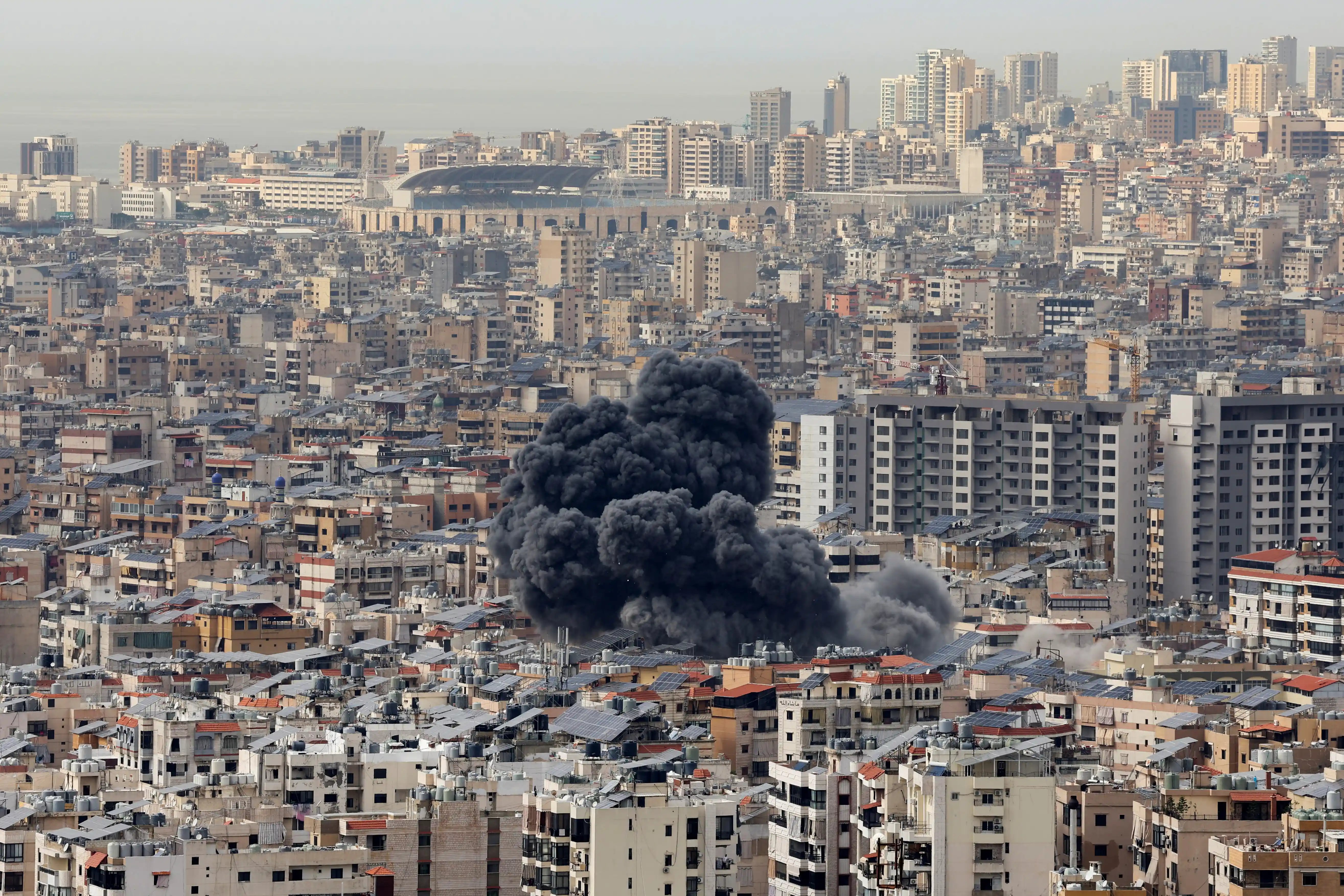
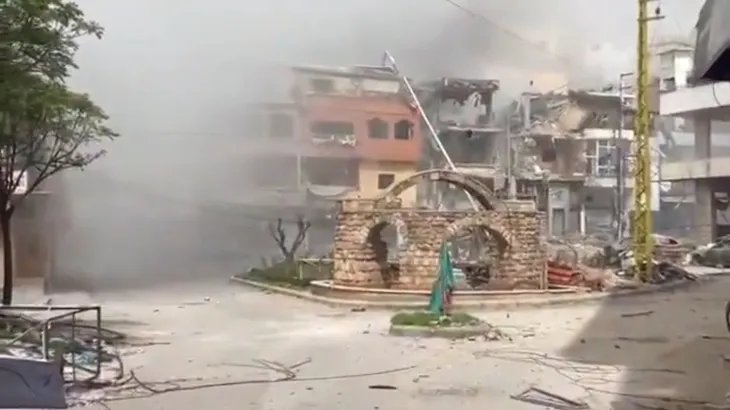
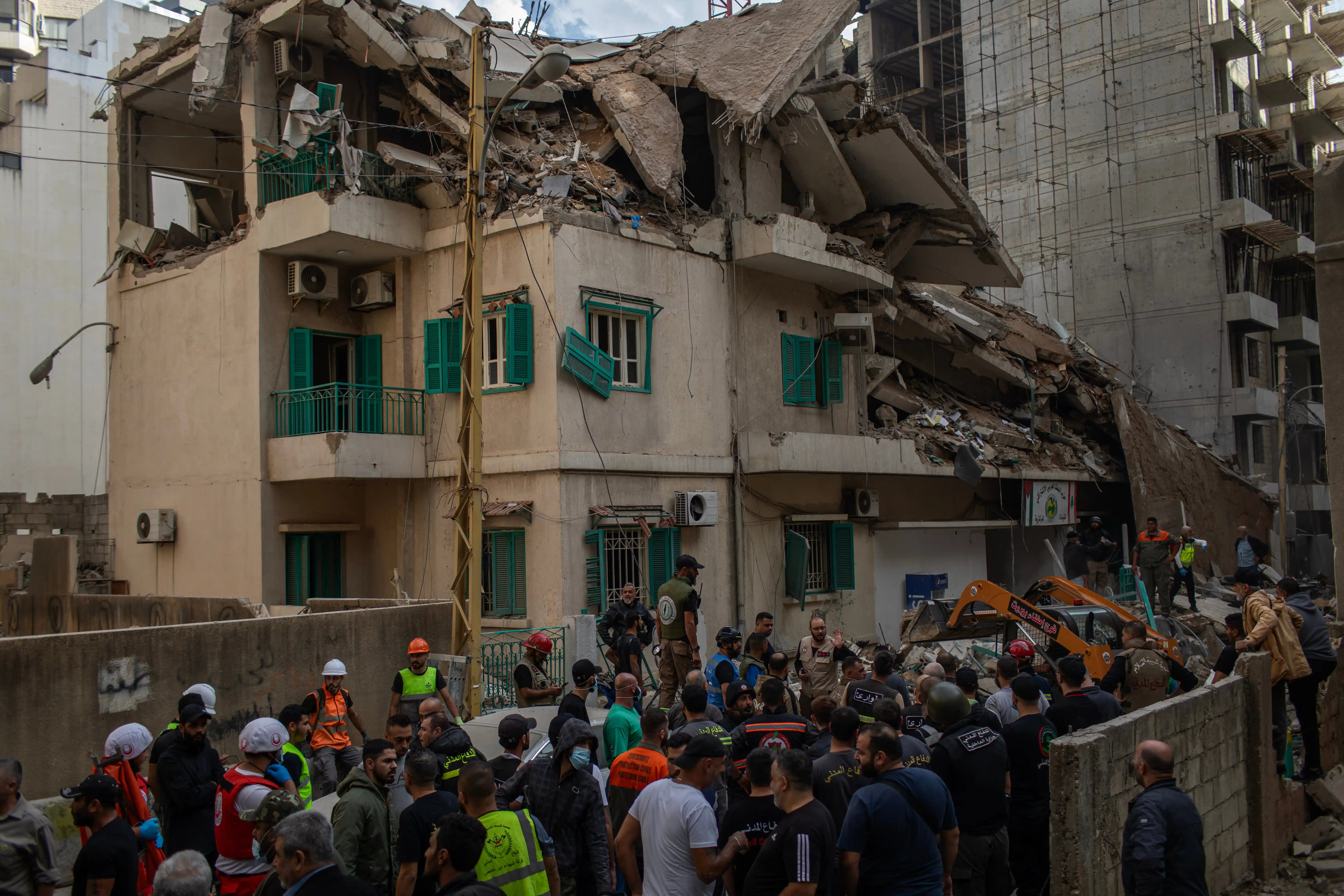
Israeli airstrikes on Sunday killed at least 11 people across Lebanon, including a four-year-old girl in the southern village of Kfarhata and five residents in the Jnah neighborhood of Beirut. The attack on Kfarhata followed an overnight evacuation order by the Israeli military. Another strike hit the predominantly Christian town of Ain Saadeh in the hills east of the capital, killing three people, including two women. Al Jazeera's Heidi Pett reported that the strike appeared to be an attempted assassination targeting a specific apartment. An Israeli drone struck near Ghandour Hospital in Nabatieh al-Fawqa, killing one person and injuring another.
The bombardment marks an expansion of Israeli operations beyond southern Lebanon into areas around the capital that residents believed were safe from attack. Al Jazeera correspondent Heidi Pett reported from Ain Saadeh that the strike "caused a lot of concern, leaving neighbours and first responders confused and frightened" in an area that had not been warned about or targeted before.
On Saturday, the Israeli military issued an evacuation warning targeting Lebanon's Masnaa border crossing with Syria, alleging Hezbollah used the crossing for military purposes.
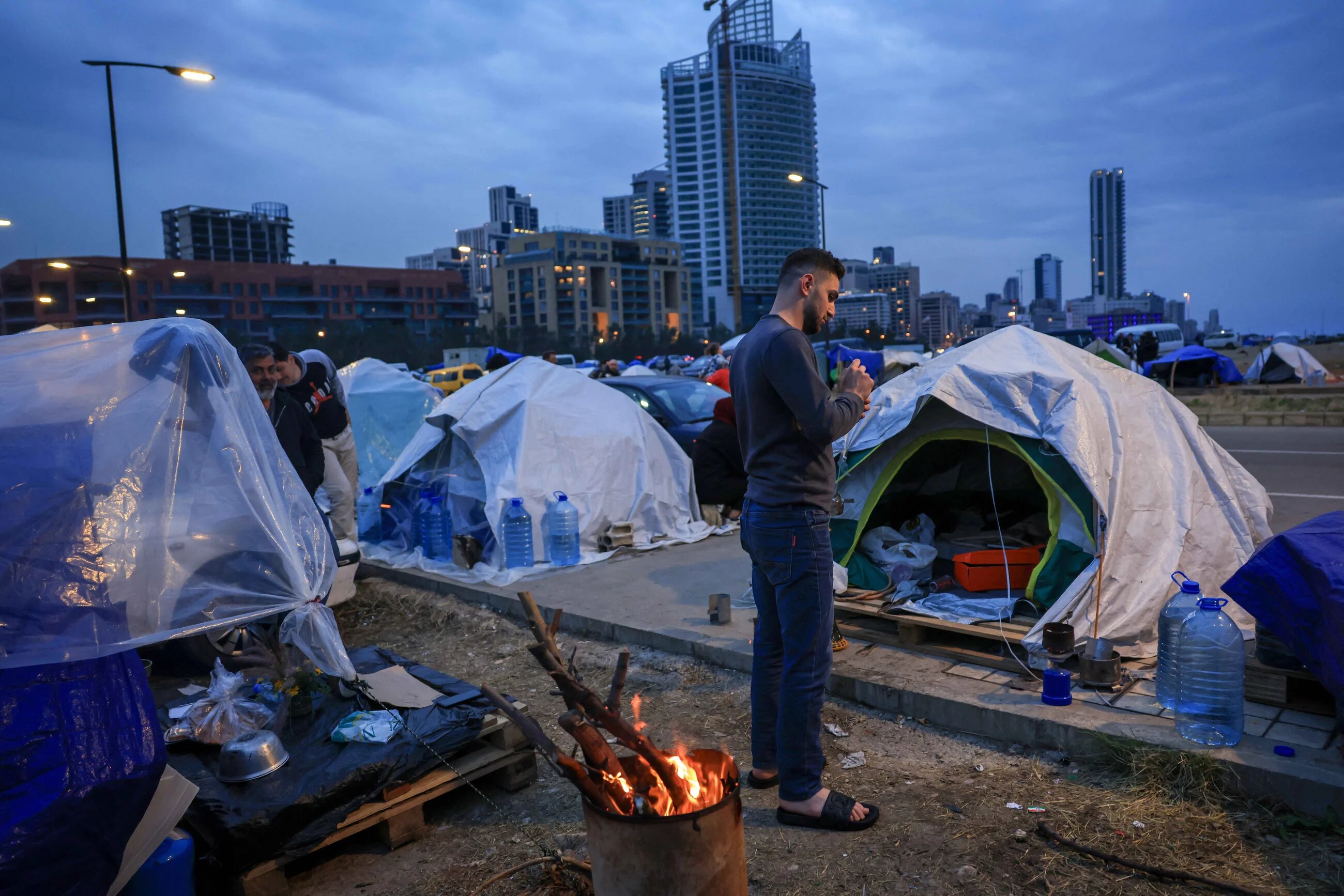
The loss of this crossing comes as displacement has reached catastrophic levels. More than 1.2 million Lebanese residents have been displaced across the country since March 2. Many are sheltering in the hills of Mount Lebanon or in overcrowded collective shelters that have reached maximum capacity. Families unable to find accommodation spend nights in streets, vehicles, and public spaces.
Israeli forces have targeted bridges and transport routes throughout southern Lebanon, effectively cutting off up to 150,000 people from humanitarian assistance, according to Elie Yaacoub, head of Mercy Corps' Lebanon Crisis Analysis Team. Yaacoub told Al Jazeera that the area south of the Litani River was experiencing "the systematic isolation of an entire population" rather than a military escalation.
The destruction mirrors tactics used in the 2006 war, but at a far greater scale. Yaacoub warned that the infrastructure damage "sets back development by years, if not decades, and dramatically increases the cost and complexity of recovery."
Since March 2, at least 1,461 people have been killed in Lebanon and more than 4,400 injured. Lebanese authorities report that approximately 25 percent of all victims are women, children, and medical workers. Among the dead are 126 children. On Sunday alone, an airstrike in the Toul village of the Nabatieh district killed a couple while injuring their two children, aged 15 and nine.
Many families now face displacement for the second time. Between October 2023 and November 2024, Israeli forces had displaced 899,725 residents from southern border villages. Most returned by last October, only to be forced to flee again. The World Bank estimated damage to residential buildings alone at approximately $2.8 billion during that earlier period, with about 99,000 homes damaged or destroyed.
Lebanese President Joseph Aoun pleaded for negotiation on Sunday, asking in a televised address: "Why don't we negotiate until we can at least save the homes that have not yet been destroyed?" His appeal reflects fears the destruction could rival Israel's operations elsewhere in the region.
Israeli airstrikes on Sunday killed at least 11 people across Lebanon, including a four-year-old girl in the southern village of Kfarhata and five residents in the Jnah neighborhood of Beirut. The attack on Kfarhata followed an overnight evacuation order by the Israeli military. Another strike hit the predominantly Christian town of Ain Saadeh in the hills east of the capital, killing three people, including two women, in what appeared to be an attempted assassination targeting a specific apartment. An Israeli drone struck near Ghandour Hospital in Nabatieh al-Fawqa, killing one person and injuring another.
The bombardment marks an expansion of Israeli operations beyond southern Lebanon into areas around the capital that residents believed were safe from attack. Al Jazeera correspondent Heidi Pett reported from Ain Saadeh that the strike "caused a lot of concern, leaving neighbours and first responders confused and frightened" in an area that had not been warned about or targeted before.
Syria closed its main border crossing with Lebanon at Masnaa on Saturday after the Israeli military issued an evacuation warning, alleging Hezbollah used the crossing for military purposes. The closure cuts the primary land route for goods and refugees between the two countries for the first time since 2006, compounding an already severe humanitarian crisis.
The loss of this crossing comes as displacement has reached catastrophic levels. More than 1.2 million Lebanese residents have fled their homes since March 2, with 1.2 million people now displaced across the country. Many are sheltering in the hills of Mount Lebanon or in overcrowded collective shelters that have reached maximum capacity. Families unable to find accommodation spend nights in streets, vehicles, and public spaces.
Israeli forces have targeted bridges and transport routes throughout southern Lebanon, effectively cutting off up to 150,000 people from humanitarian assistance, according to Elie Yaacoub, head of Mercy Corps' Lebanon Crisis Analysis Team. Yaacoub told Al Jazeera that the area south of the Litani River was experiencing "the systematic isolation of an entire population" rather than a military escalation.
The destruction mirrors tactics used in the 2006 war, but at a far greater scale. Yaacoub warned that the infrastructure damage "sets back development by years, if not decades, and dramatically increases the cost and complexity of recovery." The Israeli military expanded evacuation orders on March 12 to cover territory from the Litani River to north of the Zahrani River, roughly 40 kilometers north of the Israeli border, affecting approximately 15 percent of Lebanese territory.
Since March 2, at least 1,461 people have been killed in Lebanon and more than 4,400 injured. Lebanese authorities report that approximately 25 percent of all victims are women, children, and medical workers. Among the dead are 126 children. On Sunday alone, an airstrike in the Toul village of the Nabatieh district killed a couple while injuring their two children, aged 15 and nine.
Many families now face displacement for the second time. Between October 2023 and November 2024, Israeli forces had displaced 899,725 residents from southern border villages. Most returned by last October, only to be forced to flee again. The World Bank estimated damage to residential buildings alone at approximately $2.8 billion during that earlier period, with about 99,000 homes damaged or destroyed.
Lebanese President Joseph Aoun pleaded for negotiation on Sunday, asking in a televised address: "Why don't we negotiate until we can at least save the homes that have not yet been destroyed?" His appeal reflects fears the destruction could rival Israel's operations elsewhere in the region.
Highlighted text was flagged by the council. Tap to see feedback.














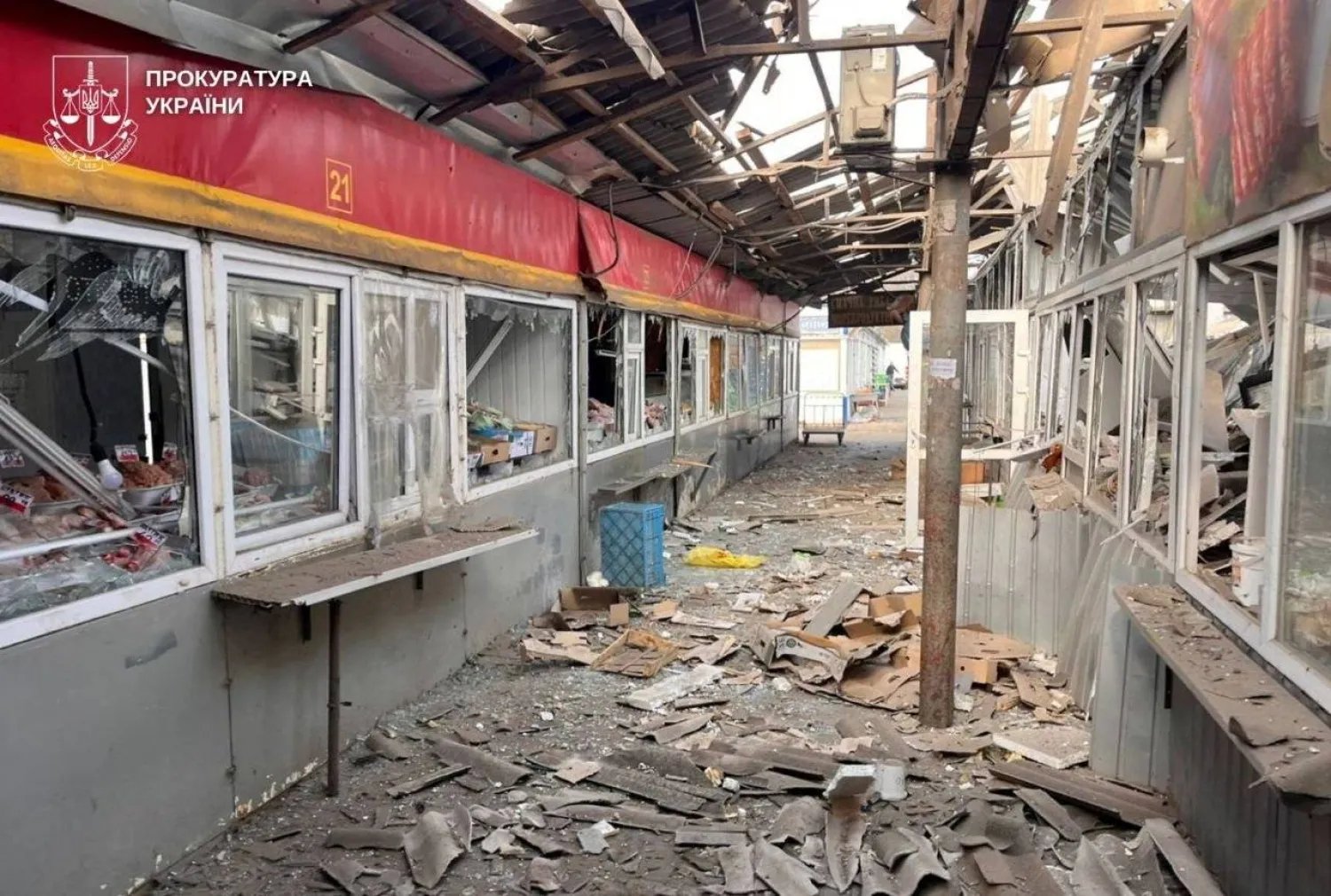




The sources also report that among the injured, eight children were included in the 52 people hurt in an Israeli airstrike on the Jnah area in southern Beirut.