
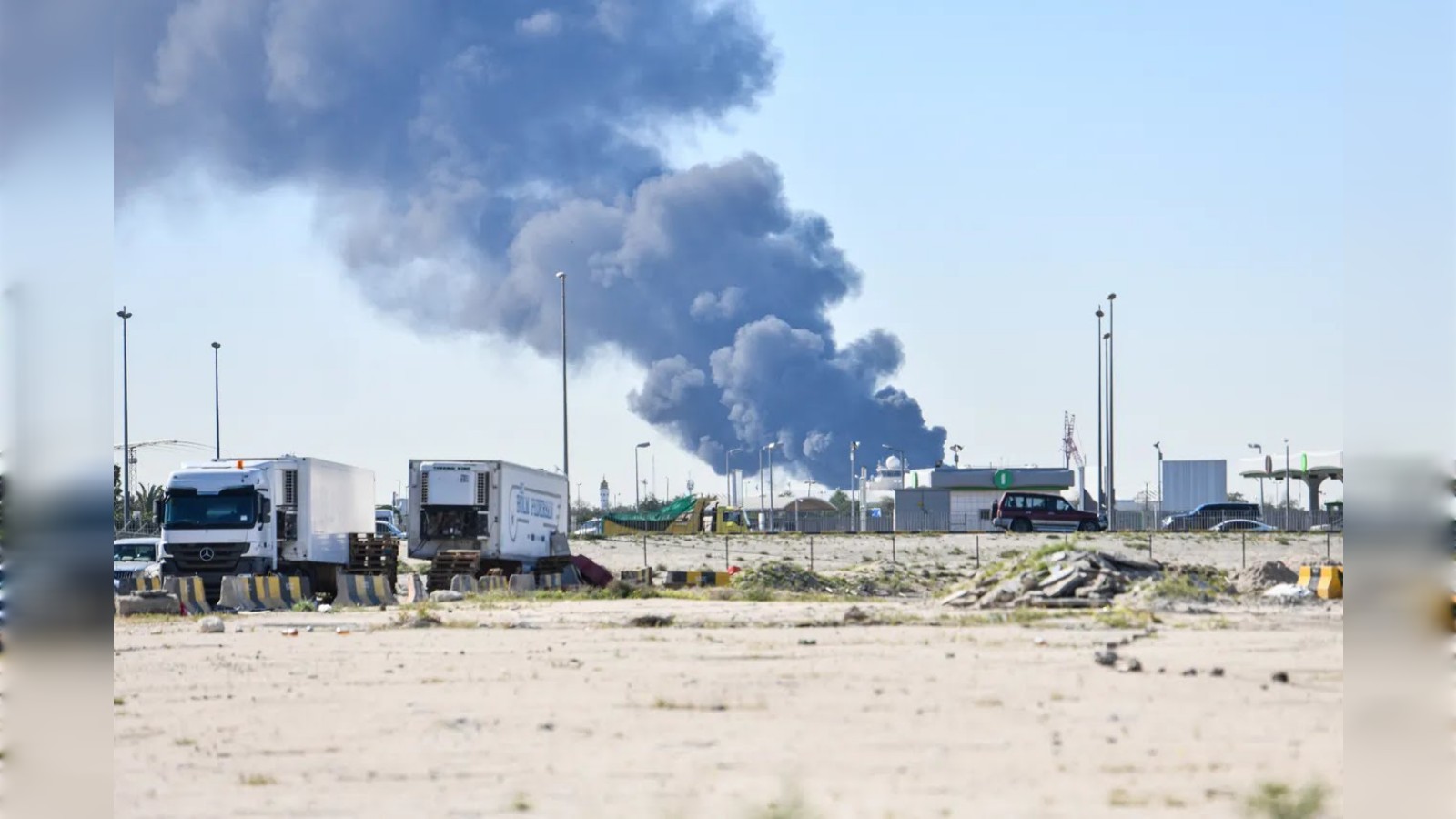




Damage in Kuwait
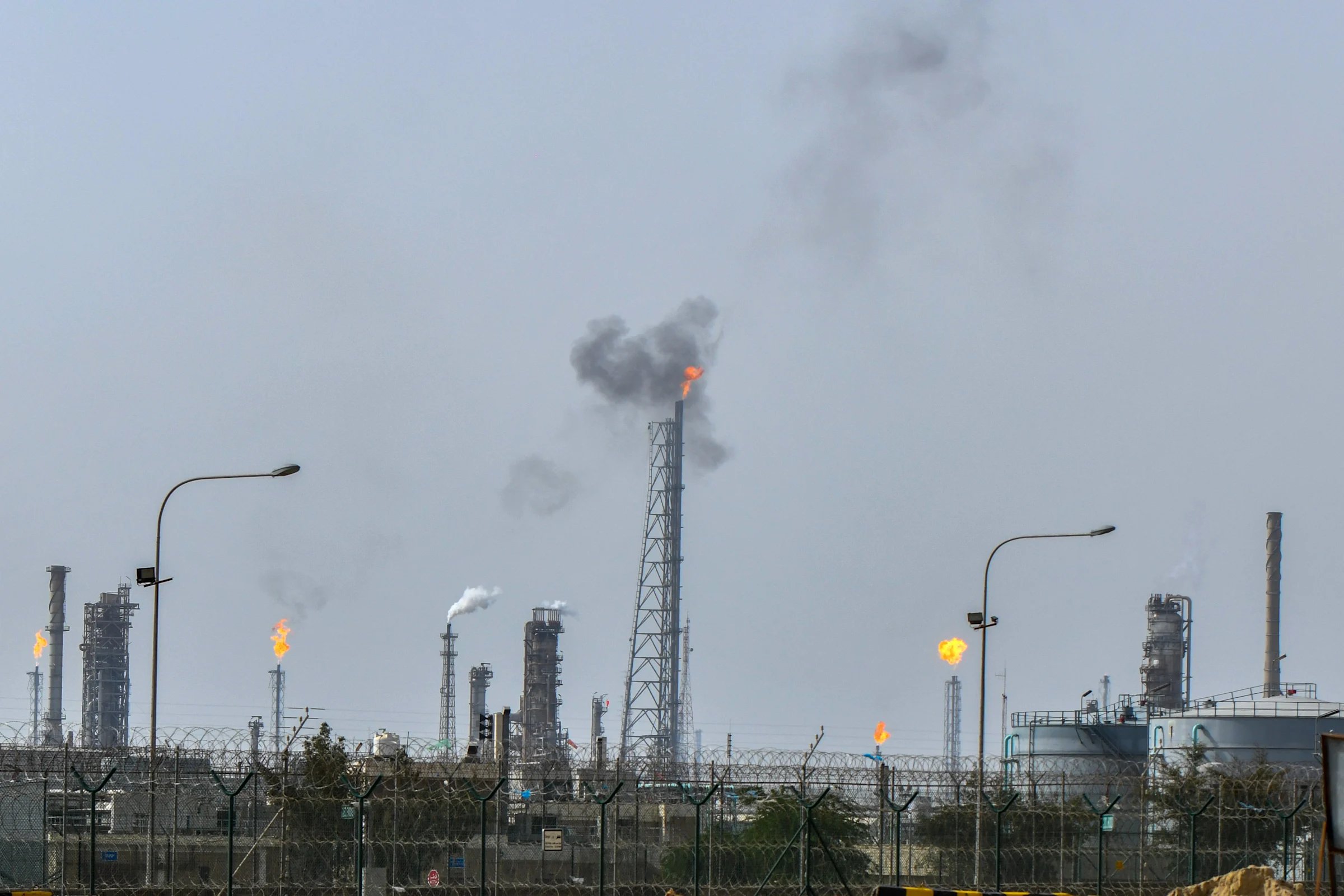
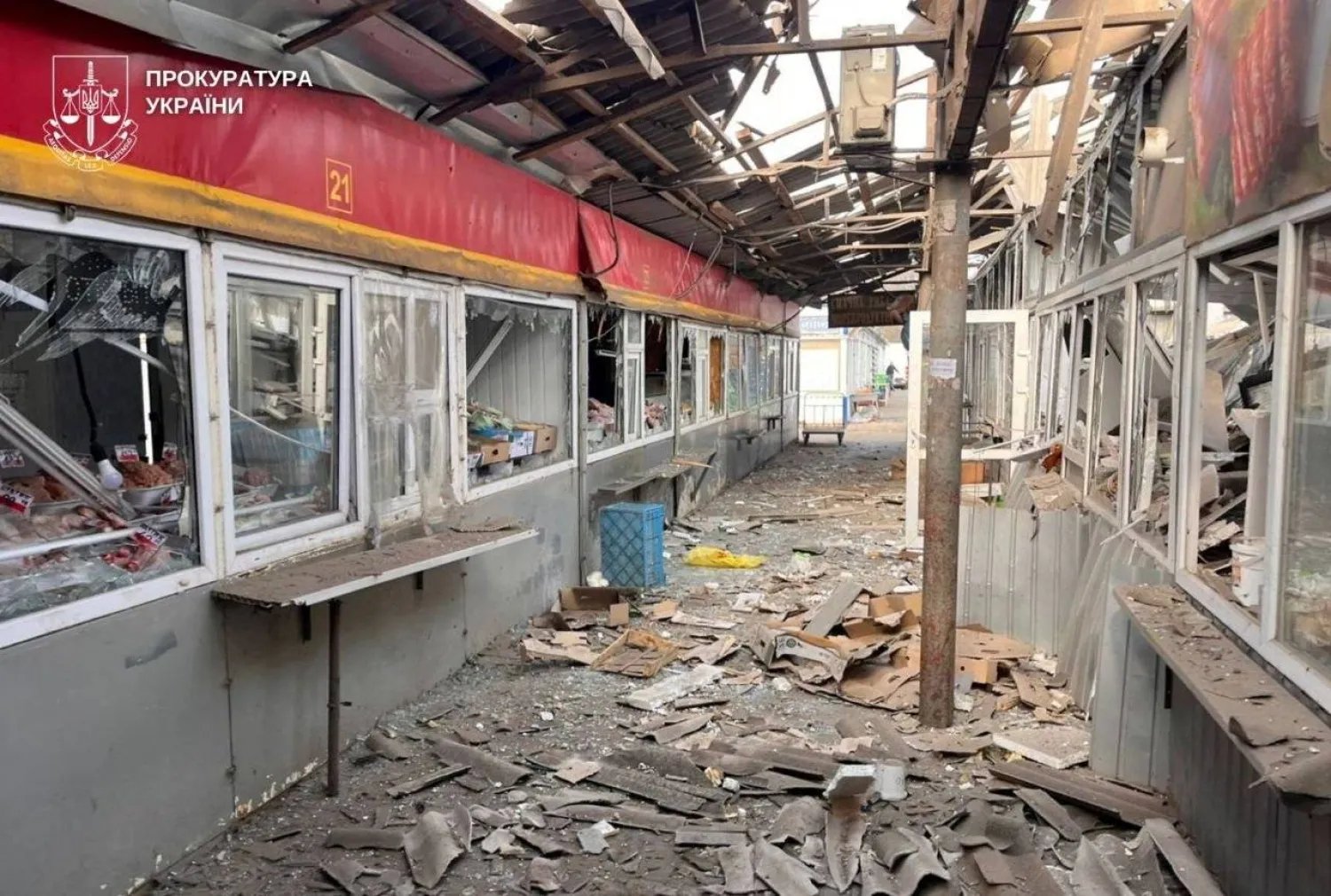
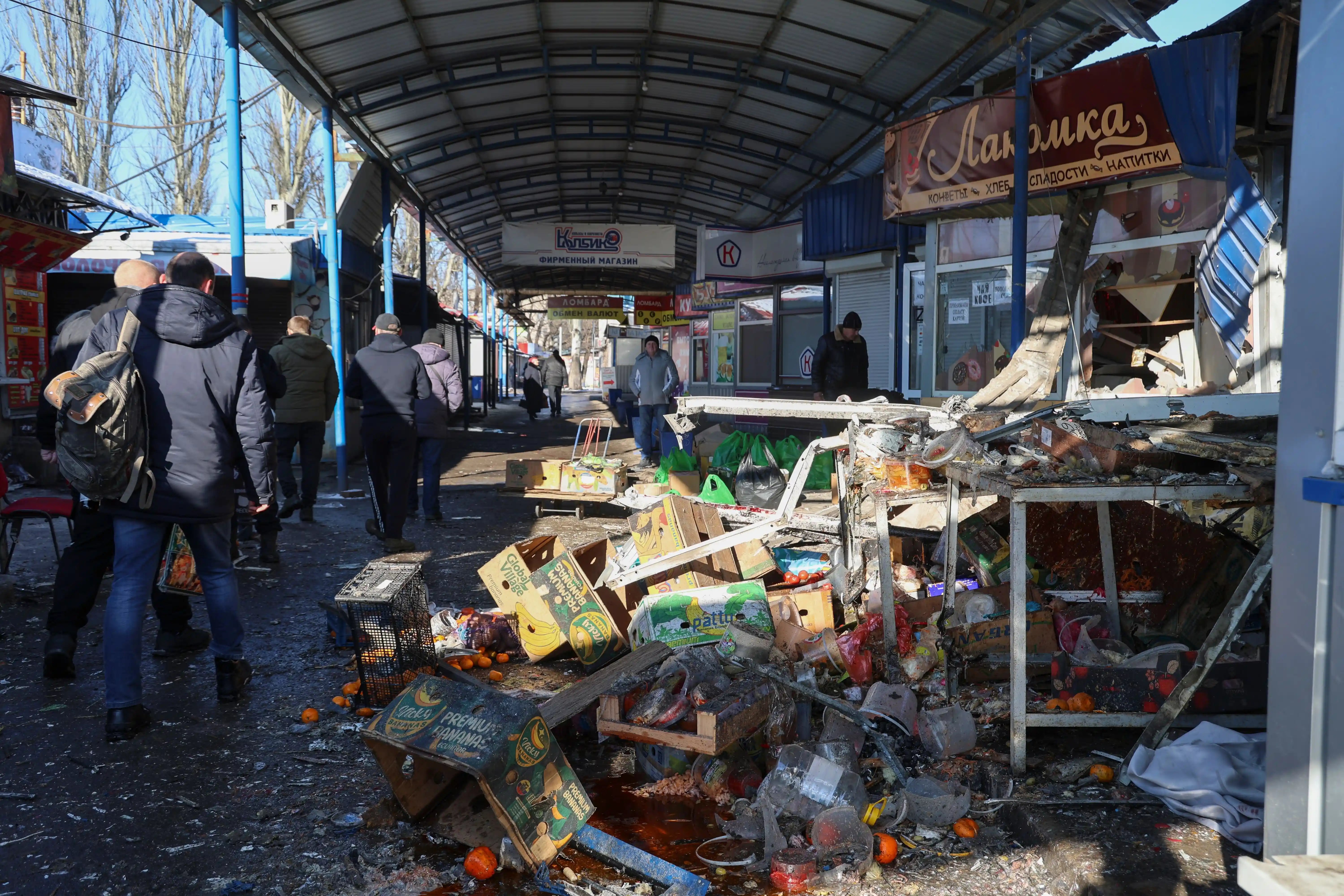
Iranian drones struck Kuwait's oil infrastructure on Sunday, causing "severe material damage" ahead of an Opec+ meeting to discuss increasing output. The Kuwait Petroleum Corporation (KPC) reported fires at its Shuwaikh oil sector complex, which houses the oil ministry and KPC headquarters, following a drone attack. The Islamic Revolutionary Guard Corps claimed responsibility, stating they attacked petrochemical plants in Kuwait, as well as the United Arab Emirates and Bahrain.
Regional Infrastructure Hit
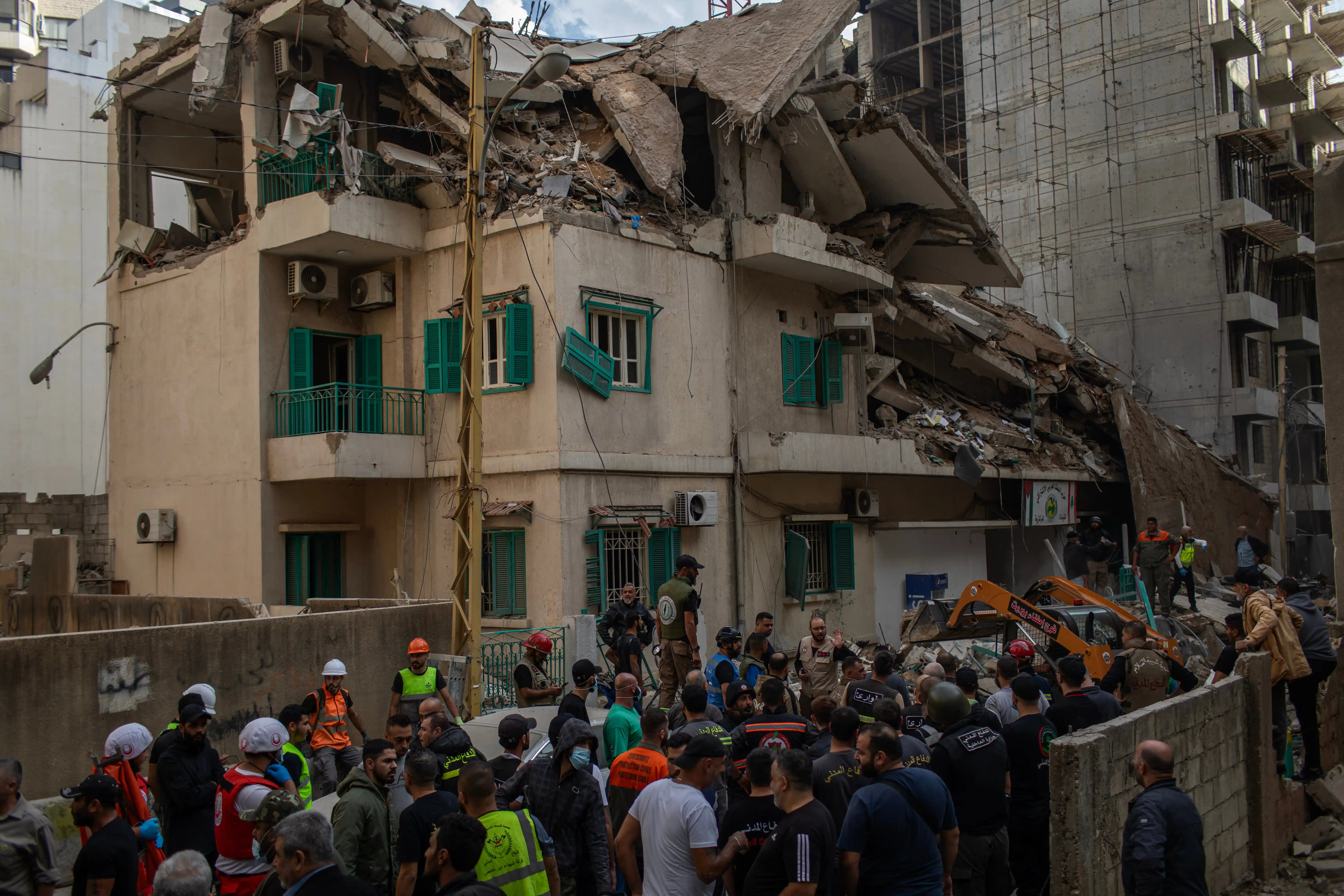
Critical infrastructure in the Gulf suffered damage from Iranian attacks on Sunday, impacting civilian facilities in the United Arab Emirates, Bahrain, and Kuwait. Authorities in Abu Dhabi reported battling fires at a petrochemical plant in Ruwais Industrial City on the UAE's northwest coast. Operations at the Borouge petrochemicals plant were immediately suspended while damage is assessed. Local media reported attacks on two power and water desalination plants in Kuwait.
OPEC+ Response
However, the increase is viewed as largely symbolic due to Iran's closure of the Strait of Hormuz. Eight members of OPEC+, including Saudi Arabia, Russia, Iraq, the UAE, Kuwait, Kazakhstan, Algeria, and Oman, agreed to increase May quotas during a virtual meeting. The group stressed the "critical importance of safeguarding international maritime routes to ensure the uninterrupted flow of energy."

The sources report that the increase of 206,000 barrels per day was agreed upon by eight members of OPEC+, specifically naming Saudi Arabia, Russia, Iraq, the UAE, Kuwait, Kazakhstan, Algeria, and Oman.
Strait of Hormuz Blockade
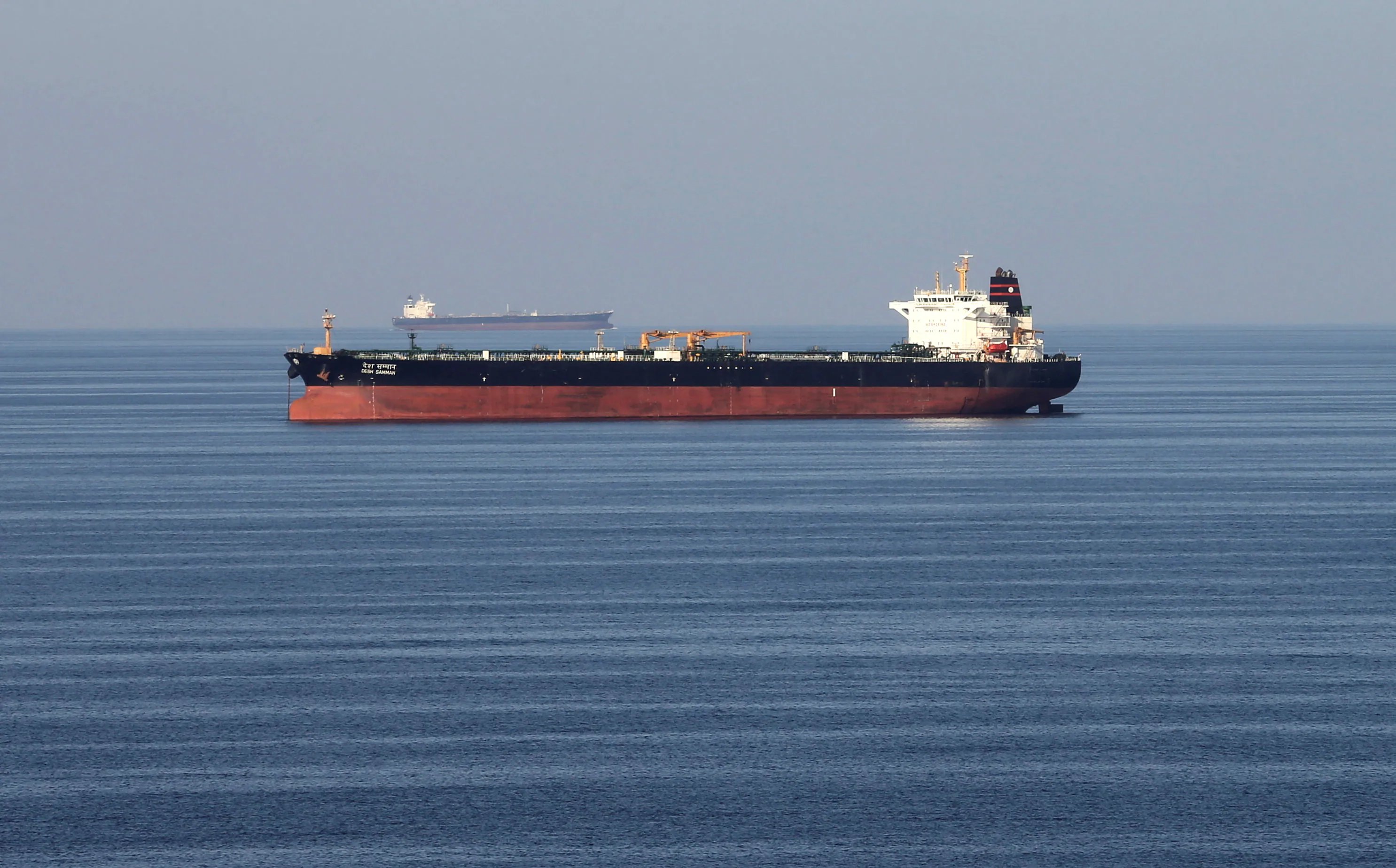
Oil supply disruption is estimated to have removed as much as 12 to 15 million barrels per day, or up to 15 percent of global supply. The strait is a vital trade artery through which about 20% of the world's total crude oil typically passes. Iran has said Iraq was exempt from any transit restrictions through the strait, with shipping data showing a tanker loaded with Iraqi crude passing through the waterway. Oman's Foreign Ministry announced deputy foreign minister-level talks with Iran to discuss options to ensure smooth vessel transit through the Strait of Hormuz.
Rising Oil Prices
Brent crude has risen more than 50% since the start of the year, reaching a peak of $119.50 a barrel in March. It is now trading at about $109 a barrel. The average price of a litre of unleaded petrol in the UK was 154.45p on Sunday, while the average for diesel was 185.23p. Last week, average US fuel prices passed $4 a gallon for the first time in four years, and on Sunday the national average was $4.110. JPMorgan said oil prices could spike above $150 if oil flows through the Strait of Hormuz remain disrupted into mid-May.
Trump's Ultimatum
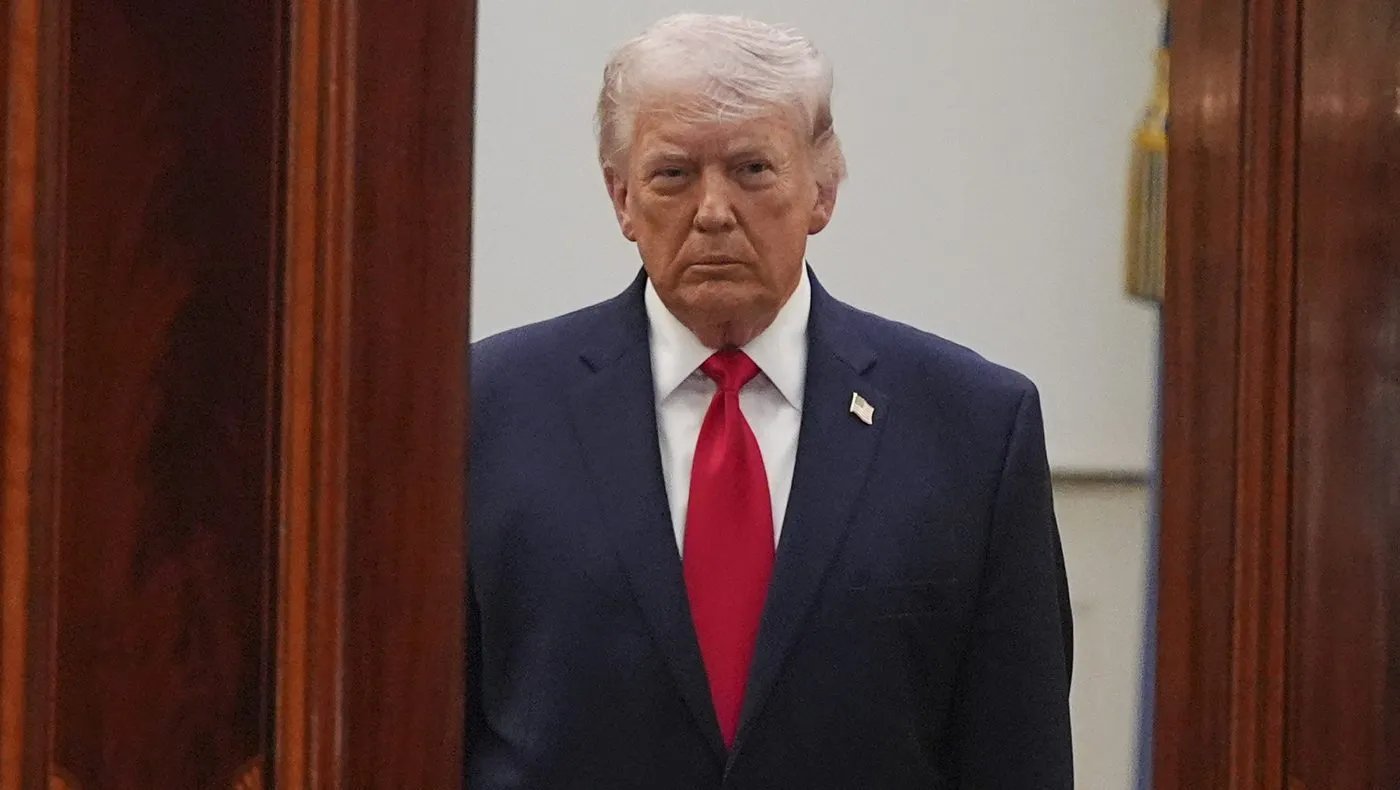
Donald Trump threatened to destroy vital Iranian infrastructure if Tehran did not accept a peace deal within 48 hours. Iran's central military command rejected the ultimatum. An Israeli attack on Iran's petrochemical plants killed at least five people on Saturday. Japanese Prime Minister Sanae Takaichi said she is looking to hold talks with Iran's leader and possibly also a separate call with Donald Trump.
The attacks on Middle East energy assets will have a prolonged impact on oil supply even after the Iran war ends, according to OPEC+.






















The sources also report that the agreed increase is 206,000 barrels per day.