





Immediate Oil Market Turmoil
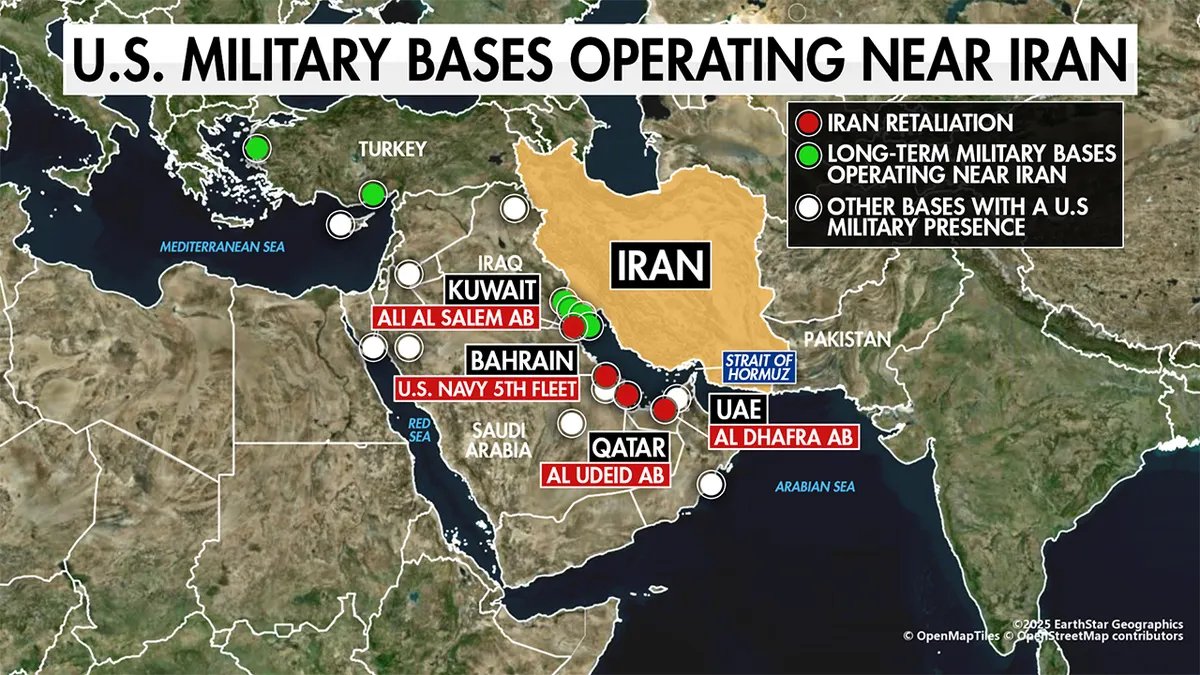
Energy traders worldwide adjusted strategies over the weekend as U.S.-Israeli drones targeted Tehran, leading to an unprecedented shutdown of the Strait of Hormuz. Oil and gas prices spiked when traders returned to desks that March Monday, with Brent crude recording its steepest one-month gains and dramatic daily fluctuations. One trading analyst at a major European energy company said he had warned colleagues for weeks to prepare for war with Iran, but his trader shorted the market instead and lost millions.
Trader Losses and Opportunities
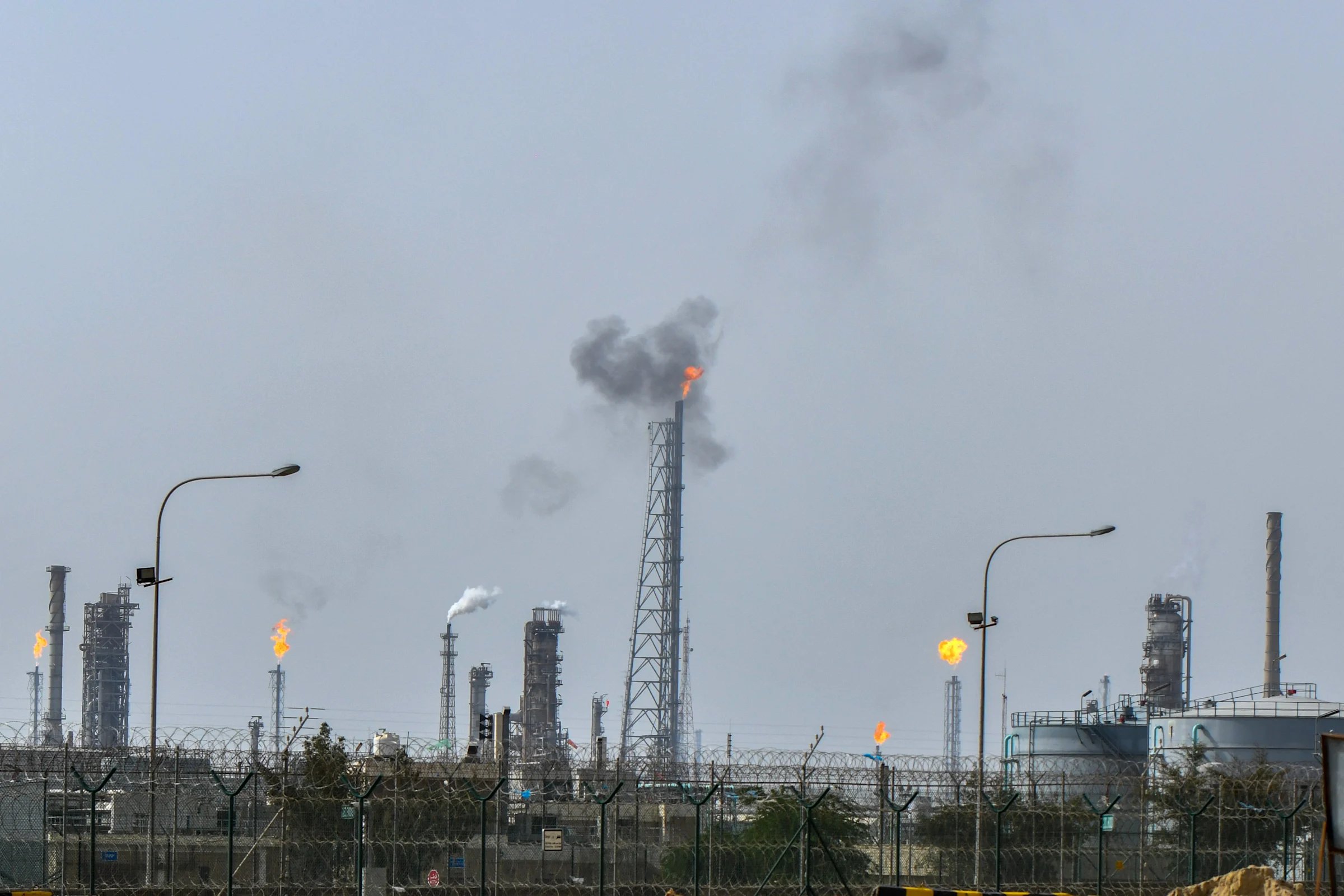
The Middle East conflict exposed energy traders to heavy losses, as global markets whipsawed in response to damaged infrastructure and throttled fossil fuel flows. A flurry of trades worth $580 million bet on an oil price slump, triggering one of the sharpest oil futures sell-offs ever recorded, amid rumors of insider trading linked to U.S. announcements. Amrita Sen, founder of Energy Aspects, noted that futures prices mask true market tightness, with physical crude for prompt delivery jumping $13 a barrel to $141, the highest since 2008.
Supply Chain Disruptions Worldwide
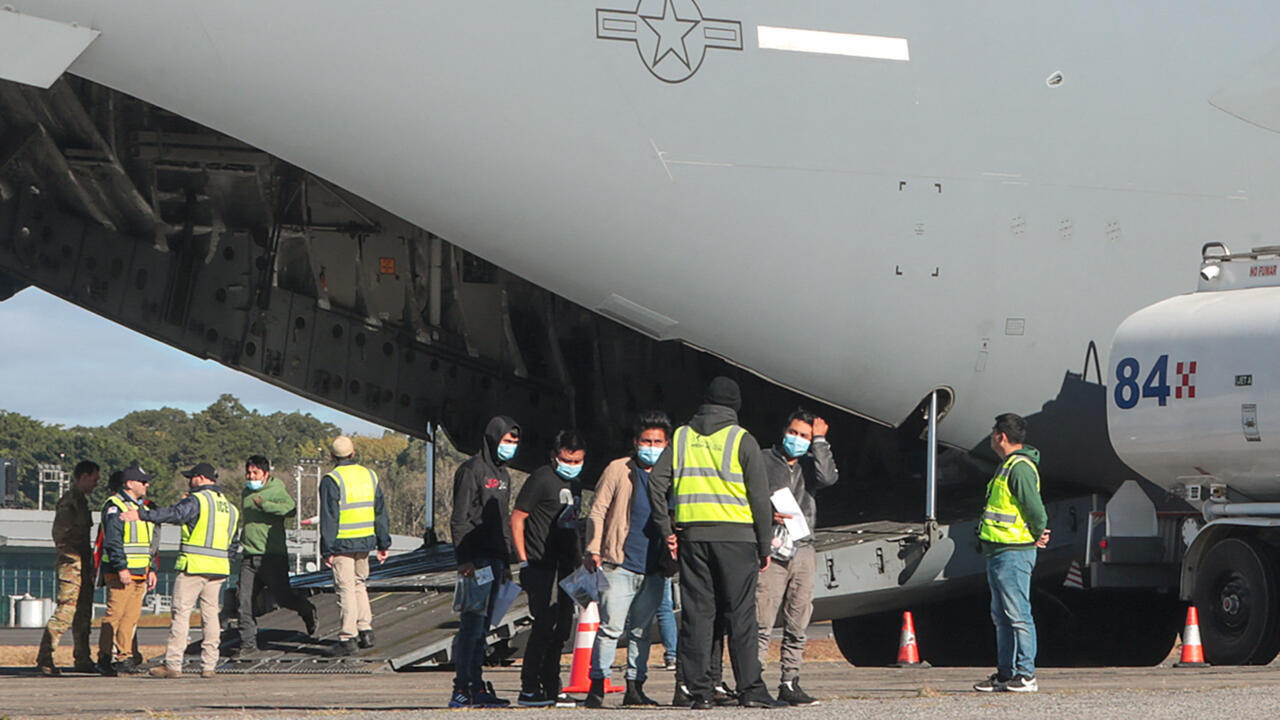
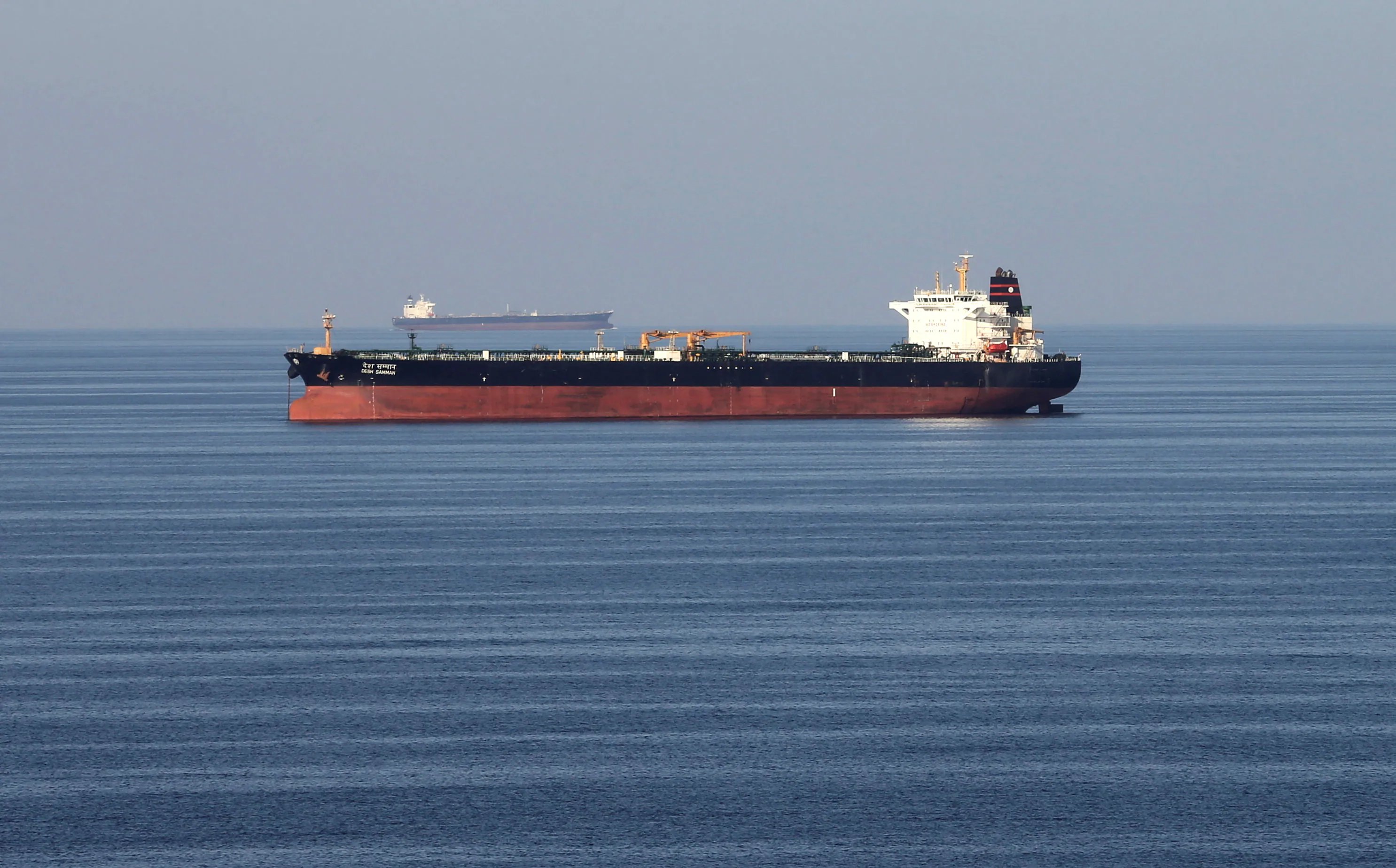
Tankers carrying millions of barrels of crude reversed course in the Atlantic, diverting to Asia where the crisis hit hardest, as nearly a dozen liquefied natural gas vessels changed destinations from Europe. Several airports in Italy issued advisories for limited jet fuel supplies in the coming days, reflecting the conflict's persistent impact on global energy logistics. The Gulf region, responsible for a fifth of the world's oil and gas, triggered emergency rationing in parts of Asia and Africa, with Europe preparing for potential shortages.
U.S. Government Role in Price Control
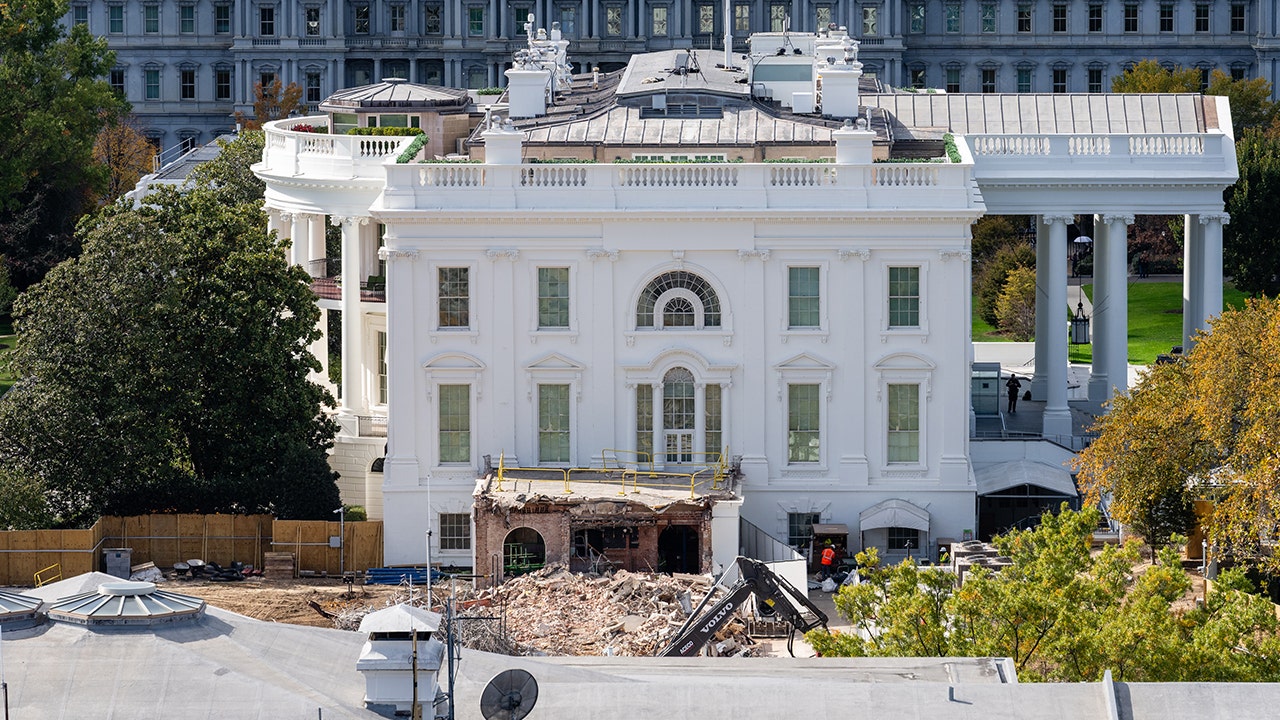
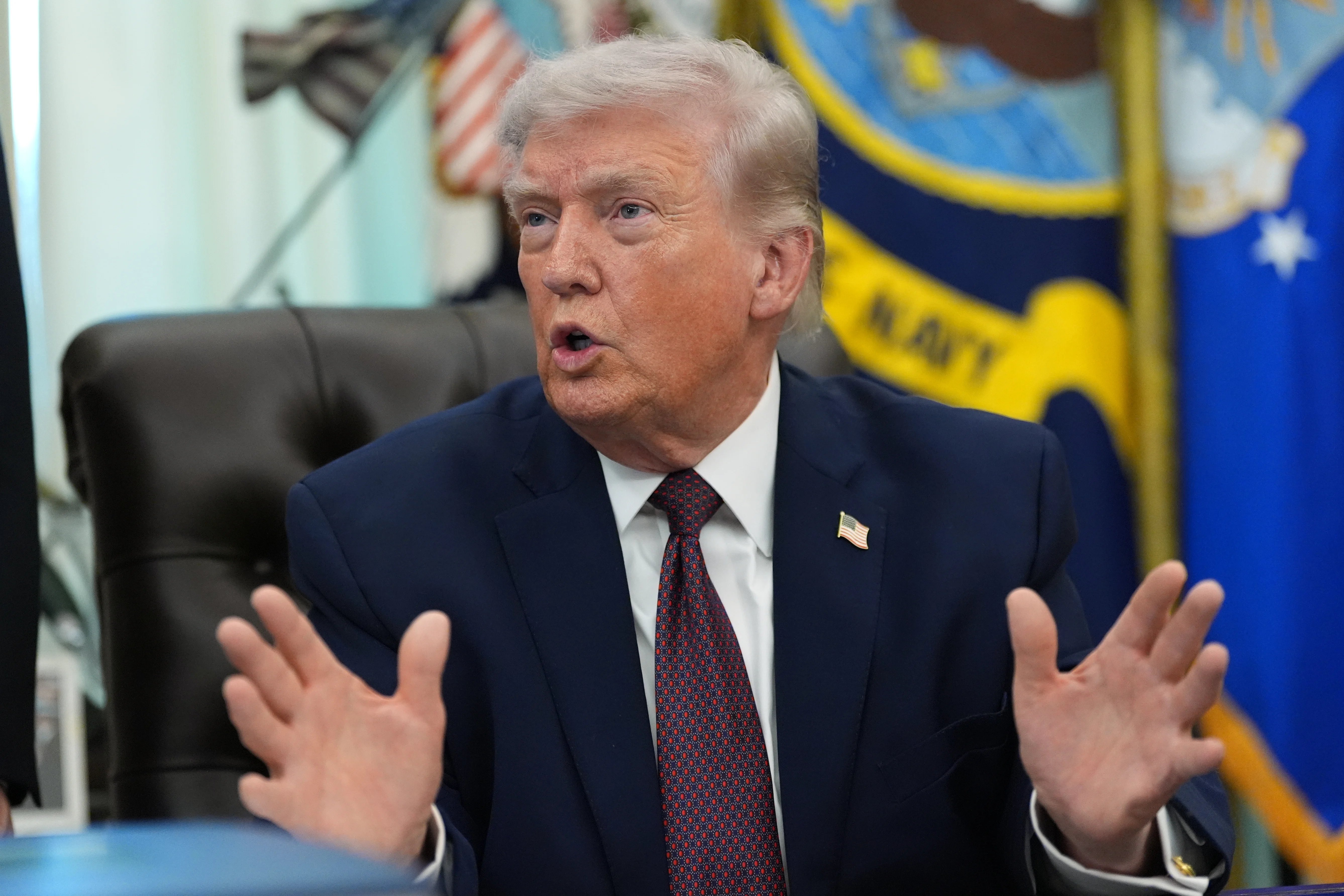
The White House, under Trump's administration, downplayed the market effects of the military campaign, assuring resolution sooner than expected and releasing emergency oil reserves through a contract promising to return 1.2 barrels per one taken. Treasury Secretary Scott Bessent denied plans for market intervention after discussions led by Doug Burgum, yet rumors persisted of possible U.S. involvement to cap prices. Tim Skirrow, head of derivatives at Energy Aspects, explained that this strategy forces sellers to hedge high front-curve prices, aiming to keep short-term oil costs down amid gathering U.S. troops in the region.
Economic Ripples Beyond Energy
Chinese bonds approached an inflection point, with yields climbing from record lows as deflationary pressures eased, potentially signaling shifts in monetary expectations tied to global instability. Indonesia's sovereign wealth fund advanced a $159 million deal to merge asset management units of state-owned lenders, boosting regional competitiveness amid broader market uncertainty. These moves highlight how energy volatility reverberates through equity markets, raising fears for global economic stability as U.S. fuel prices exceeded $4 a gallon for the first time in four years.

For example, the sources omit any mention of Chinese bonds or Indonesia's sovereign wealth fund deal.
Human Impact on Daily Life
This disruption underscores the need for individuals to monitor fuel costs closely, as global supply gaps continue to influence everyday expenses.




















The sources also report that futures prices for physical crude cargoes jumped $13 a barrel to $141, indicating significant market fluctuations amid the crisis.