
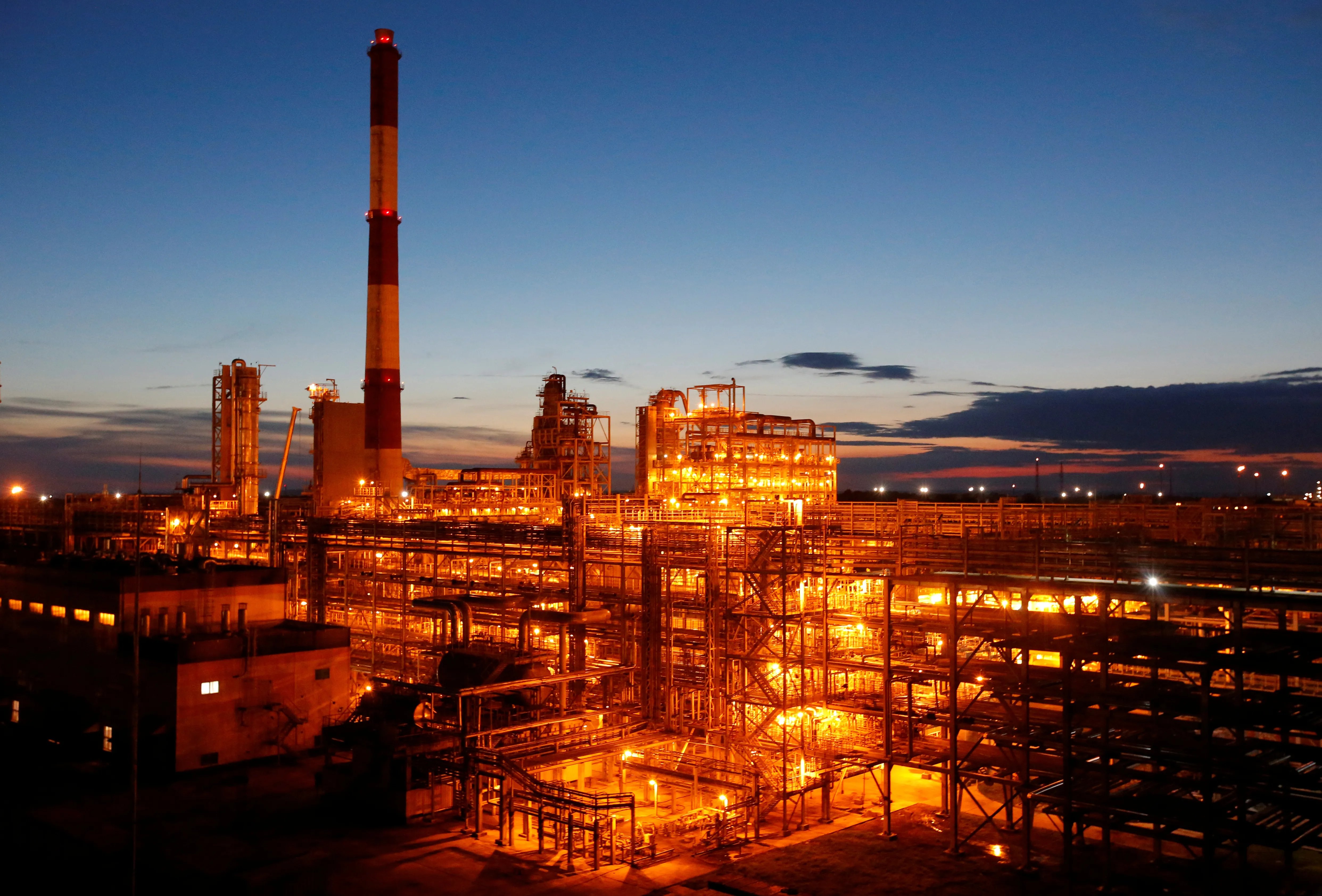





Ukraine strikes Russia's largest fuel export hub
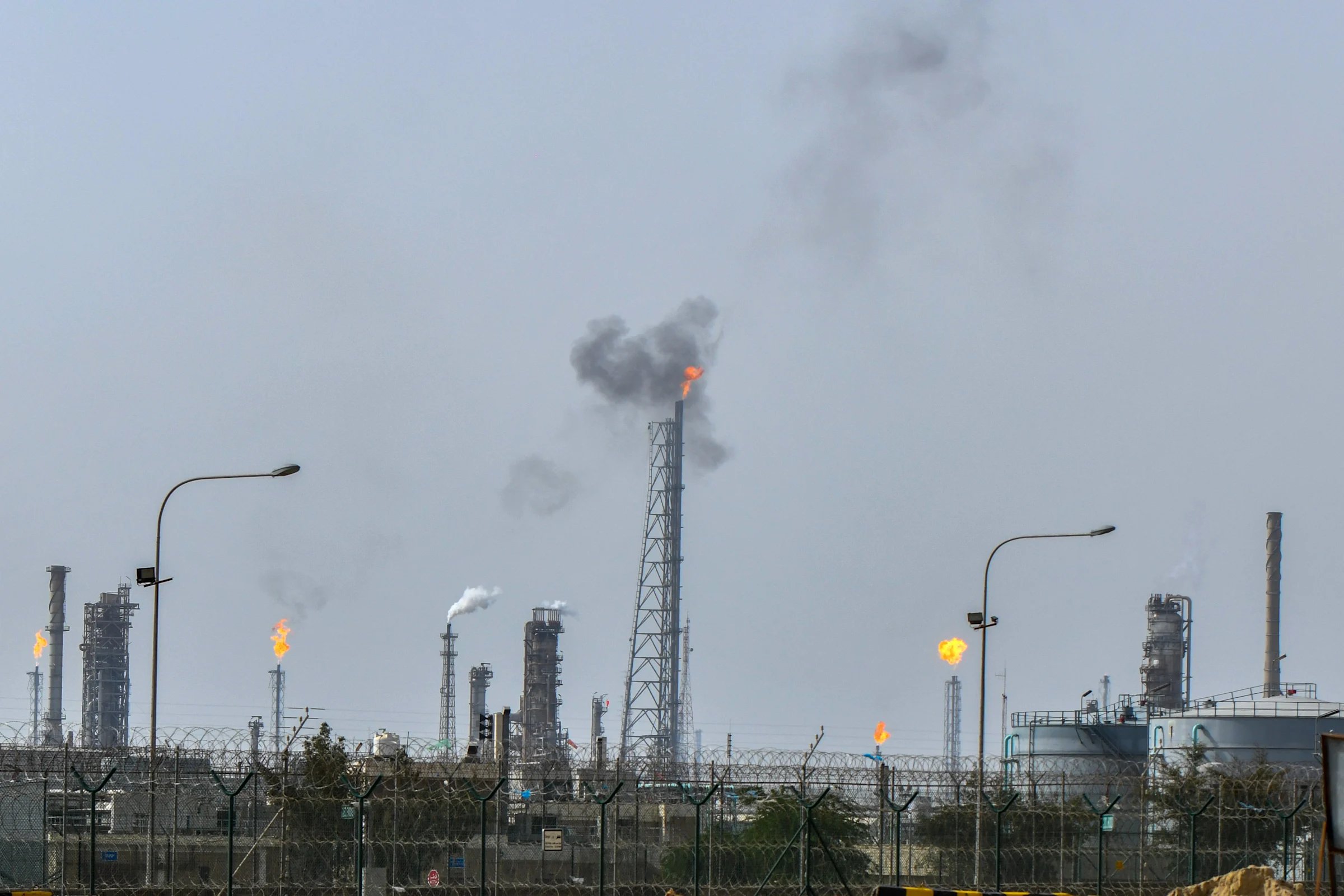
Ukrainian drones attacked Russia's Primorsk port and the NORSI oil refinery in Nizhny Novgorod on Sunday, damaging critical infrastructure that supplies global energy markets. Russian officials first reported the overnight strikes, which were later confirmed by Ukrainian drone forces commander Robert Brovdi. Alexander Drozdenko, governor of Russia's northwestern Leningrad region, said a fuel reservoir at Primorsk leaked after being hit by shrapnel. The port, located between the Finnish border and St. Petersburg, serves as one of Russia's main oil exporting outlets and is operated by the state oil transport company Transneft.
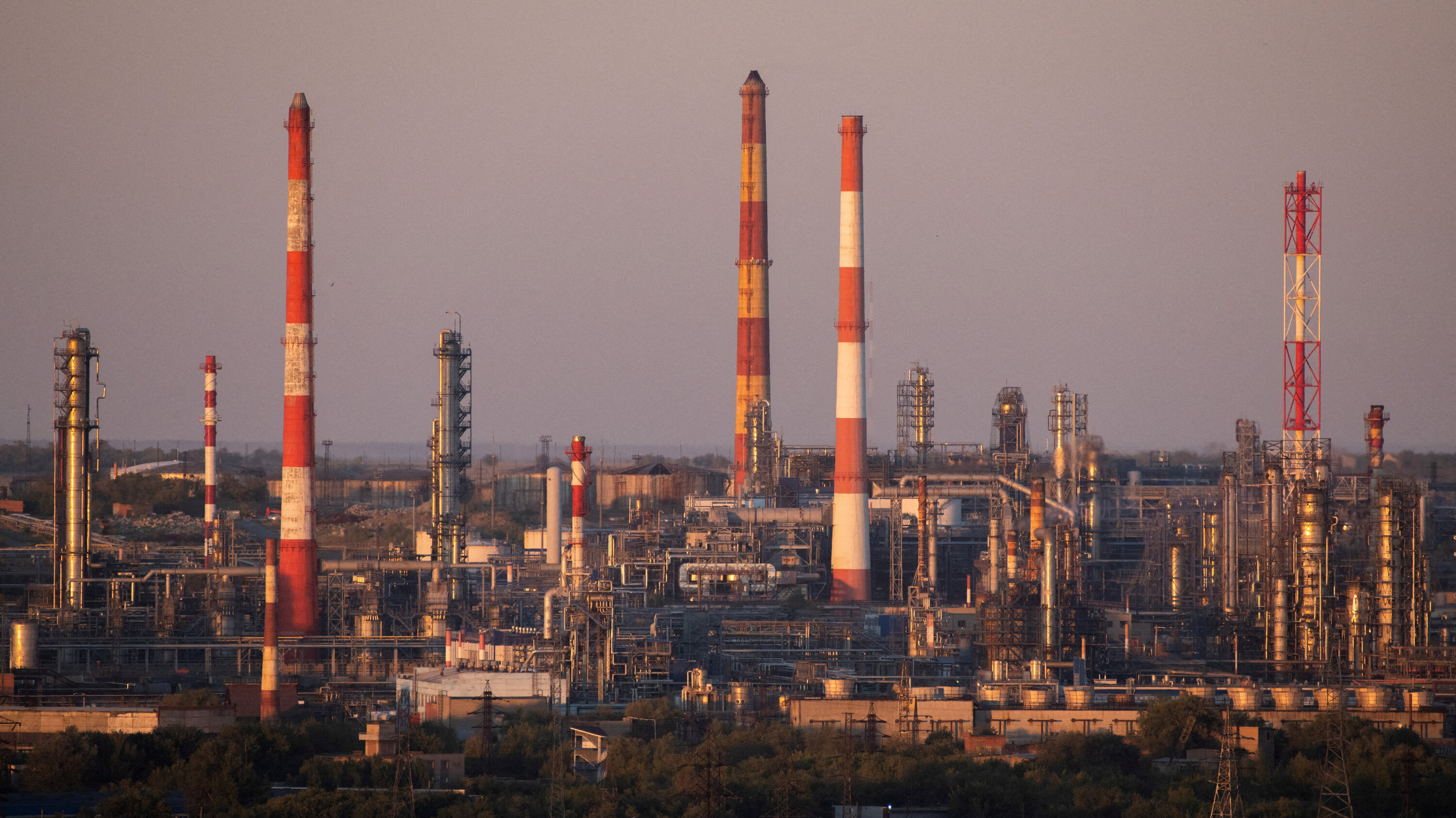
The NORSI refinery, Russia's fourth largest refinery and second largest petrol producer, caught fire after being struck. Governor Gleb Nikitin of Nizhny Novgorod said two facilities at the plant were struck, and that a power station and several houses sustained damage, though preliminary reports indicated no injuries. NORSI can process 16 million metric tonnes of oil per year, equivalent to about 320,000 barrels per day.
Ukraine has intensified attacks on Russian oil infrastructure to reduce Moscow's war funding. At some point last month, about 40 percent of Russia's oil exporting capabilities were shut down due to a combination of Ukrainian attacks on oil infrastructure, the closure of the Druzhba pipeline in Ukraine, and the seizure of Russia-linked tankers. Primorsk itself was also attacked in March when an oil depot was set ablaze.
Iran's regional offensive compounds supply crisis
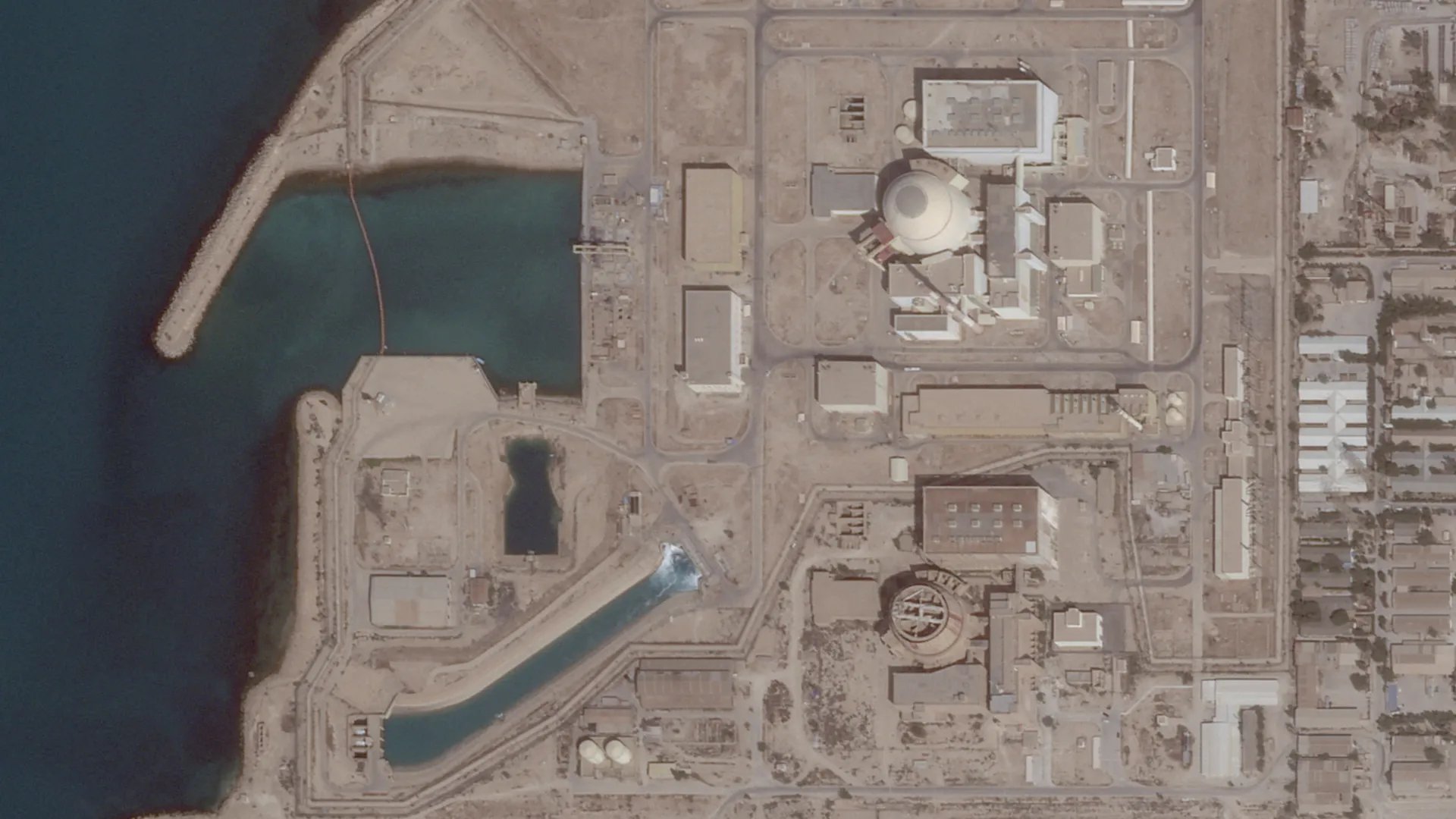
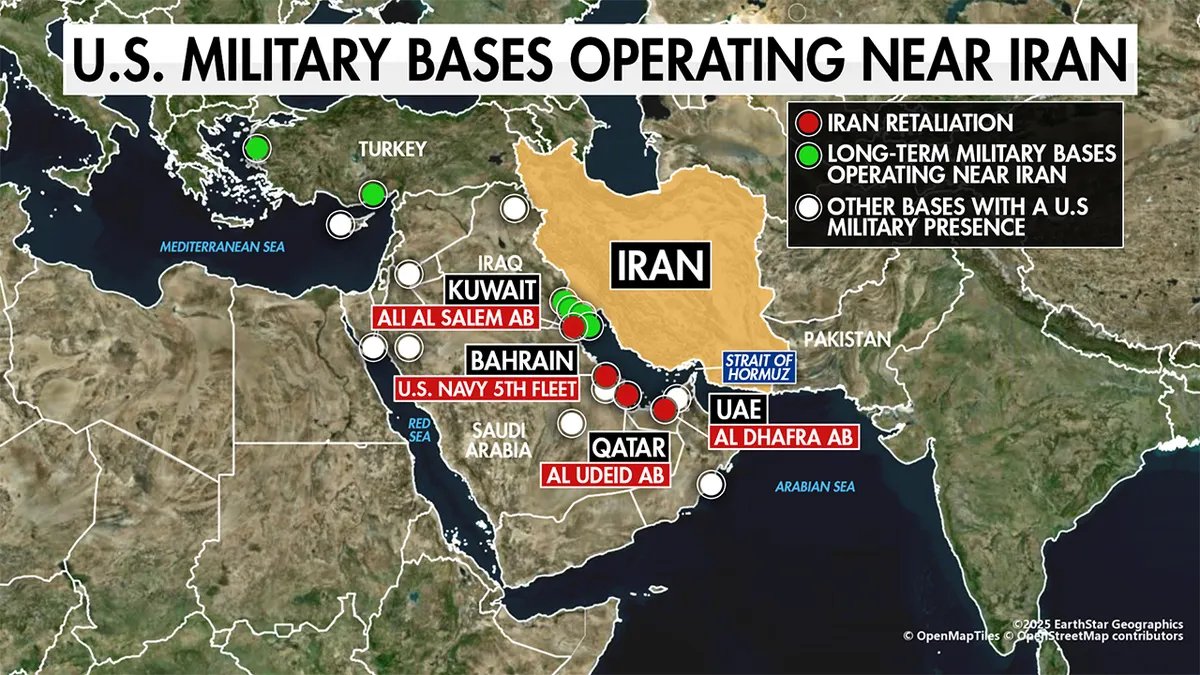
On the same day, Iranian drones struck Kuwait's oil infrastructure, causing what the Kuwait Petroleum Corporation described as "severe material damage." Iran's Revolutionary Guards said they had attacked petrochemical plants in Kuwait, the United Arab Emirates, and Bahrain. Fires broke out at Kuwait's Shuwaikh oil sector complex, which houses the oil ministry and KPC headquarters. Local media reported that two power and water desalination plants had also been hit, and an office complex for Kuwaiti government ministries sustained significant damage but no casualties.
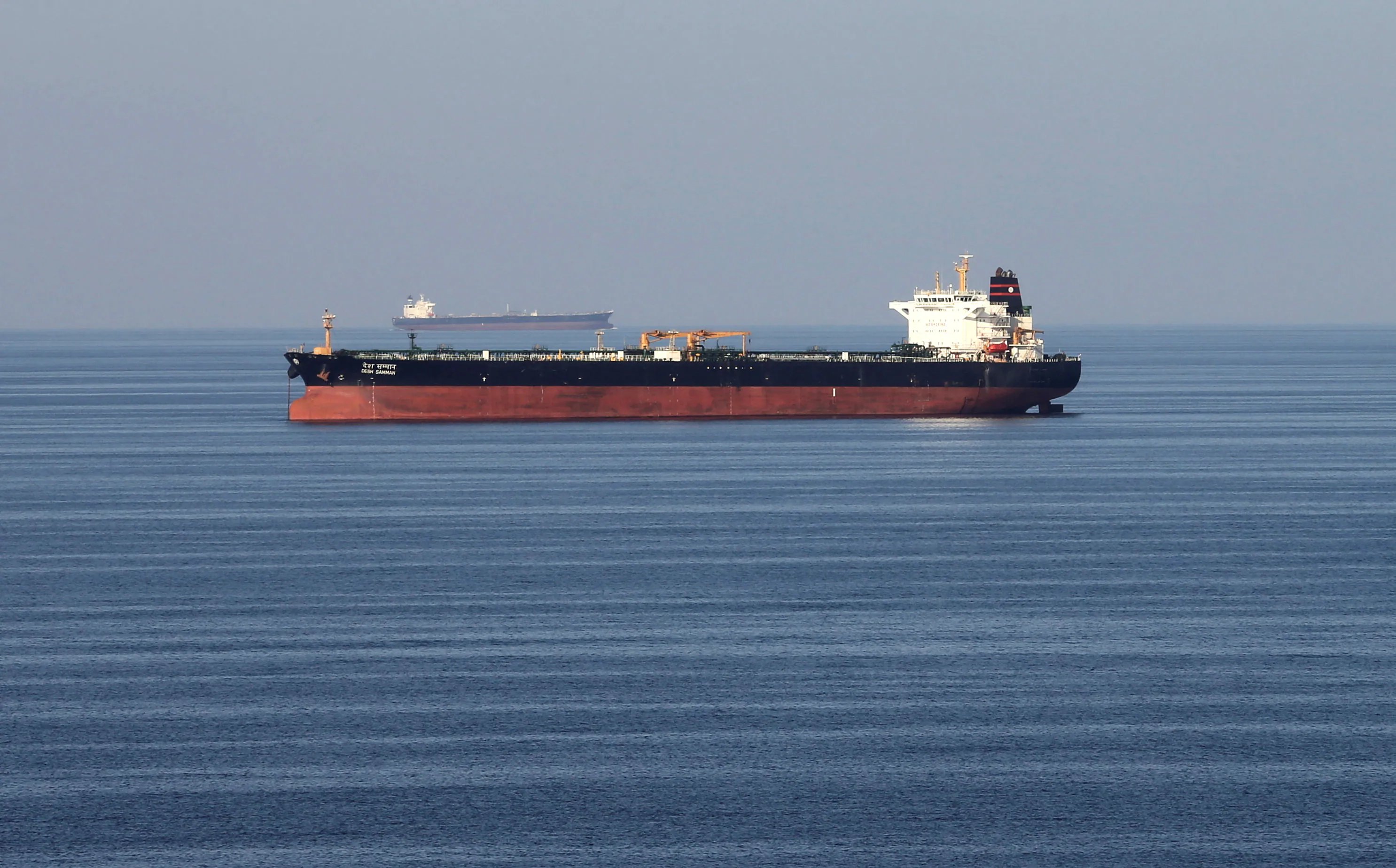
The drone strikes on Kuwait came as Iran's central military command rejected an ultimatum by US president Donald Trump, who had threatened to destroy the country's vital infrastructure if Iran did not accept a peace deal within 48 hours. The strikes occurred hours before Opec+ members gathered to discuss bolstering oil output, even as Iran has effectively closed the strait of Hormuz, a vital shipping route that typically carries 20 percent of all global crude.
Global fuel prices surge as supply tightens
The price of Brent crude has soared more than 50 percent since the start of the year, hitting a peak of $119.50 a barrel in March and currently trading at about $109 a barrel. In the UK, the average price of unleaded petrol stood at 154.45p per litre on Sunday, up from 132.83p just before the Iran war started. Diesel prices reached 185.23p per litre, compared to 142.38p previously.
In the United States, average fuel prices passed $4 a gallon for the first time in four years, with the national average at $4.110 on Sunday. Opec+ members warned that repairing energy facilities damaged in recent attacks "is both costly and takes a long time" and would potentially hit global oil supplies well into the future.
Limited relief from production agreements
Opec+ members reportedly agreed in principle to raising oil output by 206,000 barrels a day in May. However, the agreement remains largely symbolic while Iran continues to block the strait of Hormuz, preventing safe passage for tankers. Opec+ had already agreed to increase output by an extra 206,000 barrels a day throughout April at their March 1 meeting in response to the Iran war, but those increases have done little to ease global shortages given the shipping route closure.

































The sources also report that the drone strikes caused significant damage to two power and water desalination plants in Kuwait.