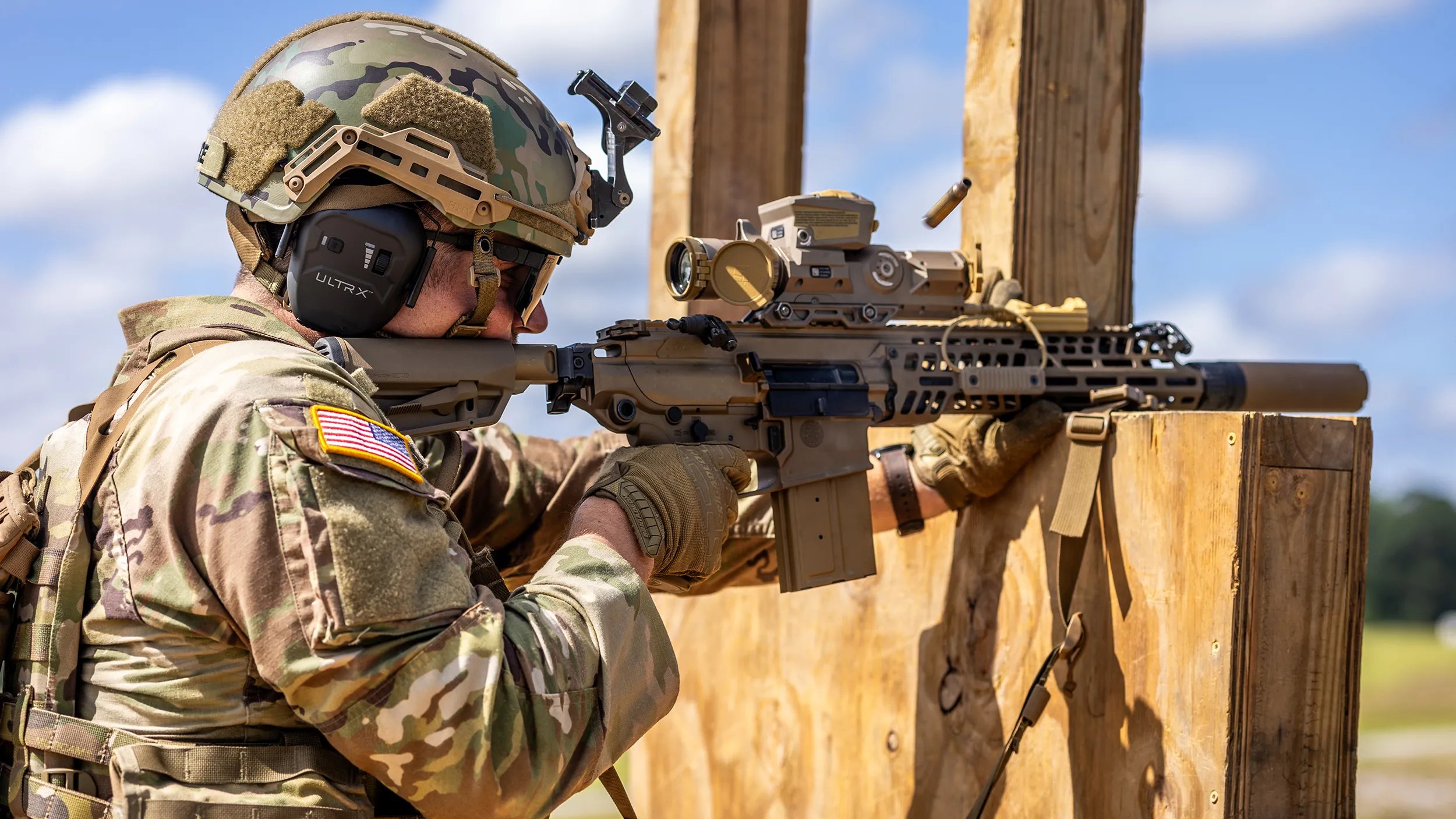
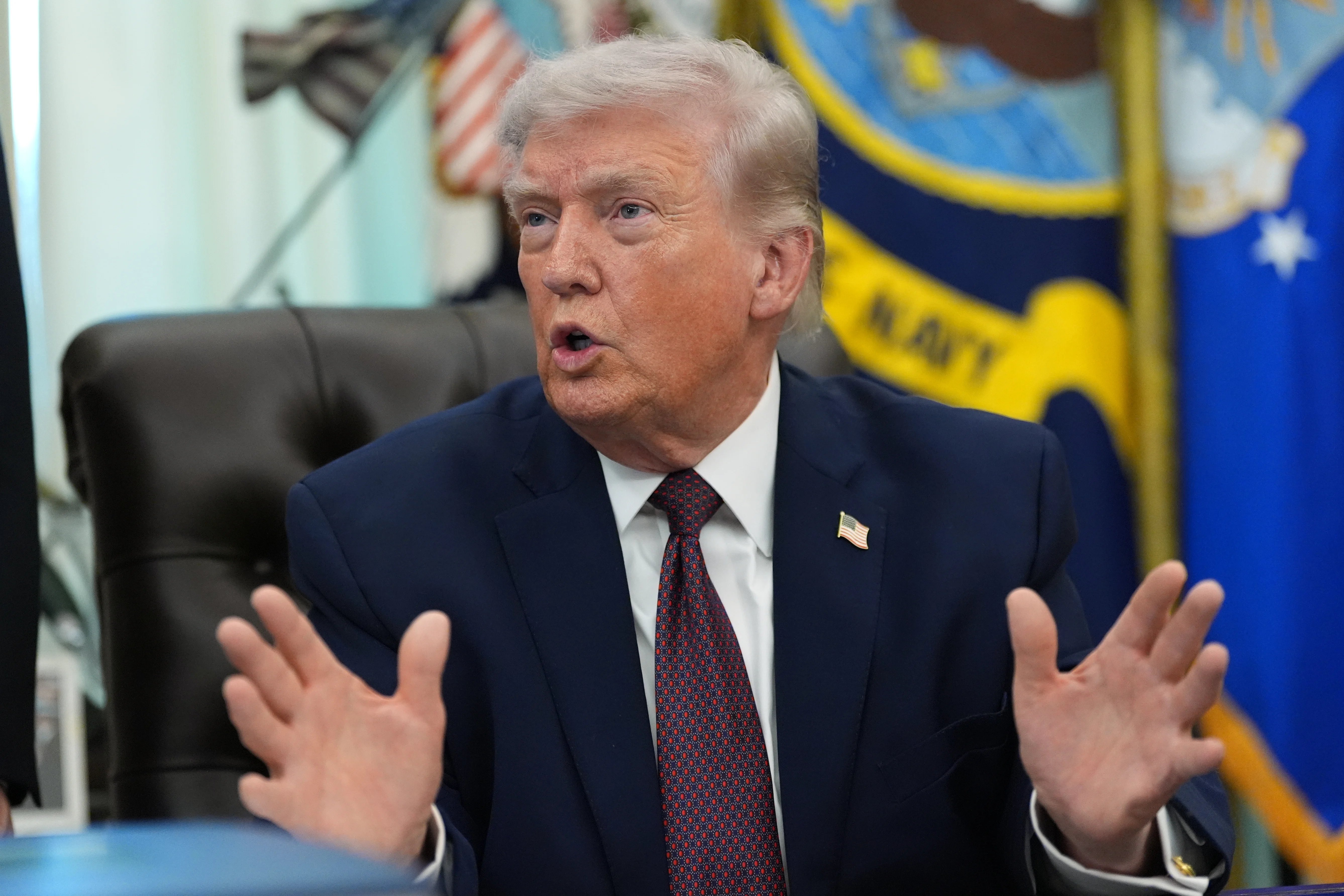
U.S. special forces rescued a weapons system officer from deep inside Iran on Saturday after his F-15E fighter jet was shot down, completing a two-part operation that involved dozens of aircraft and highlighted the intensity of the five-week conflict. The officer, an Air Force colonel, survived more than 24 hours in the mountains while evading Iranian forces before being located and extracted by American commandos. President Trump called it "one of the most daring search and rescue operations in U.S. history," saying the colonel "sustained injuries but will be just fine."
The pilot of the same aircraft had been rescued hours earlier in a daylight operation under heavy fire. During that first rescue, a U.S. Blackhawk helicopter was struck by Iranian fire but remained operational. An A-10 Warthog attack aircraft was also hit during the missions but the pilot managed to reach Kuwait and eject safely.
Israeli intelligence assisted the U.S. military during both rescue missions by sharing intelligence about conditions on the ground and conducting one strike to prevent Iranian forces from reaching the area, according to U.S. and Israeli officials.
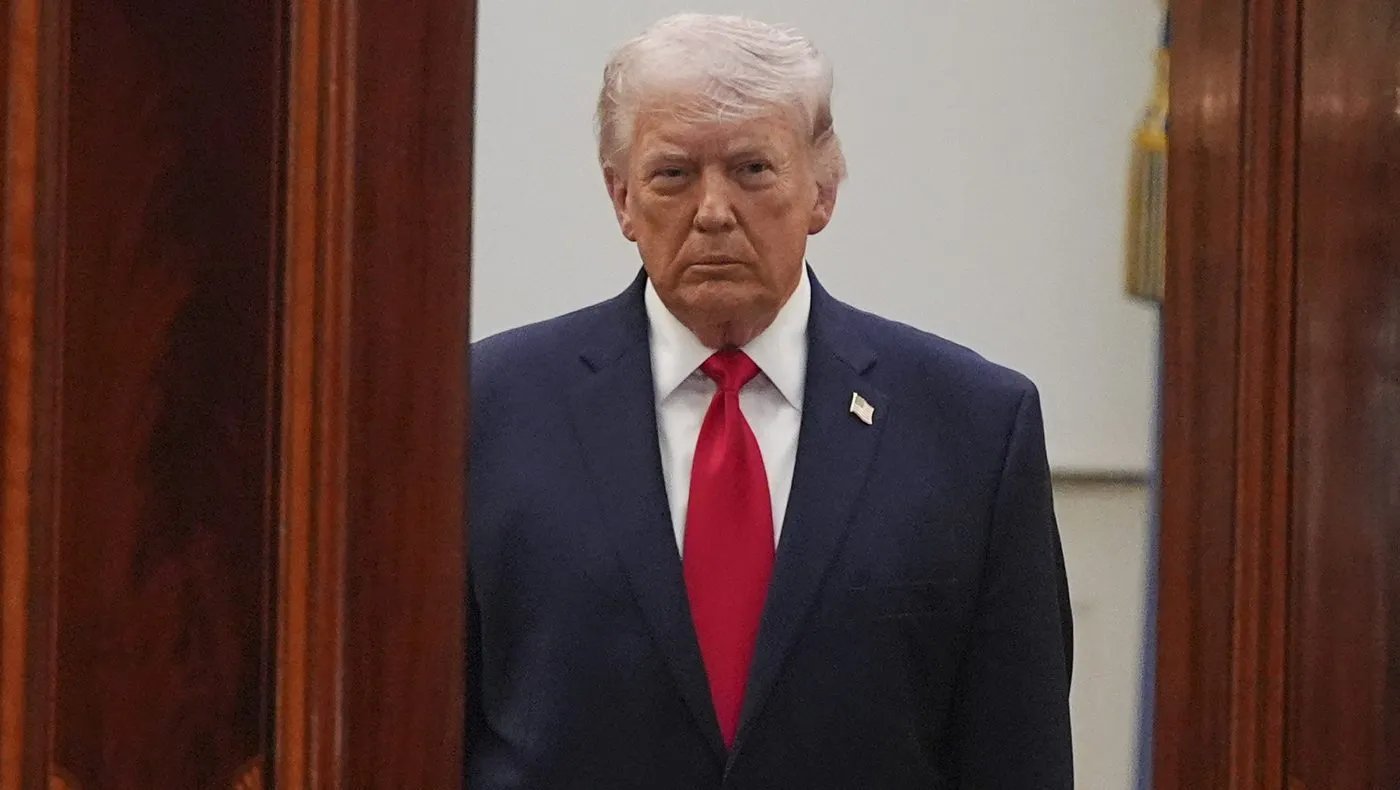
On Easter Sunday morning, Trump escalated pressure on Iran with an expletive-laden social media post threatening to destroy the country's power plants and bridges if the Strait of Hormuz remained closed. "Tuesday will be Power Plant Day, and Bridge Day, all wrapped up in one, in Iran. There will be nothing like it!!! Open the Fuckin' Strait, you crazy bastards, or you'll be living in Hell," Trump wrote on Truth Social, later setting a deadline of Tuesday at 8 p.m. Eastern time.
In a phone interview with ABC News, Trump said if no peace deal is reached within 48 hours, "we're blowing up the entire country." He claimed Iran "has been decimated, decimated. And every day is going to get worse." Trump also told Axios that "there is a good chance" of reaching a deal before the deadline, but added: "if they don't make a deal, I am blowing up everything over there."
When asked whether he worried about harming innocent Iranian civilians, Trump said he believed civilians who oppose their government would support strikes to weaken the regime. "They are living in fear. They are afraid we are gonna leave in the middle of the war, but we are not going to leave," he said. Trump declined to rule out sending ground troops to Iran if negotiations fail, telling The Hill: "No" when asked if he would exclude that option.
Mohammad Bagher Ghalibaf, speaker of Iran's parliament, responded to Trump's threats on social media, writing: "Your reckless moves are dragging the United States into a living HELL for every single family" and accusing Trump of "following Netanyahu's commands." Ghalibaf called for "respecting the rights of the Iranian people and ending this dangerous game."
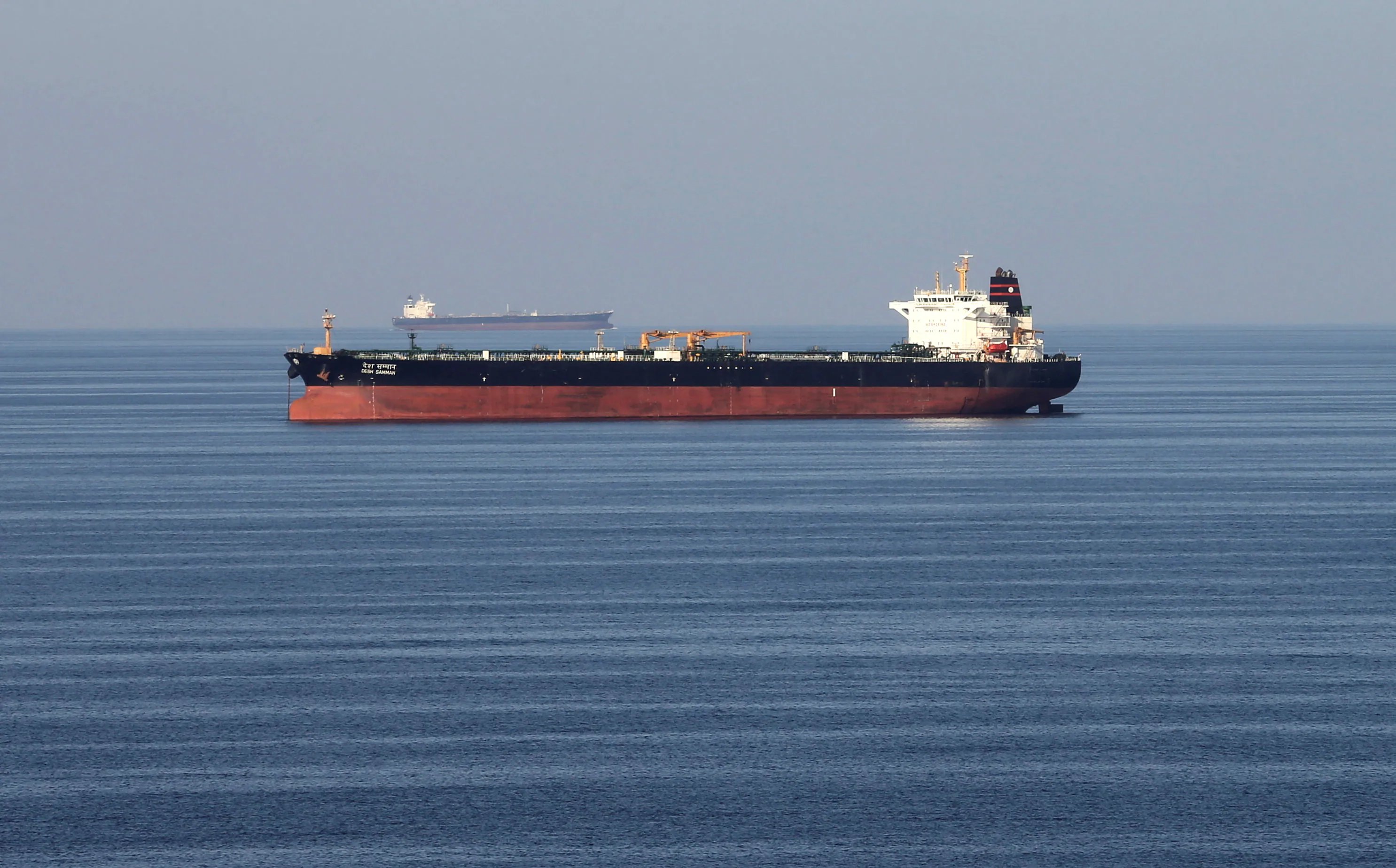
Iran's Foreign Minister Abbas Araghchi said in a social media post that Iran is "deeply grateful to Pakistan for its efforts" in mediation and has "never refused to go to Islamabad." He reiterated that Iran cares about "the terms of a conclusive and lasting END to the illegal war that is imposed on us." The Islamic Revolutionary Guard Corps claimed it hit an Israeli-linked container ship, the MSC Ishyka, with a drone near the Strait of Hormuz, though neither Israel nor the U.S. has publicly confirmed the attack.
Over the past ten days, the U.S. and Iran have held indirect negotiations through Pakistan, Egypt, and Turkey to reach a ceasefire deal in exchange for opening the Strait of Hormuz, but no significant progress has been achieved. Trump's envoys Steve Witkoff and Jared Kushner are holding intense negotiations with the Iranians, and two sources said talks are also occurring through text messages between Trump's advisers and Iran's Foreign Minister Araghchi.
"But then they said they will meet us in five days. So I said, 'Why five days?' I felt they were not being serious. So I attacked the bridge," Trump said, referring to a strike on Wednesday on a bridge connecting Tehran with northern Iran. The three foreign ministers of Pakistan, Egypt, and Turkey held phone calls on Saturday with both Witkoff and Araghchi to discuss confidence-building measures, but no breakthrough was achieved.
Iran's Foreign Minister stated that "the Hormuz Strait is not completely closed; it is closed only to our natural enemies," defining non-hostile ships as those from countries that neither participate in nor support acts of aggression against Iran.
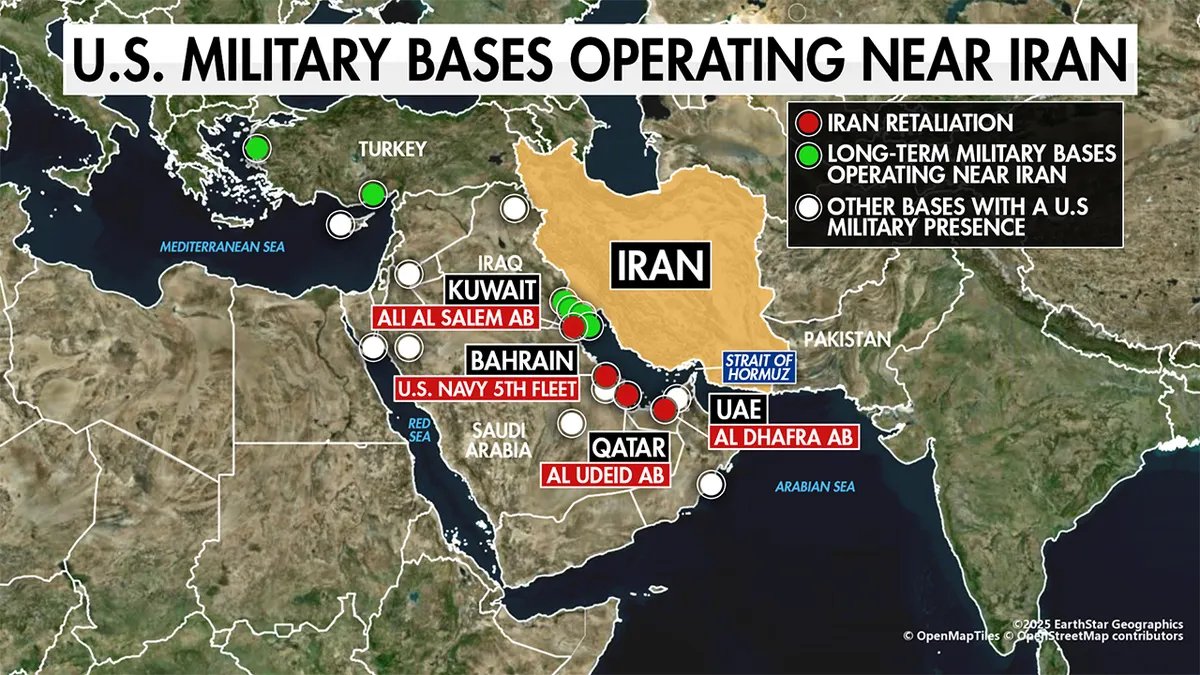
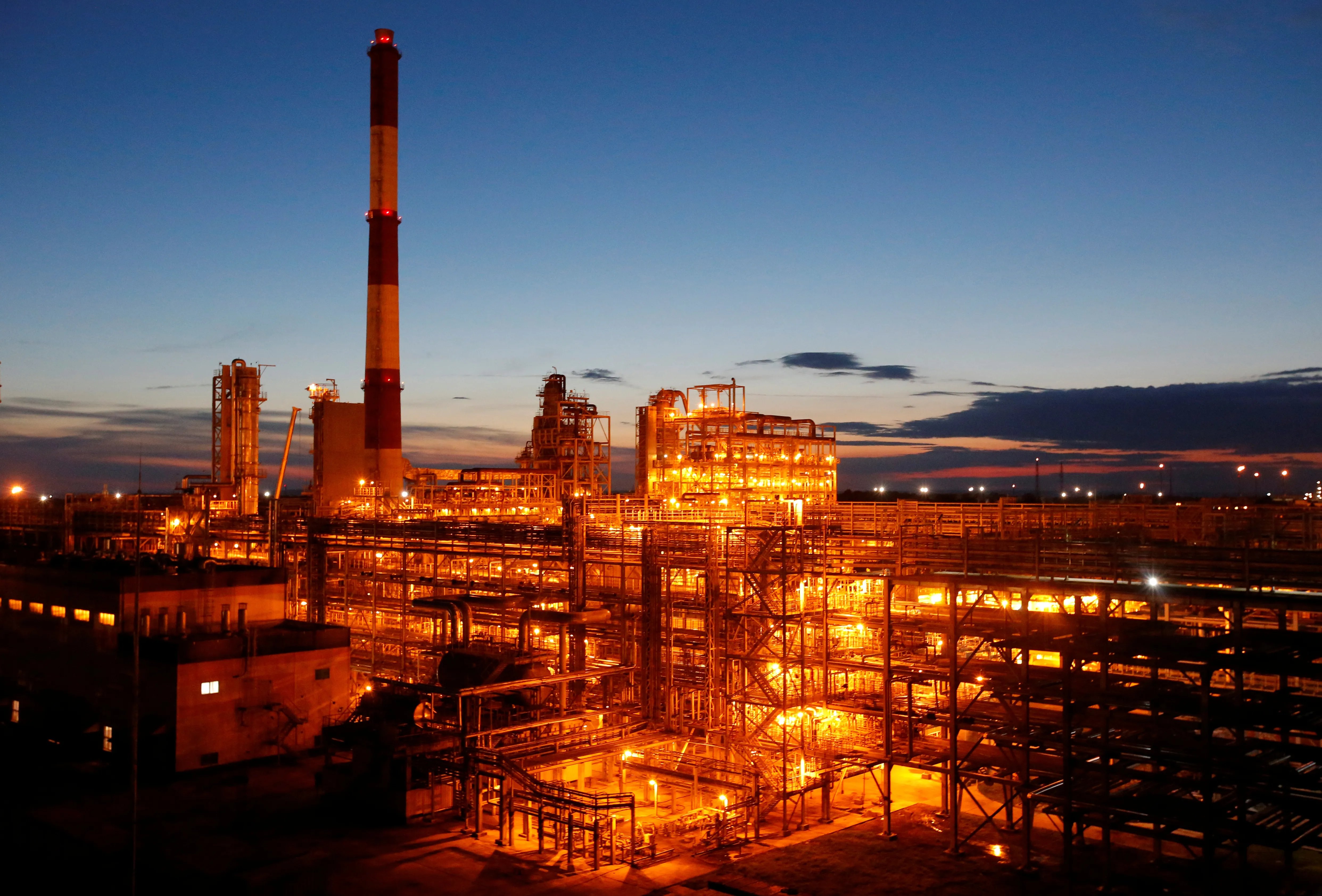
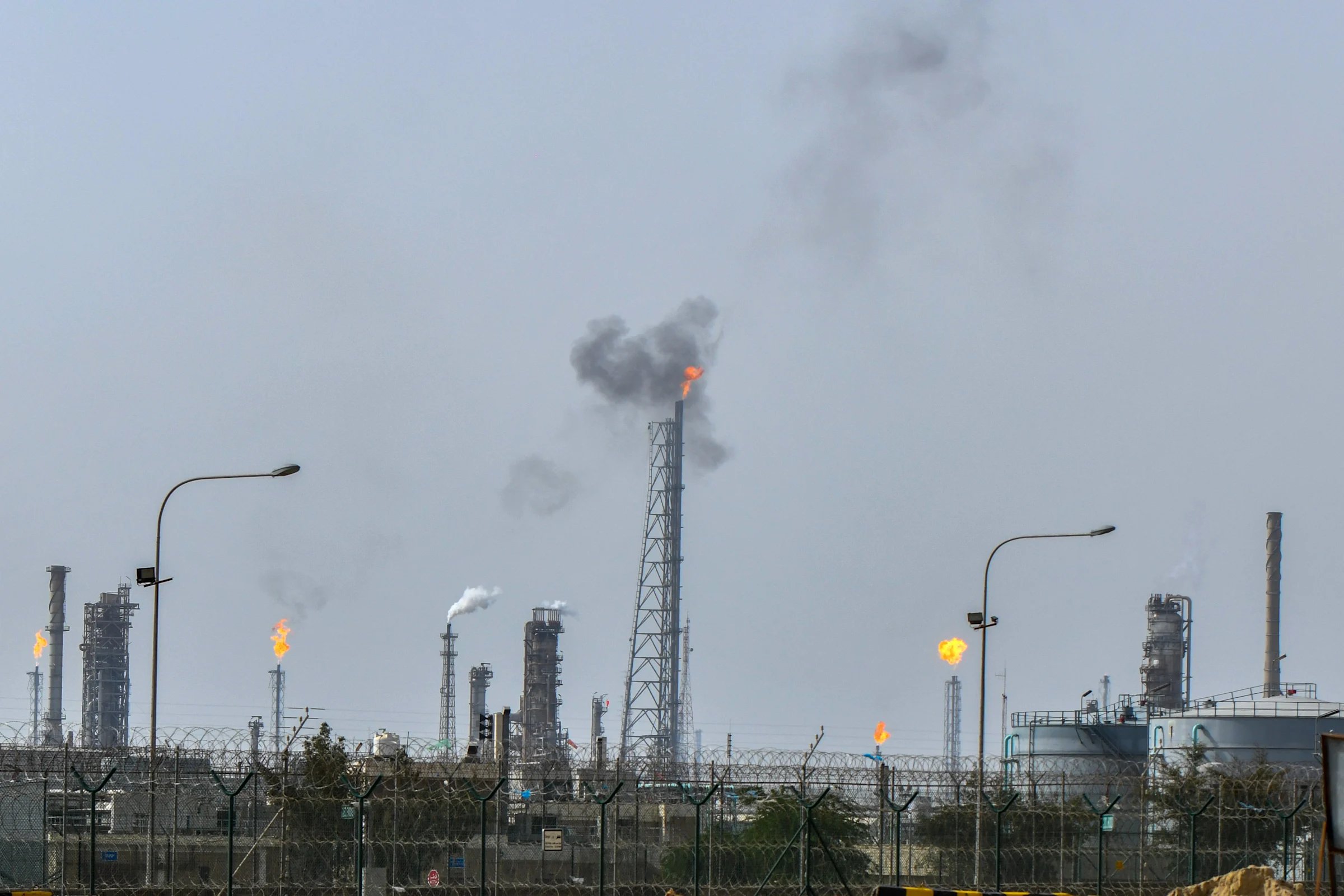
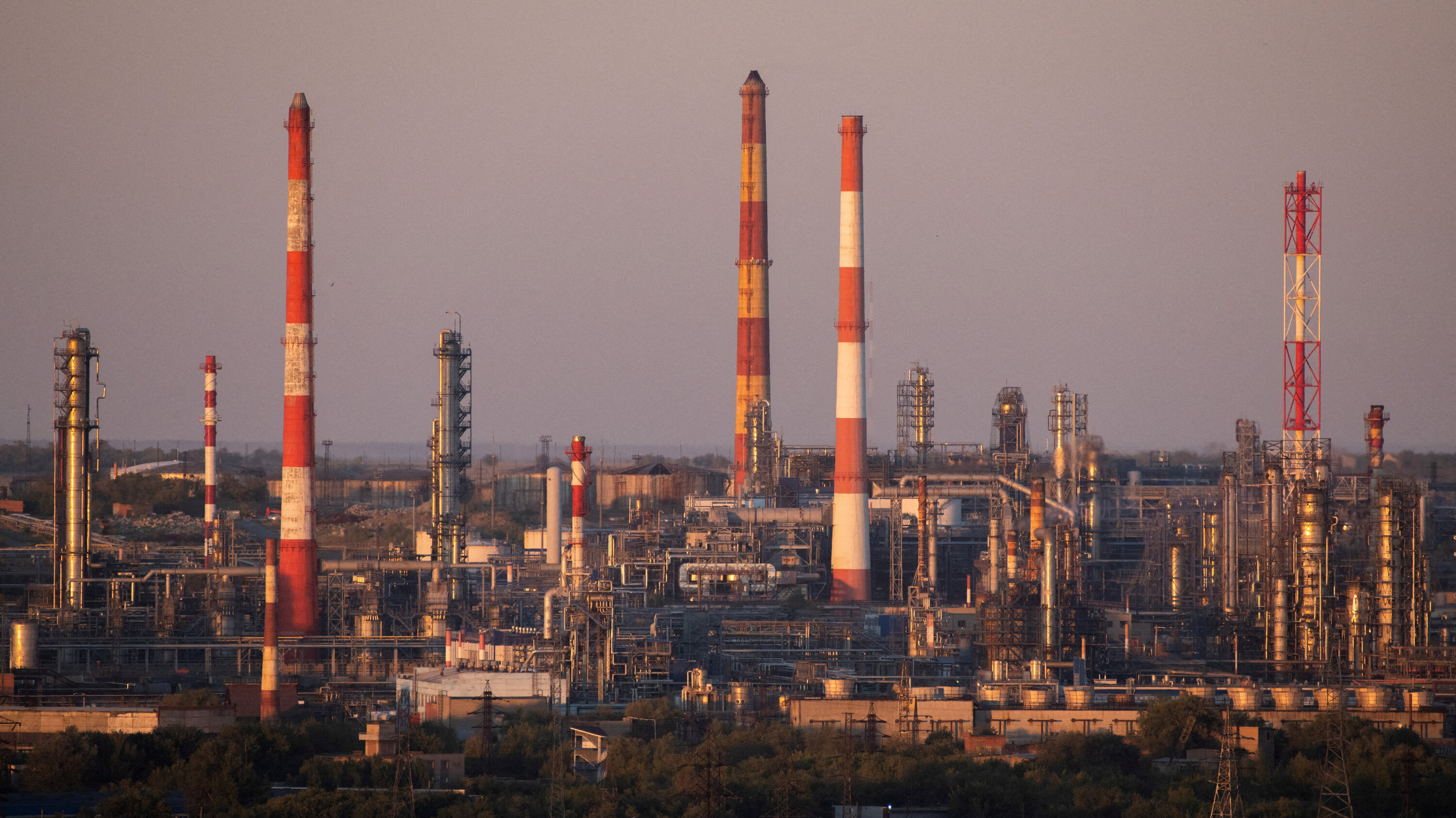
Iran's attacks expanded beyond the conflict zone on Sunday, with drone strikes hitting critical infrastructure in Kuwait and the United Arab Emirates. Kuwait Petroleum Corporation reported damage at multiple units after Iranian drones attacked its facilities, while a massive petrochemicals plant at Ruwais in Abu Dhabi was halted after an attack sparked multiple fires. The strikes caused "severe material damage" to Kuwait's oil infrastructure, threatening to further disrupt global energy supplies already hit by the Strait blockade.
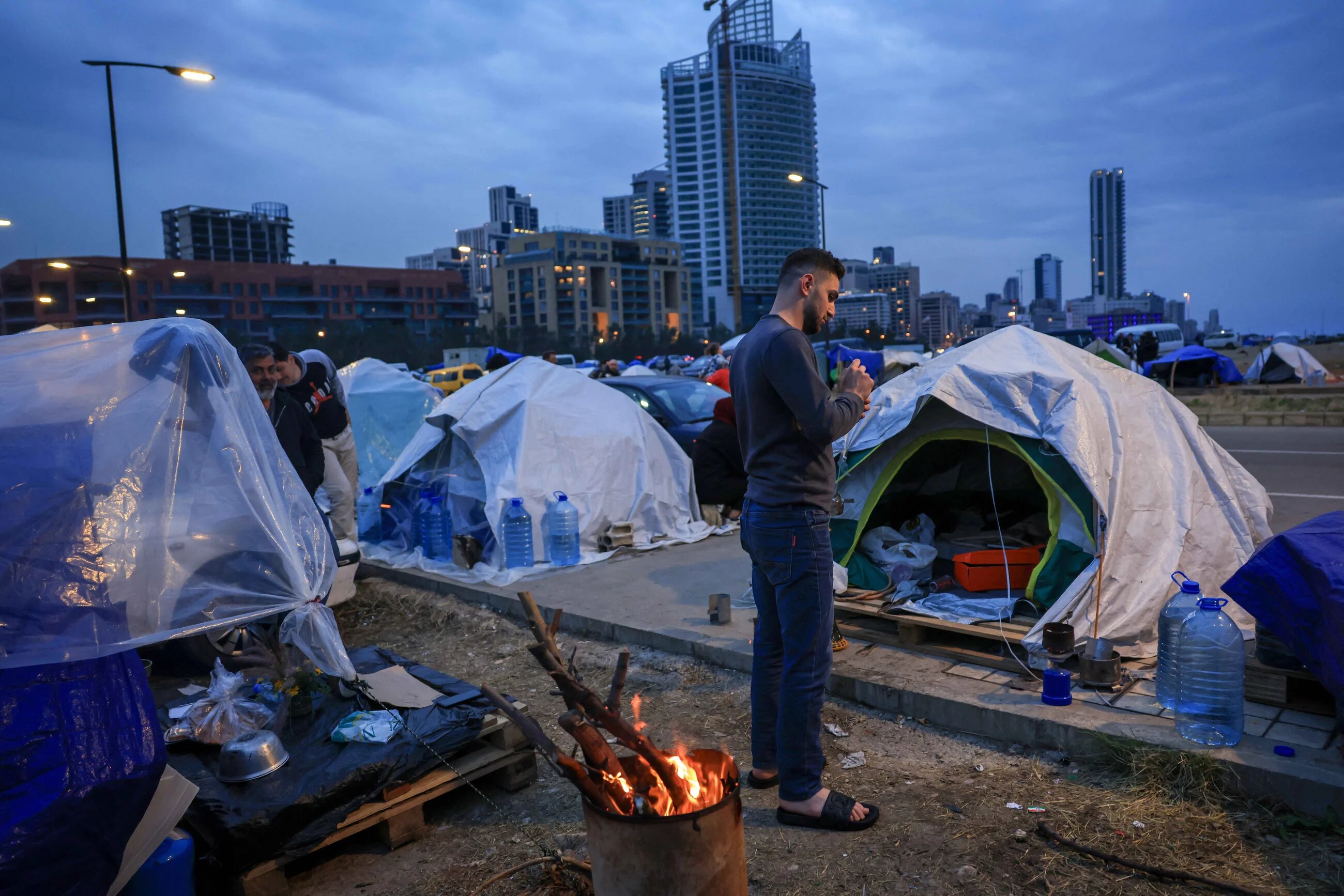
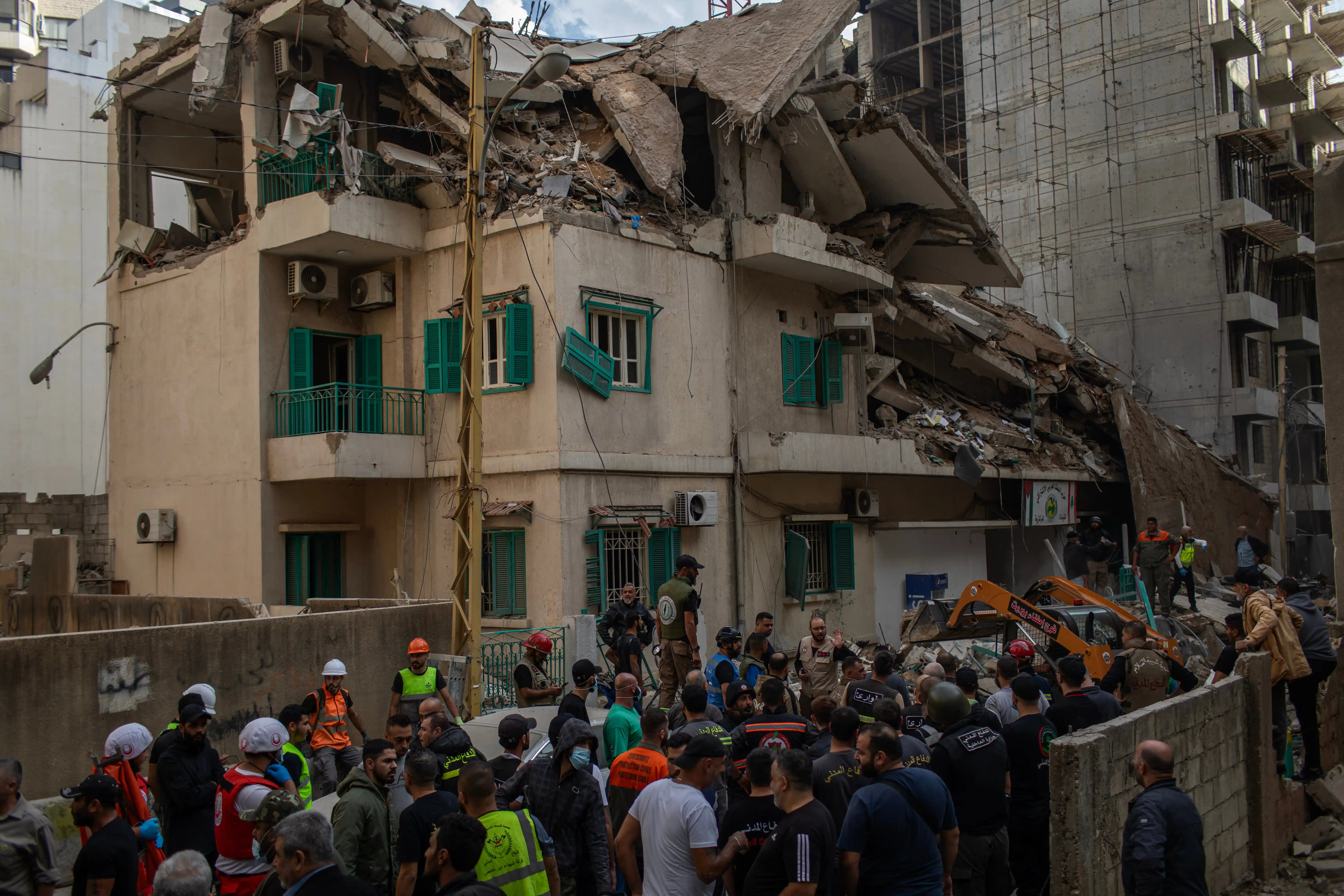
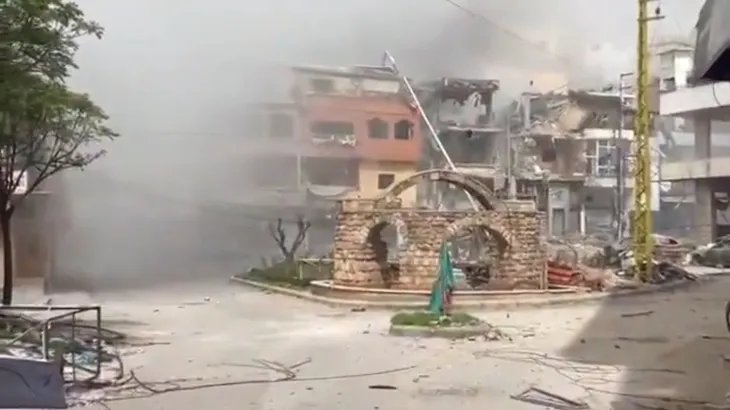
Israeli airstrikes continued in Lebanon, killing at least 11 people on Easter Sunday, including a family of six in the village of Kfarhata. The strikes targeted areas across southern Lebanon, the Bekaa Valley, and Beirut's southern suburbs. United Nations peacekeepers lodged a formal protest after Israeli soldiers destroyed security cameras outside a U.N. base in southern Lebanon. Israel's military ordered evacuation of Lebanon's main crossing with Syria, warning it may strike that area.
OPEC+ approved a symbolic increase in oil output quotas for May but warned that damage to Middle East energy assets will have prolonged impact on oil supply even after the war ends. The organization agreed to boost oil output when the Strait of Hormuz reopens, but acknowledged the blockade's ongoing effects.
Moody's credit ratings agency said the Iran war and its impact on global energy supply will dampen India's growth momentum, slashing the country's growth forecast to 6 percent. Analysts warn that systemically higher power prices and fractured supply chains will squeeze industries and consumers worldwide. One consequence may be to threaten the fragile economics of the artificial intelligence boom, which has a business model not yet firmly established and investments financed by huge debts.
Saudi Arabia's non-oil business activity shrank in March amid the conflict, according to purchasing manager index data. Maryland Governor Wes Moore said ending foreign wars is "the best thing that we could do" to lower gas prices, while House Armed Services Democrat Adam Smith called the war "a mistake in large part because of the cost."
Former Representative Marjorie Taylor Greene criticized Trump's Easter threat, saying he is "insane" and "not a Christian." House Minority Leader Hakeem Jeffries called the rescue of the U.S. airman "heroic," but continued to criticize what he called a "war of choice" with Iran. Senator Tim Kaine called on Trump to "dial back the rhetoric" after the jet was downed, while expressing skepticism about the Trump administration's $1.5 trillion Defense Department budget request for 2027.
Brett McGurk, who served under Trump during his first term, warned that the president's latest threats against Iran will not bring Tehran to the table to negotiate. "This is an escalate to try to get a deal that's not going to get a deal," McGurk said. Democratic Representative Jake Auchincloss argued that Iran understands its control over the Strait of Hormuz is "more strategically vital" than any plans to develop a nuclear weapon.
Retired four-star Army General Jack Keane suggested the conflict could wrap up in "likely less than 60 days" if the U.S. maintains its bombing pace. Retired General Frank McKenzie, a former commander of U.S. Central Command, called the rescue a "hard lesson for Iran" and said the mission was successful.
U.S. special forces rescued a weapons system officer from deep inside Iran on Saturday after his F-15E fighter jet was shot down, completing a two-part operation that involved dozens of aircraft and highlighted the intensity of the five-week conflict. The officer, an Air Force colonel, survived more than 24 hours in the mountains while evading Iranian forces before being located and extracted by American commandos. President Trump called it "one of the most daring search and rescue operations in U.S. history," saying the colonel "sustained injuries but will be just fine."
The pilot of the same aircraft had been rescued hours earlier in a daylight operation under heavy fire. During that first rescue, a U.S. Blackhawk helicopter was struck by Iranian fire but remained operational. An A-10 Warthog attack aircraft was also hit during the missions but the pilot managed to reach Kuwait and eject safely. Around 200 soldiers from special operations units participated in the overall operation, according to Trump.
Israeli intelligence assisted the U.S. military during both rescue missions by sharing intelligence about conditions on the ground and conducting one strike to prevent Iranian forces from reaching the area, according to U.S. and Israeli officials. An Israeli military official said Israel halted its own strikes in the search area to avoid interfering with the American operation.
On Easter Sunday morning, Trump escalated pressure on Iran with an expletive-laden social media post threatening to destroy the country's power plants and bridges if the Strait of Hormuz remained closed. "Tuesday will be Power Plant Day, and Bridge Day, all wrapped up in one, in Iran. There will be nothing like it!!! Open the Fuckin' Strait, you crazy bastards, or you'll be living in Hell," Trump wrote on Truth Social, later setting a deadline of Tuesday at 8 p.m. Eastern time.
In a phone interview with ABC News, Trump said if no peace deal is reached within 48 hours, "we're blowing up the entire country." He claimed Iran "has been decimated, decimated. And every day is going to get worse." Trump also told Axios that "there is a good chance" of reaching a deal before the deadline, but added: "if they don't make a deal, I am blowing up everything over there."
When asked whether he worried about harming innocent Iranian civilians, Trump said he believed civilians who oppose their government would support strikes to weaken the regime. "They are living in fear. They are afraid we are gonna leave in the middle of the war, but we are not going to leave," he said. Trump declined to rule out sending ground troops to Iran if negotiations fail, telling The Hill: "No" when asked if he would exclude that option.
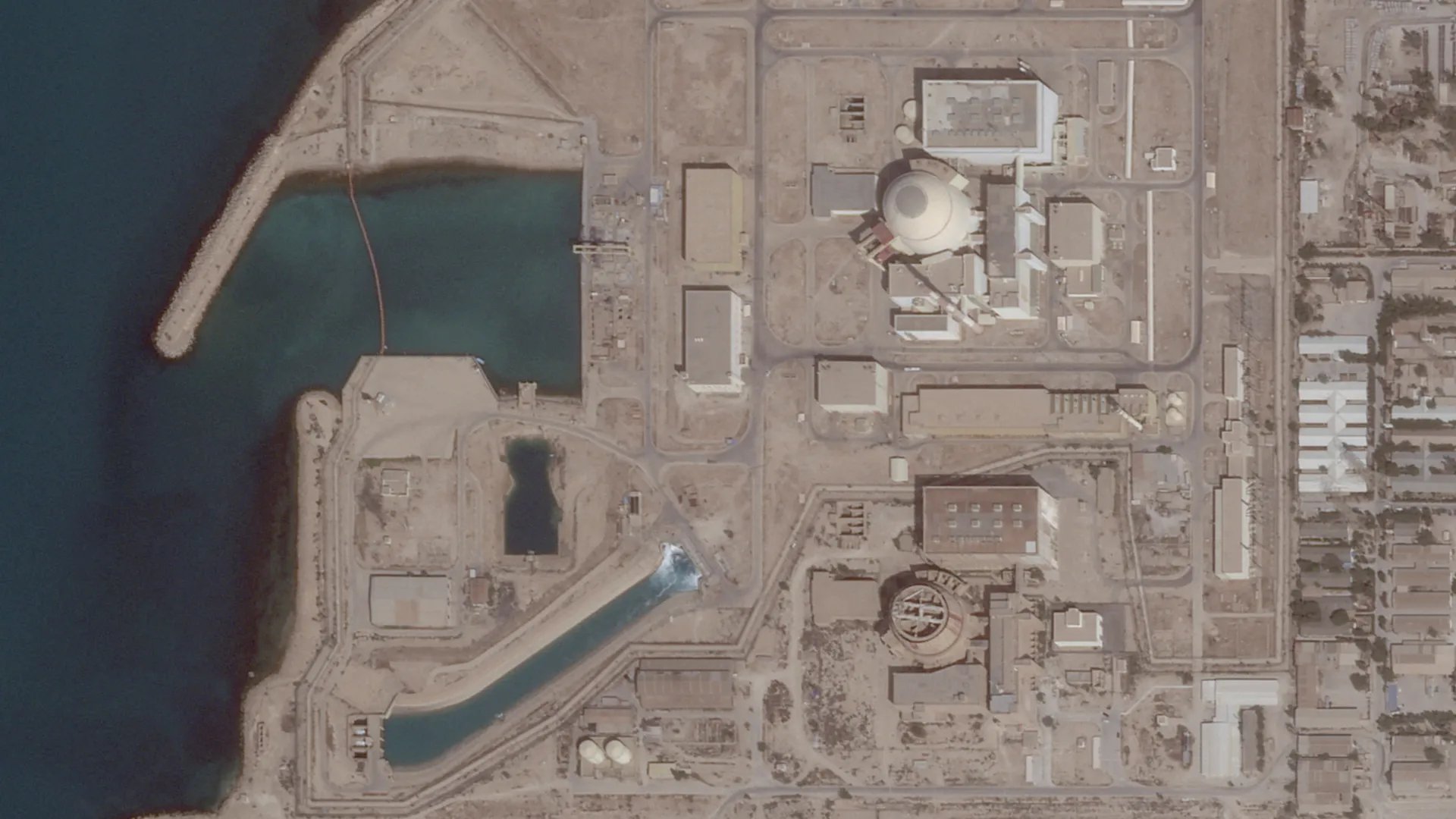
The Trump administration has requested that satellite imagery providers voluntarily withhold images of designated areas in Iran due to the conflict, prompting Planet Labs to restrict access to data from the region.
Mohammad Bagher Ghalibaf, speaker of Iran's parliament, responded to Trump's threats on social media, writing: "Your reckless moves are dragging the United States into a living HELL for every single family" and accusing Trump of "following Netanyahu's commands." Ghalibaf called for "respecting the rights of the Iranian people and ending this dangerous game."
Iran's Foreign Minister Abbas Araghchi said in a social media post that Iran is "deeply grateful to Pakistan for its efforts" in mediation and has "never refused to go to Islamabad." He reiterated that Iran cares about "the terms of a conclusive and lasting END to the illegal war that is imposed on us." The Islamic Revolutionary Guard Corps claimed it hit an Israeli-linked container ship, the MSC Ishyka, with a drone near the Strait of Hormuz, though neither Israel nor the U.S. has publicly confirmed the attack.
Over the past ten days, the U.S. and Iran have held indirect negotiations through Pakistan, Egypt, and Turkey to reach a ceasefire deal in exchange for opening the Strait of Hormuz, but no significant progress has been achieved. Trump's envoys Steve Witkoff and Jared Kushner are holding intense negotiations with the Iranians, and two sources said talks are also occurring through text messages between Trump's advisers and Iran's Foreign Minister Araghchi.
Trump claimed that several days ago the U.S. and Iran were close to an agreement to hold direct negotiations. "But then they said they will meet us in five days. So I said, 'Why five days?' I felt they were not being serious. So I attacked the bridge," Trump said, referring to a strike on Wednesday on a bridge connecting Tehran with northern Iran. The three foreign ministers of Pakistan, Egypt, and Turkey held phone calls on Saturday with both Witkoff and Araghchi to discuss confidence-building measures, but no breakthrough was achieved.
The U.S. sent Iran a 15-point proposal for ending the conflict in March, which Iranian officials rejected. Iran's Foreign Minister stated that "the Hormuz Strait is not completely closed; it is closed only to our natural enemies," defining non-hostile ships as those from countries that neither participate in nor support acts of aggression against Iran.
Iran's attacks expanded beyond the conflict zone on Sunday, with drone strikes hitting critical infrastructure in Kuwait and the United Arab Emirates. Kuwait Petroleum Corporation reported damage at multiple units after Iranian drones attacked its facilities, while a massive petrochemicals plant at Ruwais in Abu Dhabi was halted after an attack sparked multiple fires. The strikes caused "severe material damage" to Kuwait's oil infrastructure, threatening to further disrupt global energy supplies already hit by the Strait blockade.
Israeli airstrikes continued in Lebanon, killing at least 11 people on Easter Sunday, including a family of six in the village of Kfarhata. The strikes targeted areas across southern Lebanon, the Bekaa Valley, and Beirut's southern suburbs. United Nations peacekeepers lodged a formal protest after Israeli soldiers destroyed security cameras outside a U.N. base in southern Lebanon. Israel's military ordered evacuation of Lebanon's main crossing with Syria, warning it may strike that area.
OPEC+ approved a symbolic increase in oil output quotas for May but warned that damage to Middle East energy assets will have prolonged impact on oil supply even after the war ends. The organization agreed to boost oil output when the Strait of Hormuz reopens, but acknowledged the blockade's ongoing effects.
Moody's credit ratings agency said the Iran war and its impact on global energy supply will dampen India's growth momentum, slashing the country's growth forecast to 6 percent. Analysts warn that systemically higher power prices and fractured supply chains will squeeze industries and consumers worldwide. One consequence may be to threaten the fragile economics of the artificial intelligence boom, which has a business model not yet firmly established and investments financed by huge debts.
Saudi Arabia's non-oil business activity shrank in March amid the conflict, according to purchasing manager index data. Maryland Governor Wes Moore said ending foreign wars is "the best thing that we could do" to lower gas prices, while House Armed Services Democrat Adam Smith called the war "a mistake in large part because of the cost."
Former Representative Marjorie Taylor Greene criticized Trump's Easter threat, saying he is "insane" and "not a Christian." House Minority Leader Hakeem Jeffries called the rescue of the U.S. airman "heroic," but continued to criticize what he called a "war of choice" with Iran. Senator Tim Kaine called on Trump to "dial back the rhetoric" after the jet was downed, while expressing skepticism about the Trump administration's $1.5 trillion Defense Department budget request for 2027.
Brett McGurk, who served under Trump during his first term, warned that the president's latest threats against Iran will not bring Tehran to the table to negotiate. "This is an escalate to try to get a deal that's not going to get a deal," McGurk said. Democratic Representative Jake Auchincloss argued that Iran understands its control over the Strait of Hormuz is "more strategically vital" than any plans to develop a nuclear weapon.
Retired four-star Army General Jack Keane suggested the conflict could wrap up in "likely less than 60 days" if the U.S. maintains its bombing pace. Retired General Frank McKenzie, a former commander of U.S. Central Command, called the rescue a "hard lesson for Iran" and said the mission was successful.
Highlighted text was flagged by the council. Tap to see feedback.