





Congo's Agreement
The Democratic Republic of Congo agreed to accept third-country nationals deported from the U.S. under a new agreement, according to the Congolese Ministry of Communications. Deportees are expected to begin arriving this month. The agreement is described as temporary and reflects Congo's commitment to human dignity and international solidarity.
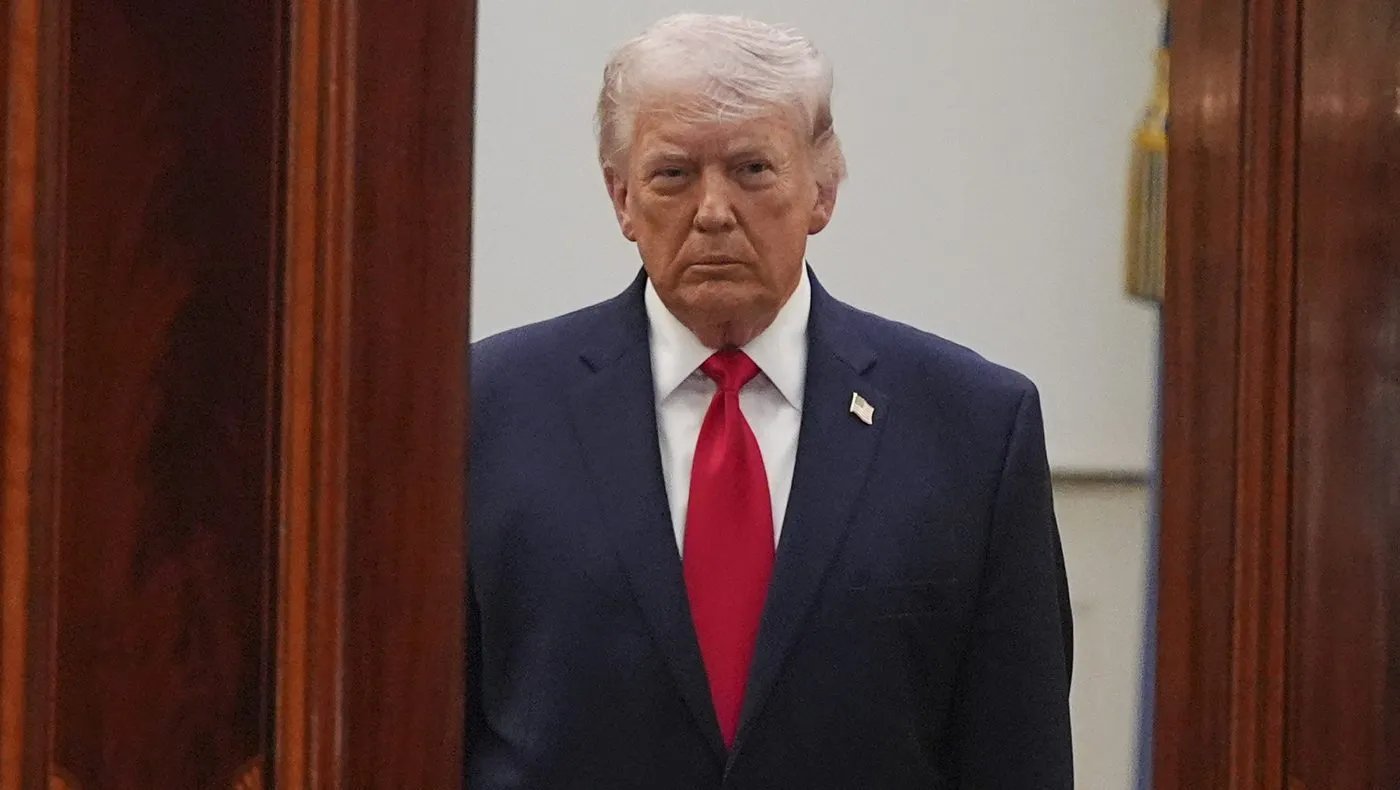
The U.S. will pay for the deportations, ensuring no costs to the Congolese government. Al Jazeera reports that the Trump administration has stated it is continuing efforts to broker a peace deal between the DRC and Rwanda and to secure U.S. access to Congolese critical minerals.
Third-Country Deportation Concerns
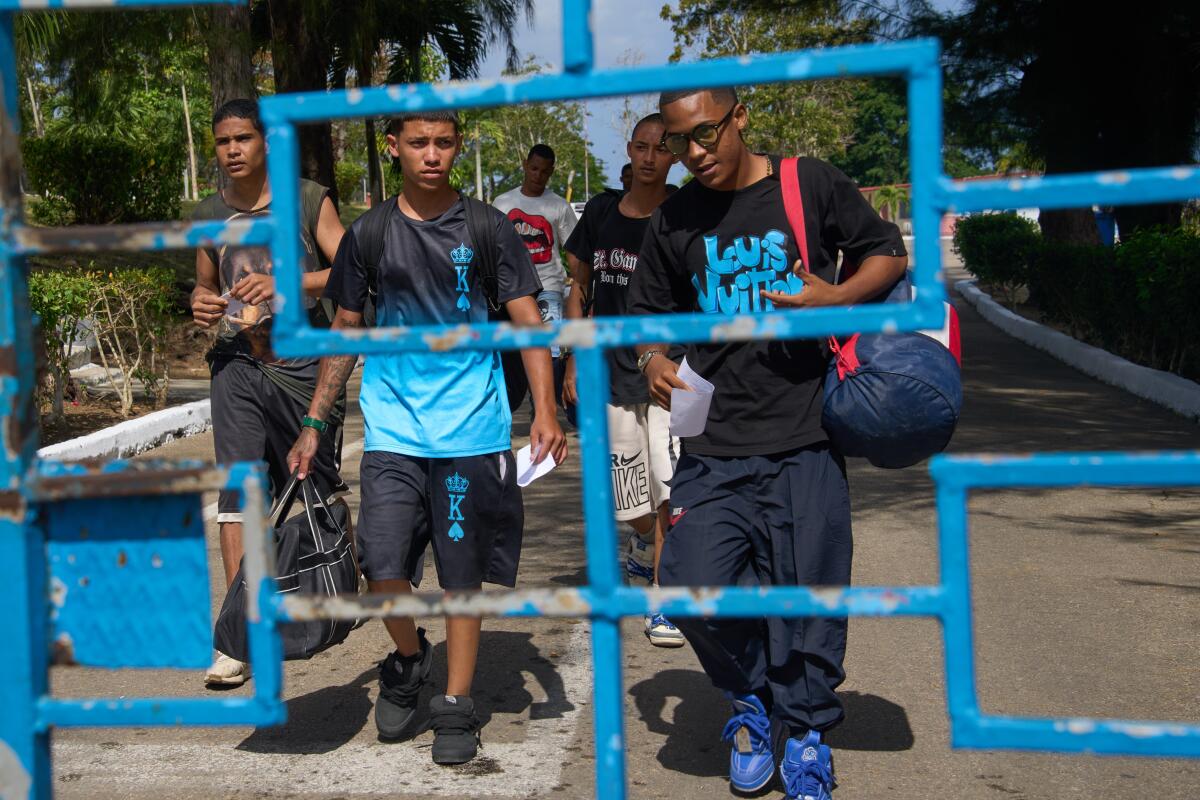
The United States has deported third-country nationals to African countries including Ghana, Cameroon, Equatorial Guinea and Eswatini. The US Committee for Refugees and Immigrants said third-country deportations have been systematically pursued since February 2025. The committee states that individuals subject to third-country deportation typically have no choice in where they are sent, raising due process and human rights concerns.

The Democratic staff of the US Senate Foreign Relations Committee reports the administration has spent at least $40 million to deport about 300 migrants to countries other than their own.
Last week, legal groups in Uganda announced that a dozen deportees were set to arrive in the country after a deal with Trump. The vice president of the Uganda Law Society, Asiimwe Anthony, said the group had gone to court to challenge the deportation. Anthony said that the development and the attendant illegalities that accompany it are reminiscent of a dark past that the global family of humanity supposedly put behind itself in the pursuit of the ideal that every human being is born equal.
Impact on Detained Immigrants
An immigrant family is grappling with the ordeal suffered by a 3-year-old girl who endured alleged sexual abuse while her father fought for five months for her release from federal custody. The girl and her mother crossed the border near El Paso on September 16, 2025. The toddler was sent to the custody of the ORR, which cares for immigrant children in shelter or foster settings.
According to ABC News, average custody times for children cared for by ORR grew from 37 days in January 2025 to almost 200 days in February 2026. The total number of children in ORR custody fell by about half during the same time period.
ICE Detention Experiences
Earlier this week, the wife of a U.S. Army Reserve Black Hawk pilot was released from an ICE detention facility in Houston after four months and three court hearings, according to NBC News. Stephanie Kenny-Velasquez, who is from Venezuela, was detained in December just two days after marrying Chris Busby. Kenny-Velasquez said she couldn't let herself celebrate until she was back in his arms.
Kenny-Velasquez was released after a federal judge ruled that her due process rights had been violated when immigration officers detained her last year. She had previously applied for asylum and was released into the U.S. in 2021. Without any privacy, the 60 or so detainees, who speak a range of languages, had grown close.
Legal Challenges and Future Steps
Legal advocates filed lawsuits challenging the Trump administration's stricter sponsor documentation requirements and other policy changes affecting the custody and care of immigrant children, anticipating that they would result in prolonged detention. Attorneys are now turning to habeas petitions, which function as emergency lawsuits, to expedite the release of children to their parents and sponsors.
After the monthslong delay, attorneys sent the government a letter in February and prompted them to allow the father to receive appointments for a fingerprinting background check, a home visit and a DNA test. The couple must wait as Rivera attempts to secure permanent residency for Kenny-Velasquez. She has an asylum hearing scheduled for 2027 and is also applying to two different programs that allow noncitizens to "parole in place."




































The sources also report that the Trump administration spent at least $40 million deporting about 300 migrants to third countries.