




The Ultimatum and Threats
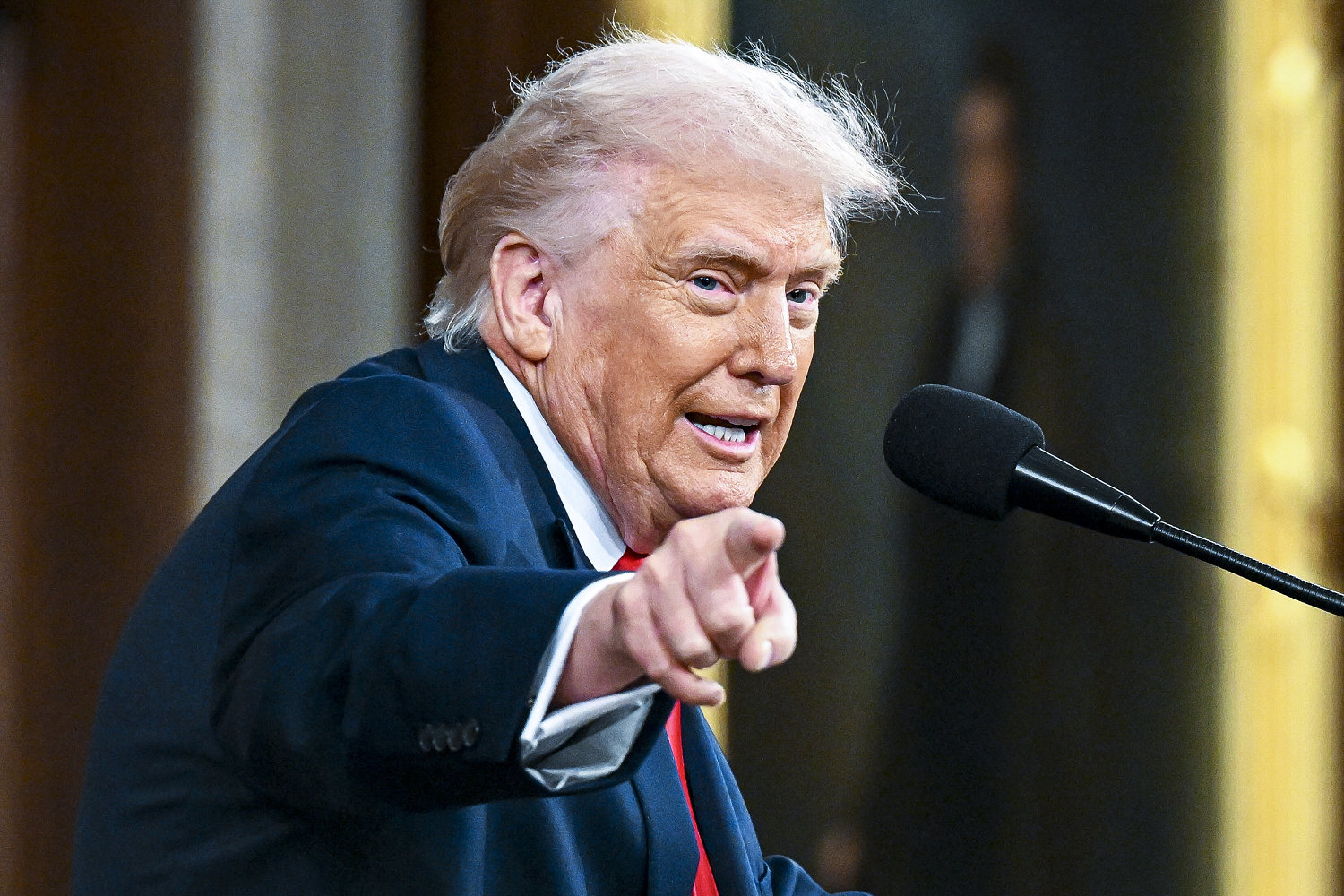
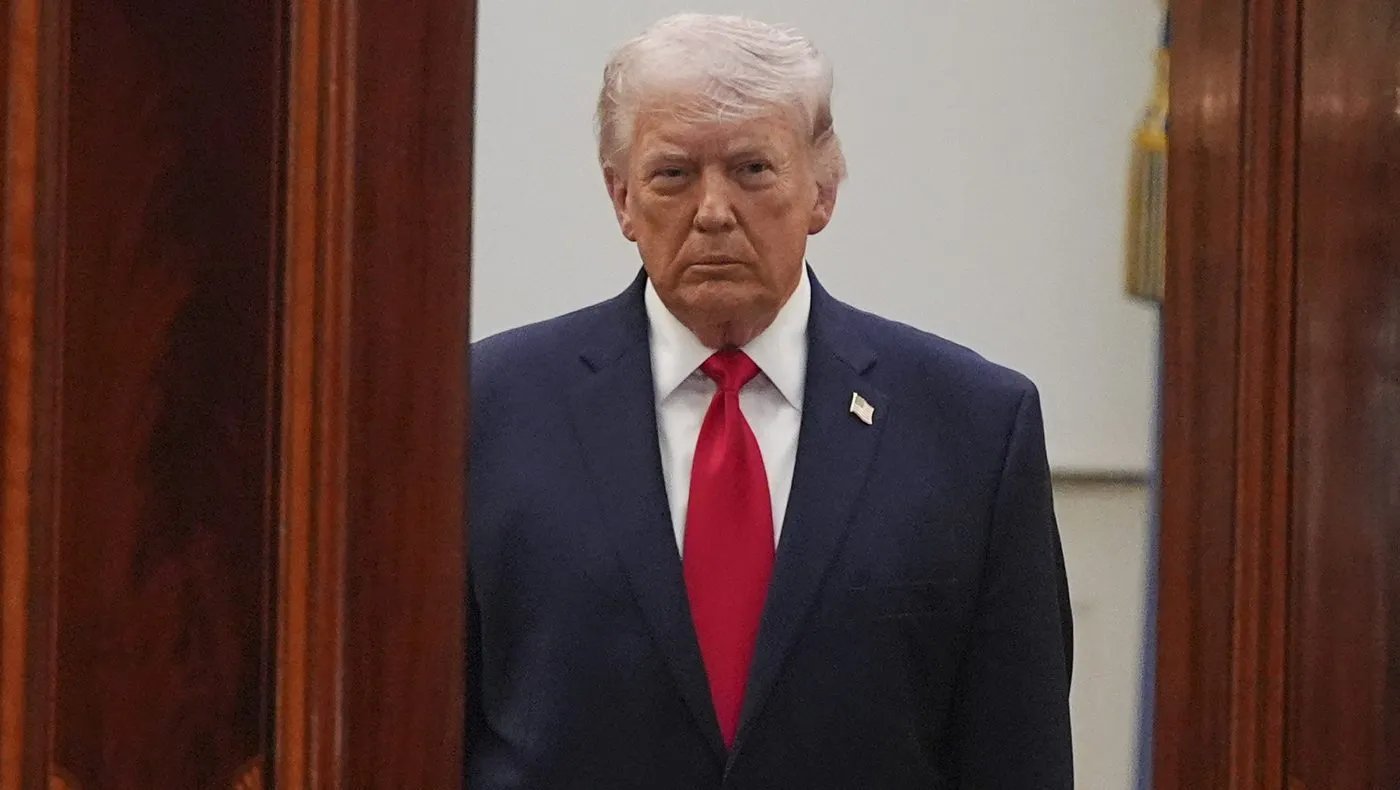
President Donald Trump told ABC News on Sunday that if Iran doesn't make a peace deal in the next 48 hours, "we're blowing up the whole country." Trump warned that if Iran does not agree to open the strategically vital Strait of Hormuz by Tuesday at 8 p.m. ET, "Tuesday will be Power Plant Day, and Bridge Day, all wrapped up in one, in Iran."
Tensions Escalate Following Military Operations
The U.S. military recently executed a complex search and rescue operation that successfully recovered a crew member of the downed F-15E, marking the first time a U.S. fighter jet has been shot down in combat in over 20 years. President Trump described the rescue as "one of the most daring" operations in U.S. history, with dozens of aircraft involved.
Iranian Response and Warnings
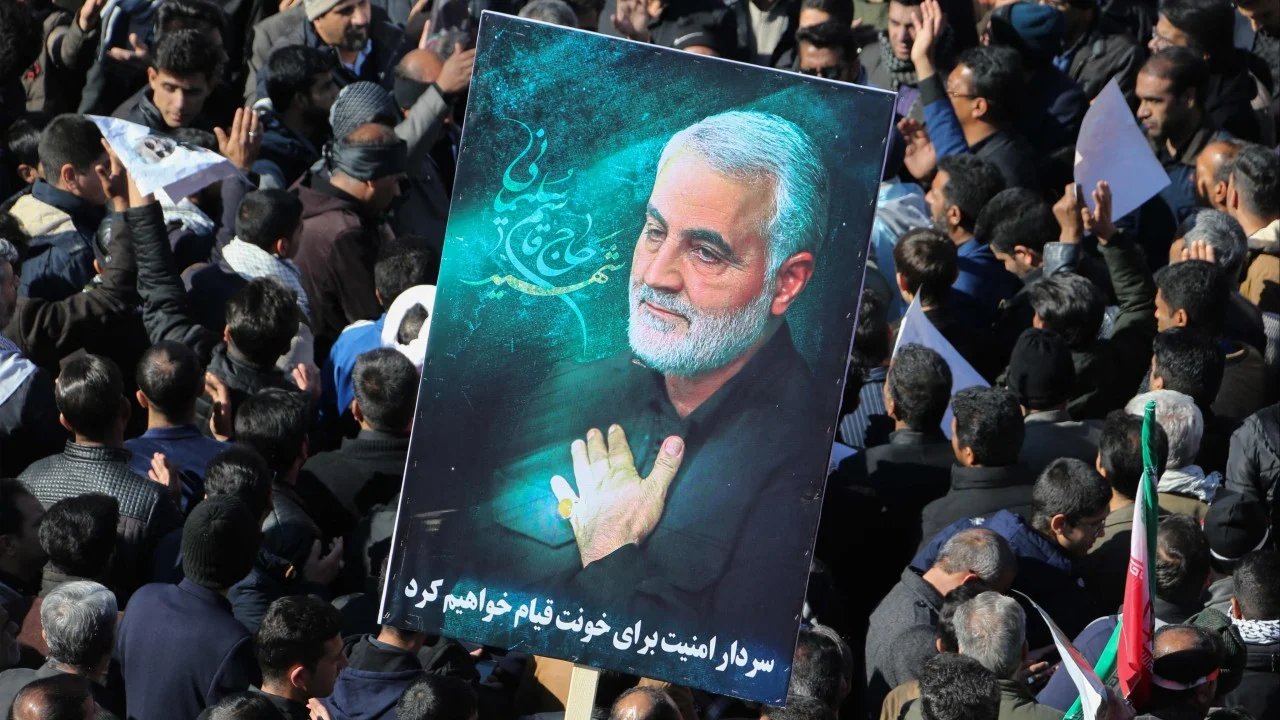
Iran's parliament speaker, Mohammad-Bagher Ghalibaf, responded to Trump's threats, stating that "your reckless moves are dragging the United States into a living HELL for every single family." He condemned the U.S. threats as war crimes and emphasized that Iran would not yield to intimidation. The Iranian military has warned of "much more devastating" retaliation against any strikes targeting civilian infrastructure, further heightening the potential for conflict.

For example, Iran's parliament speaker, Mohammad-Bagher Ghalibaf, condemned U.S. threats as war crimes and emphasized that Iran would not yield to intimidation, stating that U.S. actions are dragging the United States into a living HELL.
The Strait of Hormuz and Economic Implications
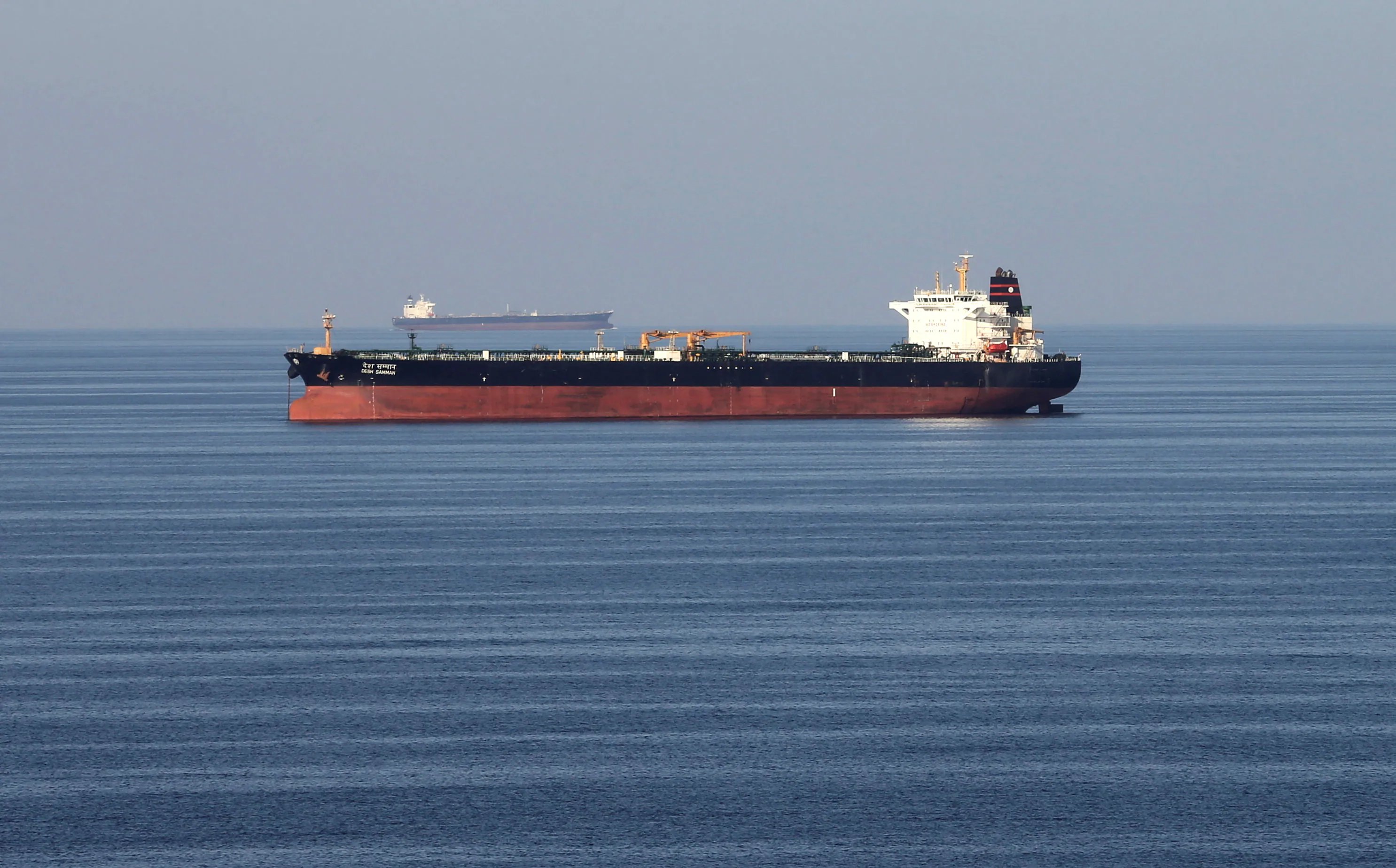
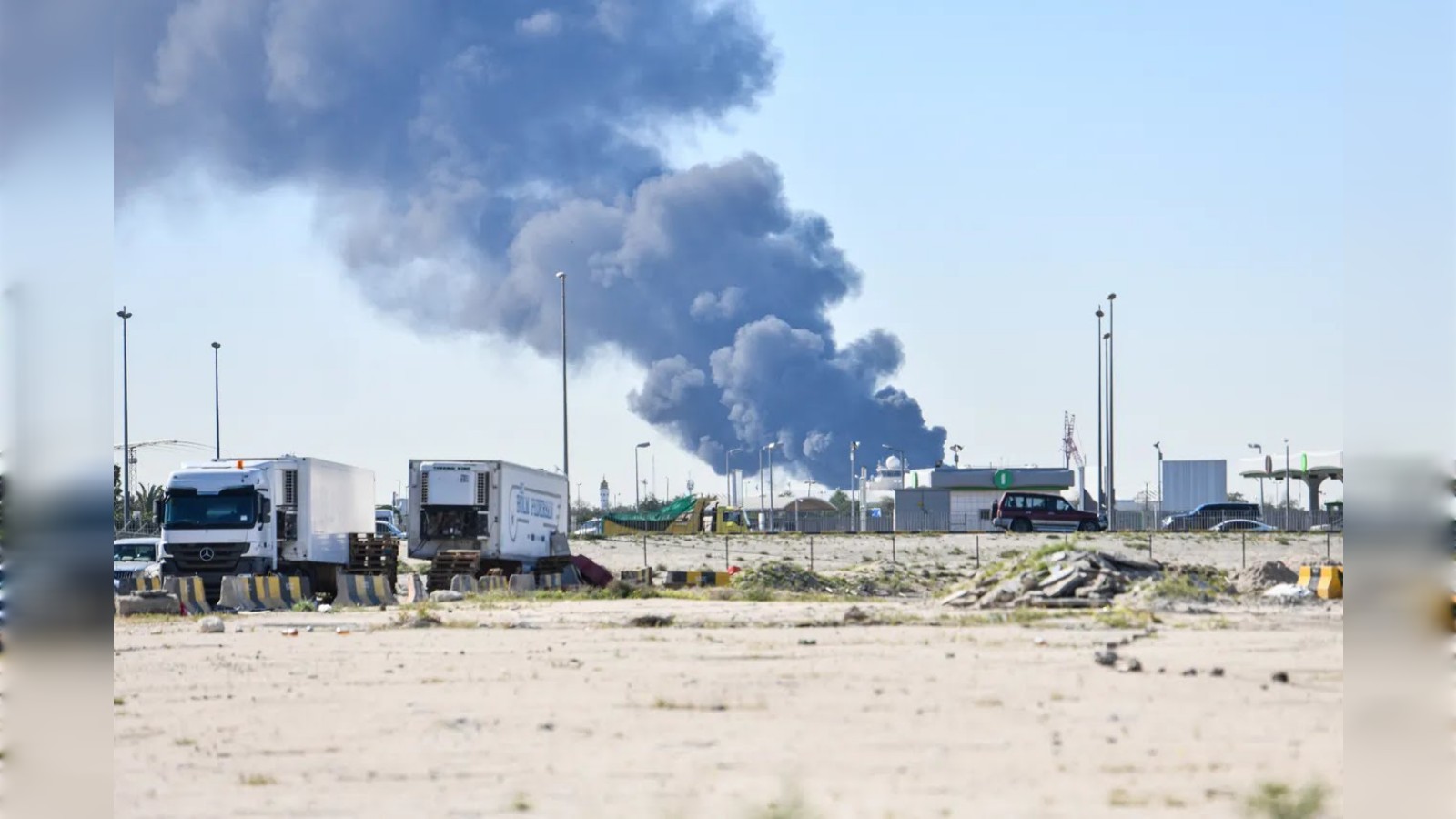
The Strait of Hormuz is a crucial maritime route through which approximately 20% of the world's oil passes. Iran has effectively closed the strait in response to U.S.-Israeli attacks, leading to skyrocketing fuel prices globally. Trump said, "With a little more time, we can easily OPEN THE HORMUZ STRAIT, TAKE THE OIL, & MAKE A FORTUNE." In contrast, Iran claims that while the strait remains open to friendly vessels, it has imposed restrictions on those it considers hostile.
Mixed Signals in Negotiations
While Trump has expressed optimism about reaching an agreement with Iran, stating there is a "good chance" for a deal, he simultaneously issued threats of destruction. This dual approach has drawn criticism from political figures, including Senator Tim Kaine, who described Trump's rhetoric as "embarrassing and juvenile." The U.S. and Iran have communicated indirectly through mediators, but the outcome of these discussions remains uncertain, with rising tensions complicating any potential resolution.
Military and Political Reactions
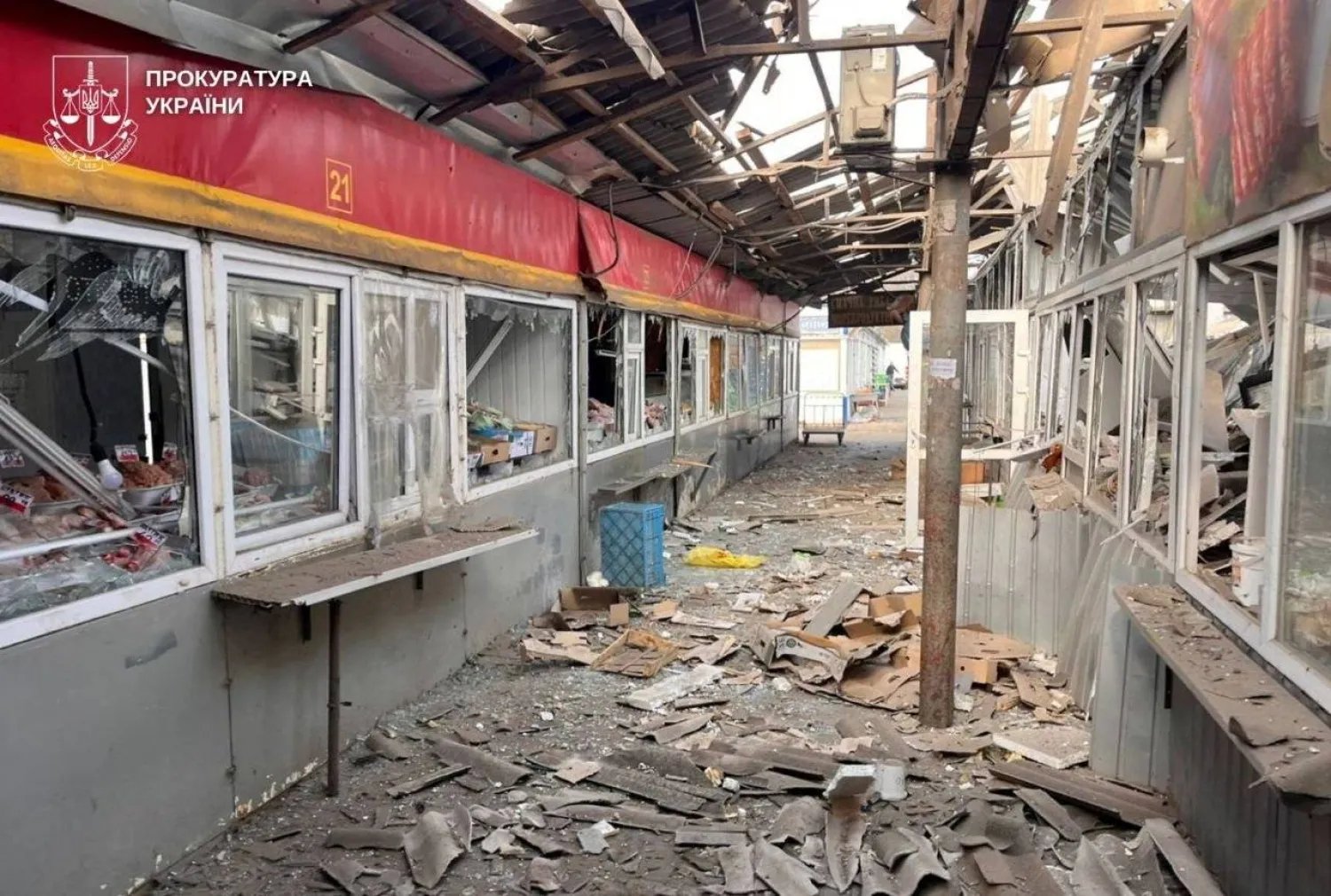
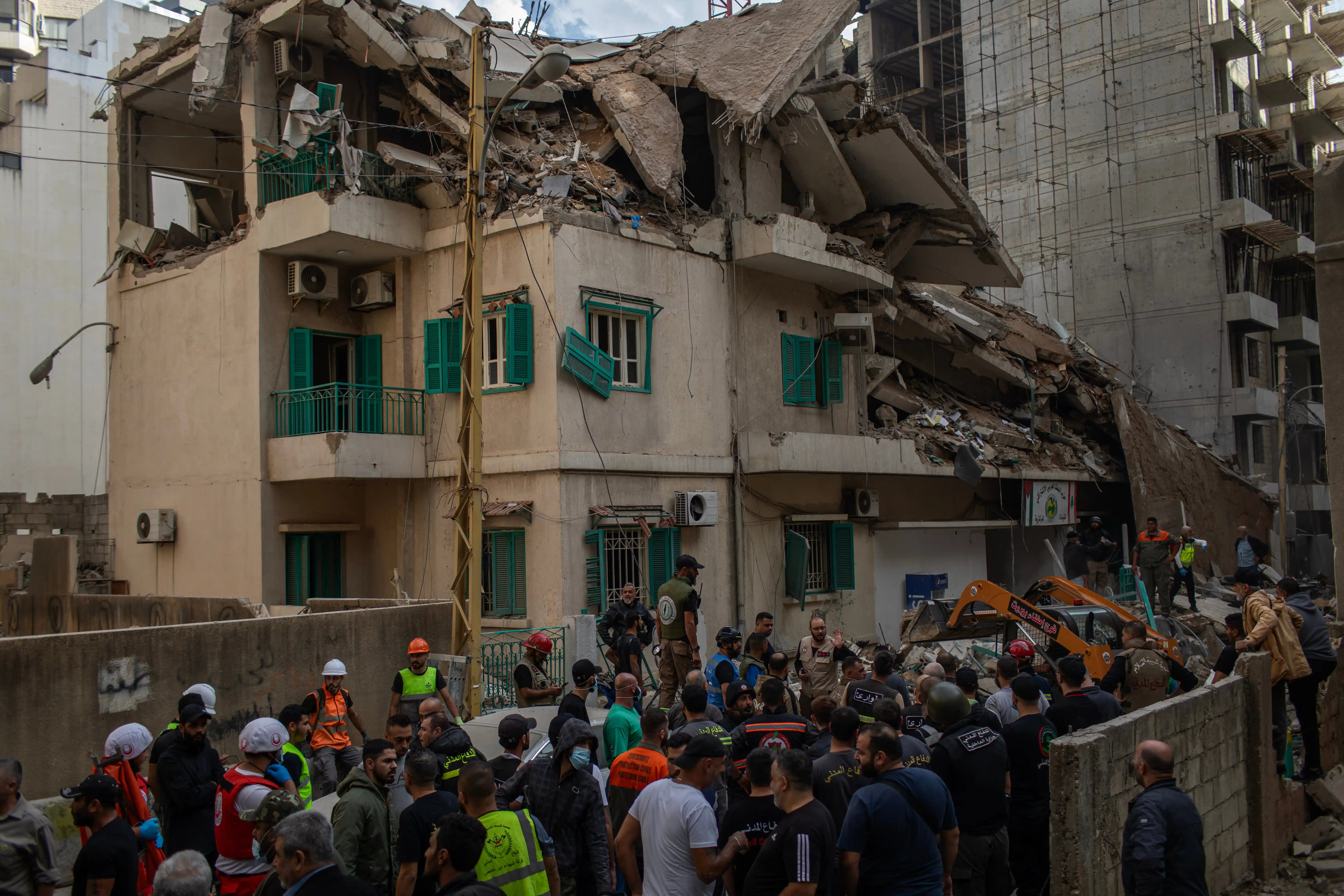
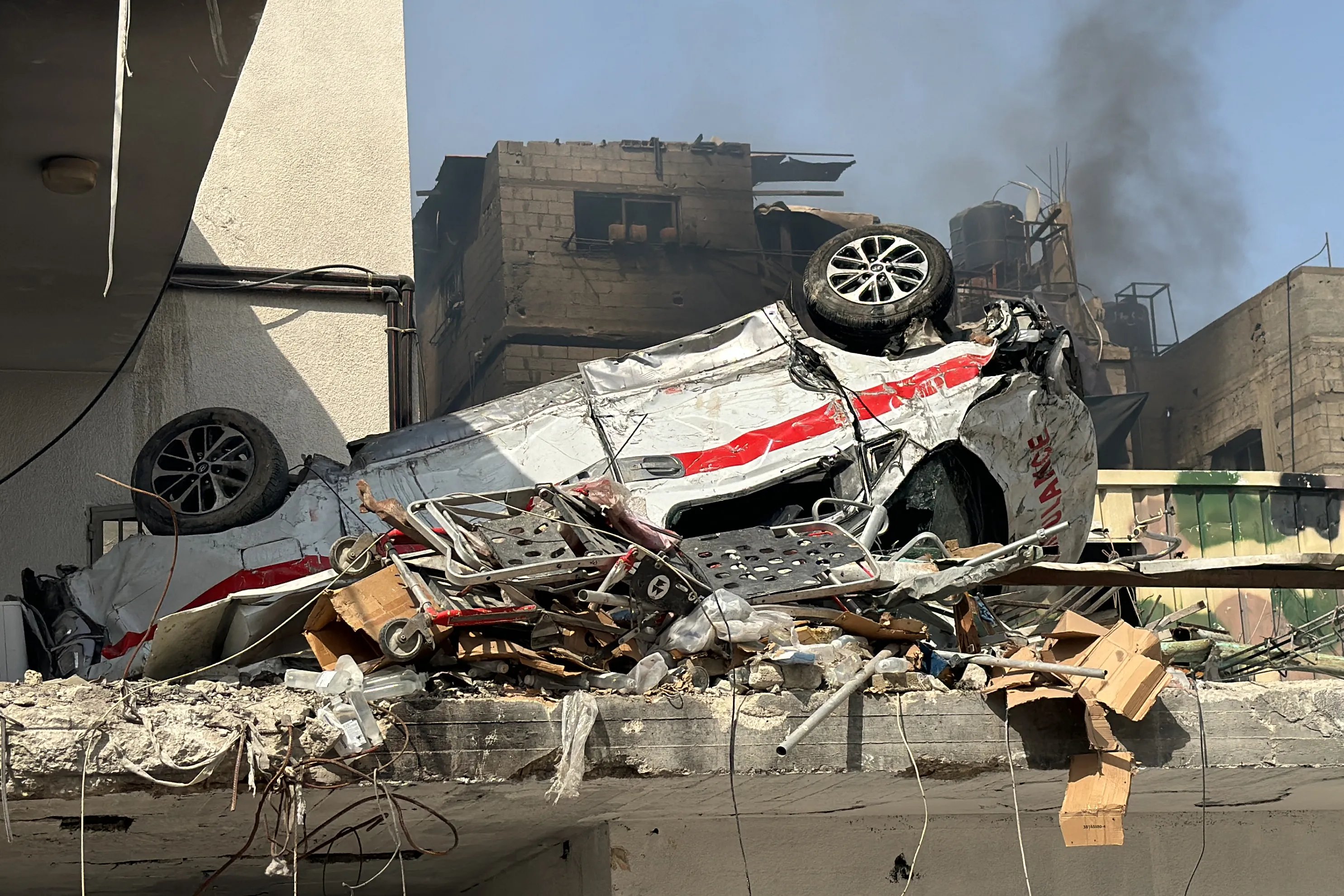
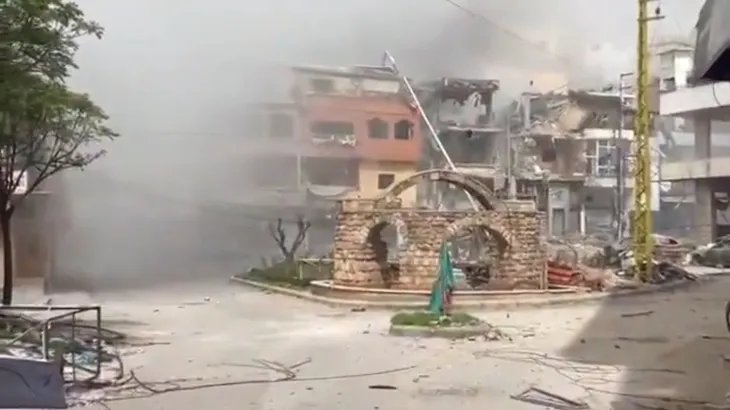
The U.S. military has continued its operations against Iranian targets, with reports of strikes targeting Iranian infrastructure. Former U.S. Central Command commander, General Frank McKenzie, indicated that the campaign is proceeding effectively, but concerns over civilian casualties have been raised. The Trump administration faces bipartisan scrutiny over its military actions and lack of a clear strategy, with some lawmakers demanding congressional approval for continued military operations.
Global Reactions and Future Implications
Internationally, the situation remains precarious as global leaders call for restraint. The United Nations Security Council has postponed discussions on proposals regarding the Strait of Hormuz, reflecting the complexities of international diplomacy amid the conflict. As the deadline approaches, the world watches closely, aware that the consequences of Trump's ultimatum could have far-reaching implications for global stability and economic conditions.
With the clock ticking, the next 48 hours could reshape the landscape of U.S.-Iran relations and impact global oil markets. Whether a diplomatic resolution can be reached remains to be seen, but the stakes have never been higher.















The sources also report that the CIA, the U.S. intelligence agency, launched a deception campaign inside Iran to mislead forces and track the crew member.