




A New Destination for Third-Country Deportations
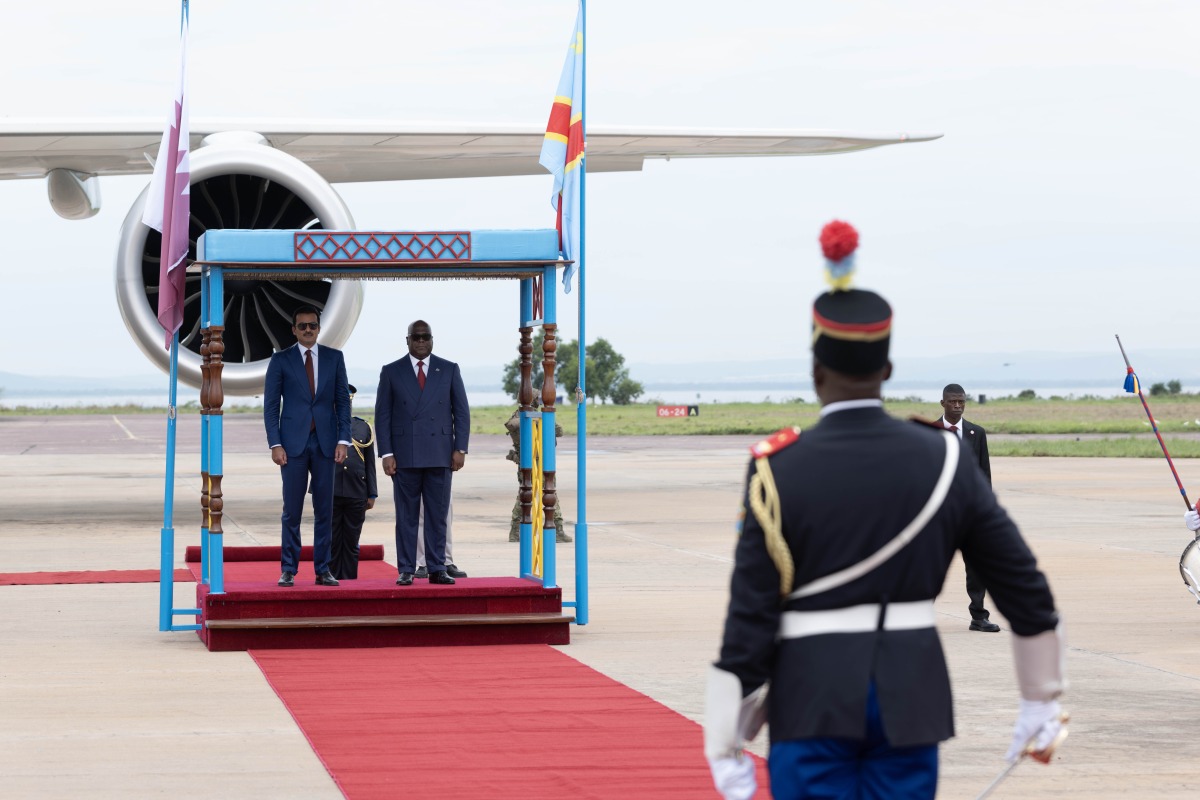
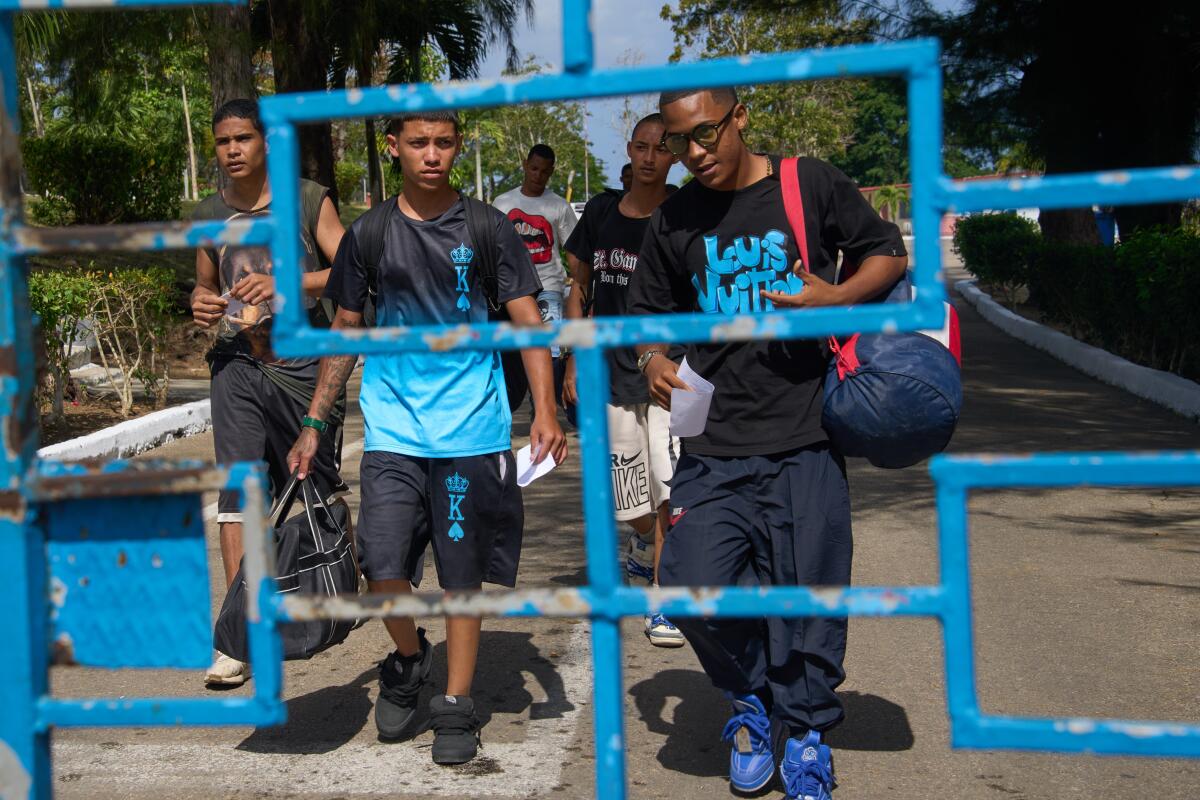
The Democratic Republic of Congo has agreed to accept migrants deported from the United States who are not themselves Congolese, marking the country's entry into an expanding network of African nations participating in the Trump administration's third-country deportation program. The Ministry of Communication announced the arrangement on Sunday, with deportees set to arrive this month. The government established a temporary reception system and selected facilities in the capital, Kinshasa, to house arrivals.
The deal carries financial implications that differ from typical deportation arrangements. The US will provide logistical and technical support at no cost to the Congolese government, according to the ministry statement. This arrangement joins similar programs already operating across the continent, with Eswatini, Ghana, and South Sudan already receiving deportees from the US.
The Scale and Cost of Third-Country Deportations
The financial scope of the third-country deportation program has grown substantially. A minority report from the US Senate's committee on foreign relations found that the Trump administration has likely spent more than $40 million on third-country deportations through January 2026, though the total cost remains unknown. The administration provided more than $32 million directly to five countries: Equatorial Guinea, Rwanda, El Salvador, Eswatini, and Palau.

The SCMP adds that the US has struck third-country deportation deals with at least seven other African nations, many hit by Trump policies restricting trade, aid and migration.
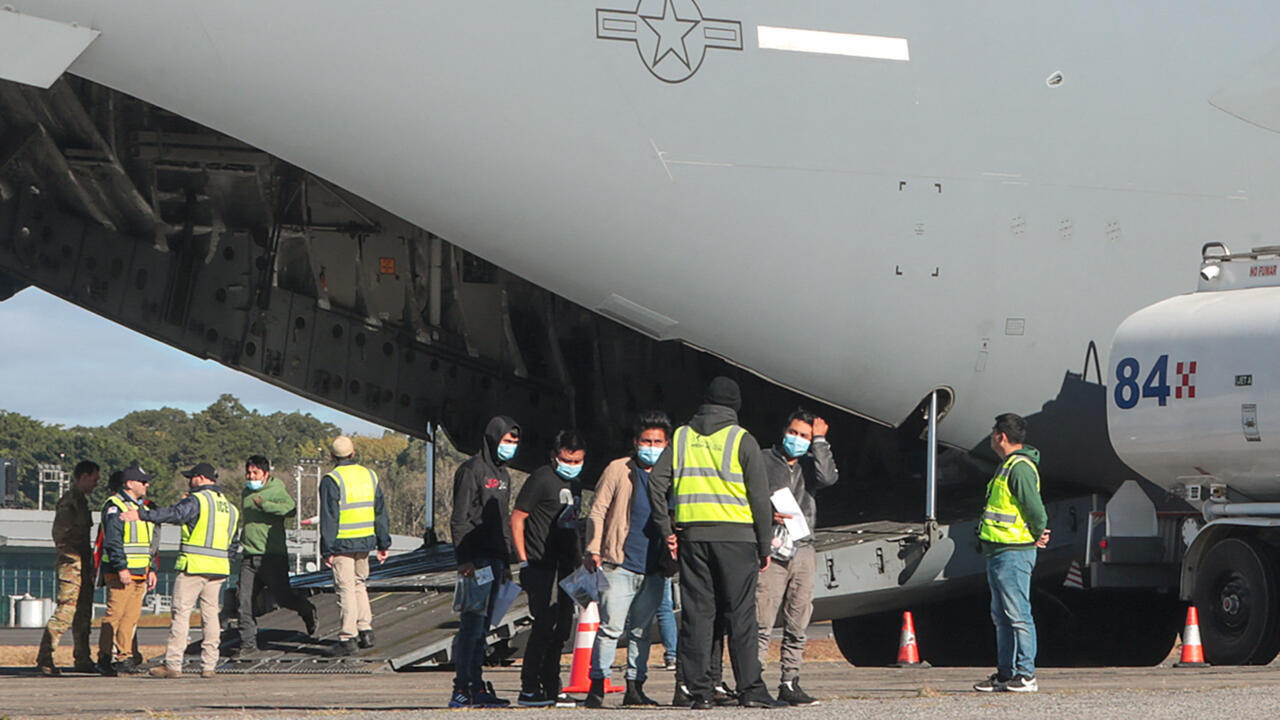
About 300 migrants have been deported to countries other than their own as part of this initiative. Last week alone, eight people from different African countries were deported to Uganda.
Assurances on Migrant Rights and Program Scope
Congolese officials addressed concerns that the arrangement could lead to secondary deportations of migrants to their home countries, where some face potential persecution. The government stated that no such transfers are being planned. Officials also clarified that the scheme is not a permanent relocation mechanism or an outsourcing of migration policies, instead framing it as aligned with DR Congo's commitment to human dignity and international solidarity.
The government has not disclosed how many deportees it will accept under the agreement. The BBC and other outlets have requested comment from the US State Department and Department of Homeland Security, but neither agency has responded as of Monday.
Broader Context of US-Congo Relations
The deportation agreement occurs alongside separate negotiations between the US and DR Congo over mineral access. The US is negotiating a minerals deal to gain access to the country's vast reserves of cobalt, tantalum, lithium, and copper. Additionally, the Trump administration facilitated a peace deal between DR Congo and Rwanda, though implementation of that agreement remains challenging.























The sources also report that the US has struck third-country deportation deals with at least seven other African nations, according to the South China Morning Post.