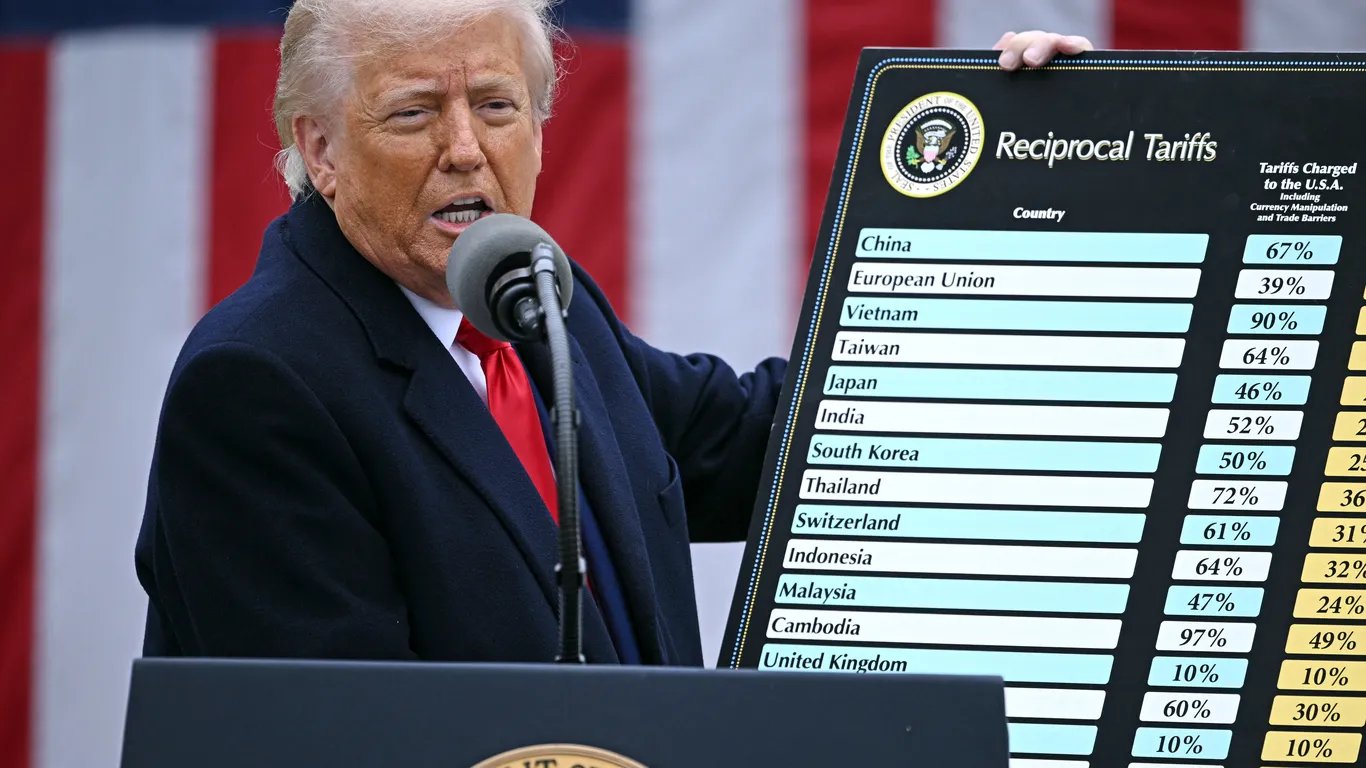
The Trump administration has declared the Presidential Records Act unconstitutional, arguing it intrudes on presidential autonomy. T. Elliot Gaiser, head of the DOJ's Office of Legal Counsel, wrote that the act establishes a burdensome regime of congressional regulation. This move could allow presidents to control or destroy their documents, affecting public access to historical materials and government accountability.
Historians like Matthew Connelly of Columbia University warn that the assertion means the presidency would answer to no one, including history. Everyday citizens may lose insight into presidential decisions that shape policies on national security and public records.
Gene Hamilton, who served as deputy White House counsel, supports the administration's view, calling congressional oversight of presidential paperwork constitutionally absurd. The American Historical Association has filed a lawsuit in Washington, D.C., to prevent destruction of White House materials. This legal fight underscores how record access could influence transparency in government operations that impact daily life.
The American Historical Association asked a federal judge last week to block officials from discarding presidential records. Dan Jacobson, a lawyer for the historians, said the Supreme Court found an earlier version of the records law was constitutional in another case from the Nixon era. The Trump Justice Department memo disregards that precedent, using the word "wrong" several times to dismiss prior rulings.
Connelly highlighted risks, such as keeping targeting orders from the Cuban missile crisis secret indefinitely. Naftali questioned whether future presidents could erase unflattering documents, potentially altering public understanding of key events. The association's action targets not just Trump but also Vice President Vance, as training on document preservation seems to exclude top leaders. This effort aims to protect records that belong to the public, ensuring history serves as a check on power.
Hamilton's nonprofit, America First Legal, released a white paper in 2023 asserting presidents' unequivocal control over their records. The lawsuit reflects broader concerns about executive overreach, as raised by groups like American Oversight. Without safeguards, individuals might face reduced ability to hold leaders accountable through documented evidence.
Pam Bondi's failure to appear for a congressional subpoena on Epstein files shows mixed signals from Trump's Justice Department. Todd Blanche, her replacement, claimed the DOJ would support inquiries into Epstein victims, as stated at the Semafor World Economy conference. Legal experts like Spencer Kuvin of Goldlaw argue this indicates fragile accountability in document management.
Bondi's non-appearance for the April 14 hearing stemmed from her no longer being attorney general, according to committee statements. Blanche's comments suggest an openness to victim testimonies, yet critics see it as lacking definitive action.
Neama Rahmani, a former federal prosecutor, believes Congress must enforce demands through courts to review withheld documents.
Both sides in the records dispute are set to appear in court early next month, as noted in the ongoing legal battle. The American Historical Association's lawsuit could force preservation of millions of papers and electronic messages from Trump's term.
If the administration prevails, future presidents might destroy documents at will, as Naftali warned, altering how history is written and understood. Connelly emphasized that records of decisions made on behalf of the public are collective property, not personal assets. This outcome would mean less access to information that shapes policies, directly influencing voters' ability to assess leadership.
The court decision could set a precedent for document handling, affecting how ordinary people engage with government transparency. For instance, preserved records have revealed past crises, helping prevent repeats. Ultimately, this fight ensures that presidential actions remain subject to public scrutiny, safeguarding democratic processes for all.
The Trump administration has declared the Presidential Records Act unconstitutional, arguing it intrudes on presidential autonomy. T. Elliot Gaiser, head of the DOJ's Office of Legal Counsel, wrote that the act establishes a burdensome regime of congressional regulation. This move could allow presidents to control or destroy their documents, affecting public access to historical materials and government accountability.
Historians like Matthew Connelly of Columbia University warn that the assertion means the presidency would answer to no one, including history. Timothy Naftali, former director of the Nixon Presidential Library, links the claim to past events, such as Trump's handling of classified documents at Mar-a-Lago. Everyday citizens may lose insight into presidential decisions that shape policies on national security and public records.
Gene Hamilton, who served as deputy White House counsel, supports the administration's view, calling congressional oversight of presidential paperwork constitutionally absurd. The American Historical Association has filed a lawsuit in Washington, D.C., to prevent destruction of White House materials. This legal fight underscores how record access could influence transparency in government operations that impact daily life.
The American Historical Association asked a federal judge last week to block officials from discarding presidential records. Dan Jacobson, a lawyer for the historians, noted that the Trump Justice Department memo ignores Supreme Court precedent from the Nixon era. Connelly highlighted risks, such as keeping targeting orders from the Cuban missile crisis secret indefinitely.
Naftali questioned whether future presidents could erase unflattering documents, potentially altering public understanding of key events. The association's action targets not just Trump but also Vice President Vance, as training on document preservation seems to exclude top leaders. This effort aims to protect records that belong to the public, ensuring history serves as a check on power.
Hamilton's nonprofit, America First Legal, released a white paper in 2023 asserting presidents' unequivocal control over their records. The lawsuit reflects broader concerns about executive overreach, as raised by groups like American Oversight. Without safeguards, individuals might face reduced ability to hold leaders accountable through documented evidence.
Pam Bondi's failure to appear for a congressional subpoena on Epstein files shows mixed signals from Trump's Justice Department. Todd Blanche, her replacement, claimed the DOJ would support inquiries into Epstein victims, as stated at the Semafor World Economy conference. Legal experts like Spencer Kuvin of Goldlaw argue this indicates fragile accountability in document management.
Bondi's non-appearance for the April 14 hearing stemmed from her no longer being attorney general, according to committee statements. Blanche's comments suggest an openness to victim testimonies, yet critics see it as lacking definitive action. Such inconsistencies in the DOJ's approach could extend to presidential records, where incomplete transparency might erode public trust in oversight.
Neama Rahmani, a former federal prosecutor, believes Congress must enforce demands through courts to review withheld documents. The Epstein saga parallels the records debate, as both involve DOJ decisions on evidence release. This pattern raises stakes for citizens seeking clarity on government actions that affect safety and rights.
Both sides in the records dispute are set to appear in court early next month, as noted in the ongoing legal battle. The American Historical Association's lawsuit could force preservation of millions of papers and electronic messages from Trump's term. Jacobson pointed out that the DOJ memo uses the word "wrong" to dismiss prior Supreme Court rulings, escalating the conflict.
If the administration prevails, future presidents might destroy documents at will, as Naftali warned, altering how history is written and understood. Connelly emphasized that records of decisions made on behalf of the public are collective property, not personal assets. This outcome would mean less access to information that shapes policies, directly influencing voters' ability to assess leadership.
The court decision could set a precedent for document handling, affecting how ordinary people engage with government transparency. For instance, preserved records have revealed past crises, helping prevent repeats. Ultimately, this fight ensures that presidential actions remain subject to public scrutiny, safeguarding democratic processes for all.
Highlighted text was flagged by the council. Tap to see feedback.





















Gene Hamilton, who now leads the nonprofit America First Legal or AFL, said that from a constitutional perspective, it is 'insane' for Congress to tell the President what to do with his paperwork.