




A $166 Billion Repayment Begins
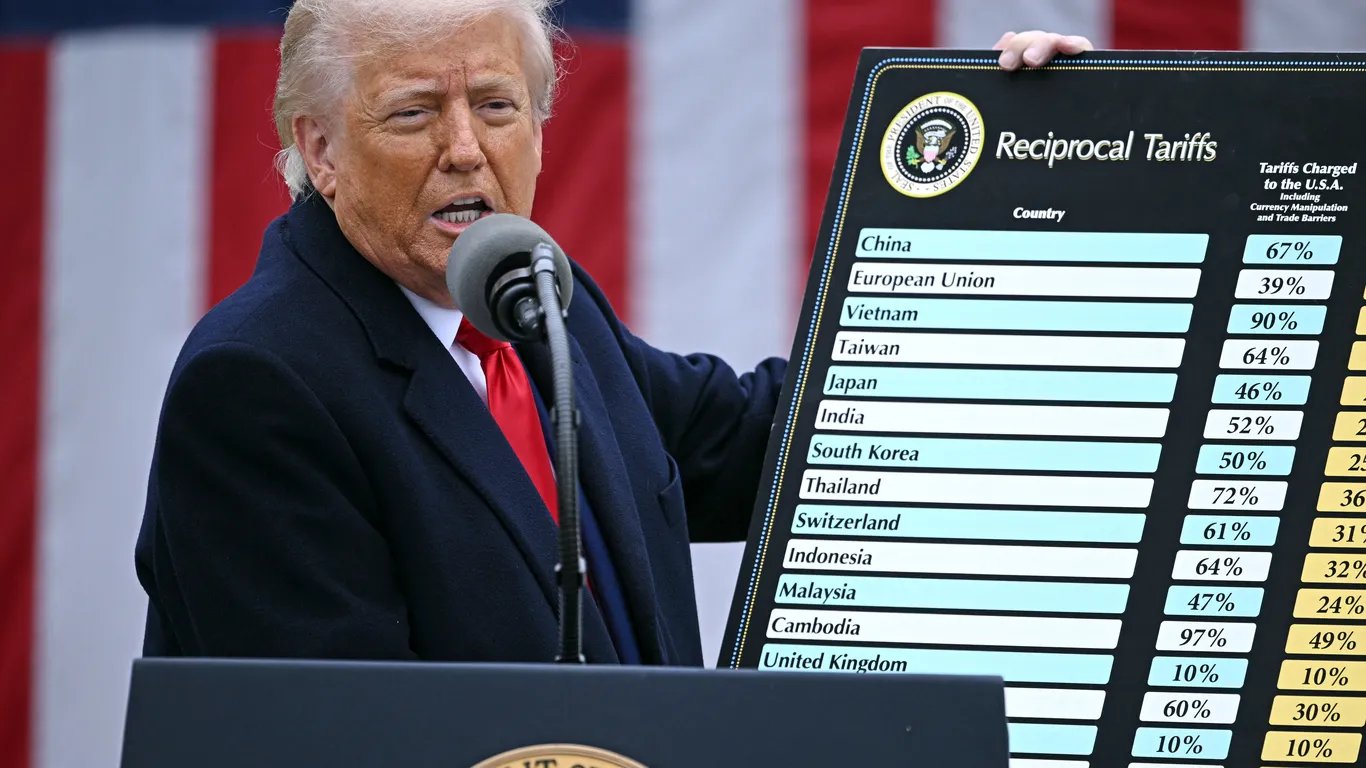
The U.S. government launched its tariff refund system Monday, opening an online portal for businesses to reclaim duties the Supreme Court ruled illegal. More than 330,000 importers paid approximately $166 billion in tariffs on over 53 million shipments under the International Emergency Economic Powers Act. The Customs and Border Protection agency deployed the Consolidated Administration and Processing of Entries, or CAPE, portal through its Automated Commercial Environment system to process what would be the largest tariff refund in U.S. history.
The refund process follows a February Supreme Court decision that struck down the tariffs at the center of President Trump's trade policy. The Court of International Trade subsequently ordered the administration to begin reimbursements. CBP said the system could handle about 63 percent of affected import filings in this initial phase, with the remainder to follow in later stages.
How the System Works
Importers and authorized customs brokers must create an account on the ACE portal and submit bank account information to receive electronic refunds. The process requires filing what CBP calls a CAPE declaration, which streamlines the submission of valid refund requests for duties imposed under the IEEPA. CBP stated it would issue refunds within 60 to 90 days of approving valid claims, though processing could extend longer if applications contain errors or inaccuracies.
Phase 1 is limited to certain unliquidated entries and entries within 80 days of liquidation. Up to 82 percent of IEEPA duty payments, amounting to $127 billion, are eligible for refunds in CAPE's initial deployment. As of April 9, only about 56,500 of the 330,000 affected importers had completed enrollment for electronic payment, a required step to receive any money.
Portal Faces Immediate Technical Problems
The system experienced technical difficulties on its first day. Rick Woldenberg, CEO of educational toy maker Learning Resources, received an error message stating "The system is currently experiencing high volume, please try again later." Woldenberg's Vernon Hills, Illinois-based company filed the lawsuit that led to the Supreme Court striking down the tariffs in February. "The system seems to have gone blinky," he said. "It seems like the system is overwhelmed."
Beth Benike, co-founder of Busy Baby, a Minnesota-based maker of baby products, spent more than four hours on hold with CBP over the weekend trying to resolve account issues. She received an error message stating "Duplicate tax ID," meaning her importer account was tied to someone else's. "I can't even get to the point where I'd receive an error message because the portal is down," she added. CBP told CBS News it was investigating reports of problems with the system.
Shawn Phetteplace, national campaigns director for Main Street Alliance, a network of small business owners, said some members experienced difficulty submitting or were unable to file refund claims on Monday. "We are deeply disappointed that the portal seems to be having major issues," he told CBS News, emphasizing the importance of processing refunds quickly. "Some people went out of business. Many of our members stopped hiring and growing and experienced real and severe consequences from the chaotic tariffs."
Uncertain Consumer Benefit
A mixture of firms and consumers bore the bulk of the tariff burden as of November, according to the New York Fed. However, it remains unclear how much consumers will actually benefit from the refund process. Some companies have pledged to compensate customers: FedEx and Costco have committed to passing refunds along to their customers.
Al Fine, founder and CEO of Dame, a sexual health and wellness company, said refund money would allow her to reinvest in the business. "If this money comes in, it would be such a relief," she said. "I would definitely reinvest it in Dame and bring more products to market faster." The extent of consumer repayment depends on whether companies choose to share recovered funds with those who ultimately paid the tariffs through higher prices.