
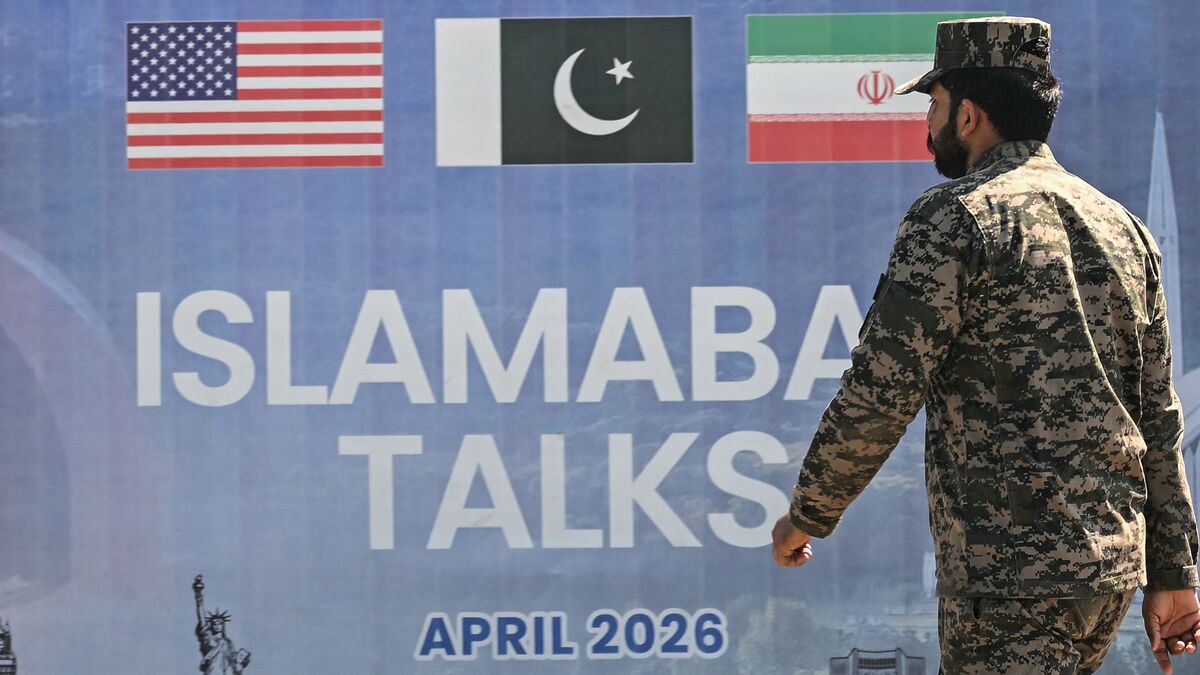



Upcoming Talks and Delegation Composition
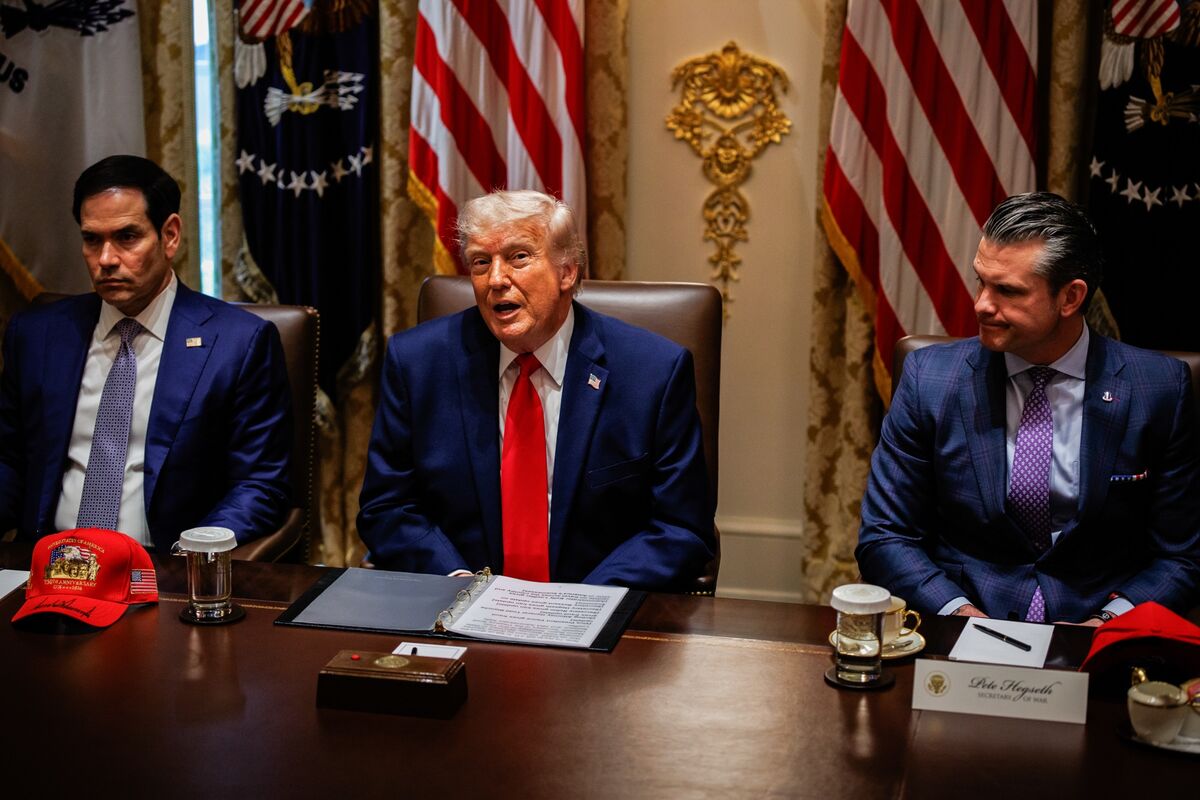
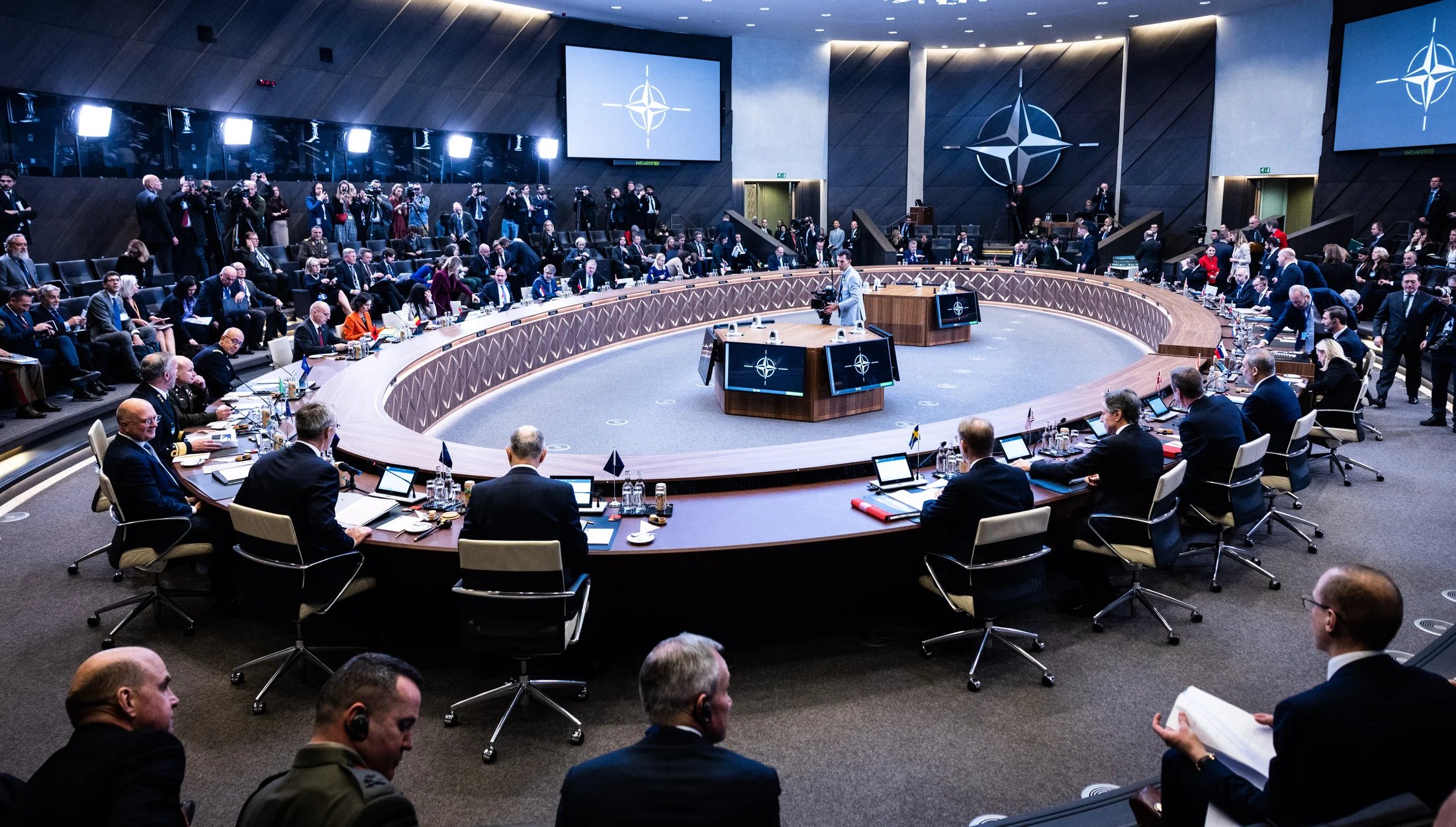
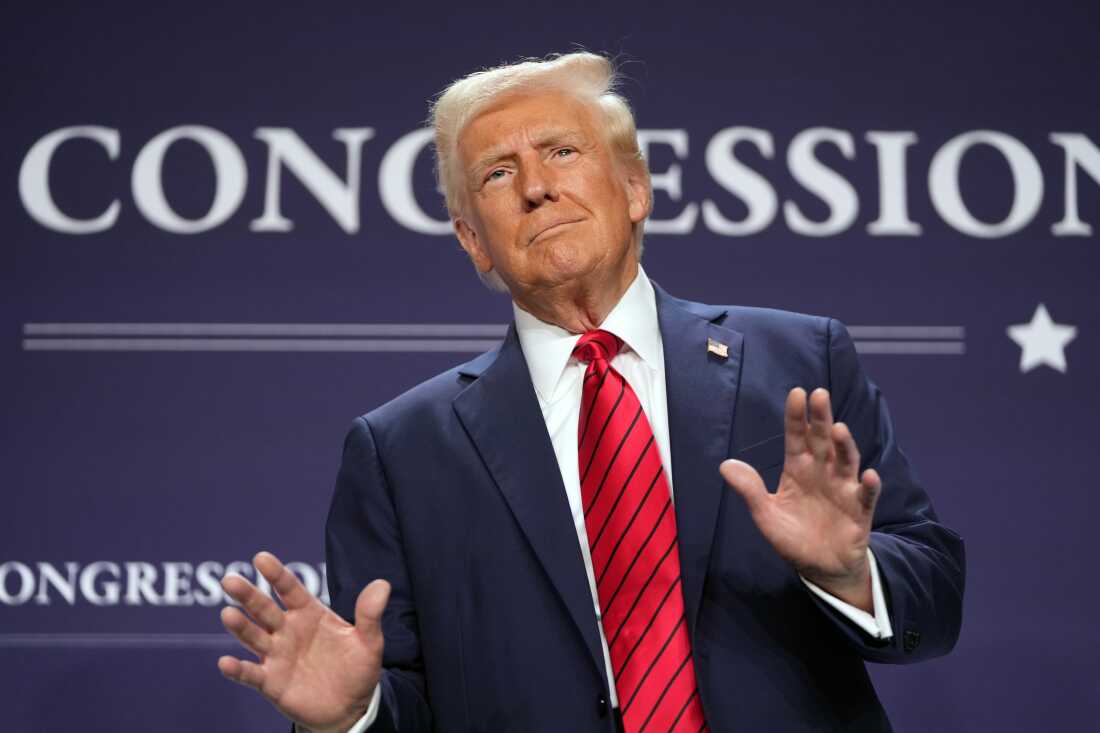
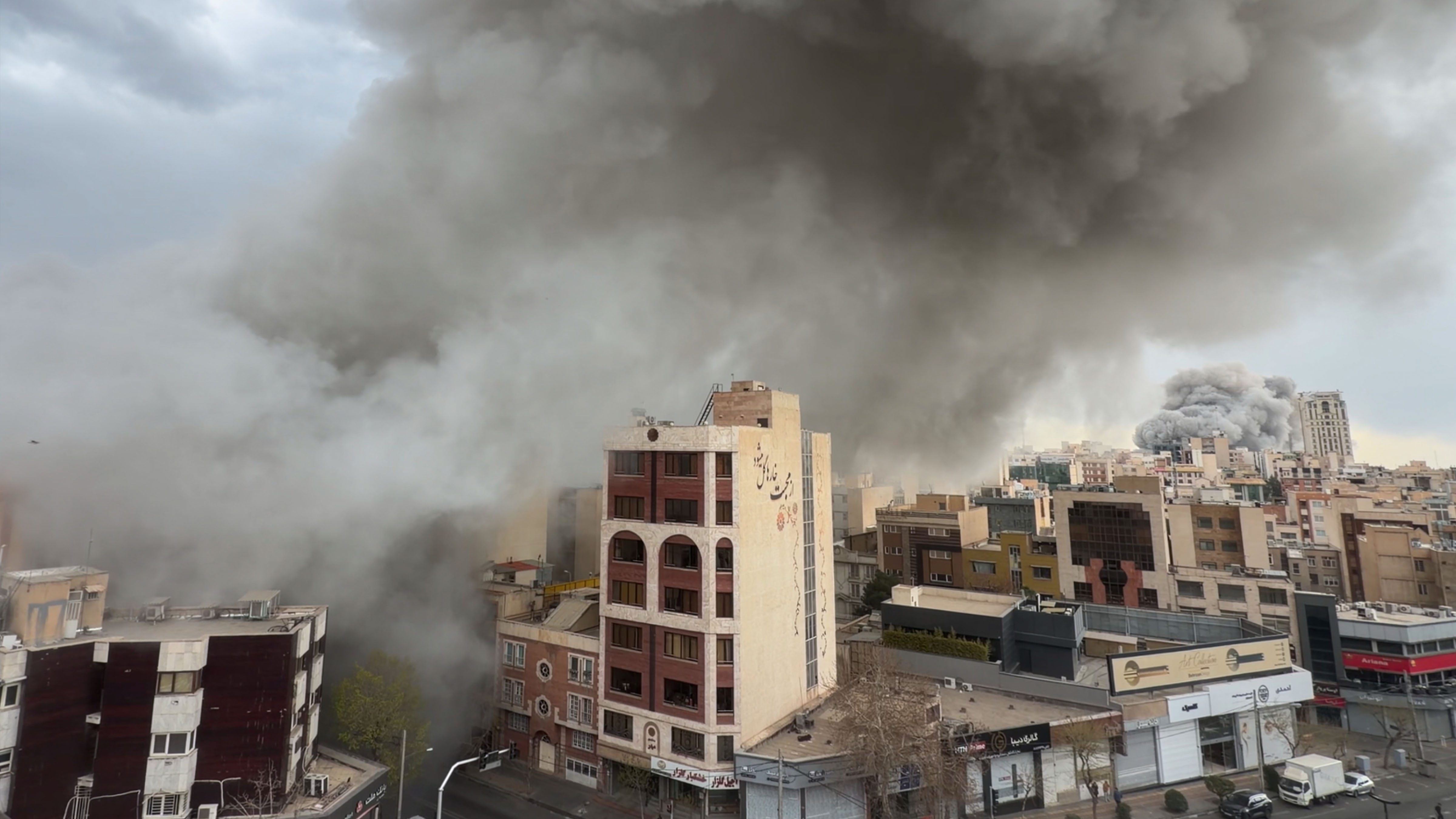
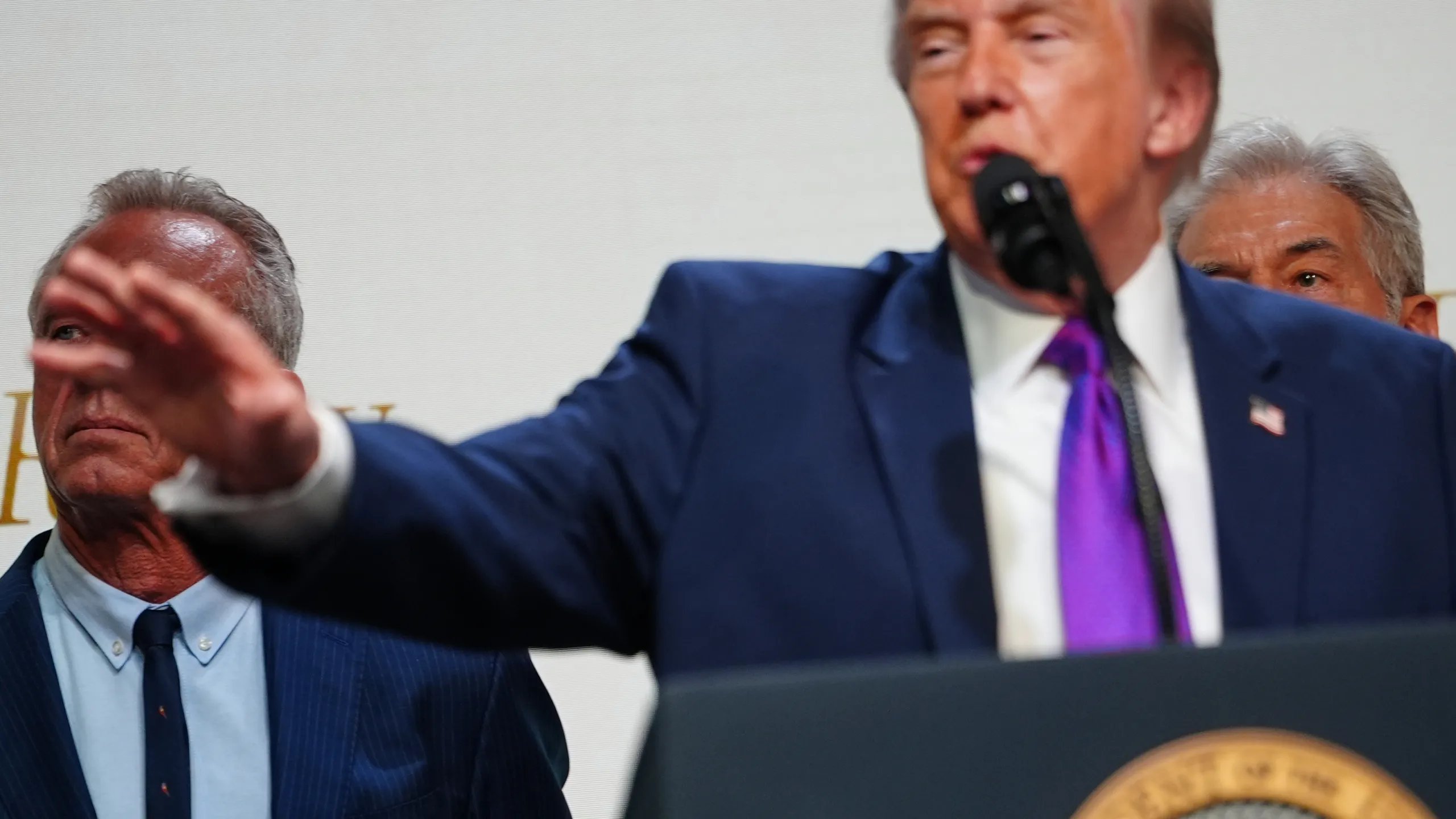
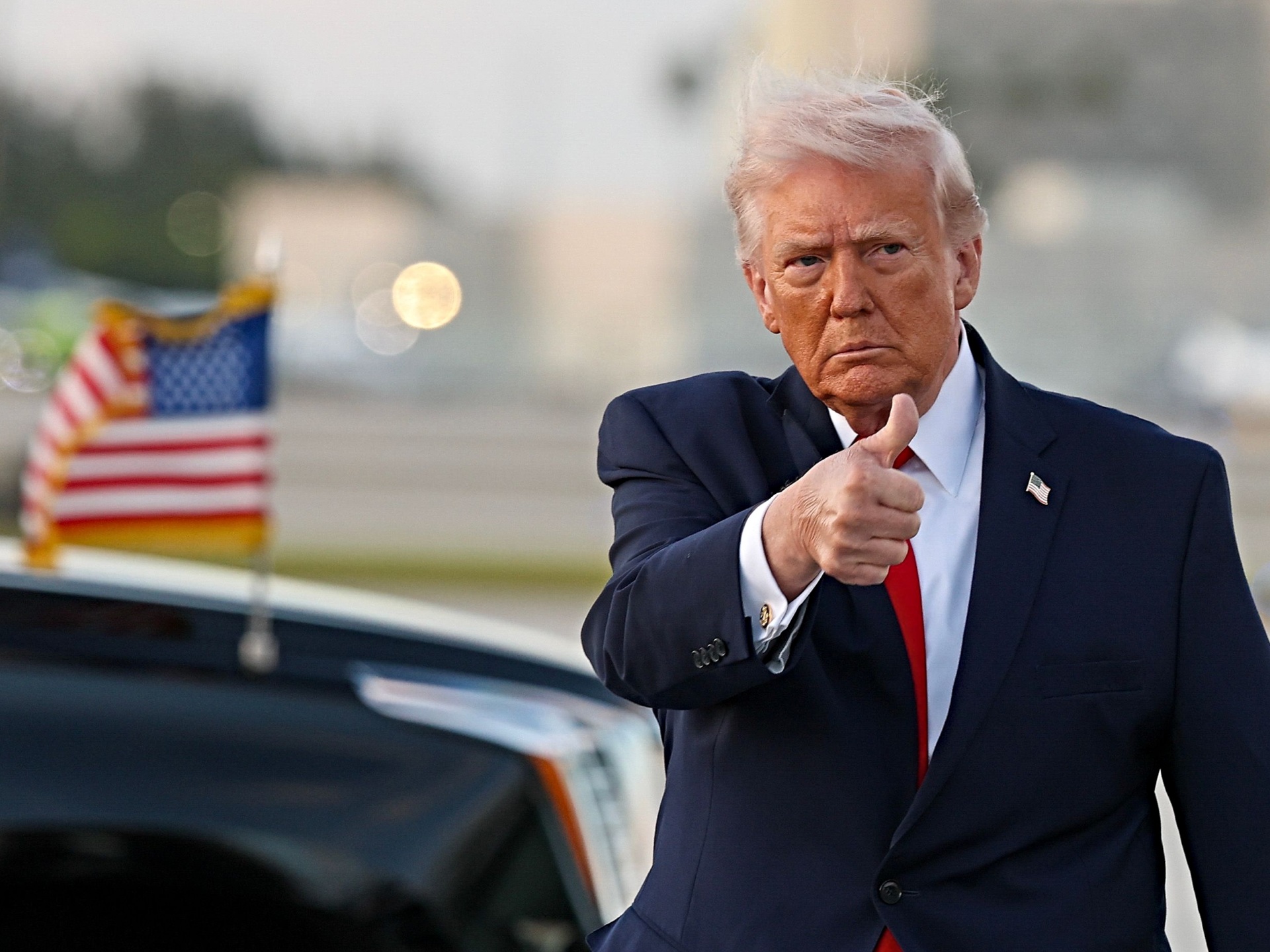
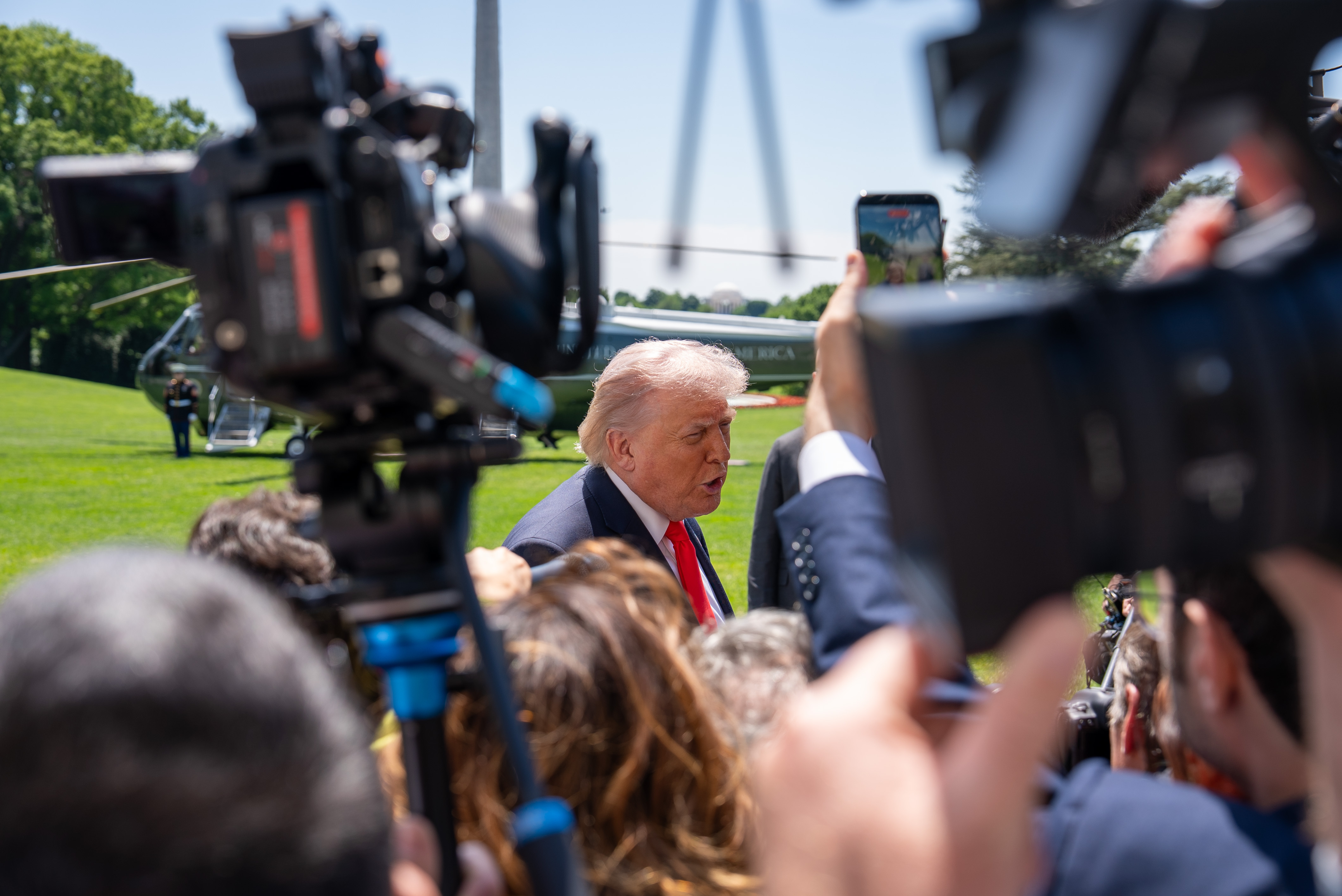
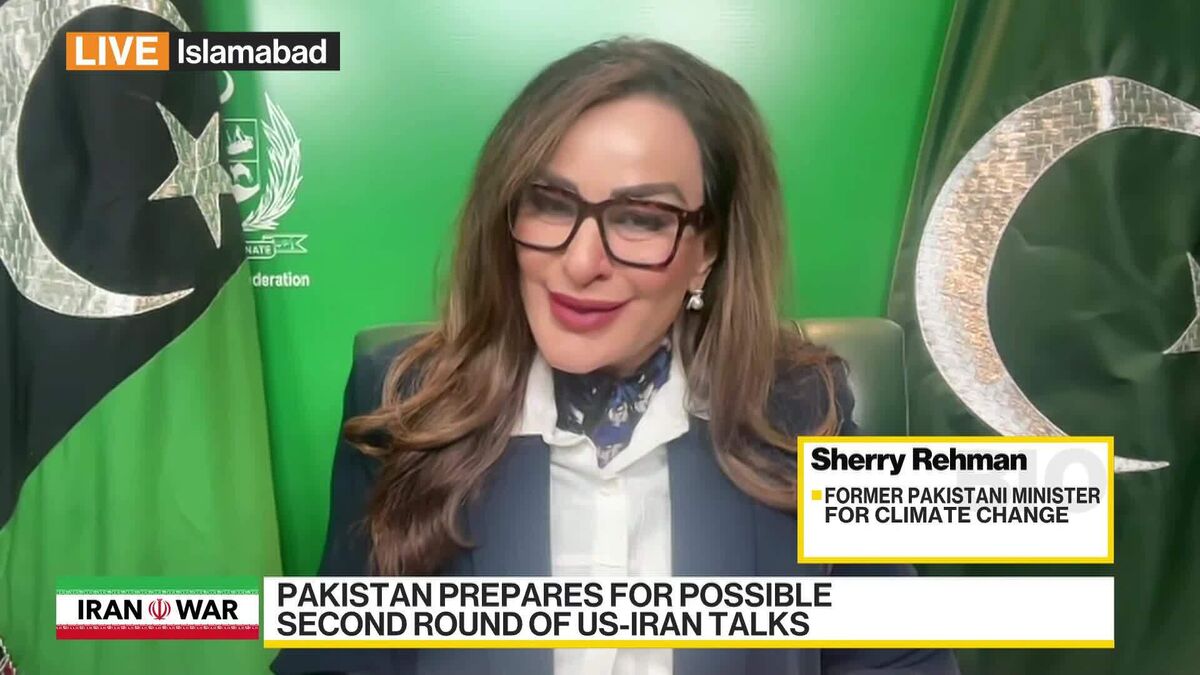
U.S. President Donald Trump announced that a delegation of officials will travel to Pakistan for renewed talks with Iran, scheduled to begin on Tuesday. Vice President JD Vance will lead the delegation, which also includes special envoy to the Middle East Steve Witkoff and Jared Kushner, Trump's son-in-law. This diplomatic effort comes as a fragile two-week ceasefire between the U.S. and Iran nears its expiration, with both sides still navigating a tense standoff.
Iran's Response and Ceasefire Violation Claims
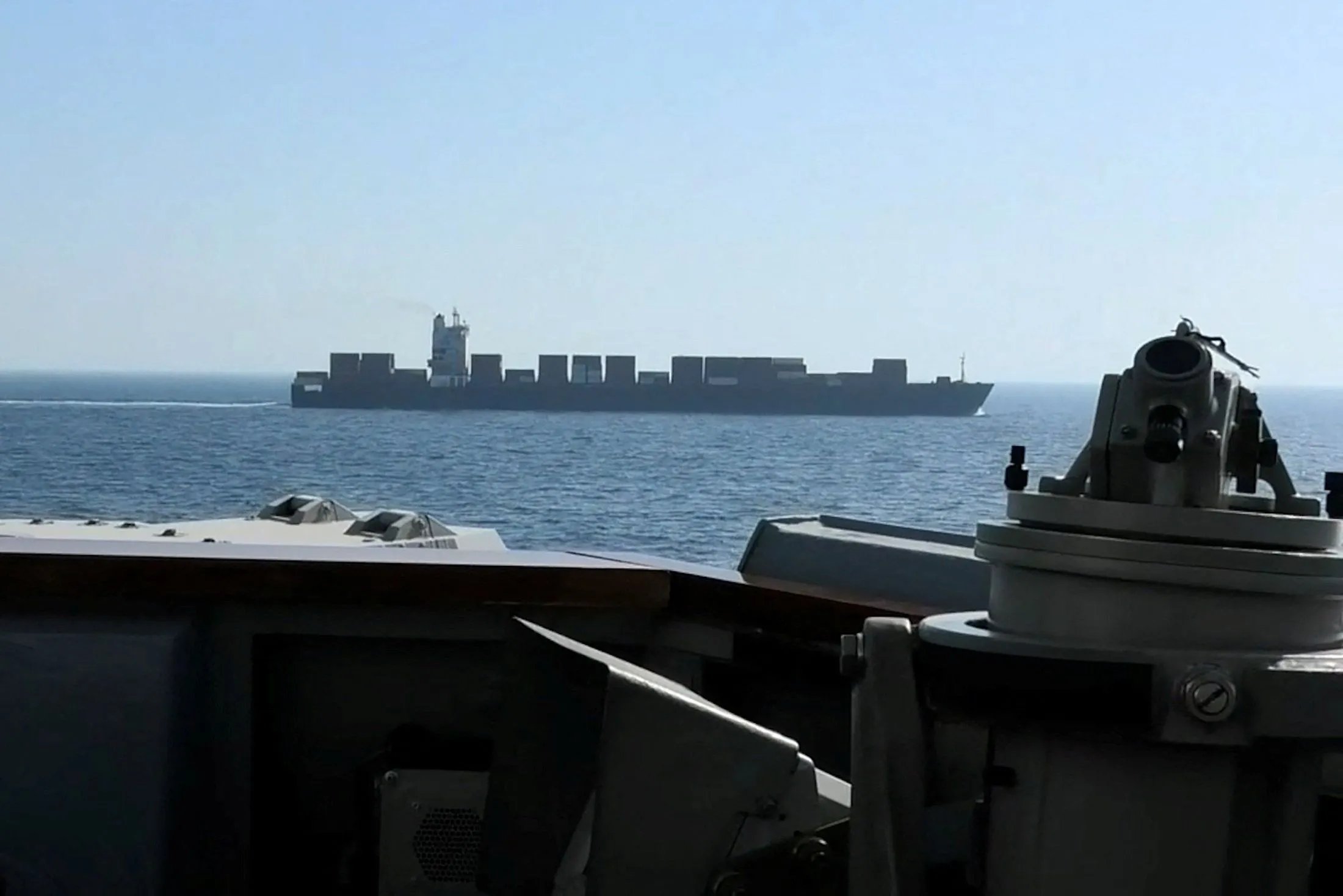
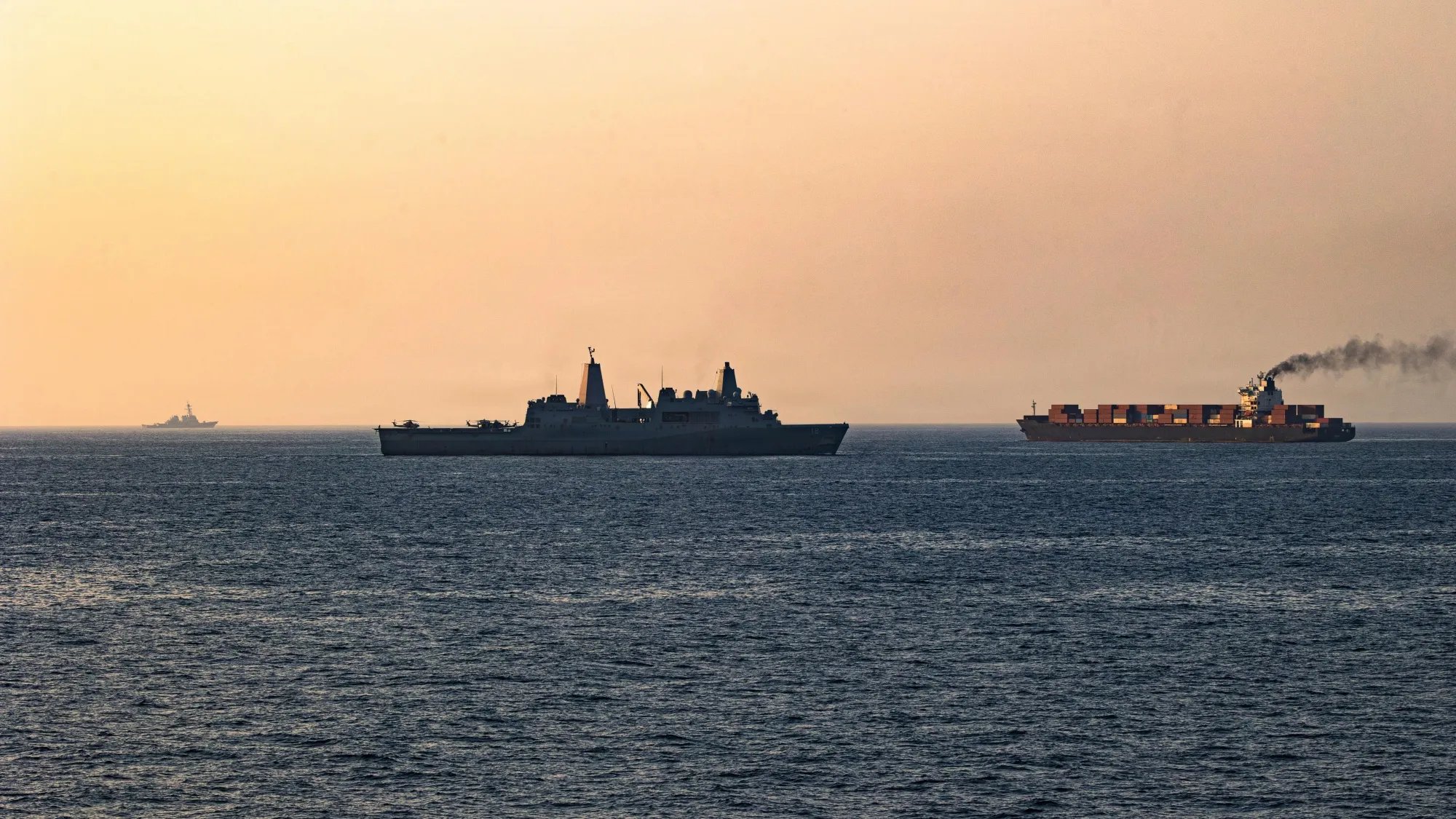
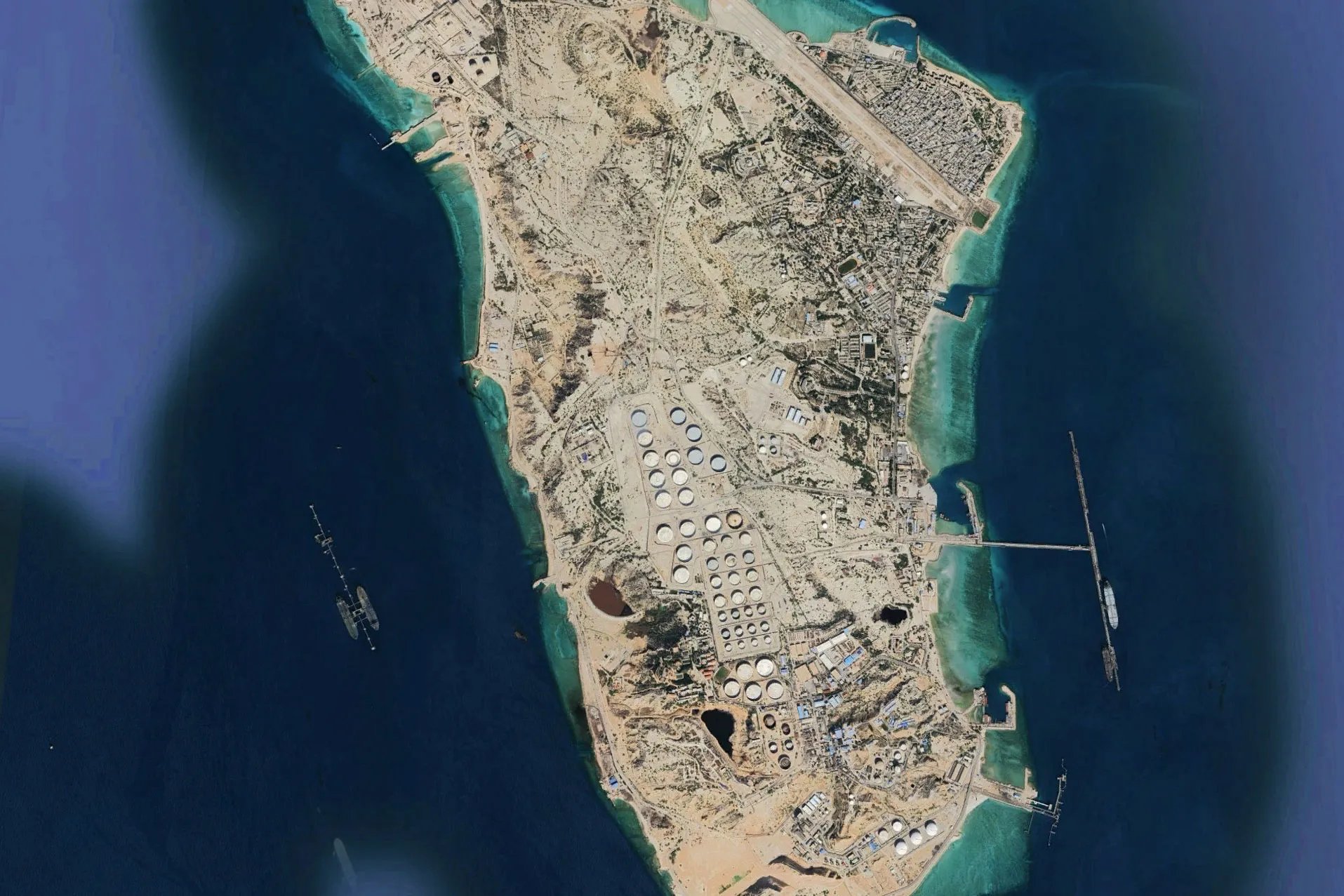
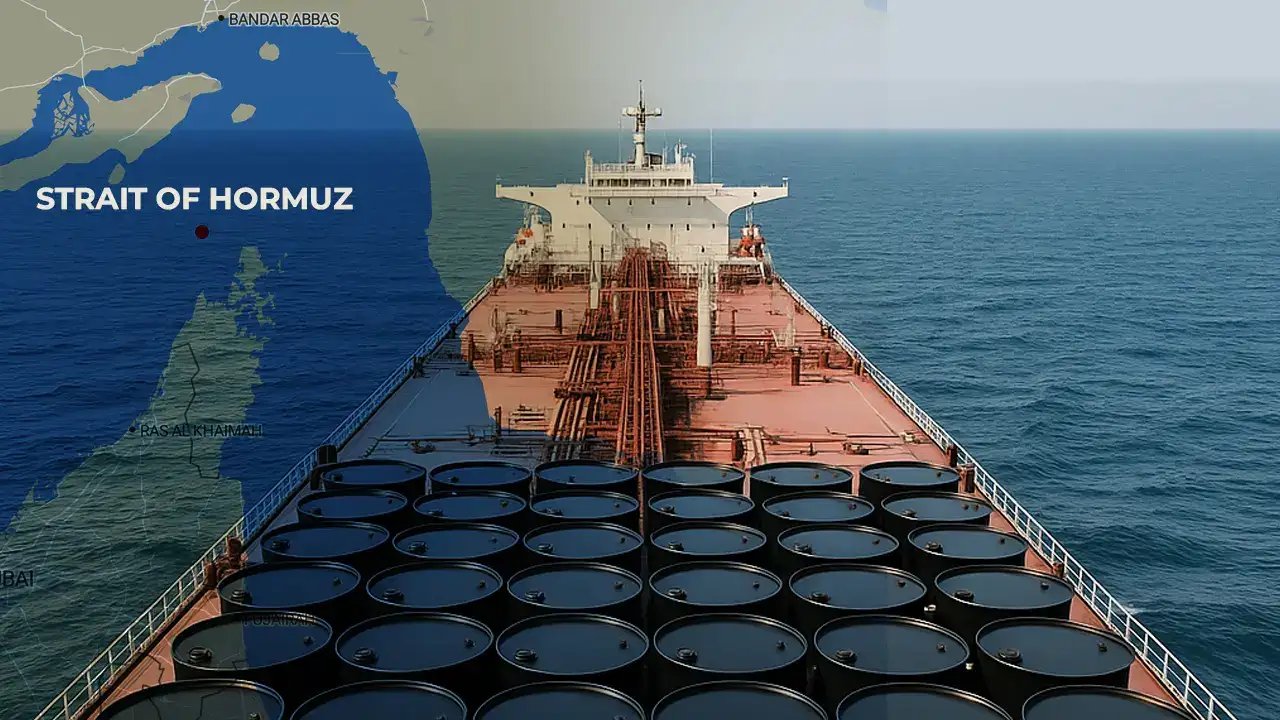
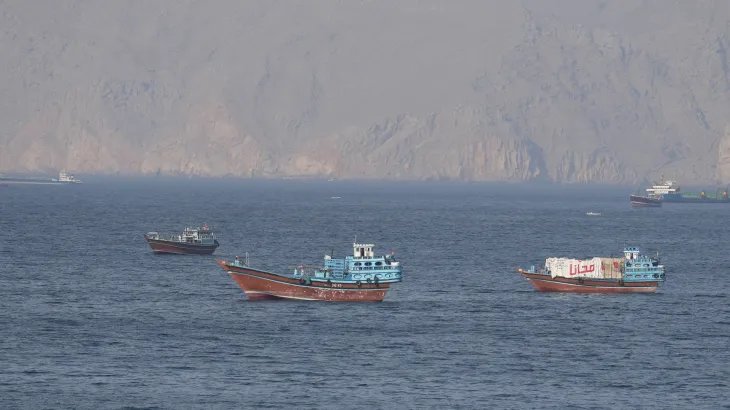
The Iranian government has not confirmed its participation in the upcoming talks. Iranian officials expressed skepticism about the U.S. intentions, citing ongoing military threats and the blockade of the Strait of Hormuz. Iran's state media reported that the country views the U.S. demands as "unreasonable" and that no "clear prospect for fruitful negotiations" exists. Iran's Ambassador to Pakistan, Reza Amiri Moghadam, said disagreements between the U.S. and Iran will remain as long as the American blockade of the Strait of Hormuz remains in place.
Economic Implications of the Conflict
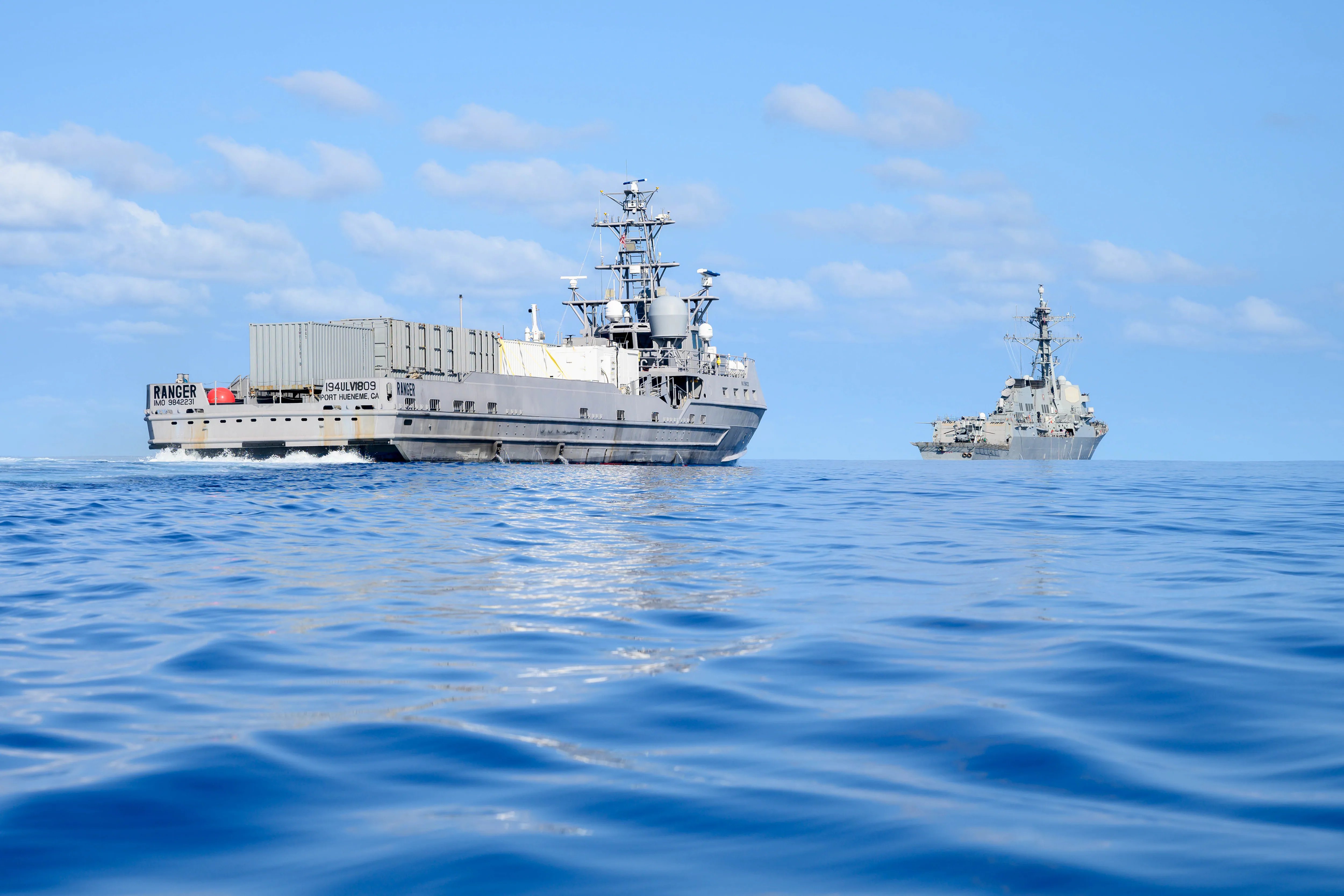
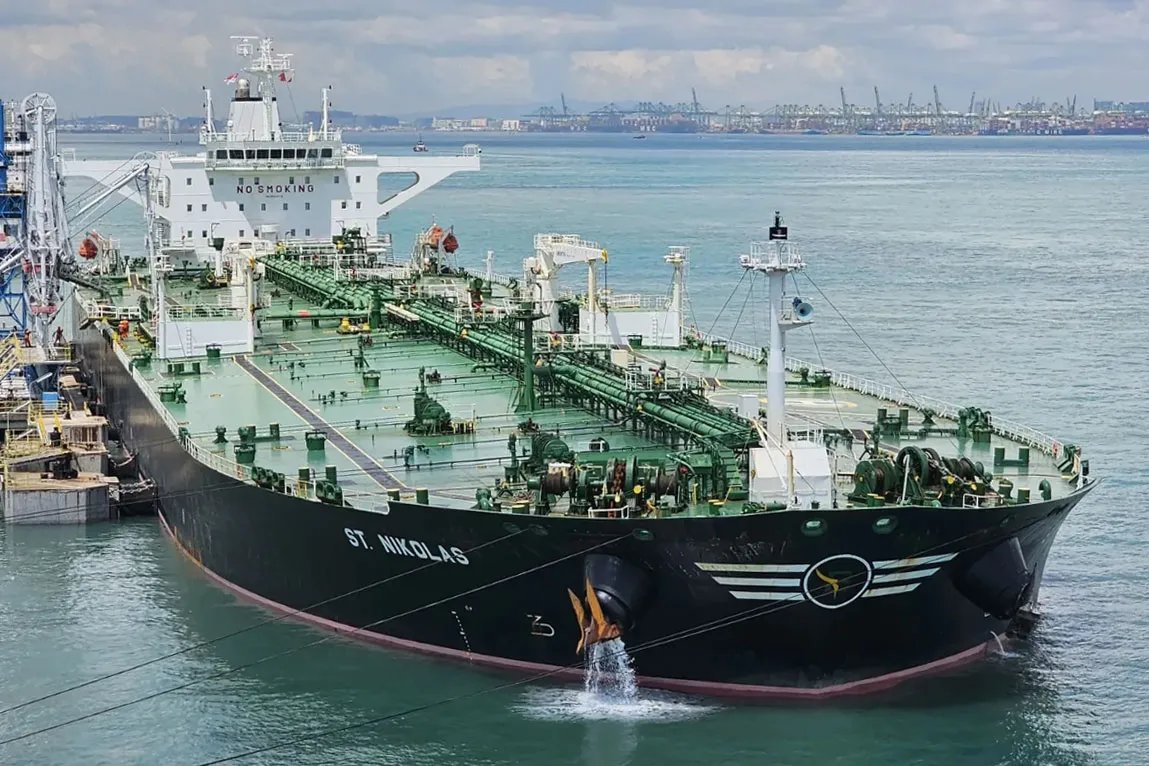
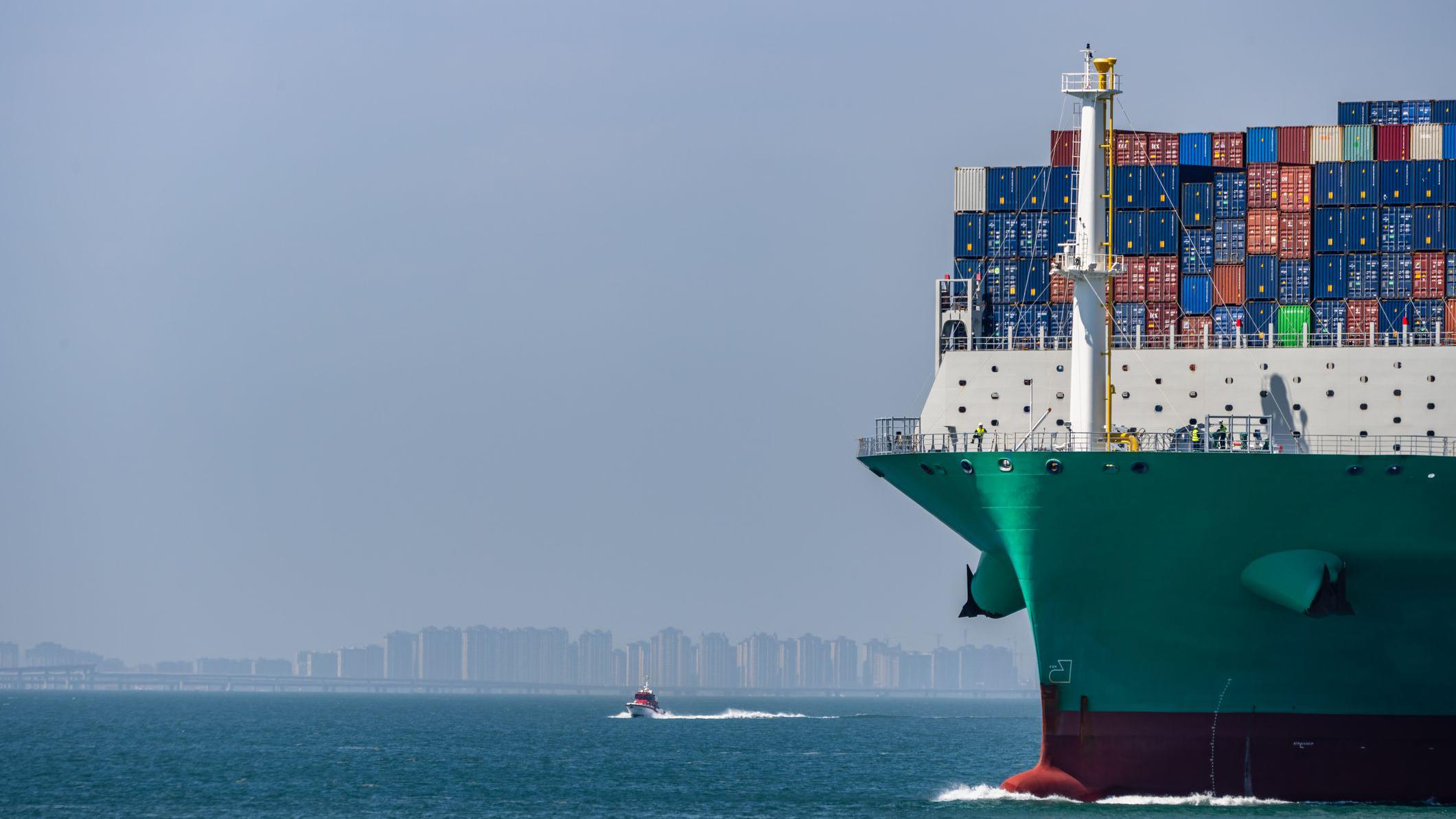
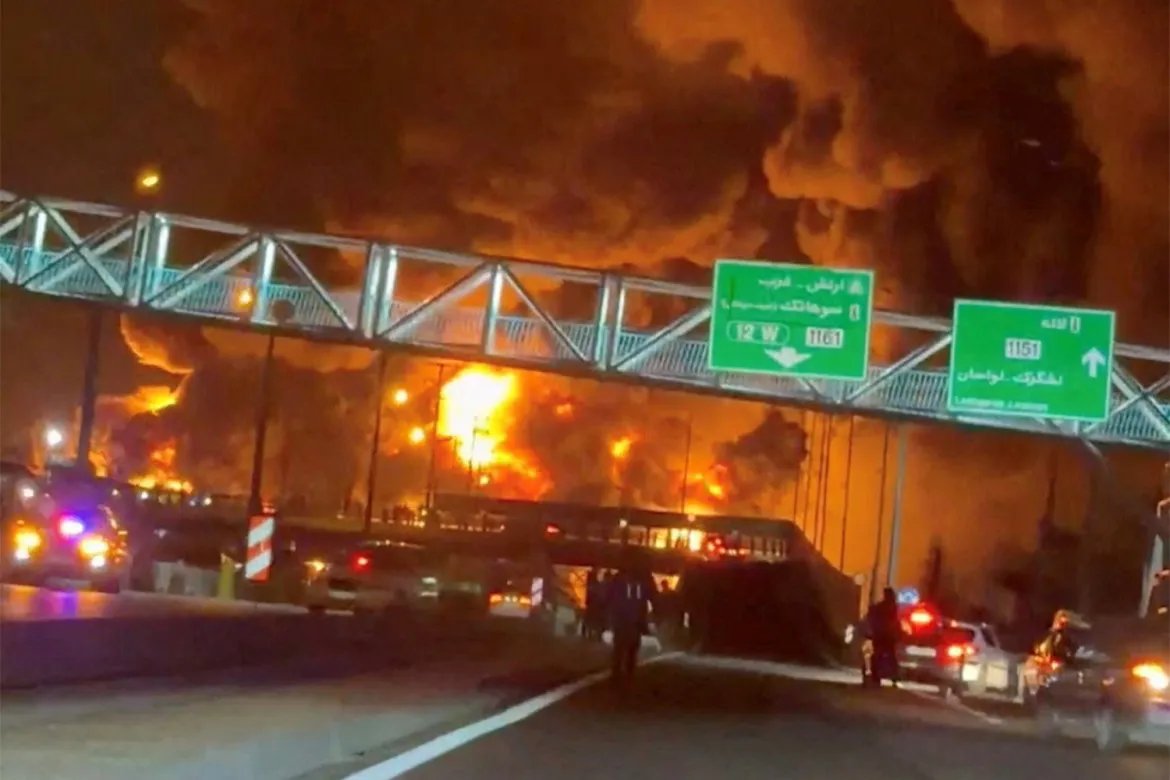
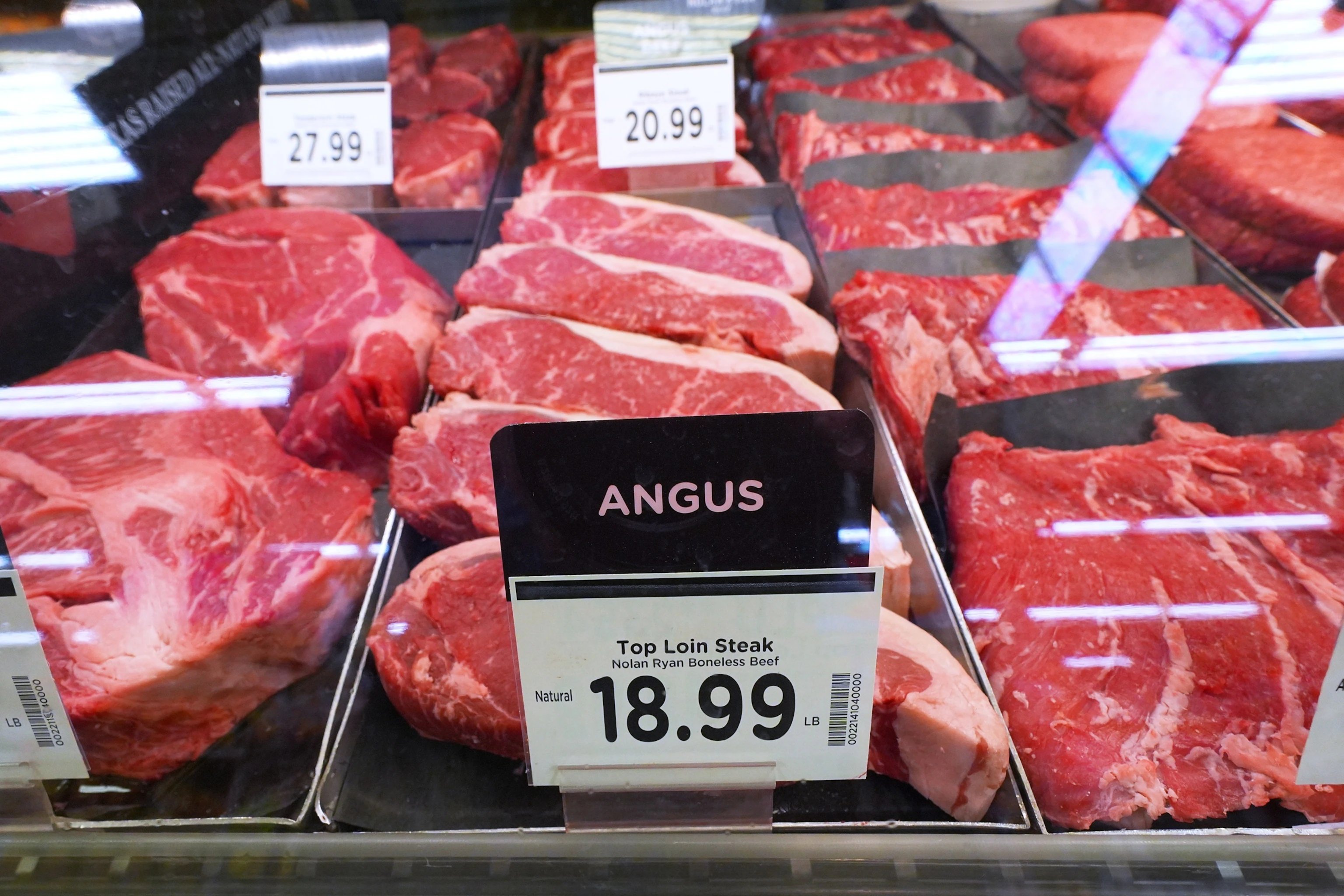
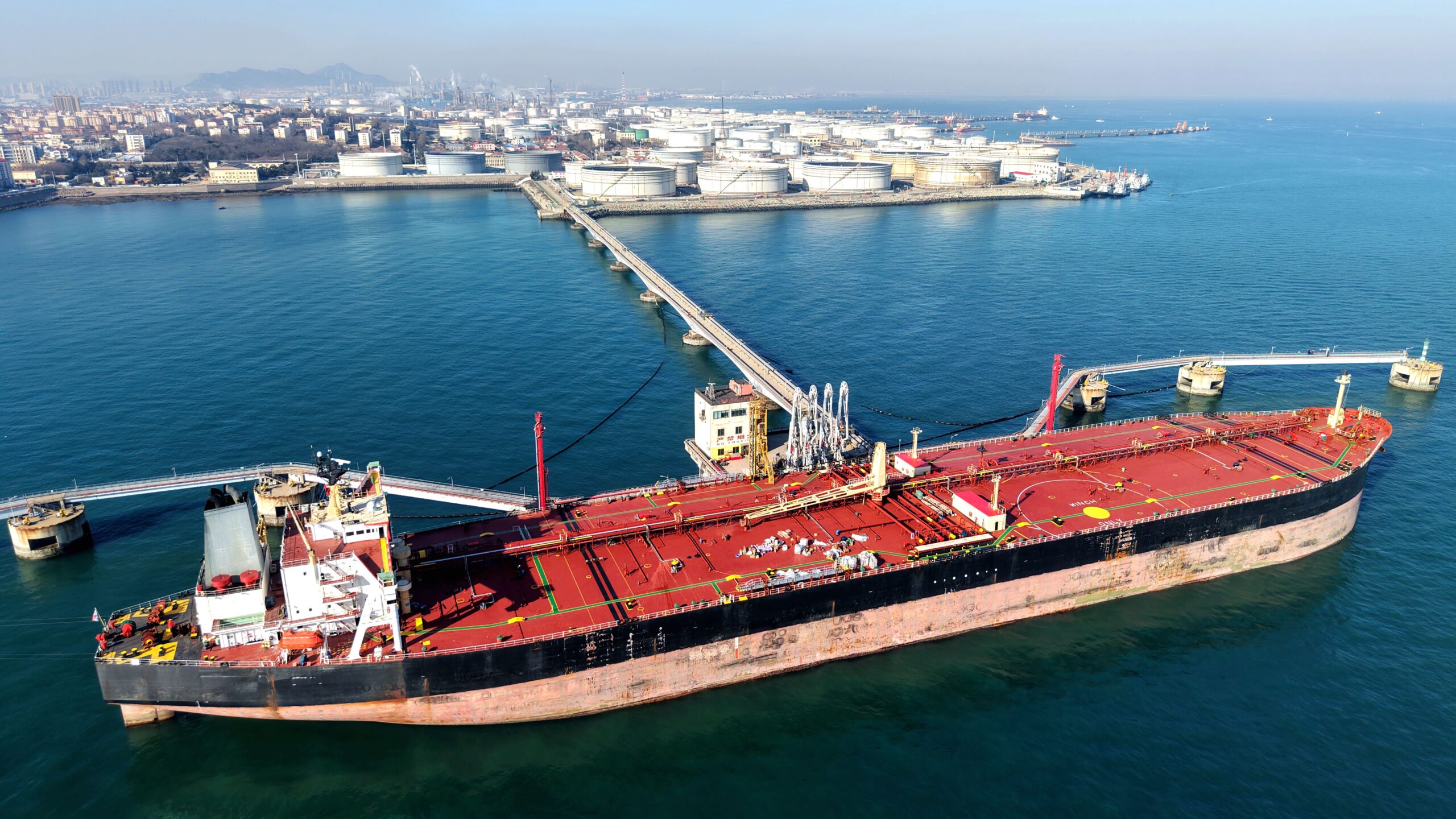
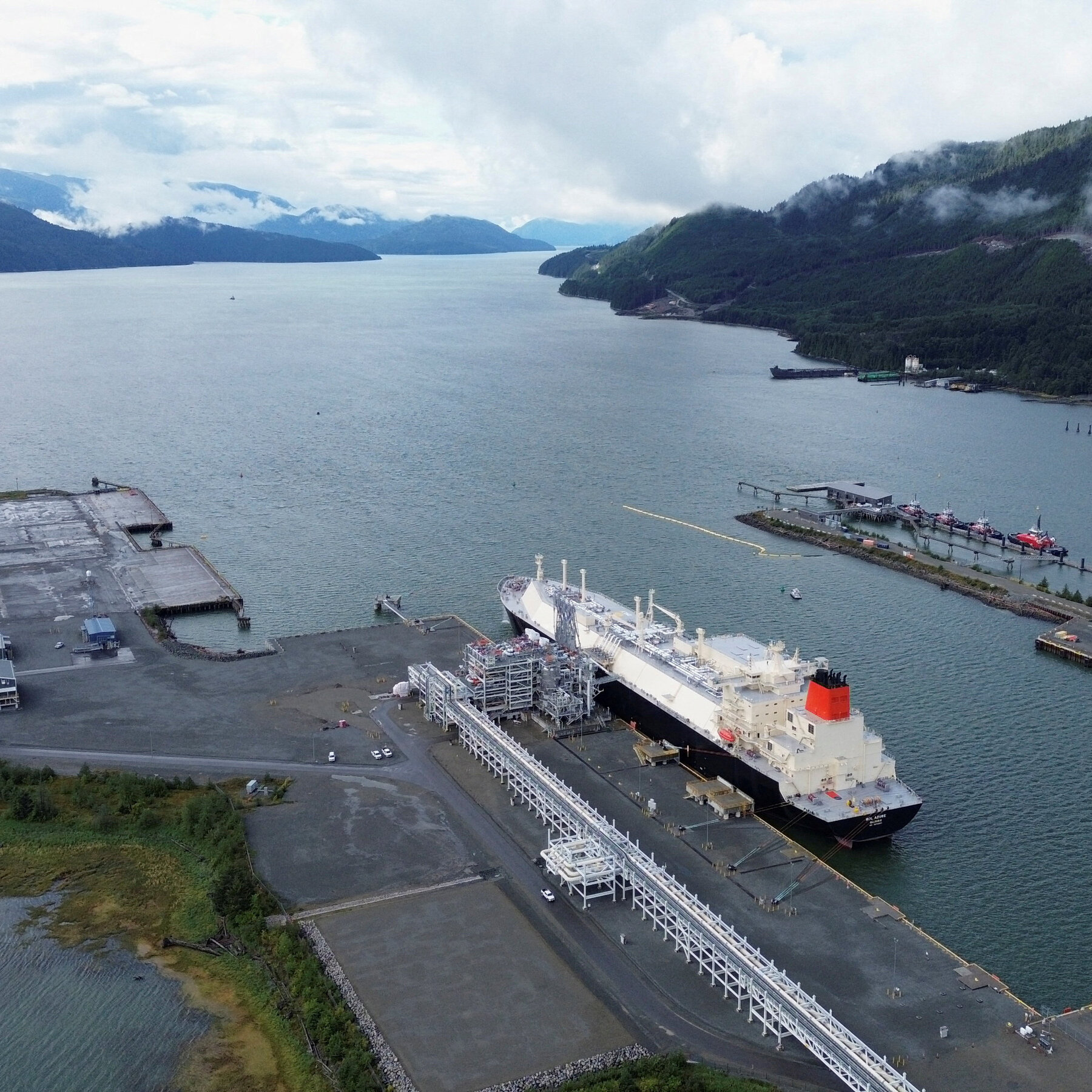
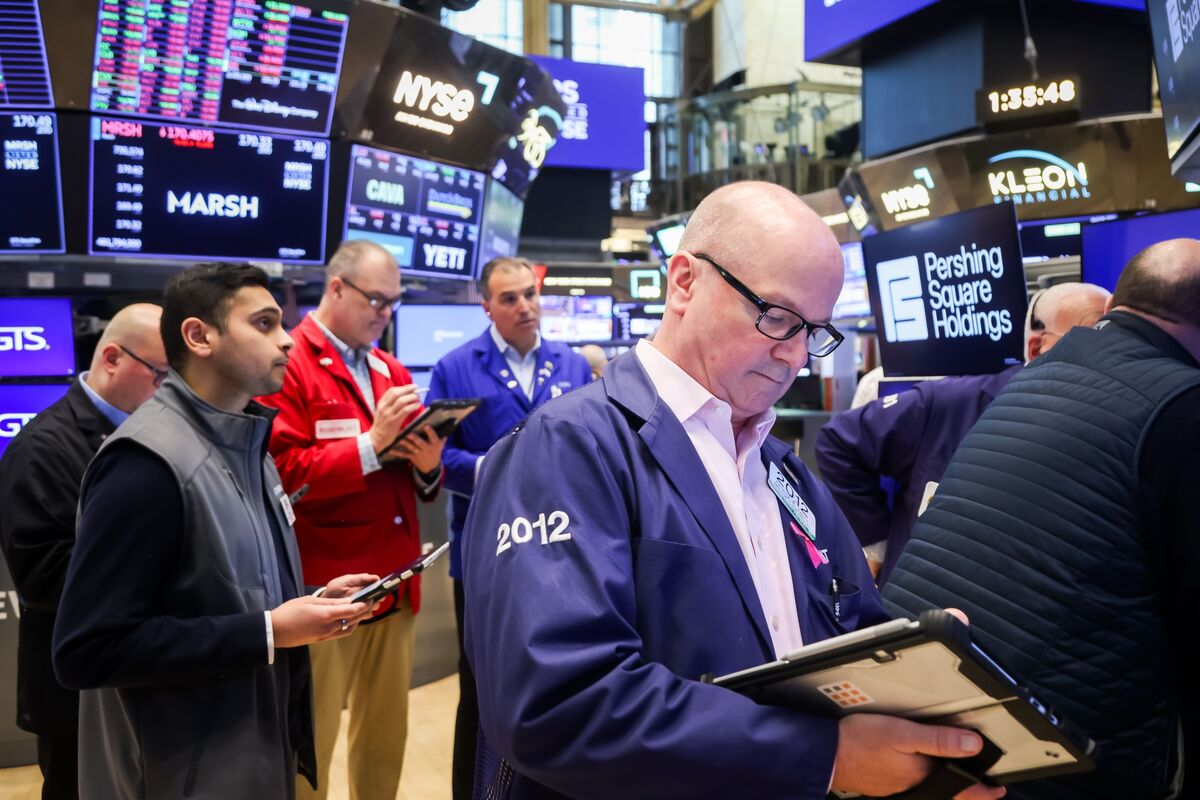
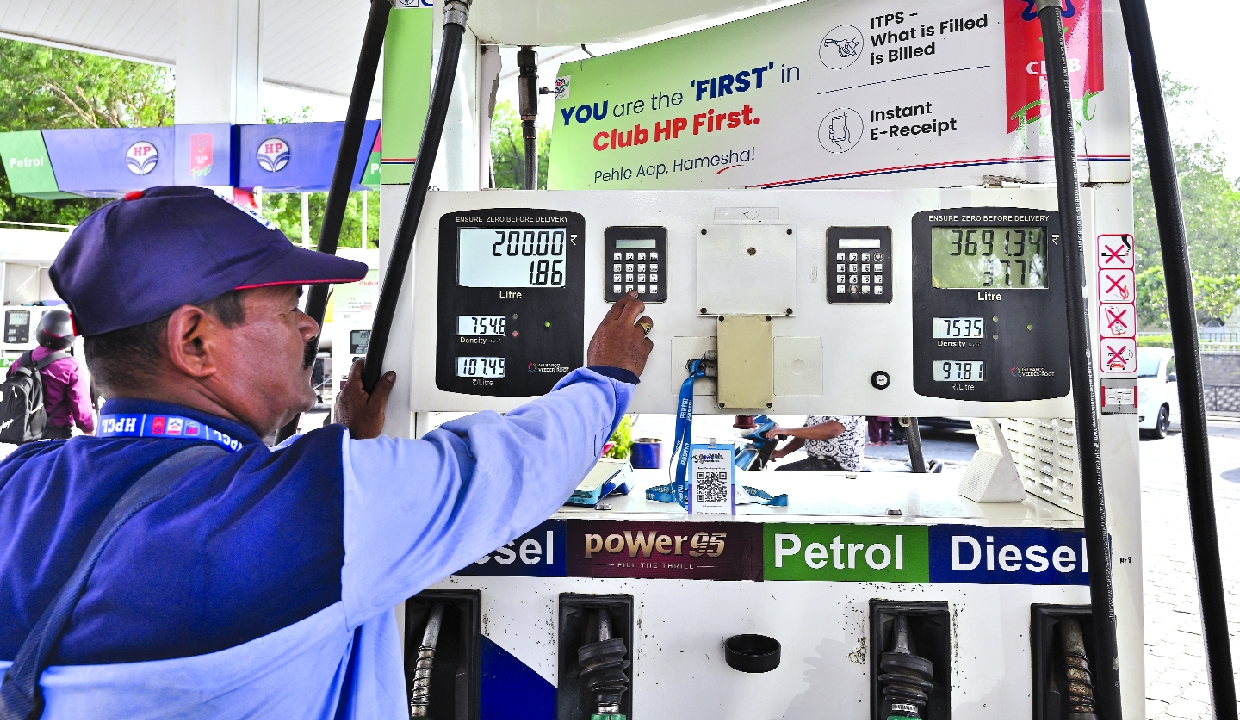
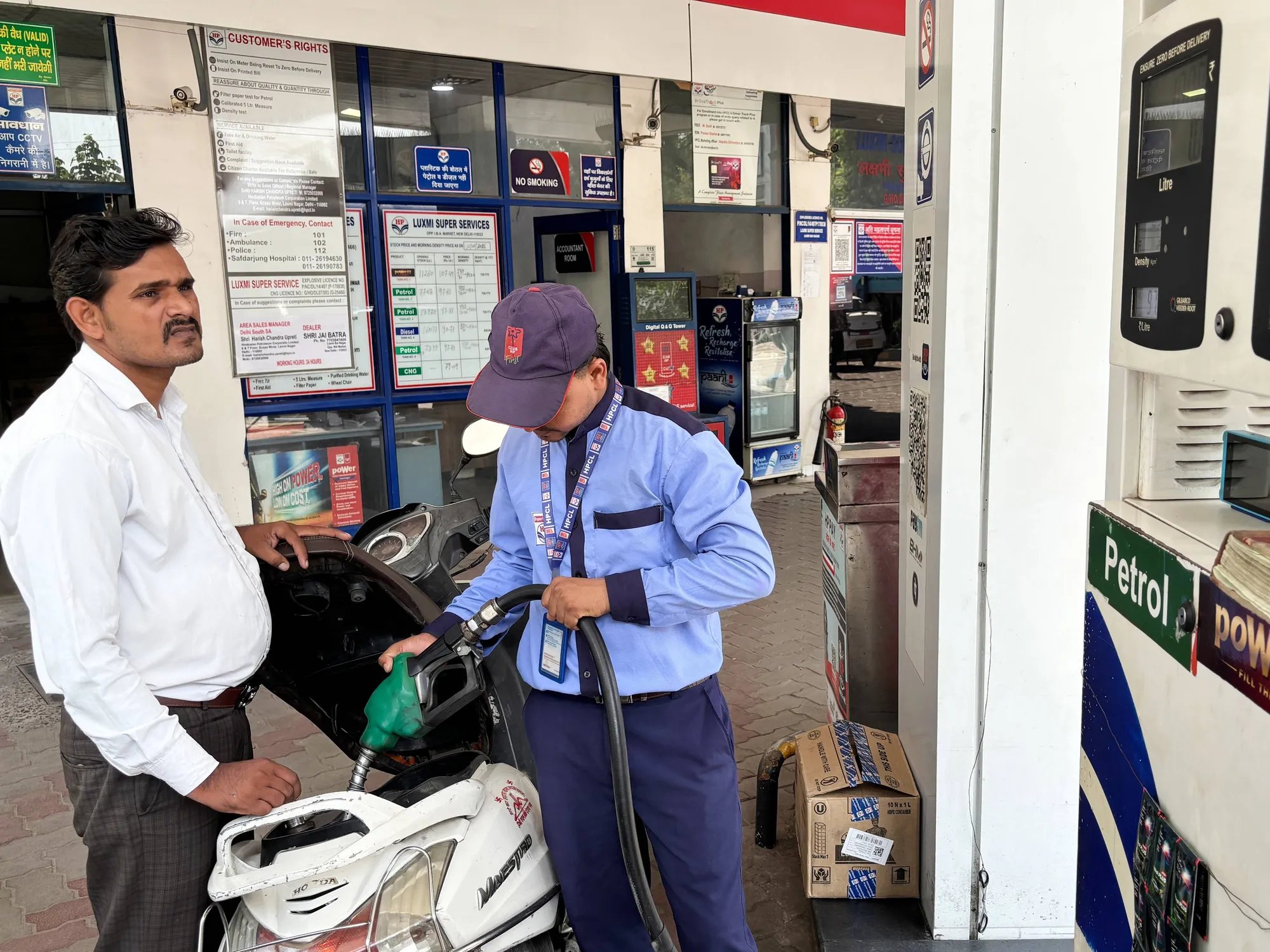
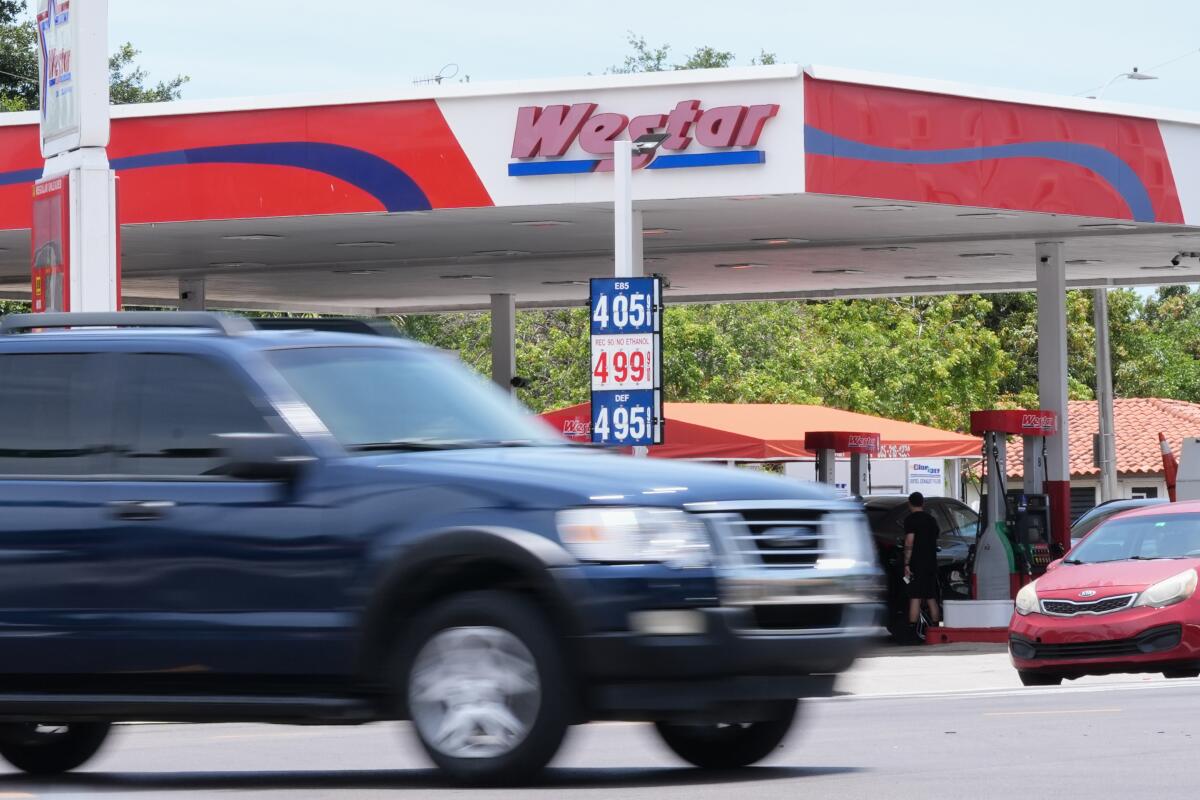
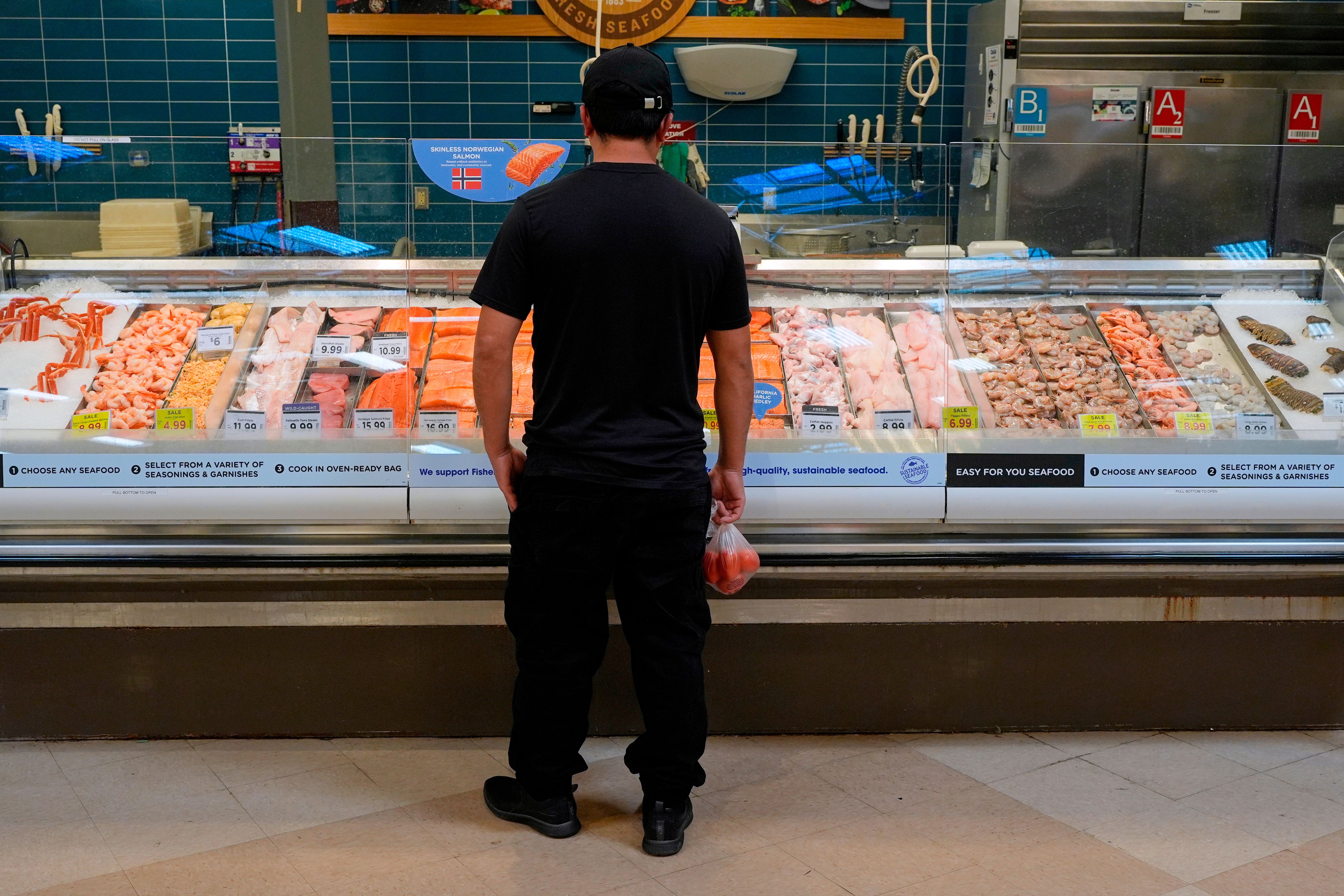
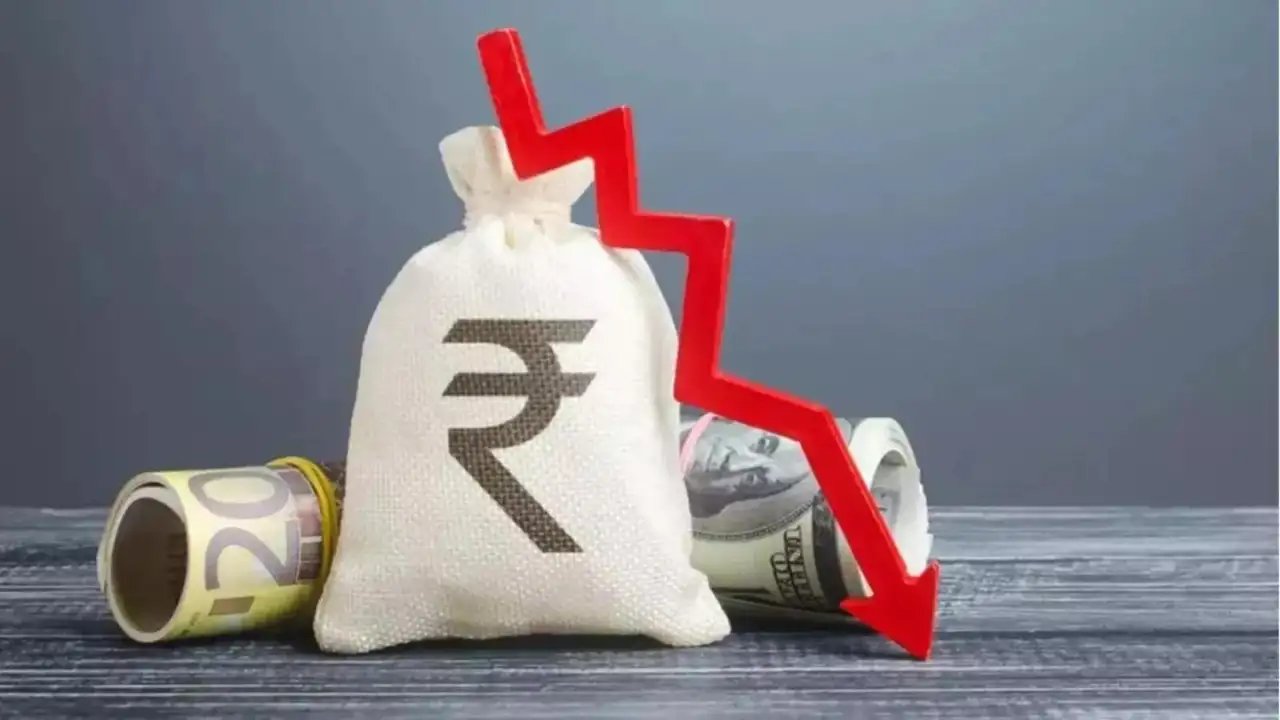
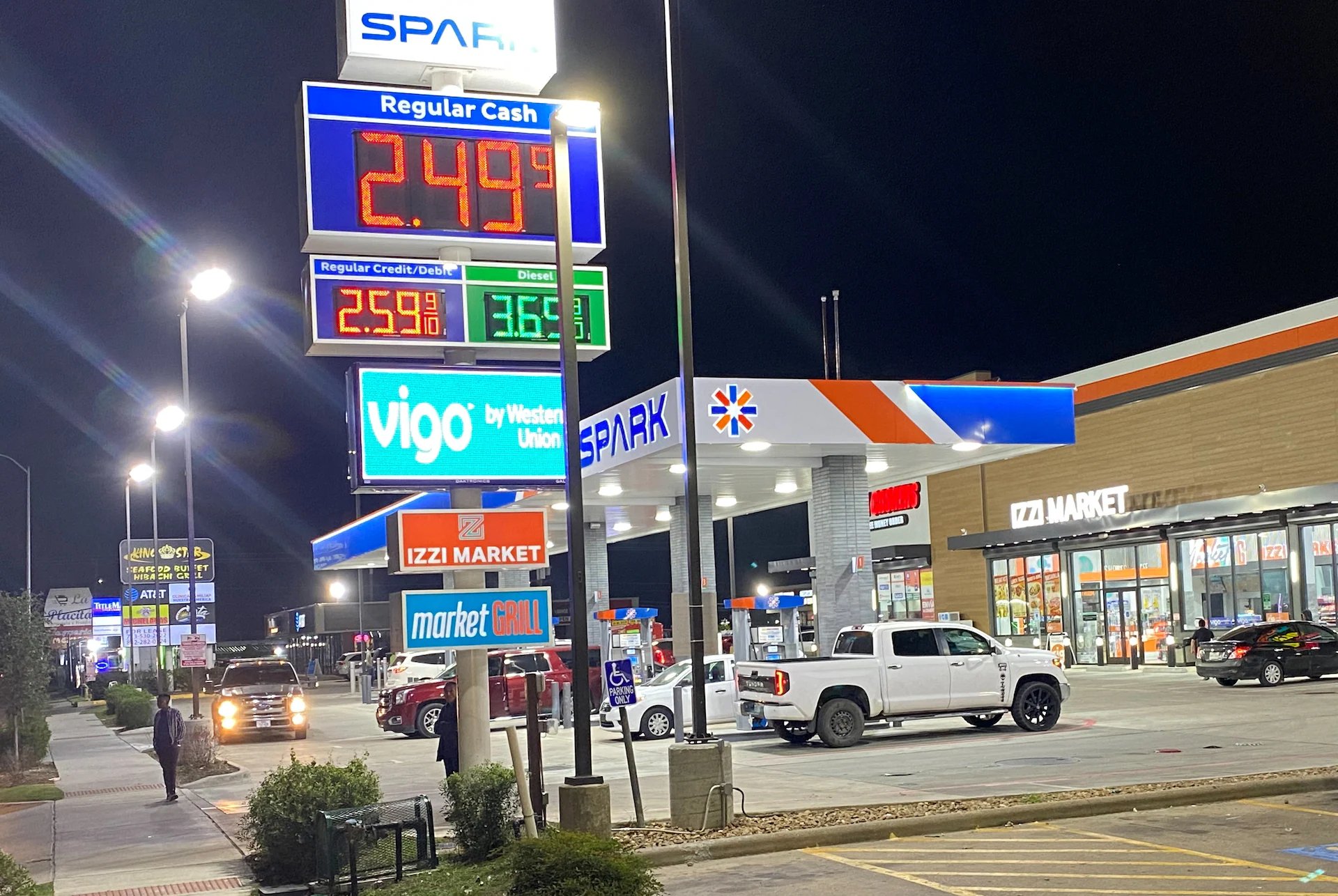
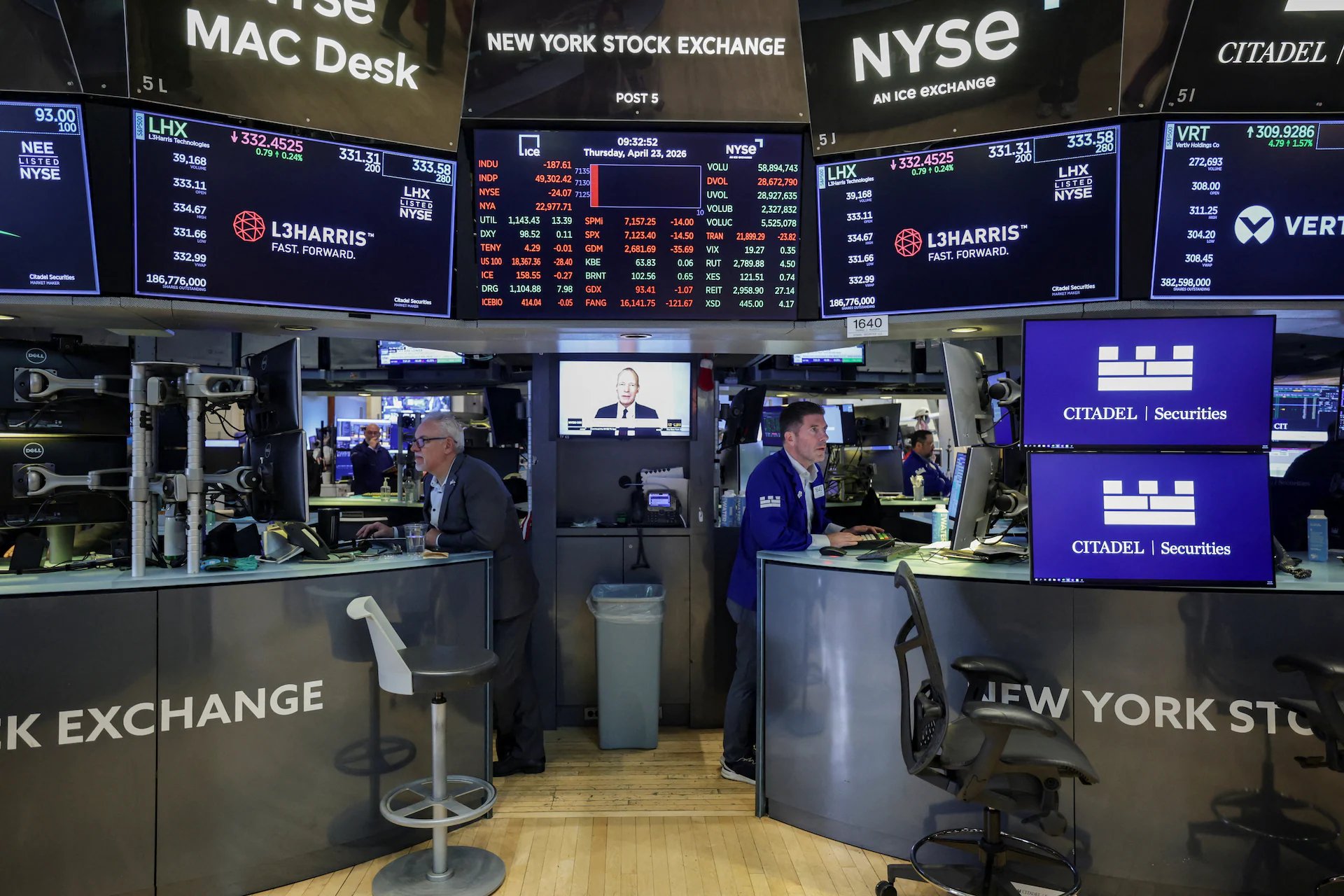
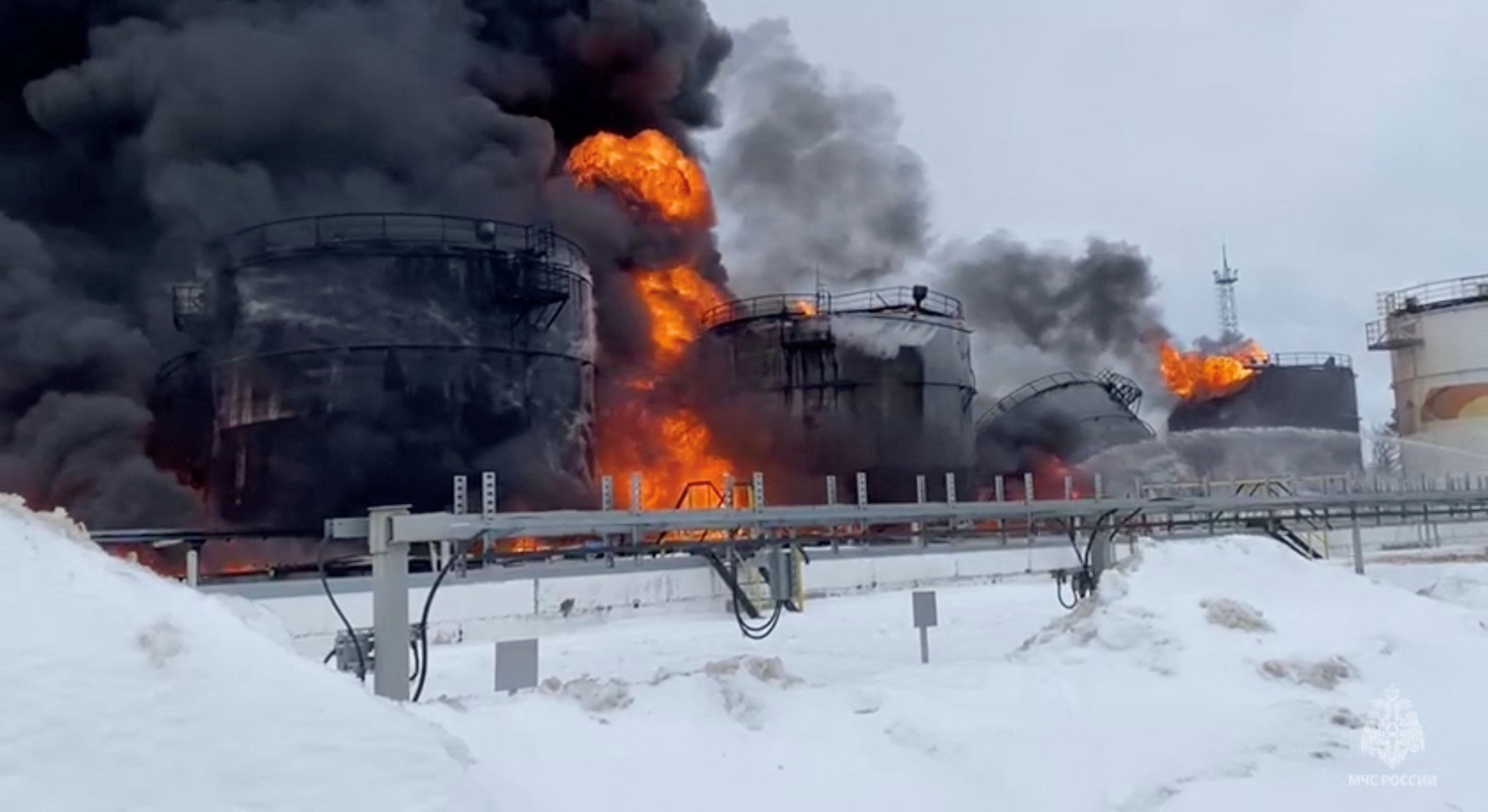
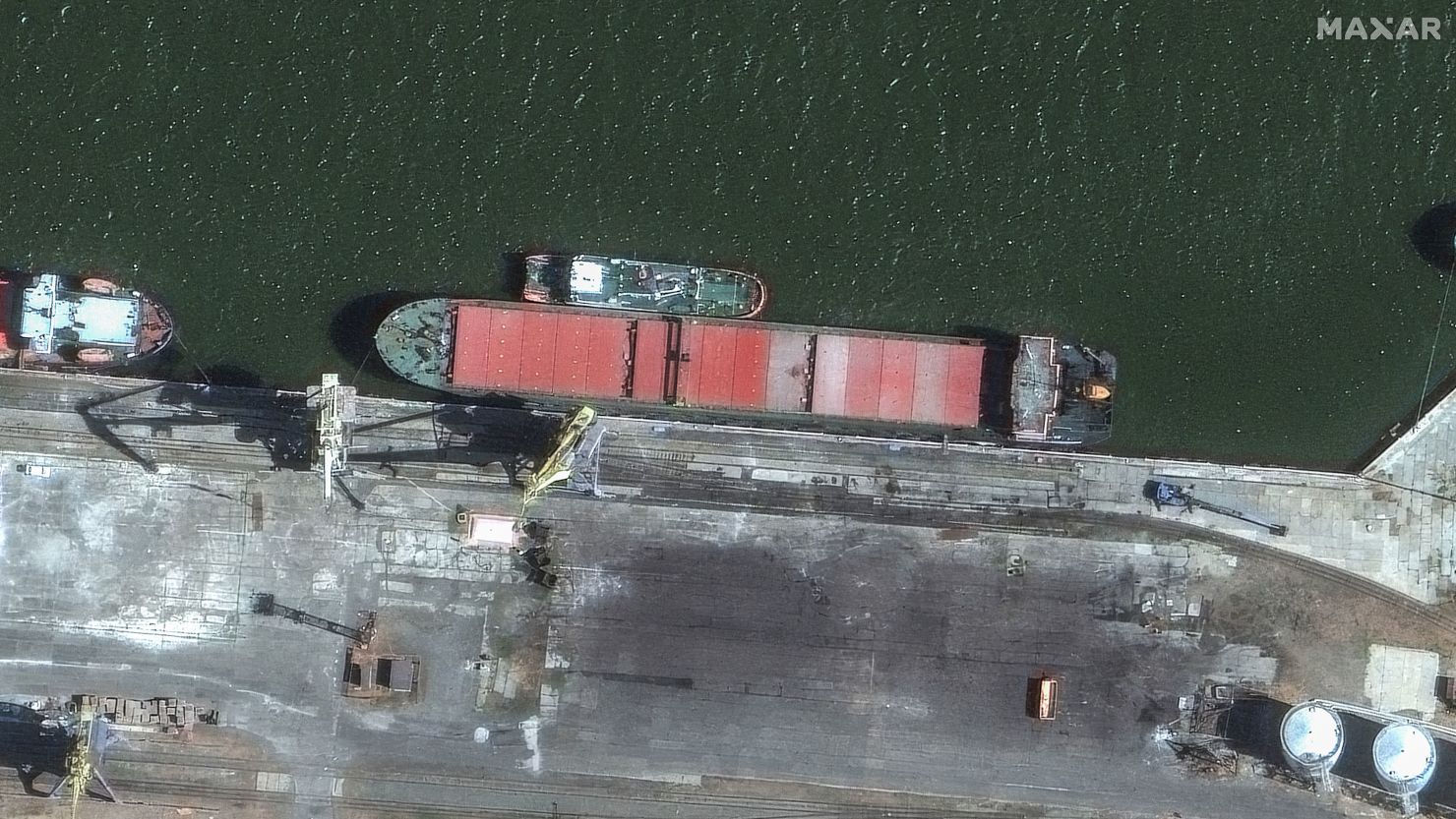
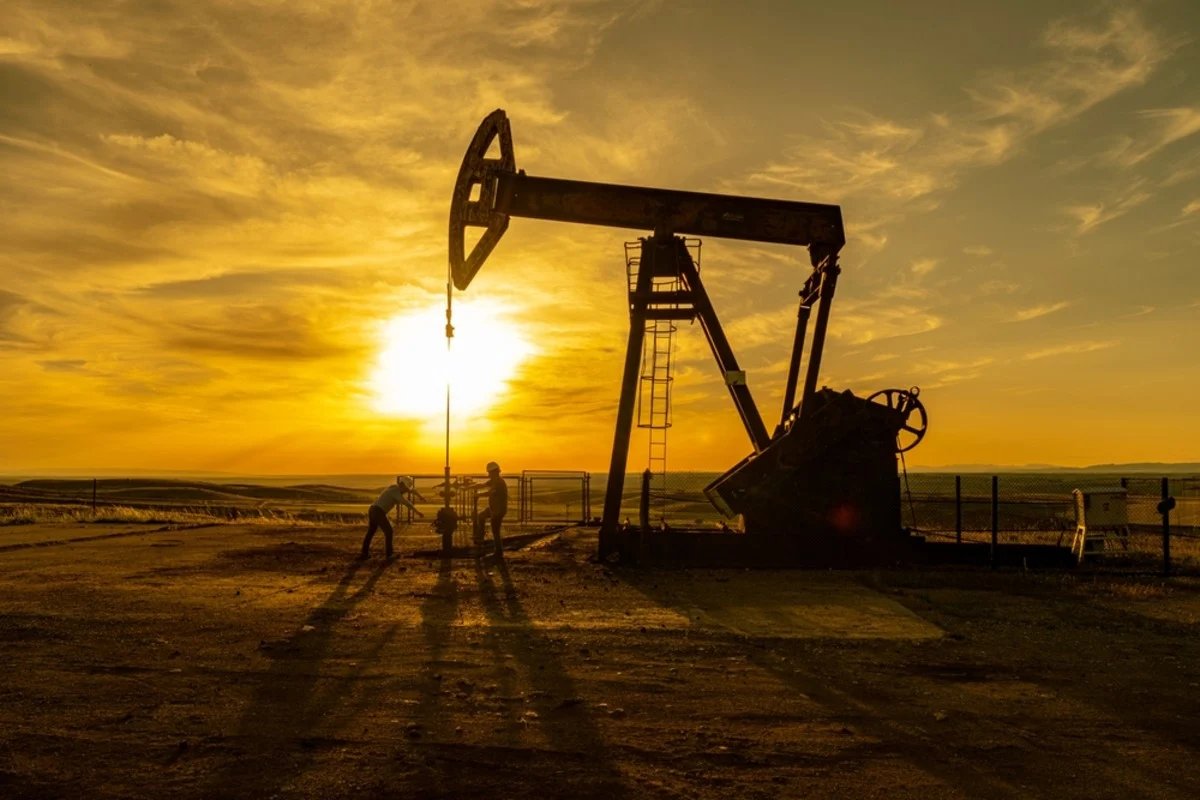
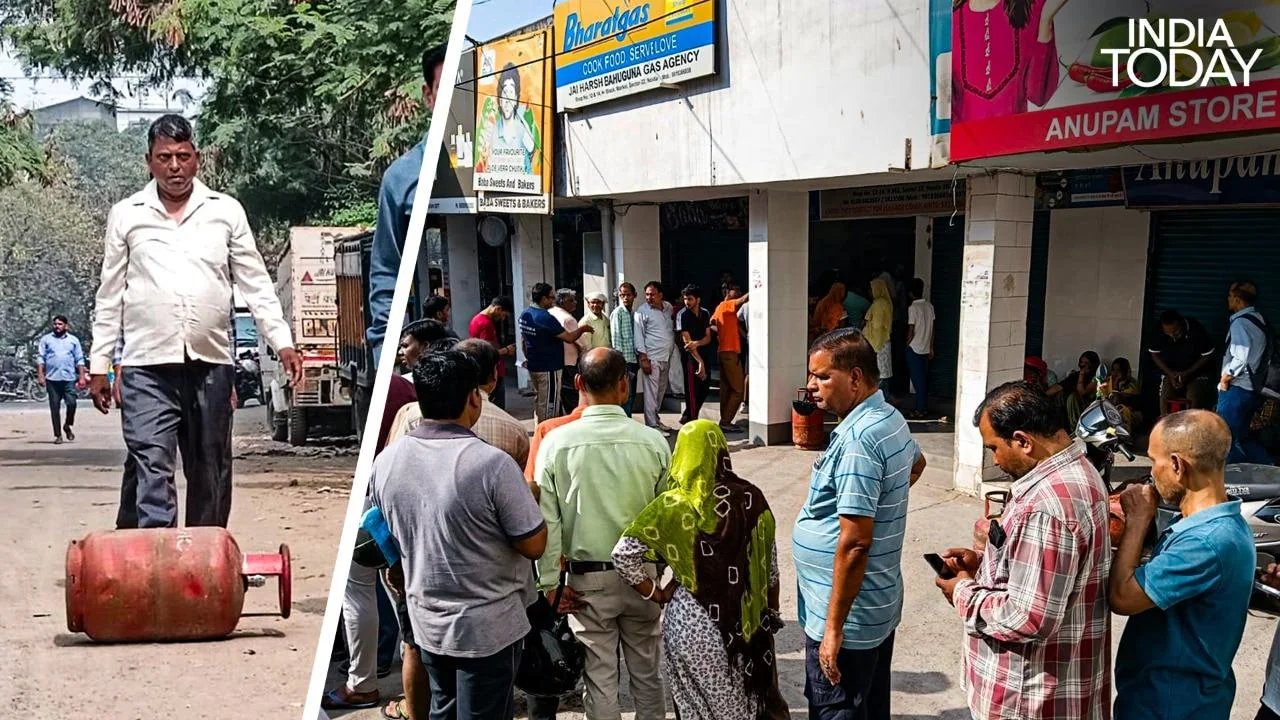
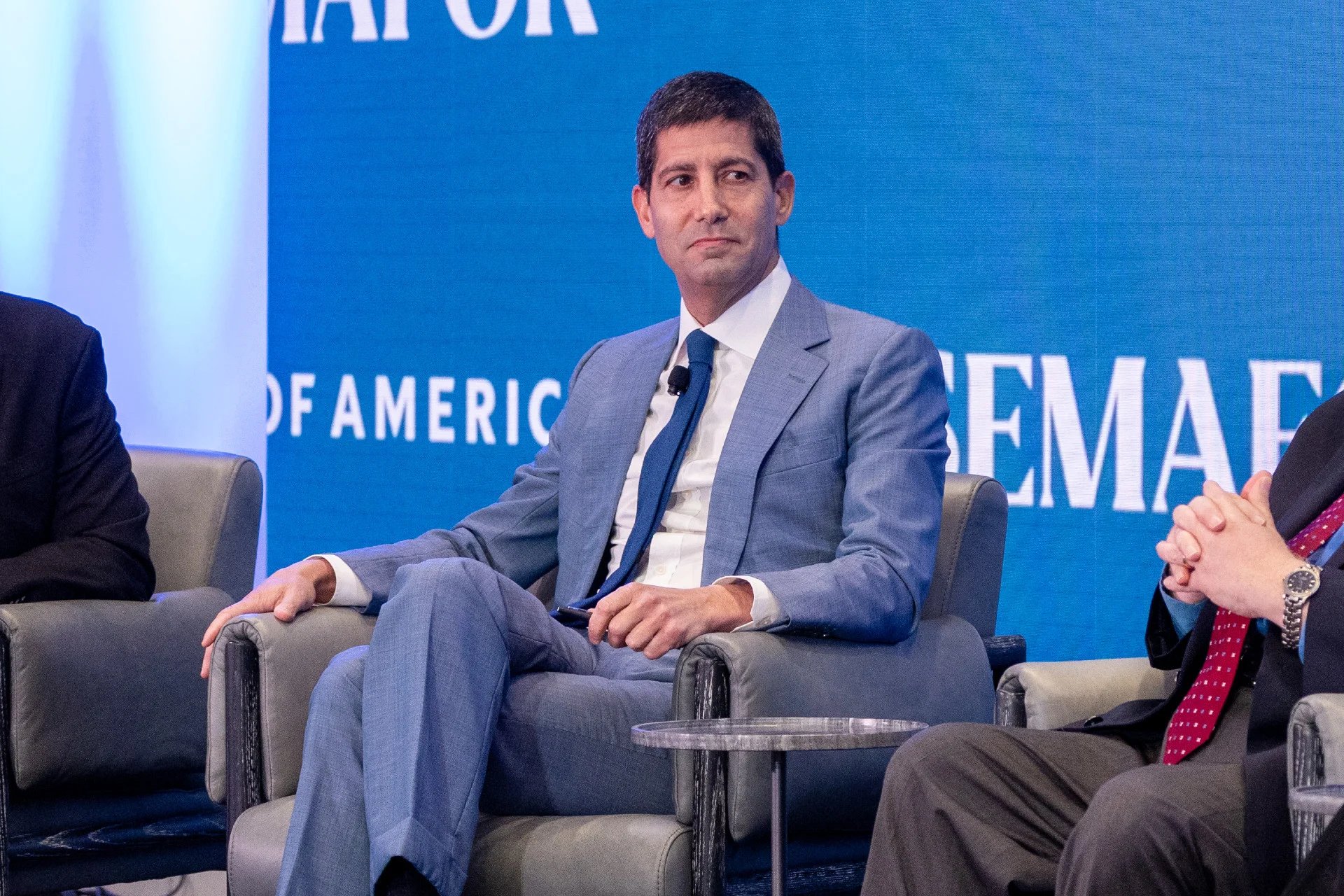
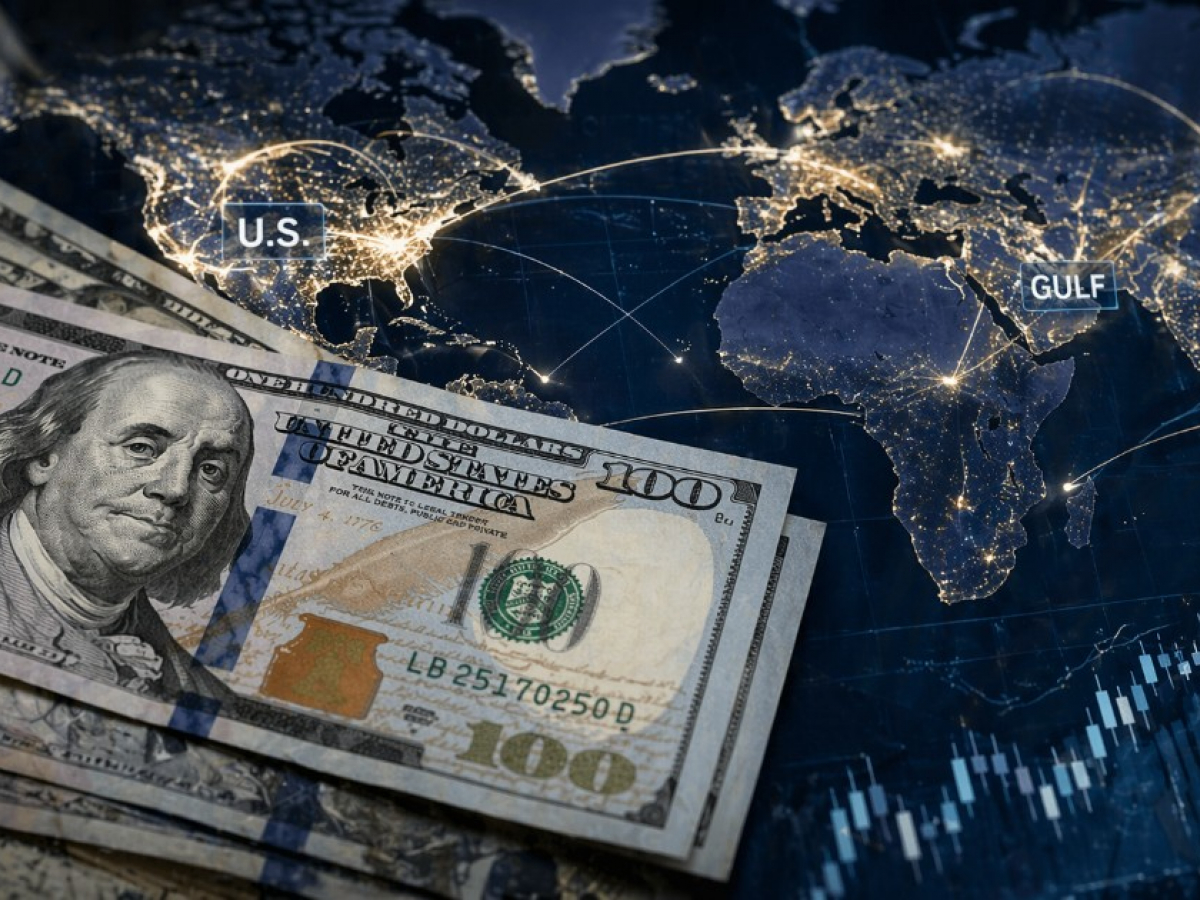
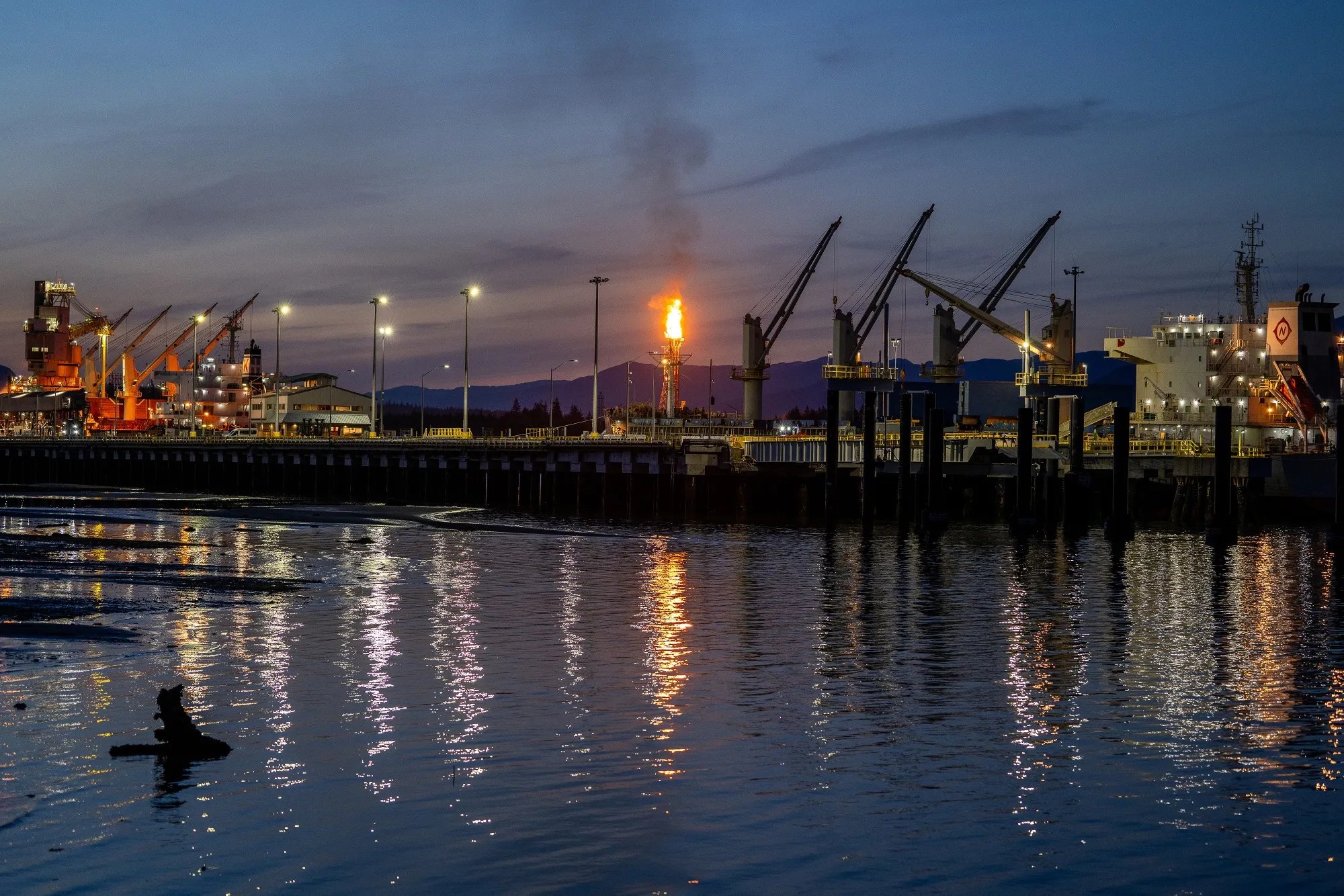
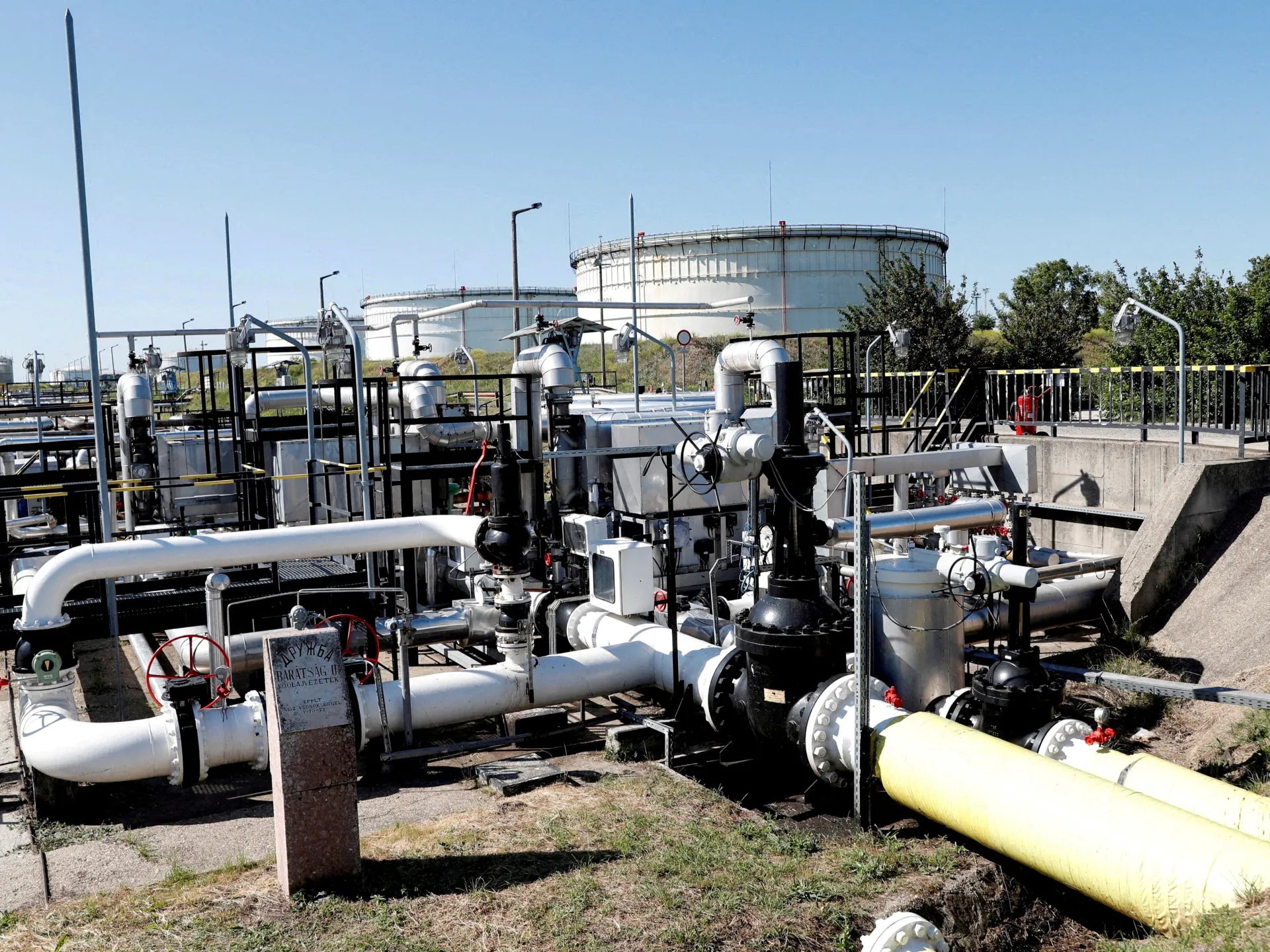
The ongoing tensions have significant implications for global oil markets. The Strait of Hormuz is a critical shipping lane through which approximately 20% of the world's oil supply passes. Reports indicate that rising tensions have already led to an increase in gas prices, with many Americans citing fuel costs as a major concern. Former energy advisor Amos Hochstein warned of a looming energy crisis, stating that the closure of the strait could disrupt supplies significantly, and noted that gas prices are already above $4 per gallon.

The sources also report that former energy advisor Amos Hochstein warned certain countries no longer have fuel and prices could rise further in a couple of weeks.

The sources also report that gas prices are already above $4 per gallon, with former energy advisor Amos Hochstein warning of a looming energy crisis.
Trump's Aggressive Rhetoric and Domestic Concerns
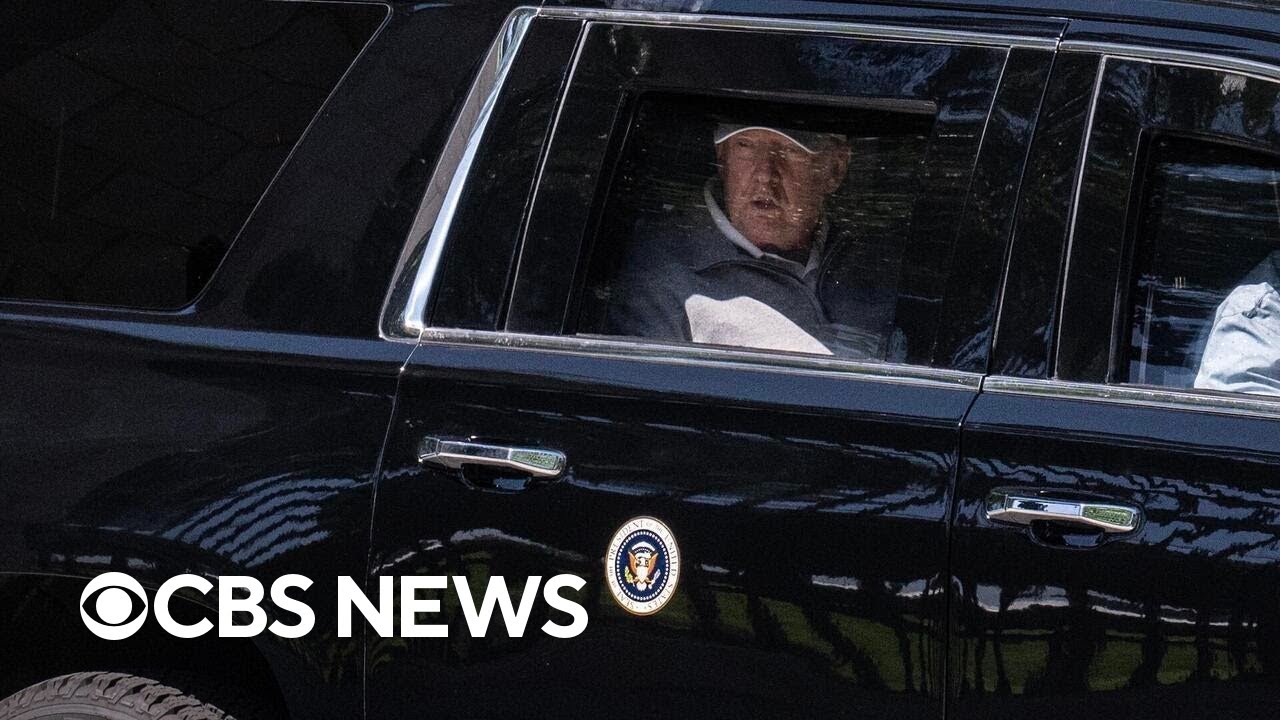
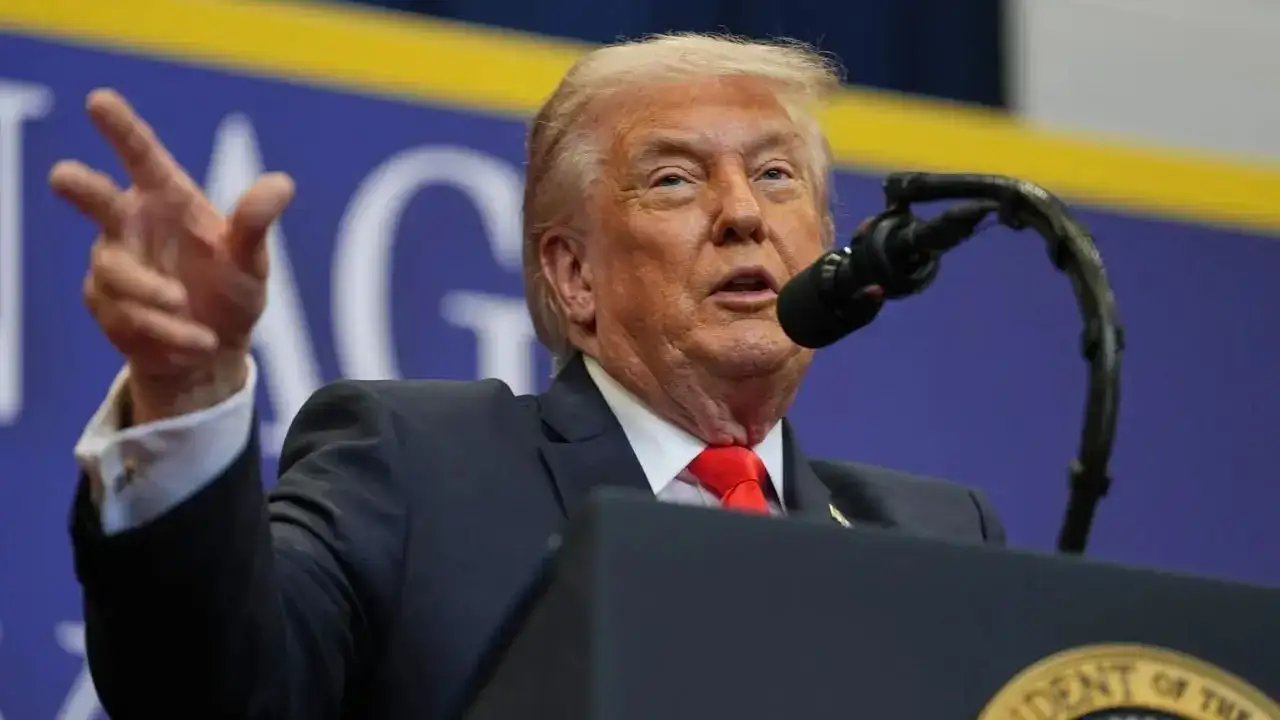
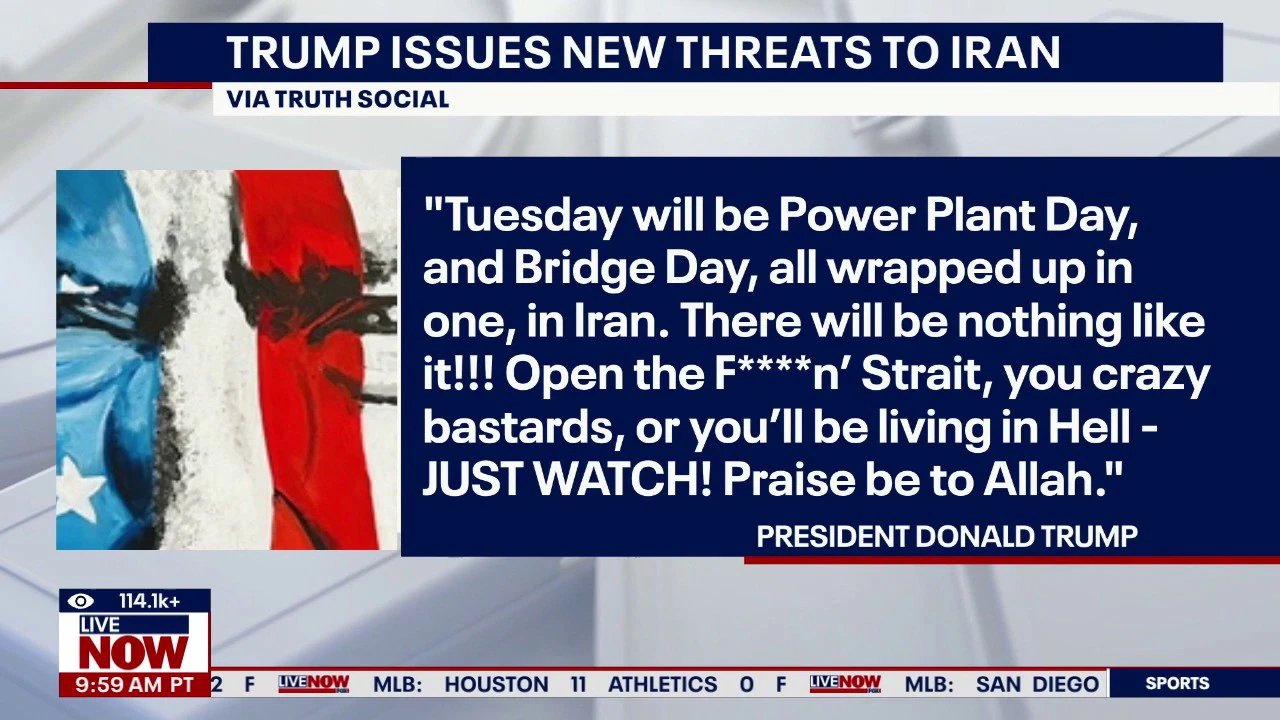
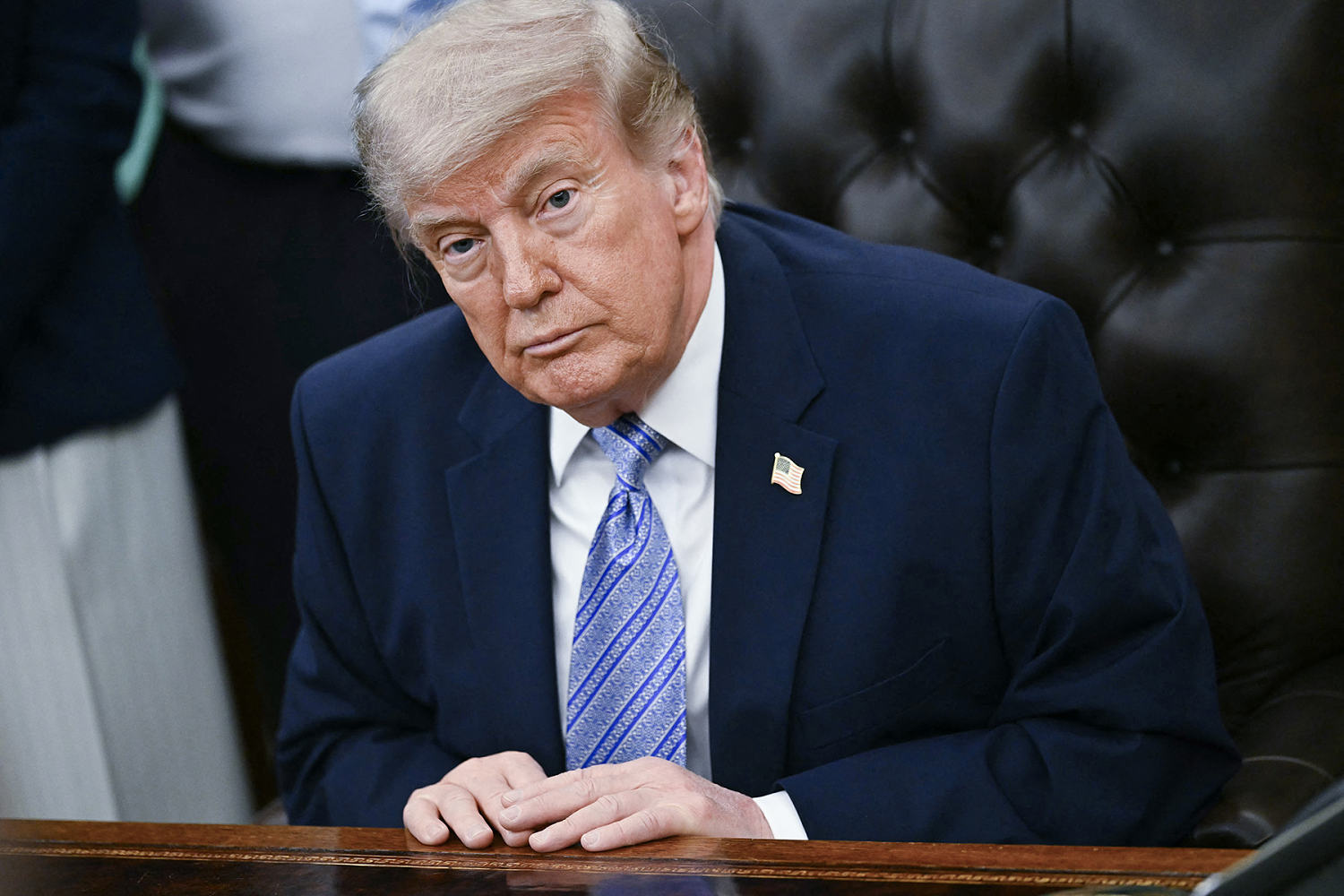
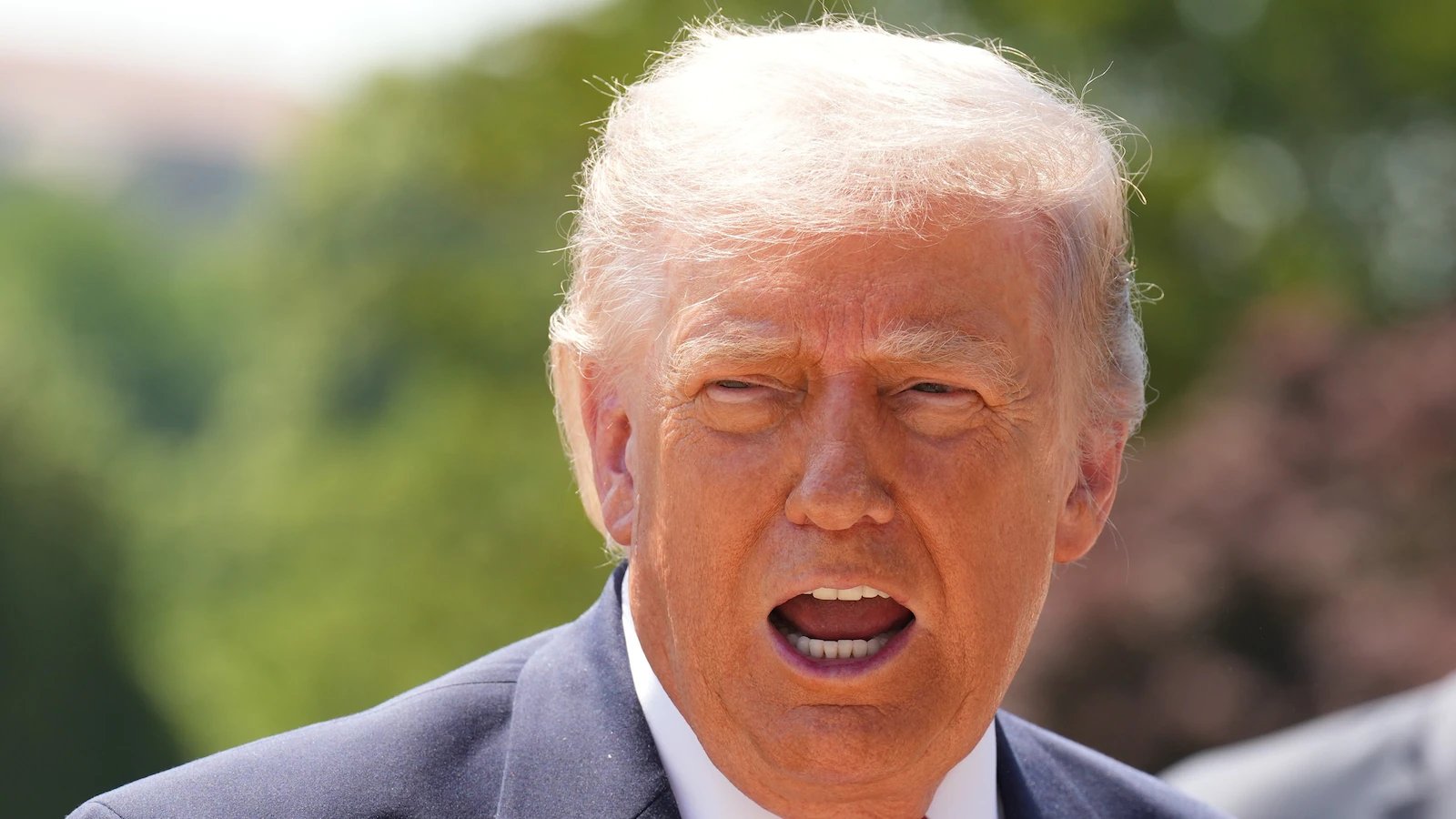
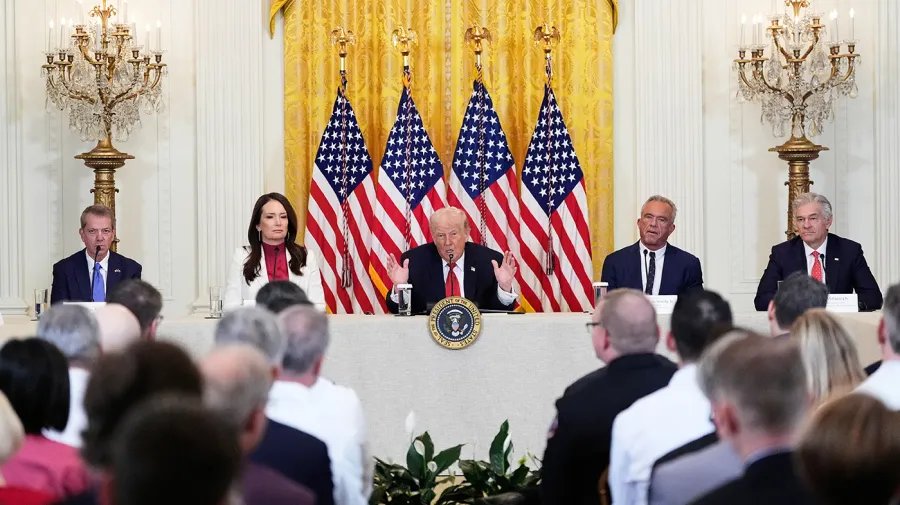
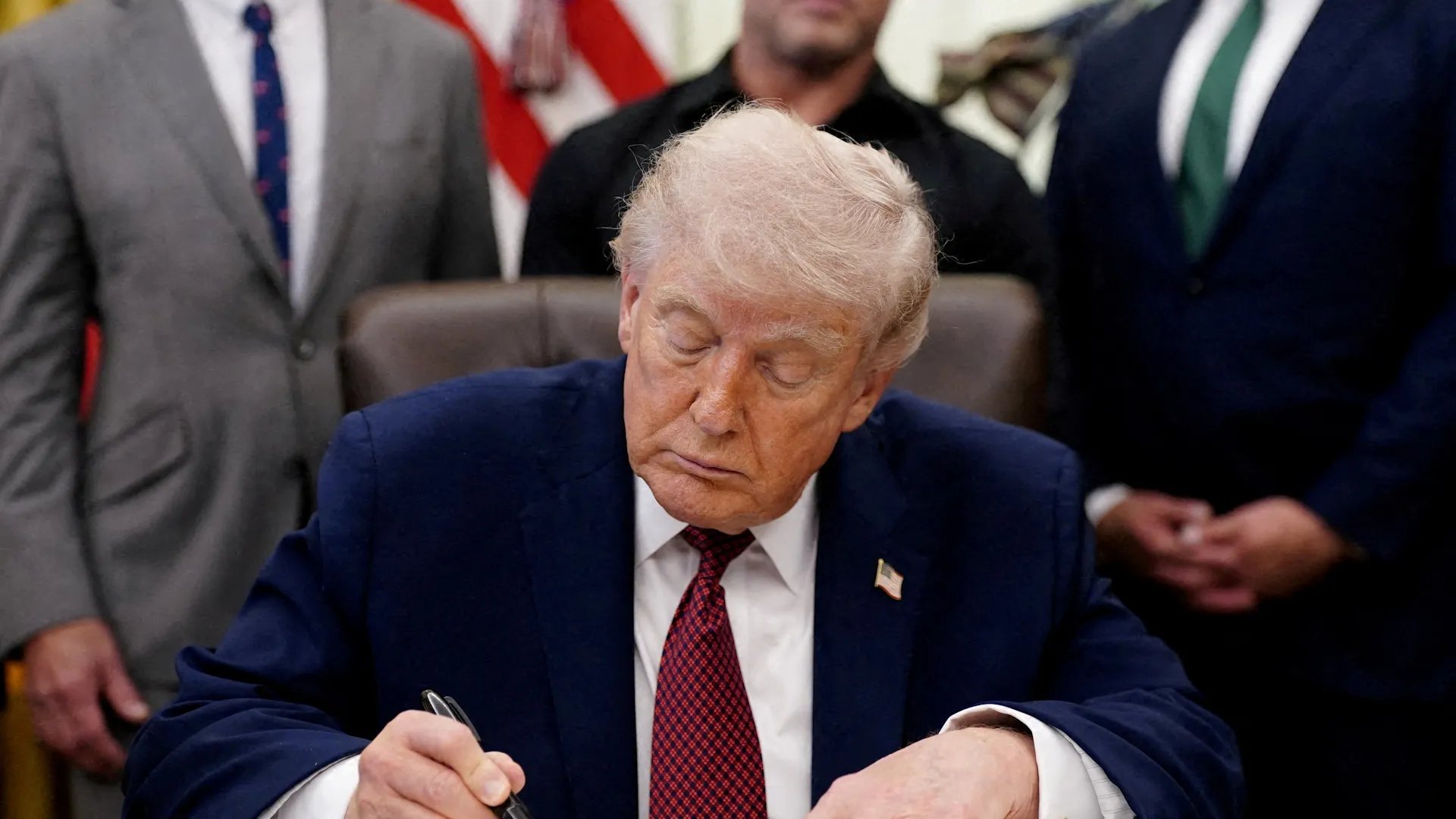
President Trump has made aggressive statements regarding Iran, asserting that if negotiations fail, the U.S. would target Iran's infrastructure, including power plants and bridges. His remarks have drawn criticism domestically, with polls indicating a decline in his approval ratings, particularly regarding his handling of the Iran conflict and inflation. A recent NBC News poll showed that 63% of Americans disapprove of Trump's performance, with significant concerns about the economy overshadowing his foreign policy maneuvers.
Security Measures in Pakistan
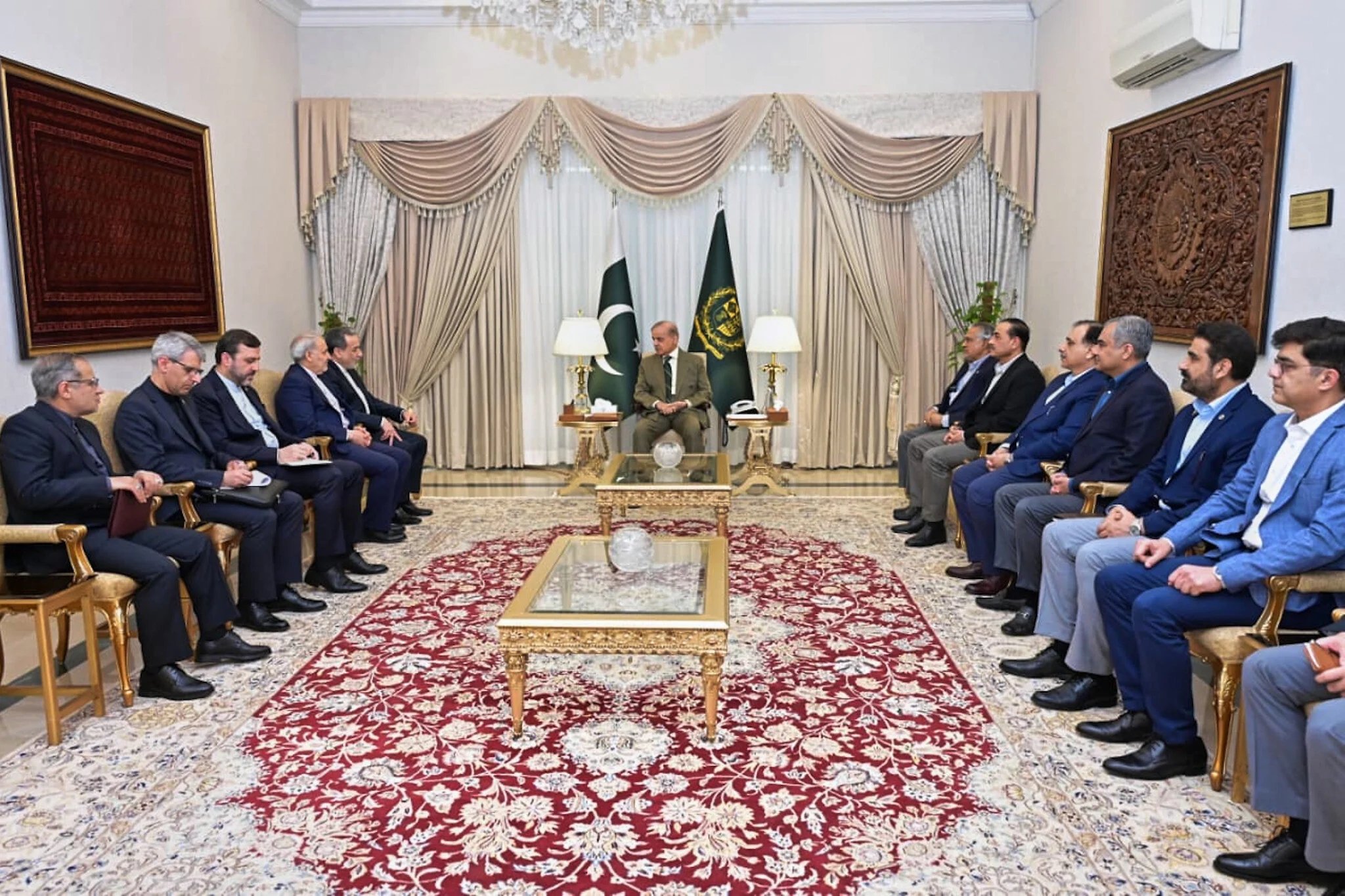
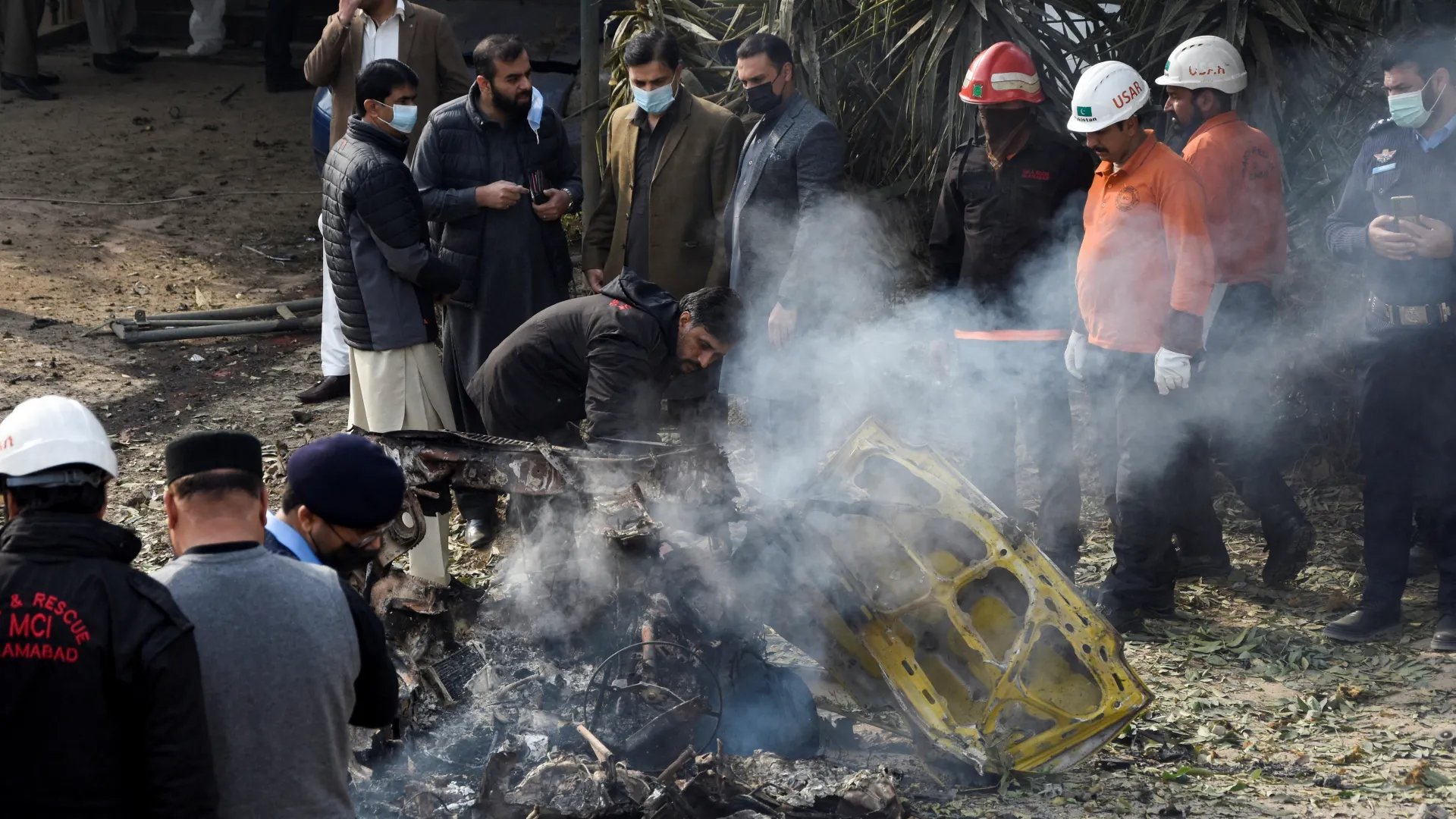
Ahead of the talks, security in Islamabad has been heightened, with road closures and increased police presence around key venues. Authorities are taking precautions to ensure the safety of the U.S. delegation amid the tense backdrop of U.S.-Iran relations. Pakistan's Foreign Minister Mohammad Ishaq Dar has been in discussions with his Iranian counterpart, emphasizing the importance of continued dialogue for regional stability.
Congressional Reactions and Political Divisions
The political landscape in the U.S. is increasingly divided over Trump's handling of the Iran situation. While some Republican leaders, like Rep. Elise Stefanik, defend the president's strategy as necessary to counter Iran's aggression, many Americans, particularly younger voters, are calling for a de-escalation of military action and are wary of further entanglement in foreign conflicts.
Conclusion and Future Considerations
As the U.S. delegation prepares to head to Pakistan, the outcome of the talks remains uncertain. Both sides are under pressure, with Iran asserting its demands for the lifting of sanctions while the U.S. maintains its blockade. The results of these negotiations could have lasting implications for U.S.-Iran relations and global oil markets. The situation continues to develop, and the stakes for both nations are high as they seek a path forward amid ongoing tensions.







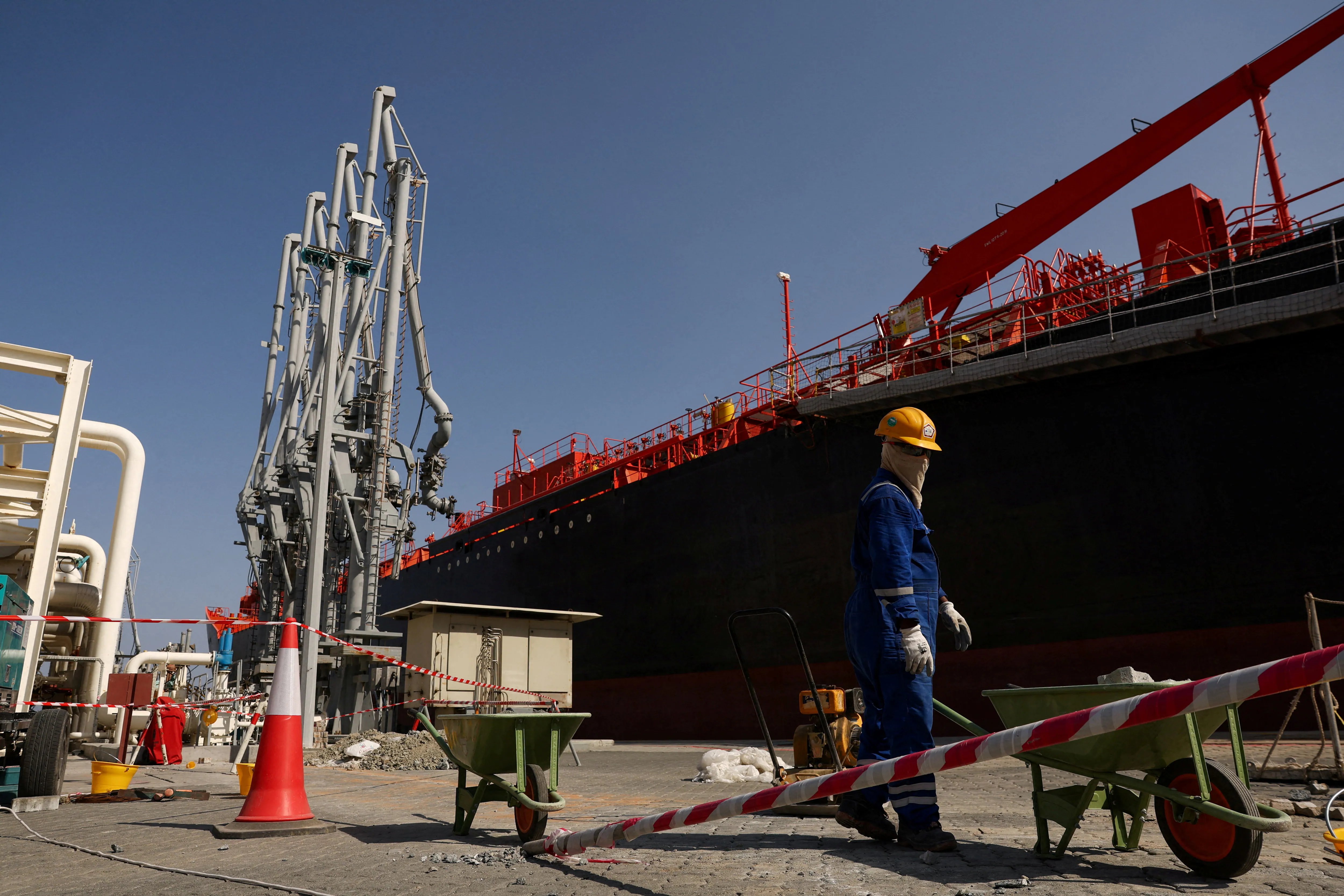







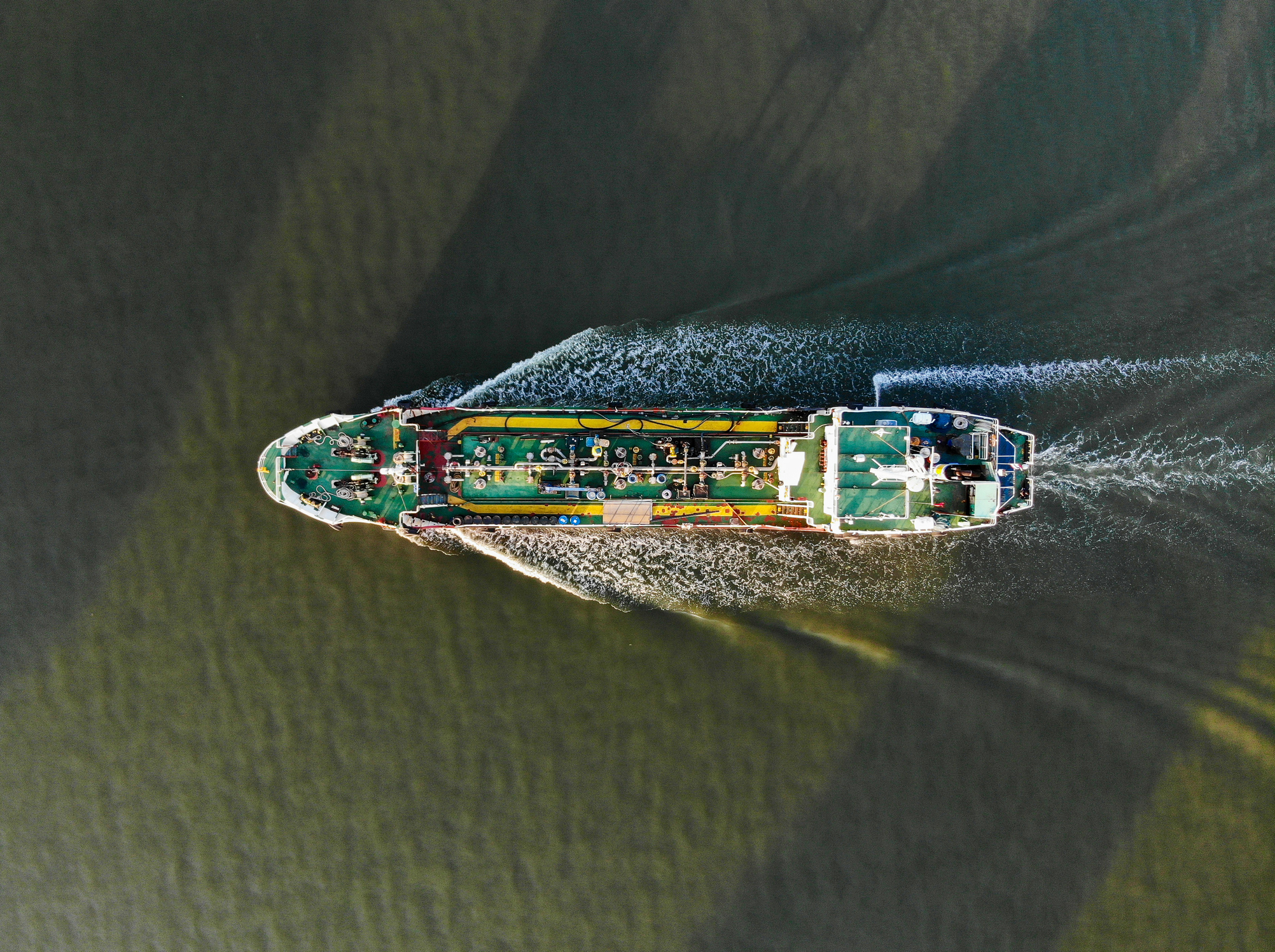
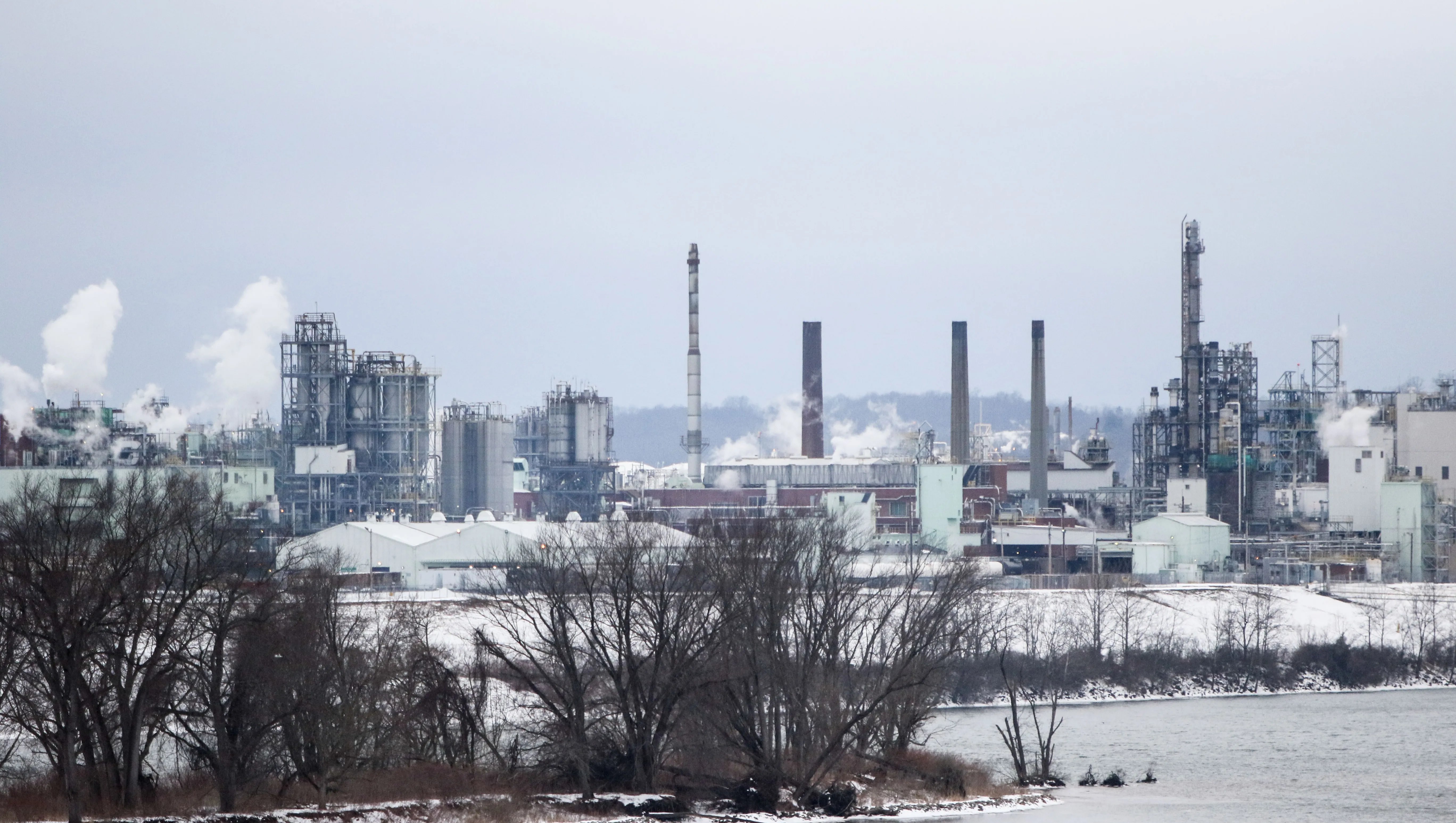
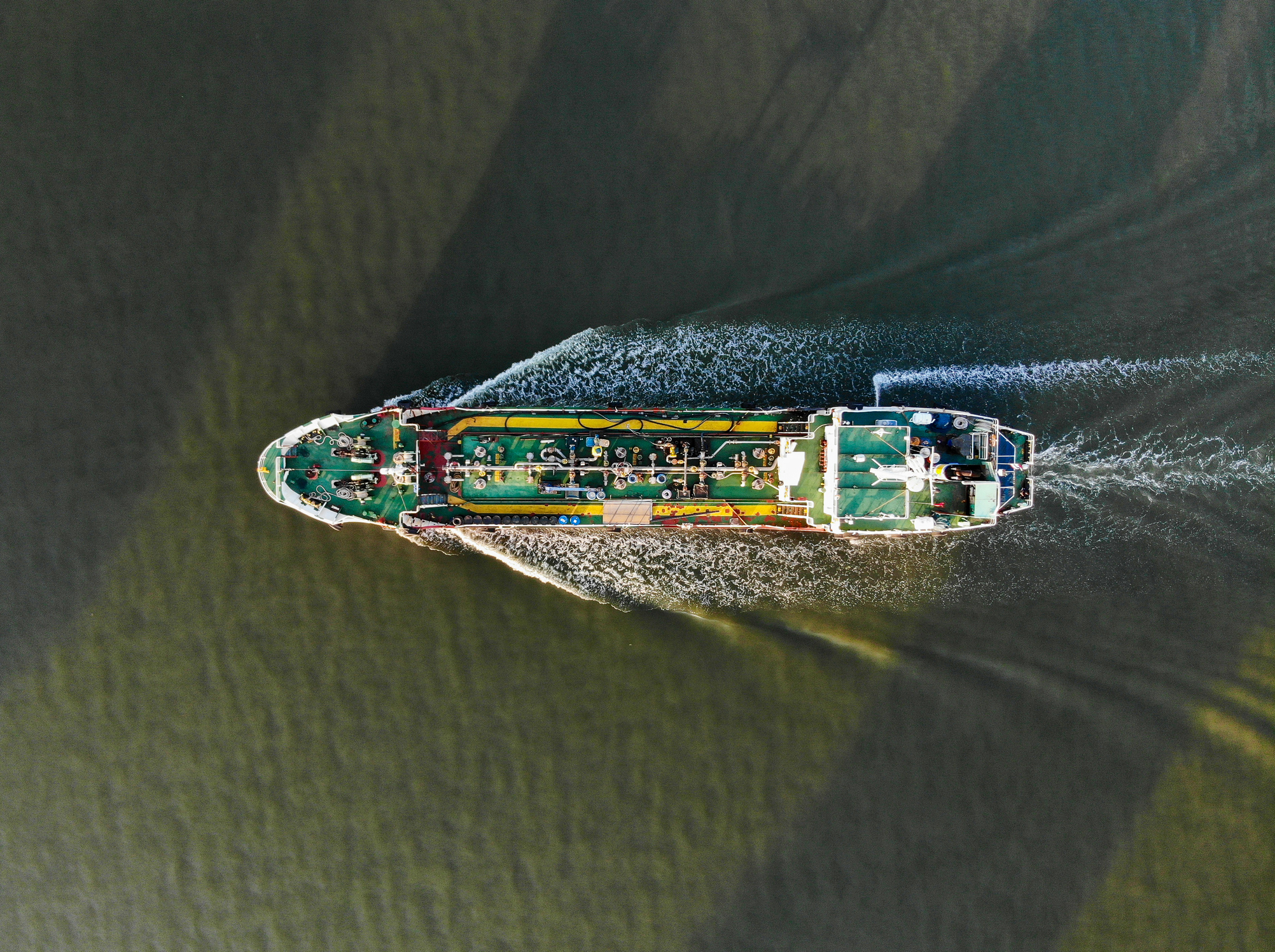
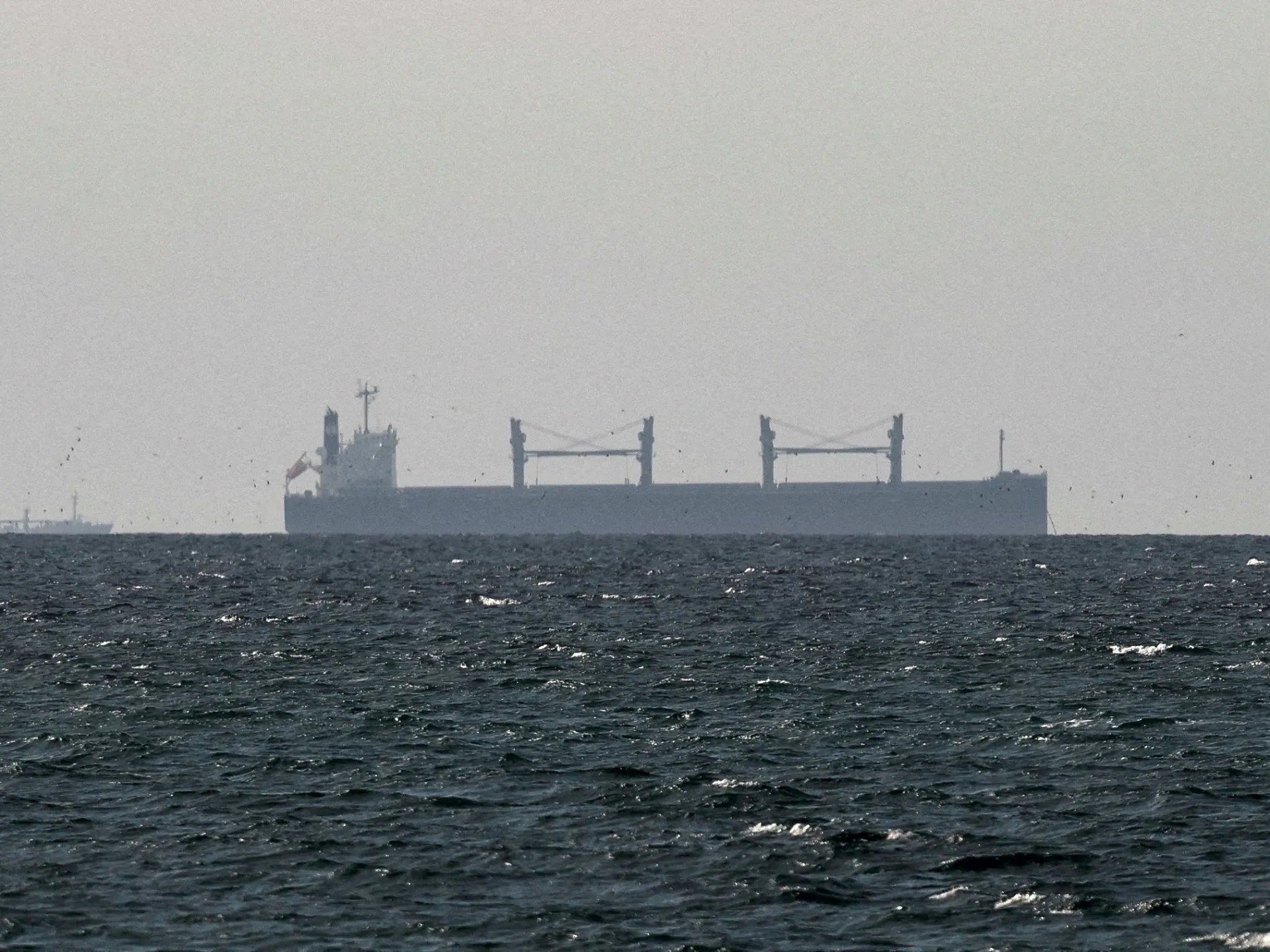





















































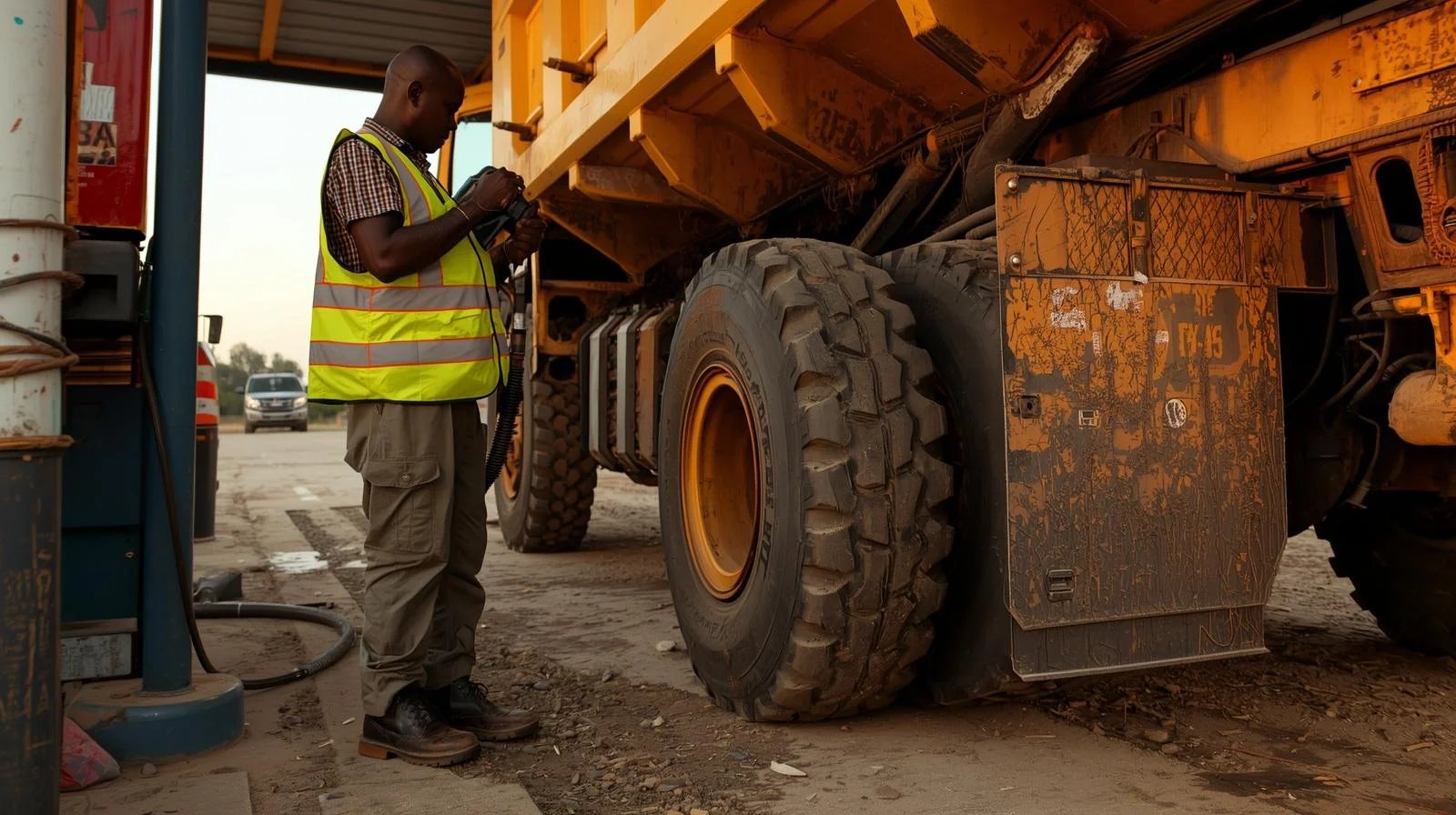
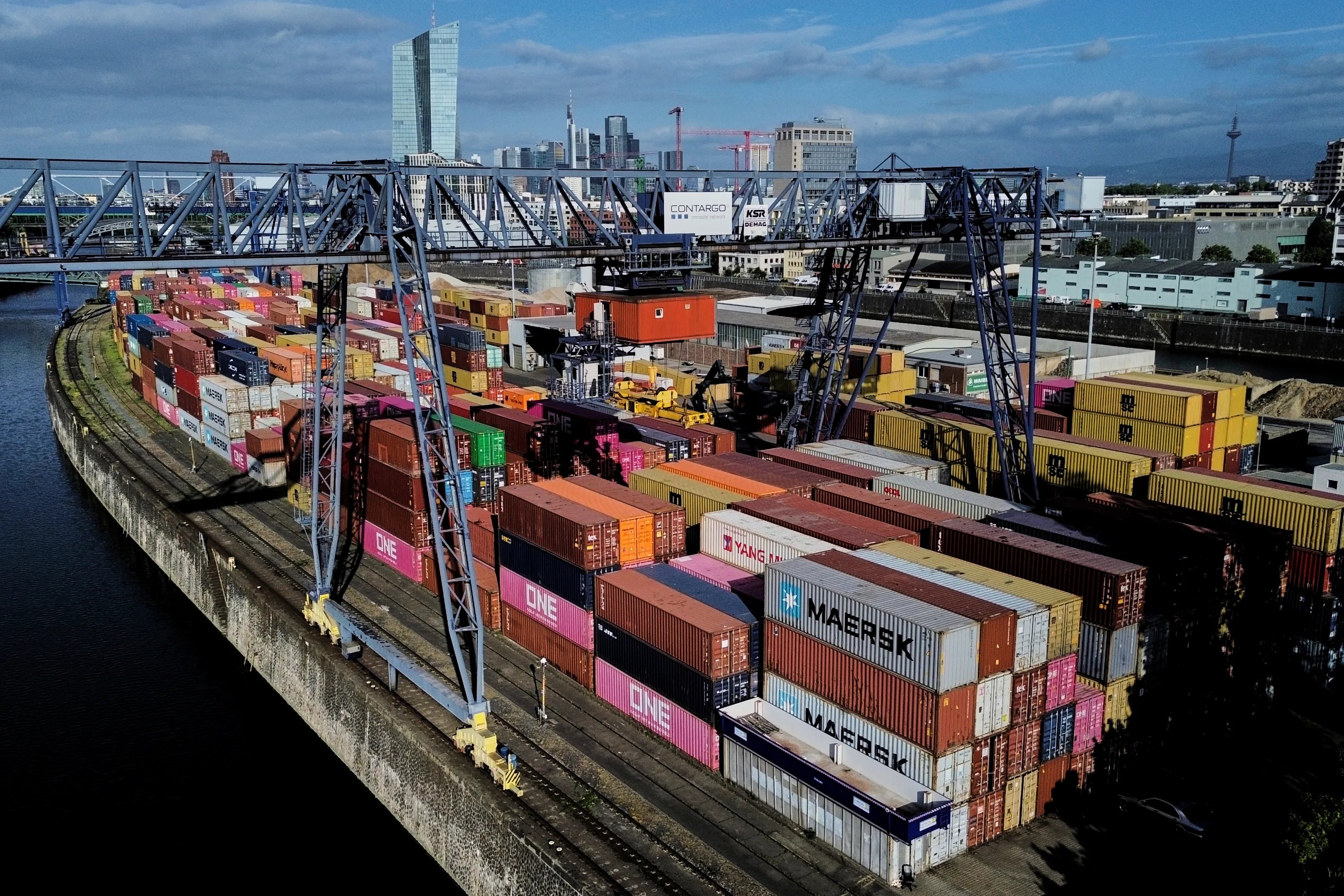


















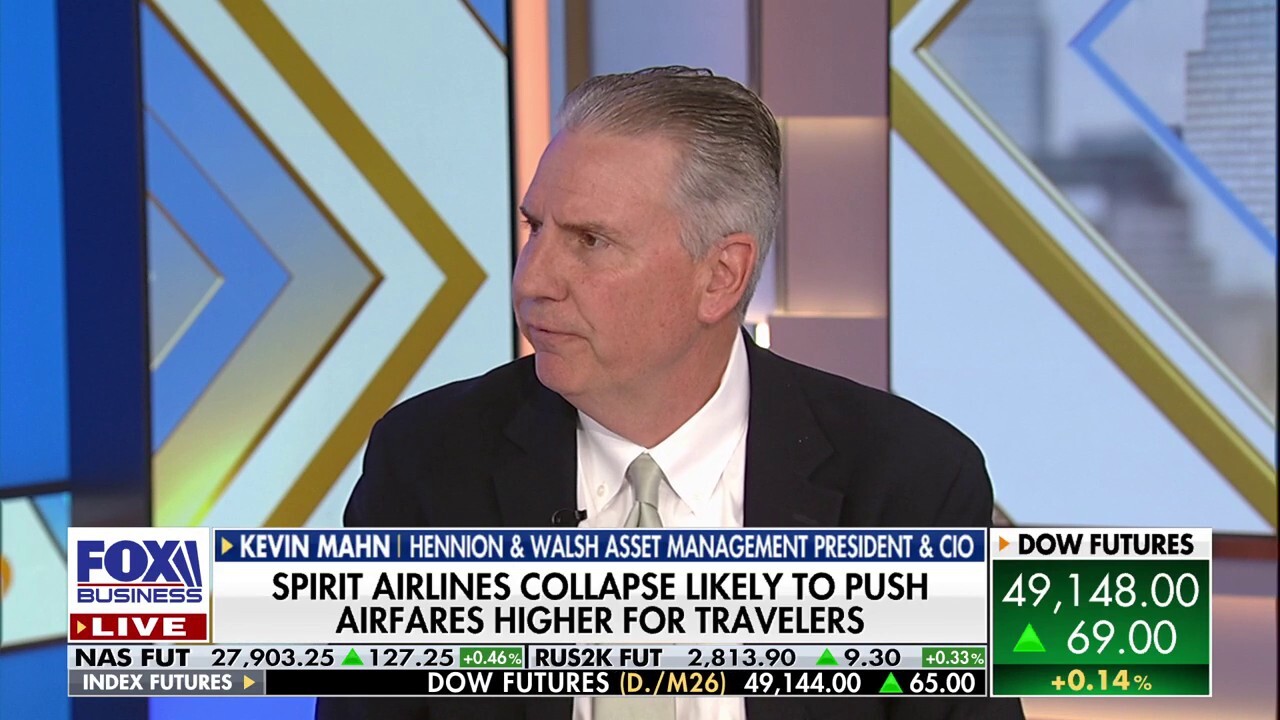










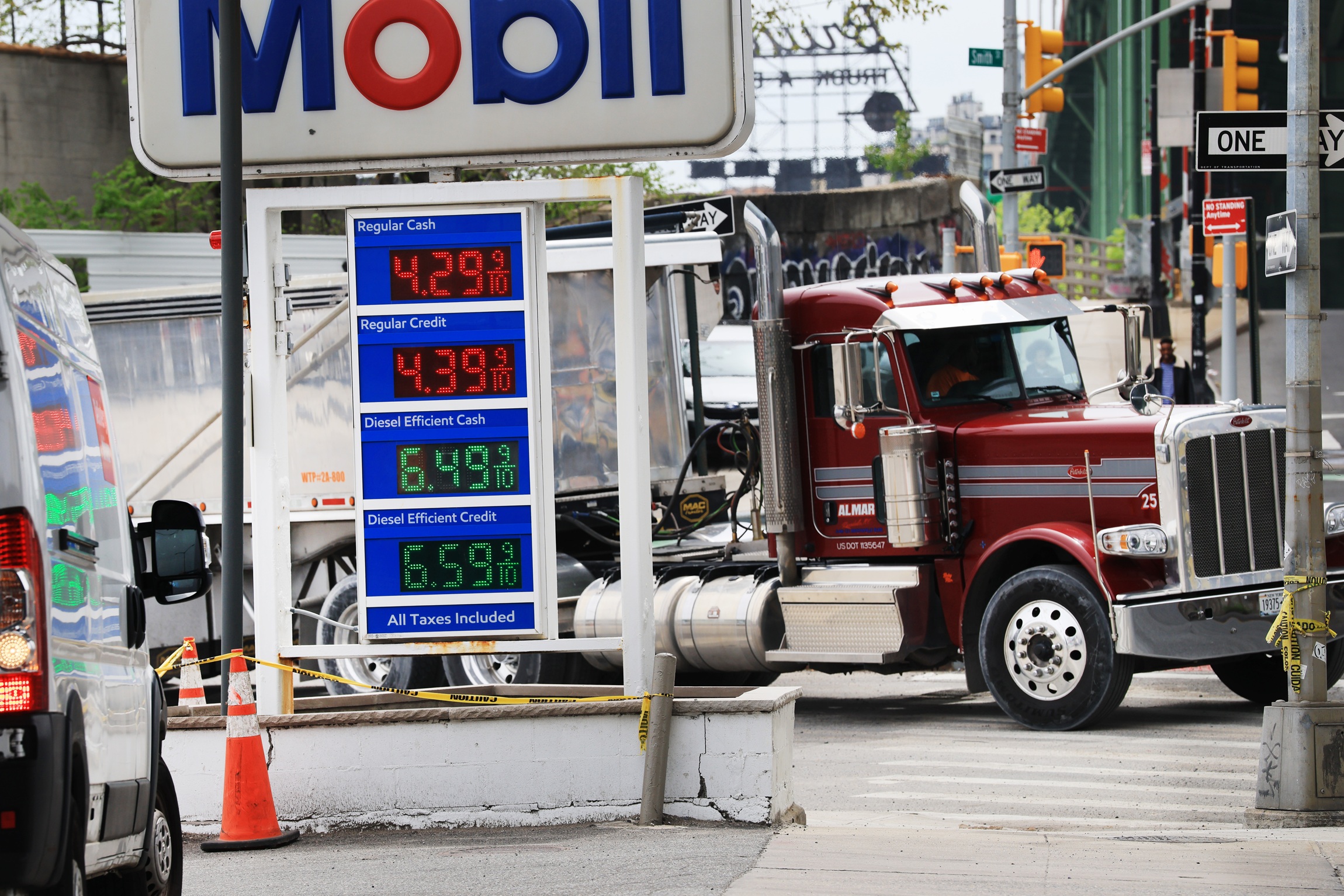
































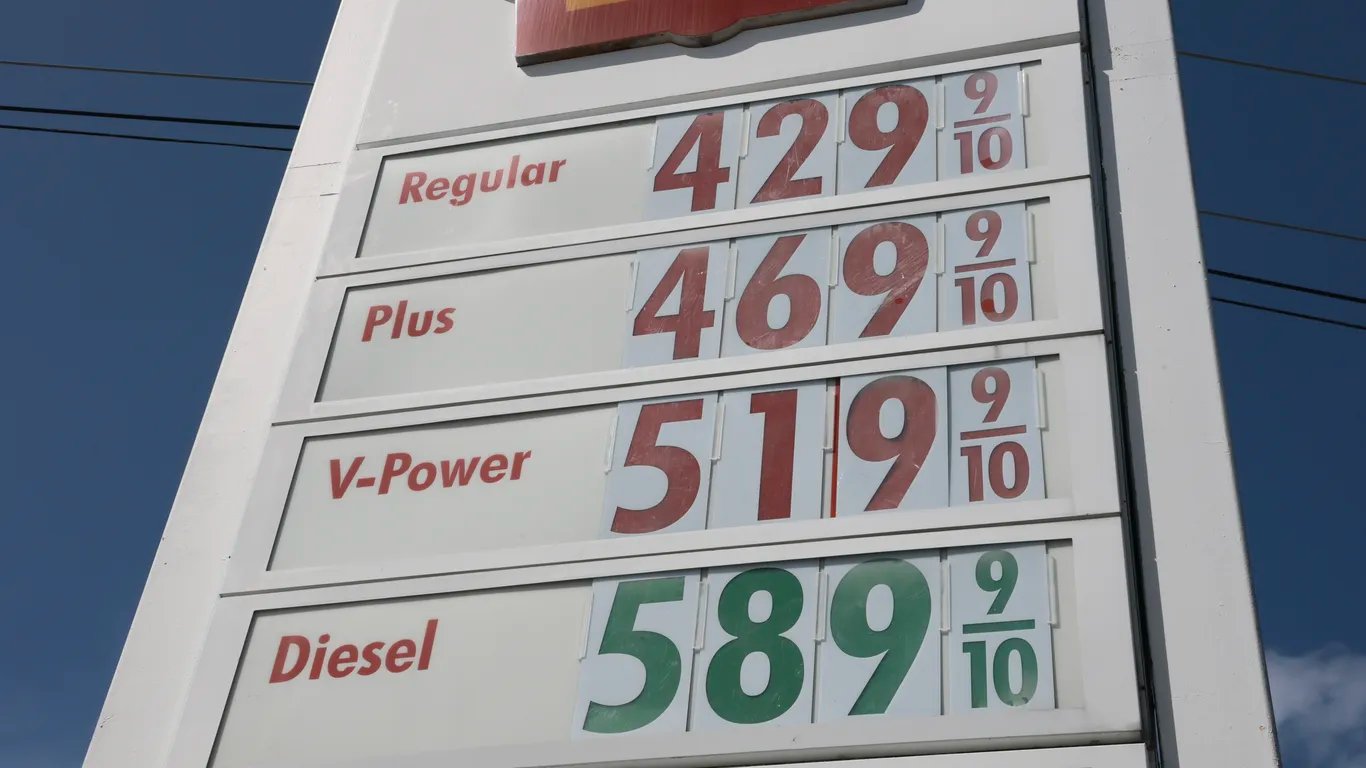


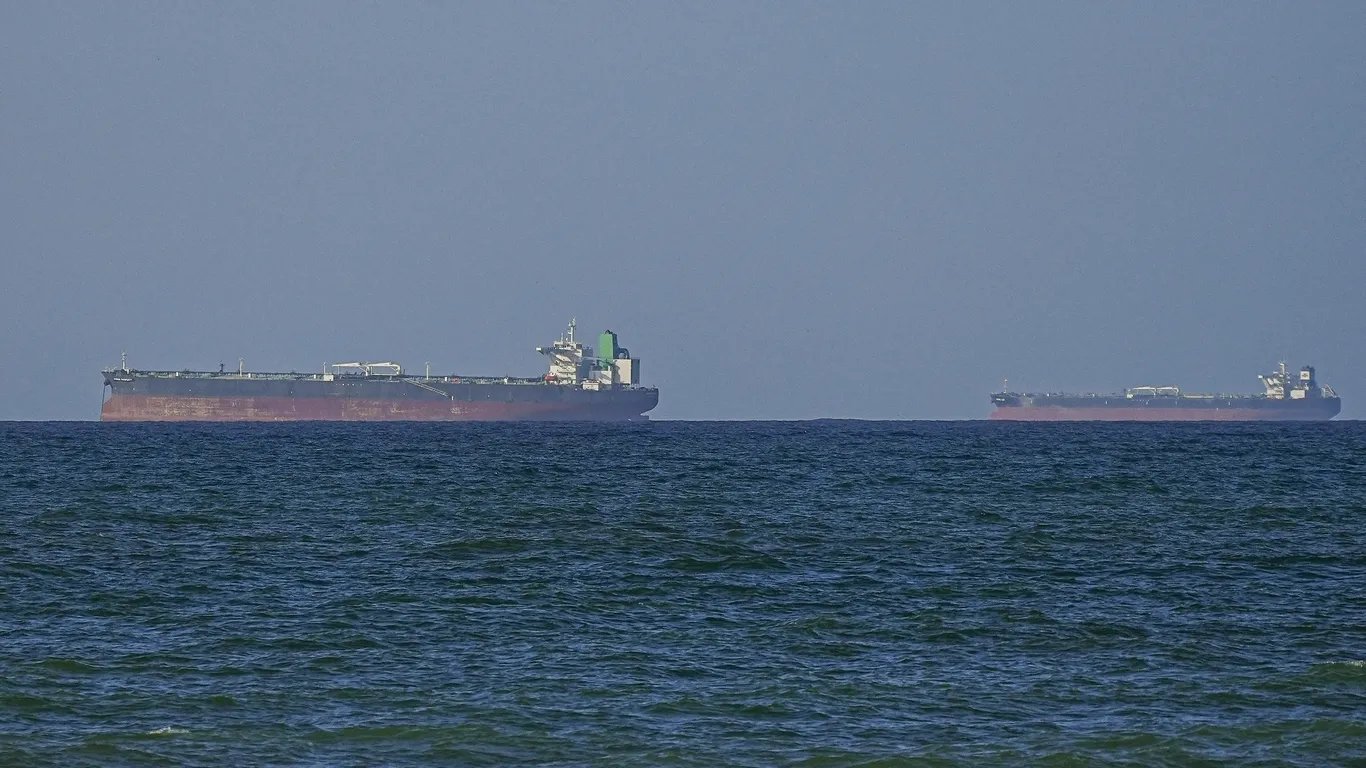


The sources report that gas prices are "over $4 now," according to former Biden energy advisor Amos Hochstein, who also warned that "when you close the straits, the world still has all the tankers that were on the water before" taking 25-30 days to reach destinations, but "right now, there are no tankers on the seas, to Asia and to Europe."