




The Court's Ruling
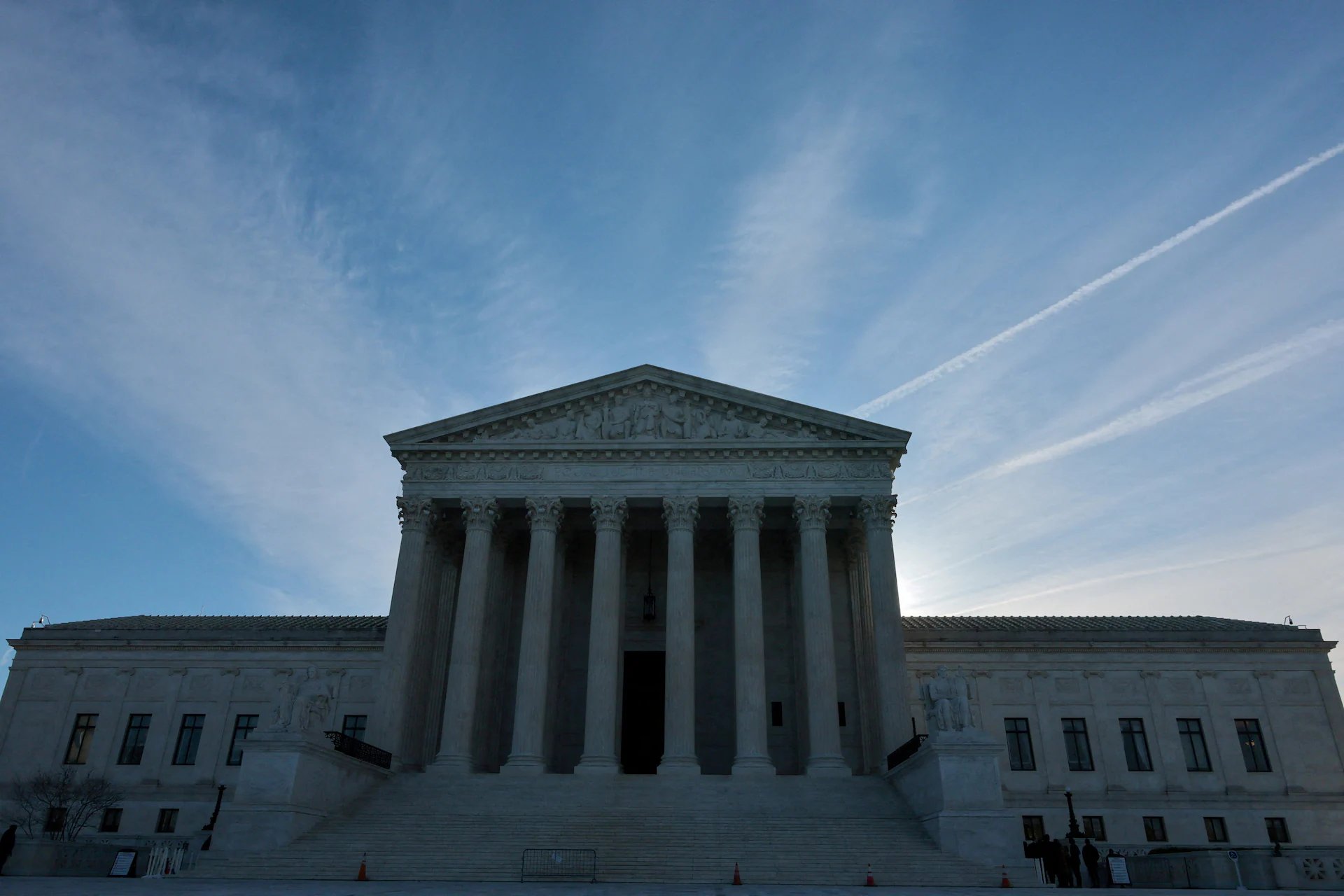
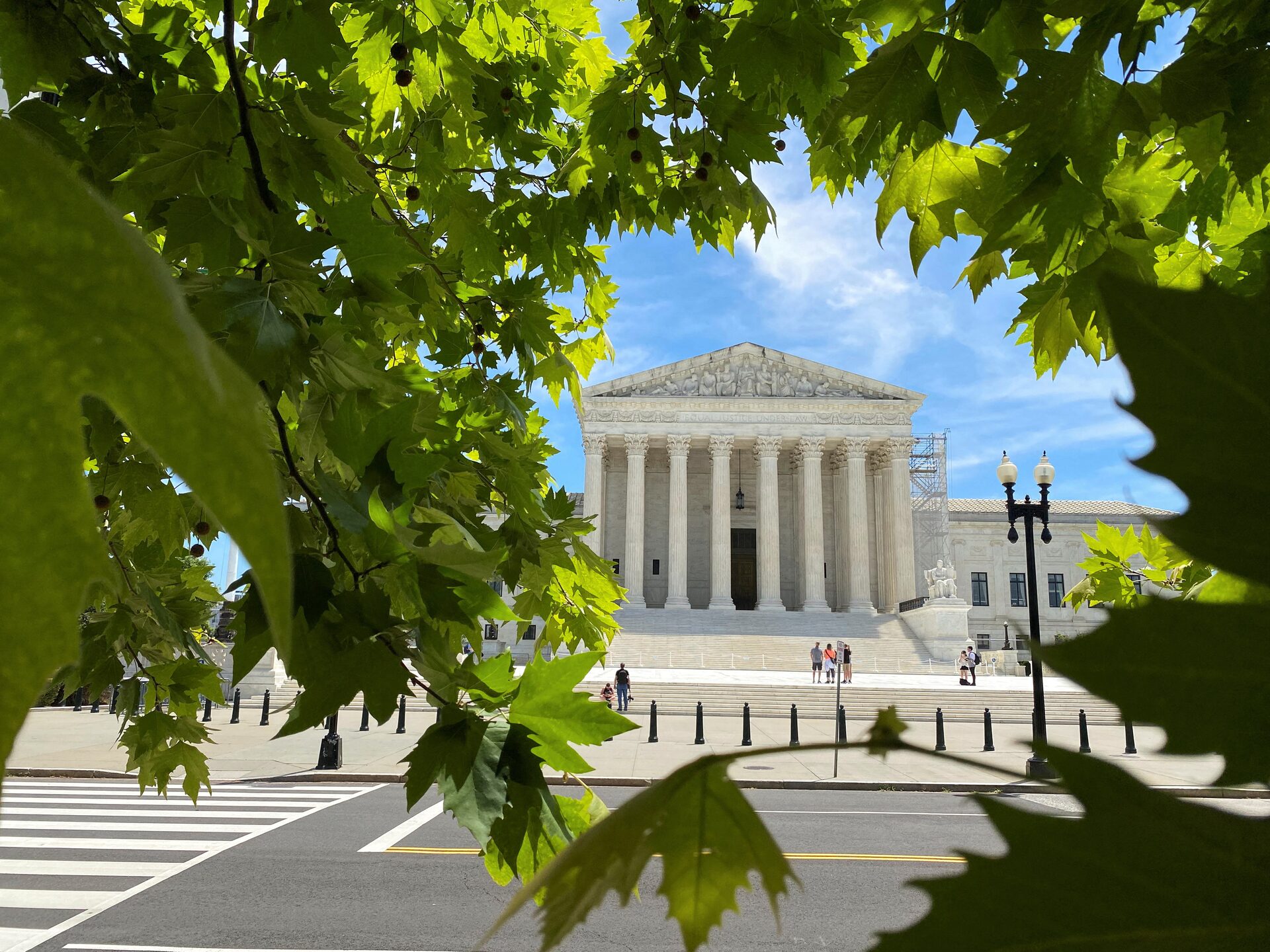
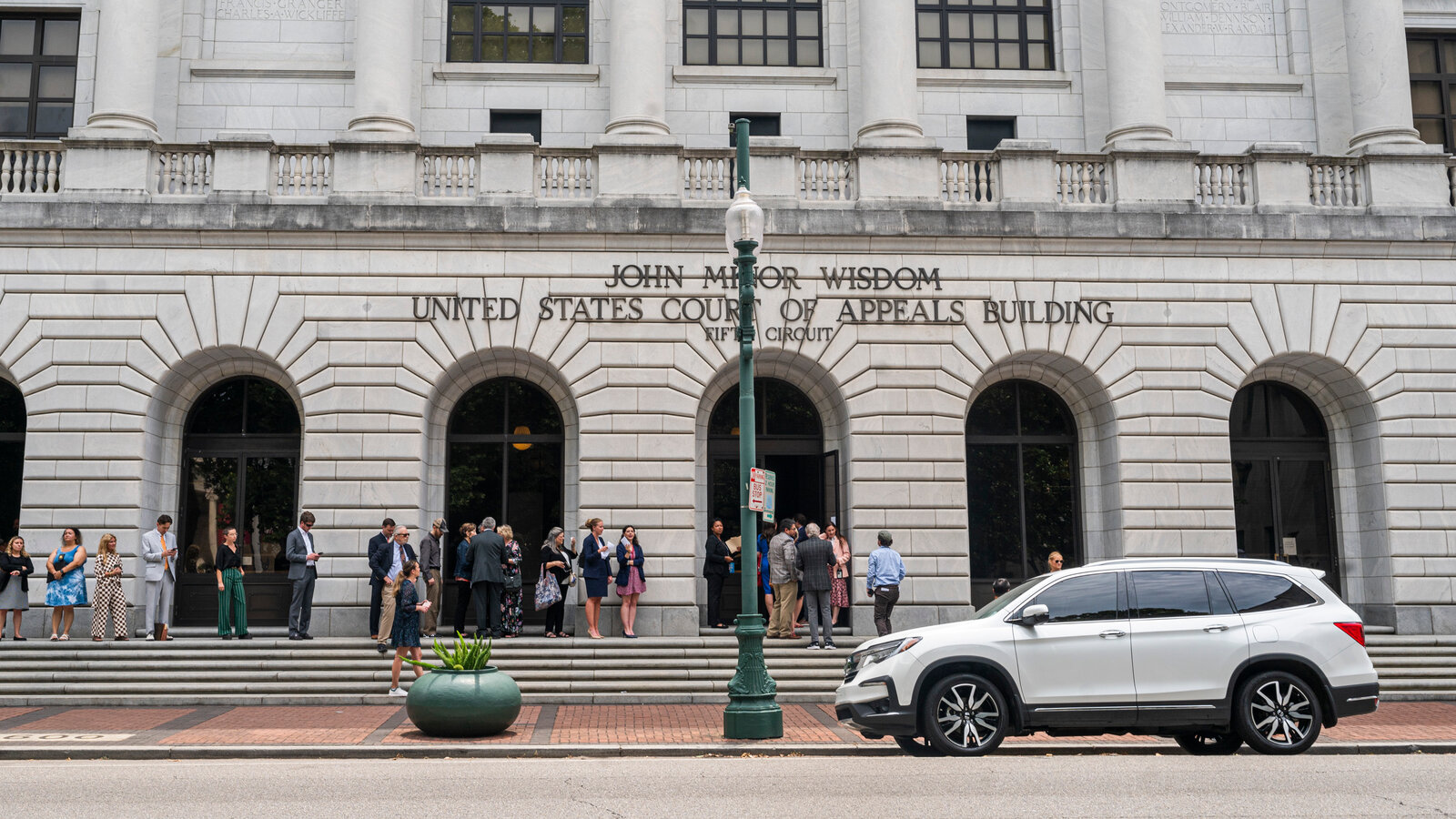
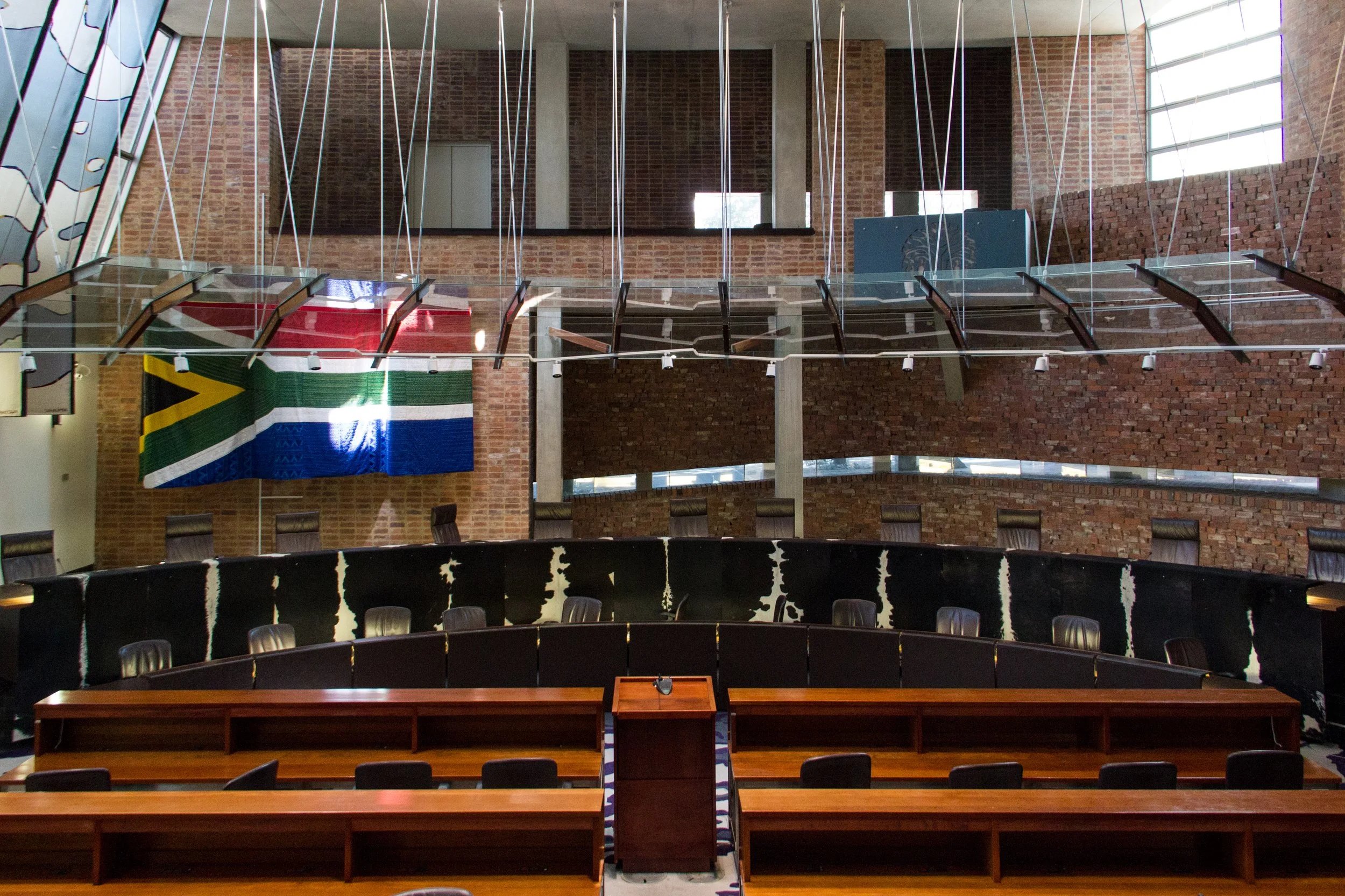
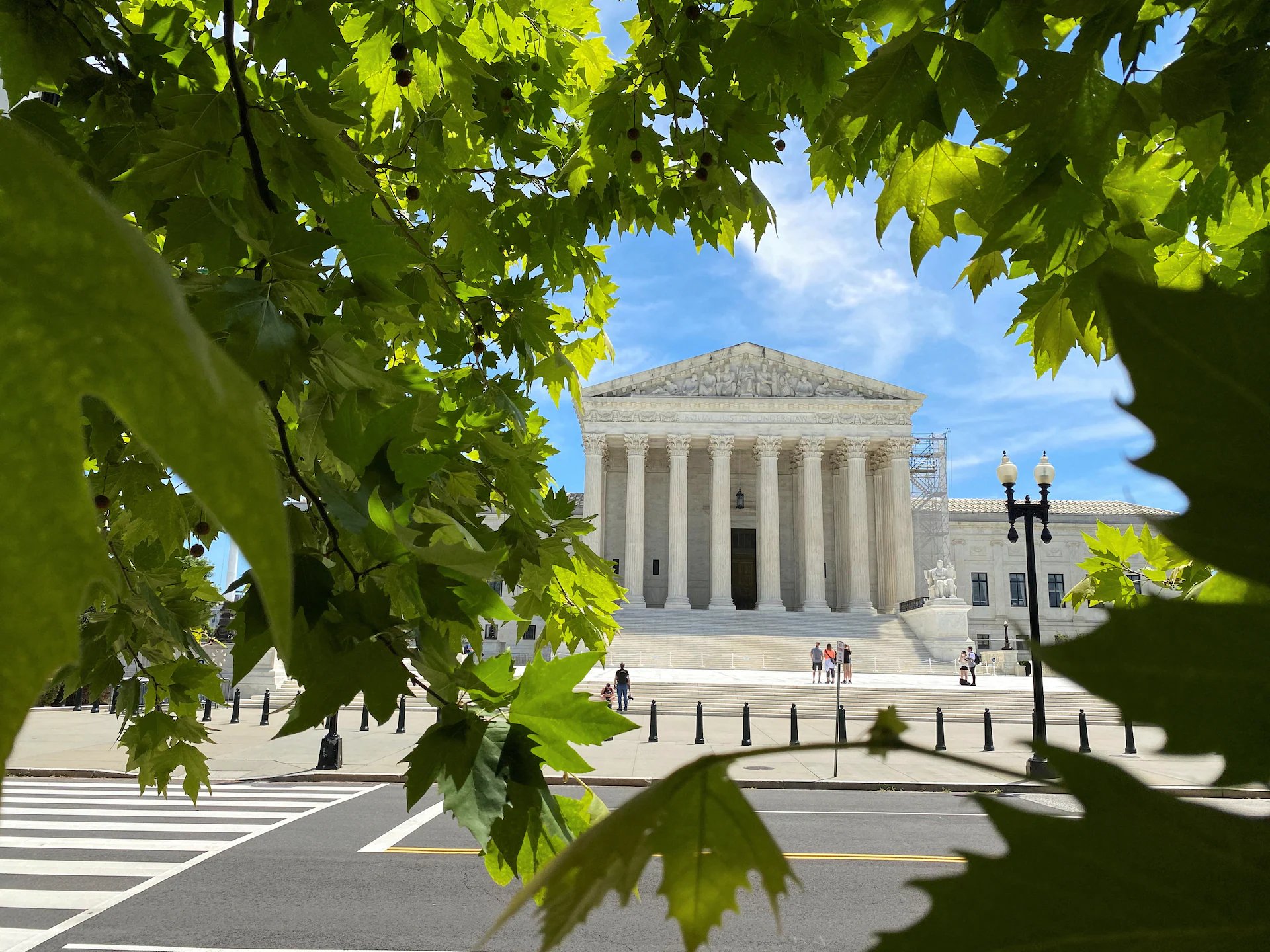
U.S. District Court Chief Judge Troy L. Nunley in Sacramento, California, issued a ruling late Friday that halts the Nexstar-TEGNA merger. The decision found that eight attorneys general and DirecTV are likely to win their antitrust lawsuit against the deal. Nunley ordered Nexstar to stop combining operations with TEGNA until the full case concludes.
Challenges from States and Companies
The attorneys general, all Democrats, joined DirecTV in arguing the merger violates federal laws and would raise consumer costs. The deal would create a company that owns 265 television stations across 44 states and the District of Columbia, mostly as affiliates of ABC, CBS, Fox, or NBC. This consolidation could force video distributors like DirecTV to pay higher retransmission fees, potentially leading to increased bills for viewers.
Effects on Local News and Programming
Nunley noted in his ruling that Nexstar has a history of merging local news stations in the same market, potentially reducing viewer options. The judge warned that the deal might stifle local journalism and leave subscribers without access to key events, such as Sunday NFL games. He concluded that blocking the merger serves the public interest by maintaining competition in media markets.
Nexstar's Defense and Approvals
Nexstar's legal team asserted that the deal has already passed reviews by the Federal Communications Commission and the Department of Justice. They pointed out that the FCC required Nexstar to divest six stations as part of its approval process. FCC Chairman Brendan Carr said in March that the company had agreed to divest itself of six stations.
Unusual Regulatory Path
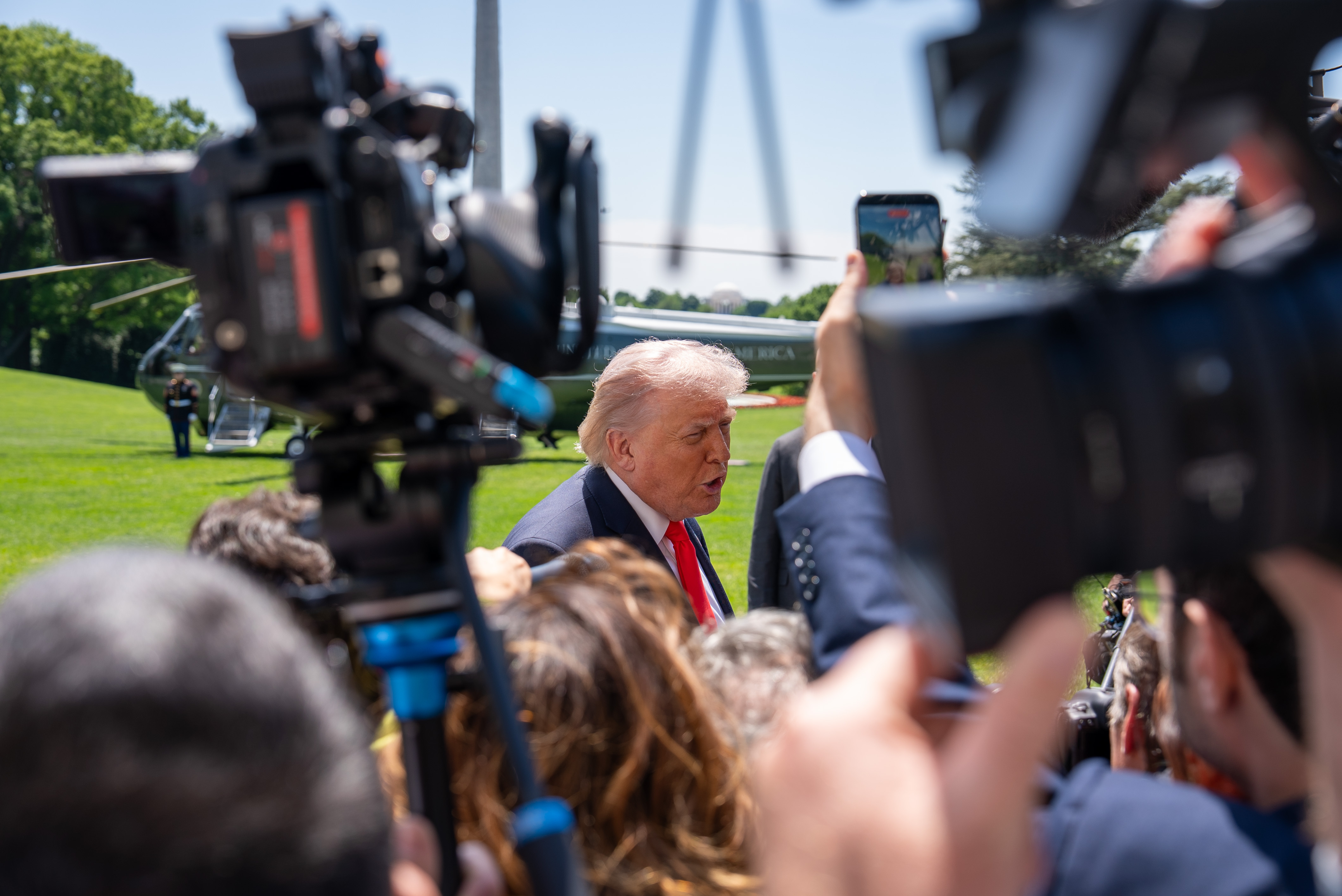
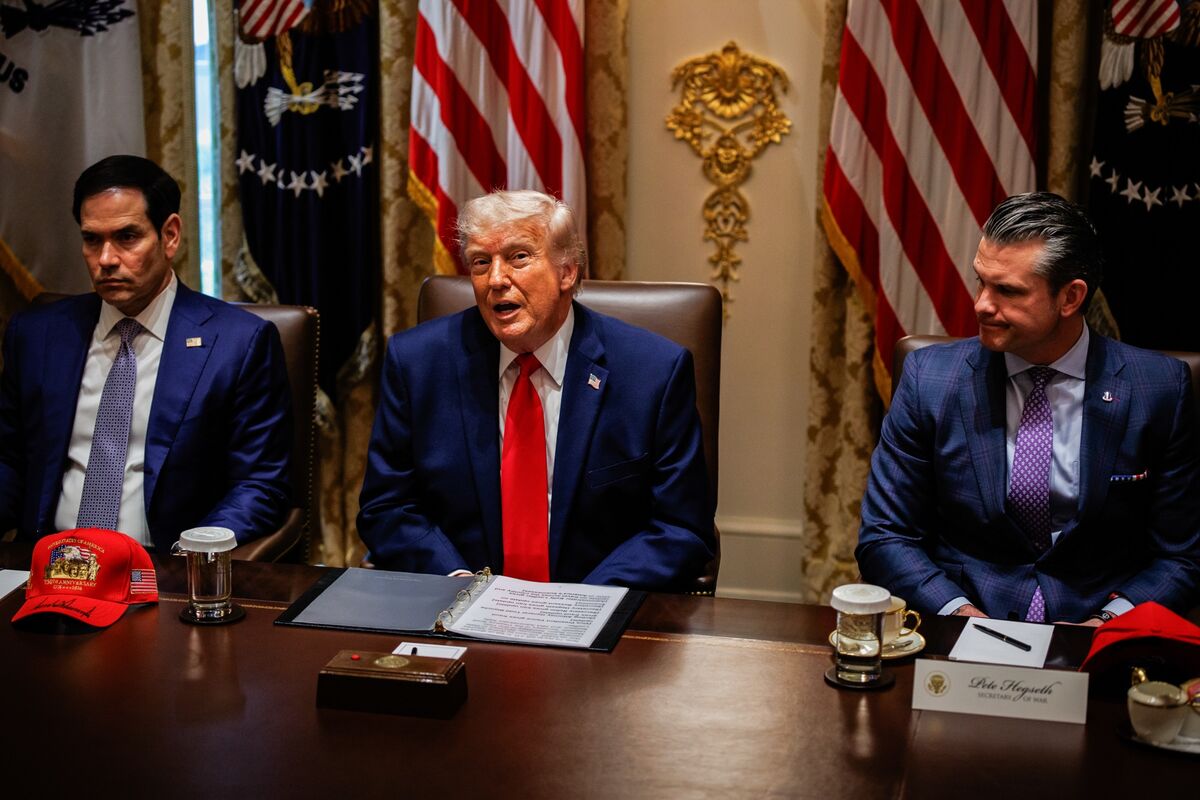
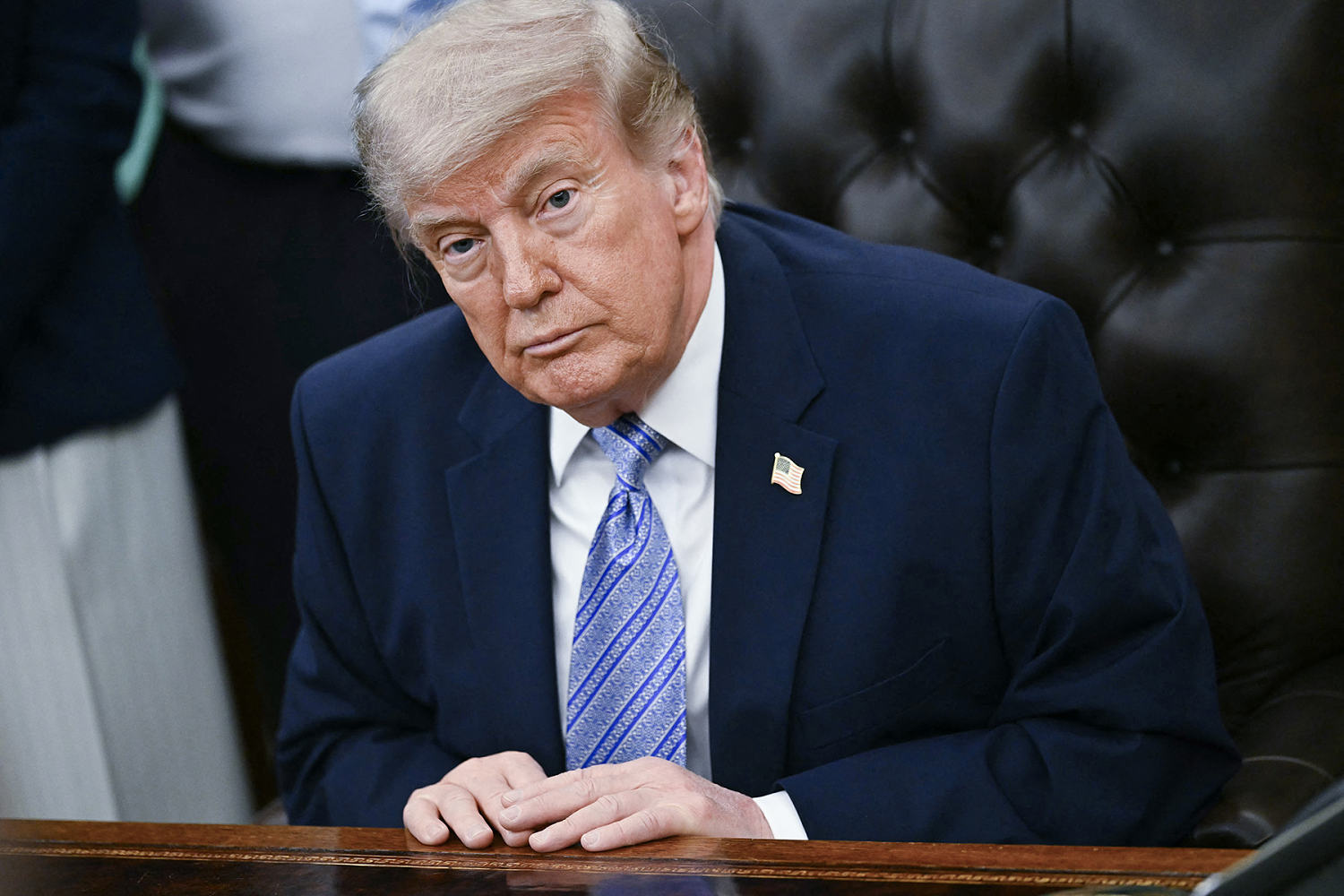
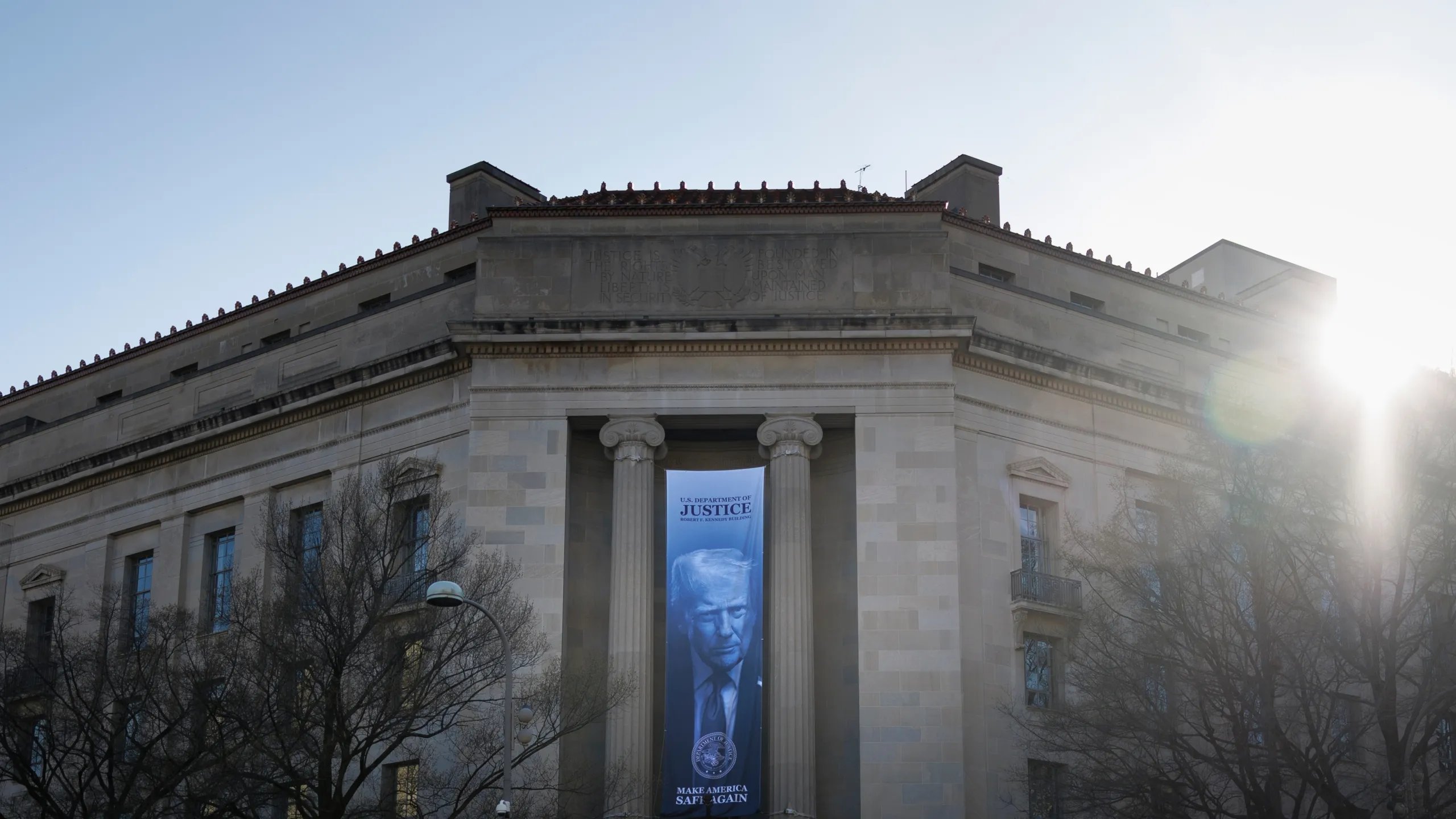
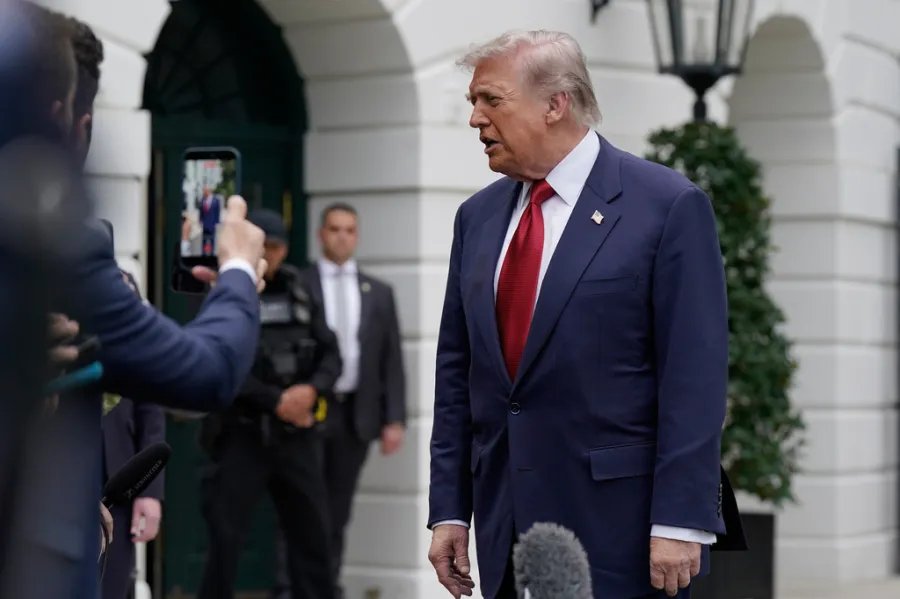
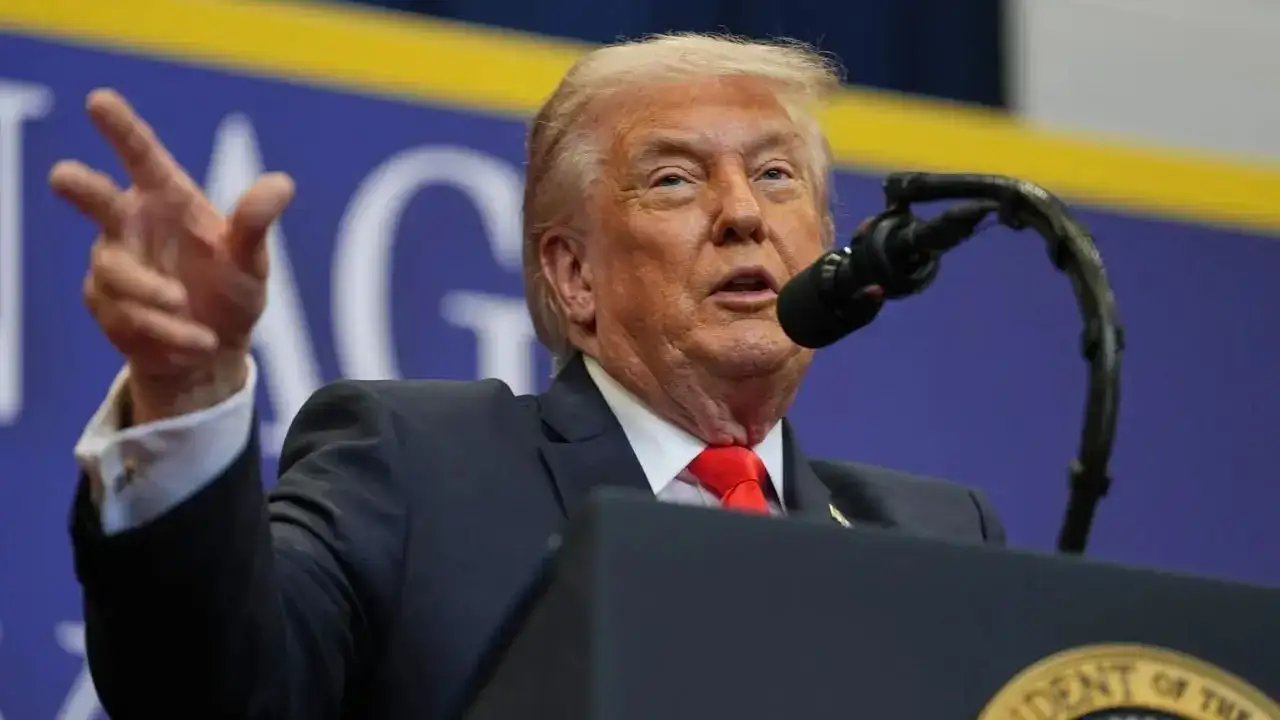
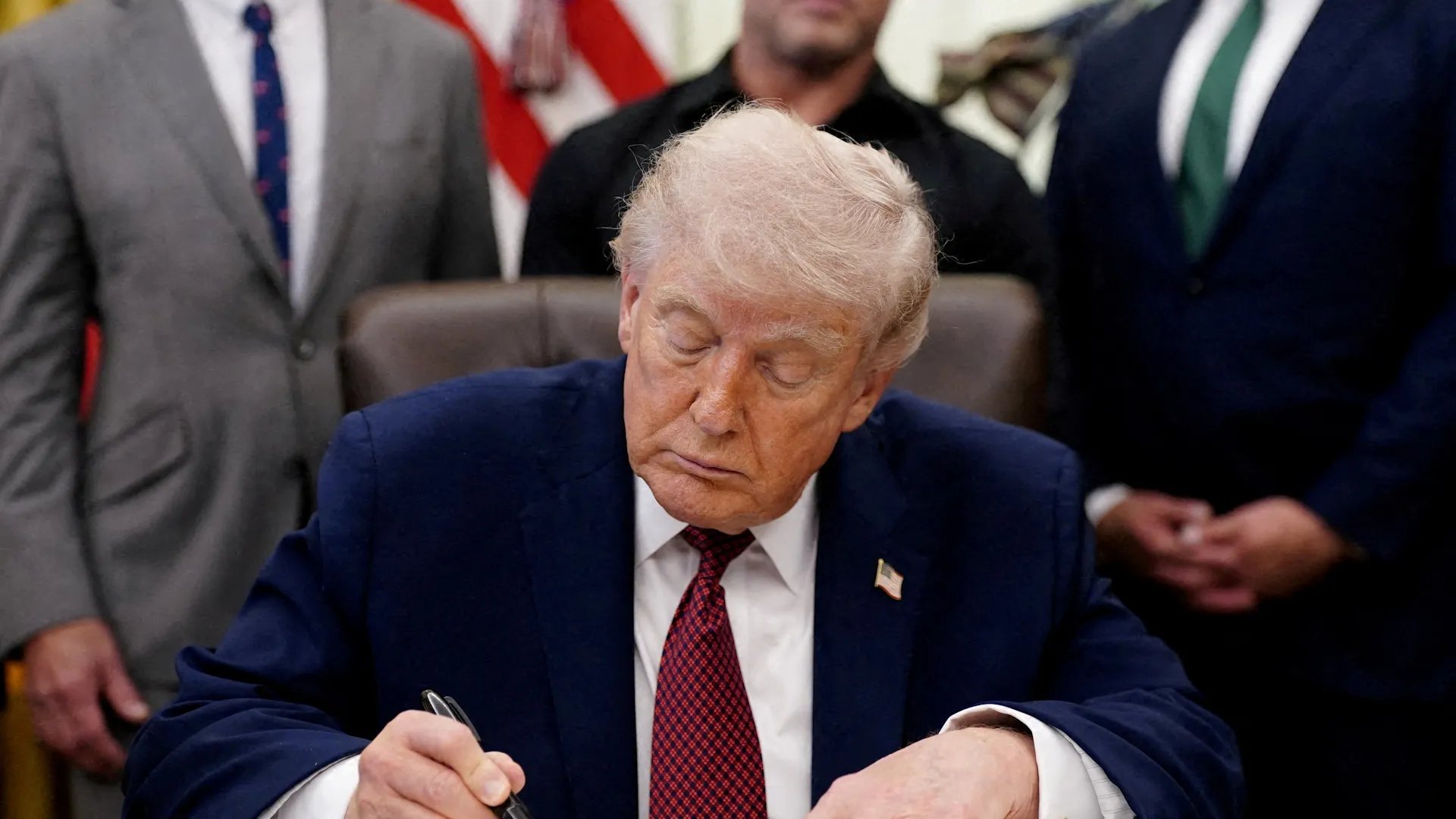
The judge described the FCC's handling of the deal as "unusual," noting it waived rules on station ownership limits. The Department of Justice ended its antitrust review through early termination in March, shorter than normally required by statute. Nunley highlighted how the President publicly urged regulators in February to approve the deal, citing a desire to "knock out the Fake News."
Official Reactions
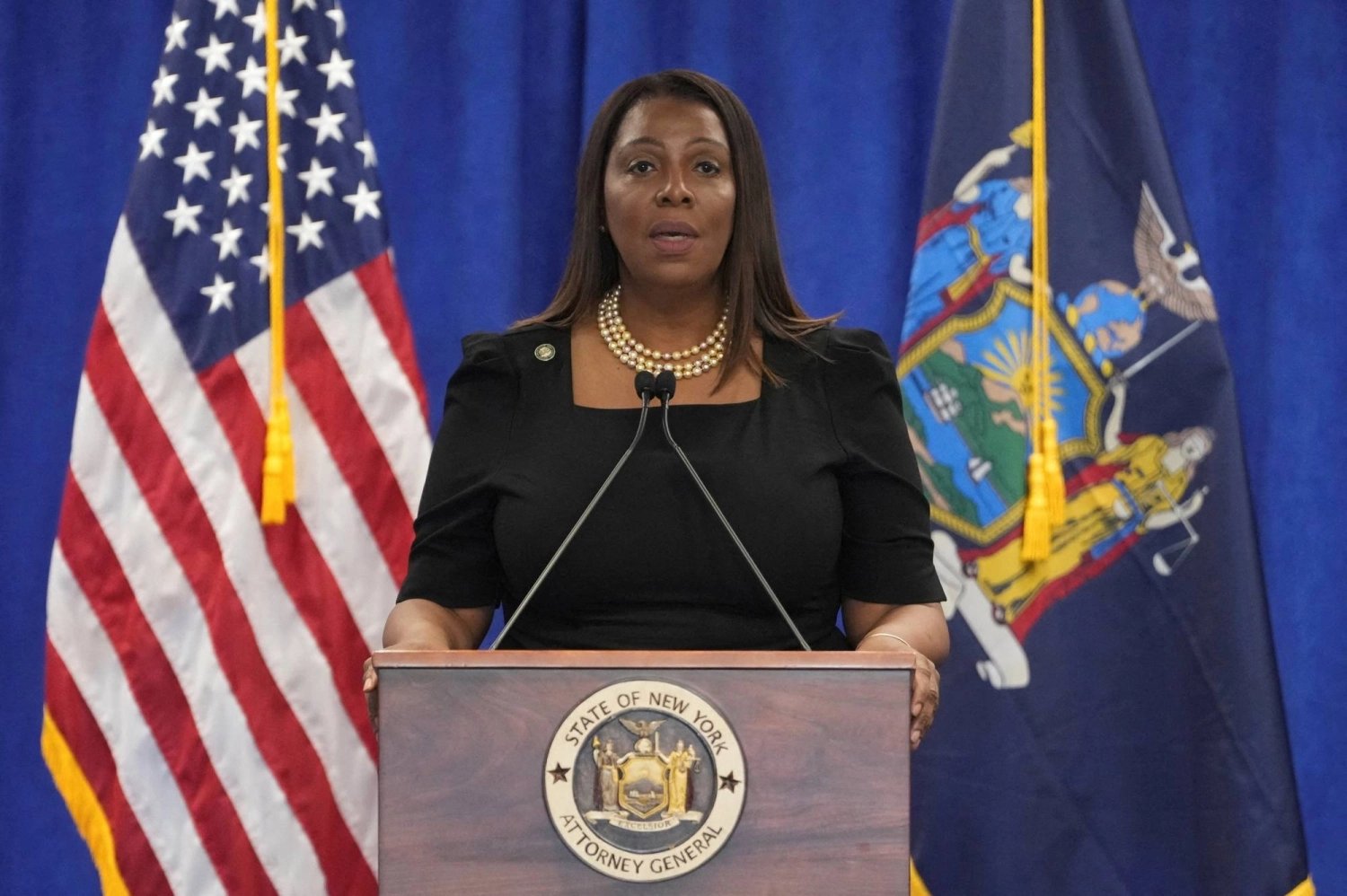
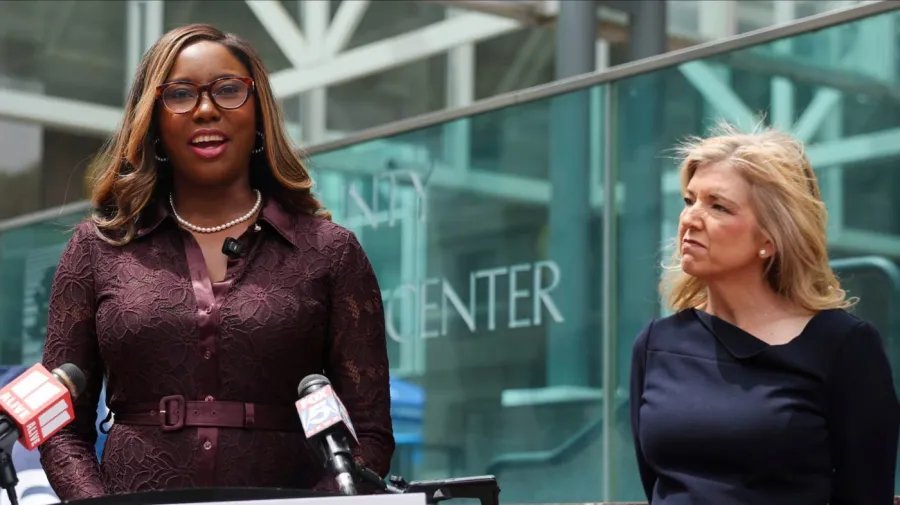
New York Attorney General Letitia James described the ruling as a "critical victory" in her Friday statement. She argued that the merger would result in higher prices and lower quality programming for consumers across the country. James vowed that her office will continue pursuing the lawsuit to ensure competition among local TV stations.
With the merger on hold, consumers in affected areas can expect no immediate changes to their TV options or bills, giving time for the antitrust case to unfold.