




Strategic Military Advancement
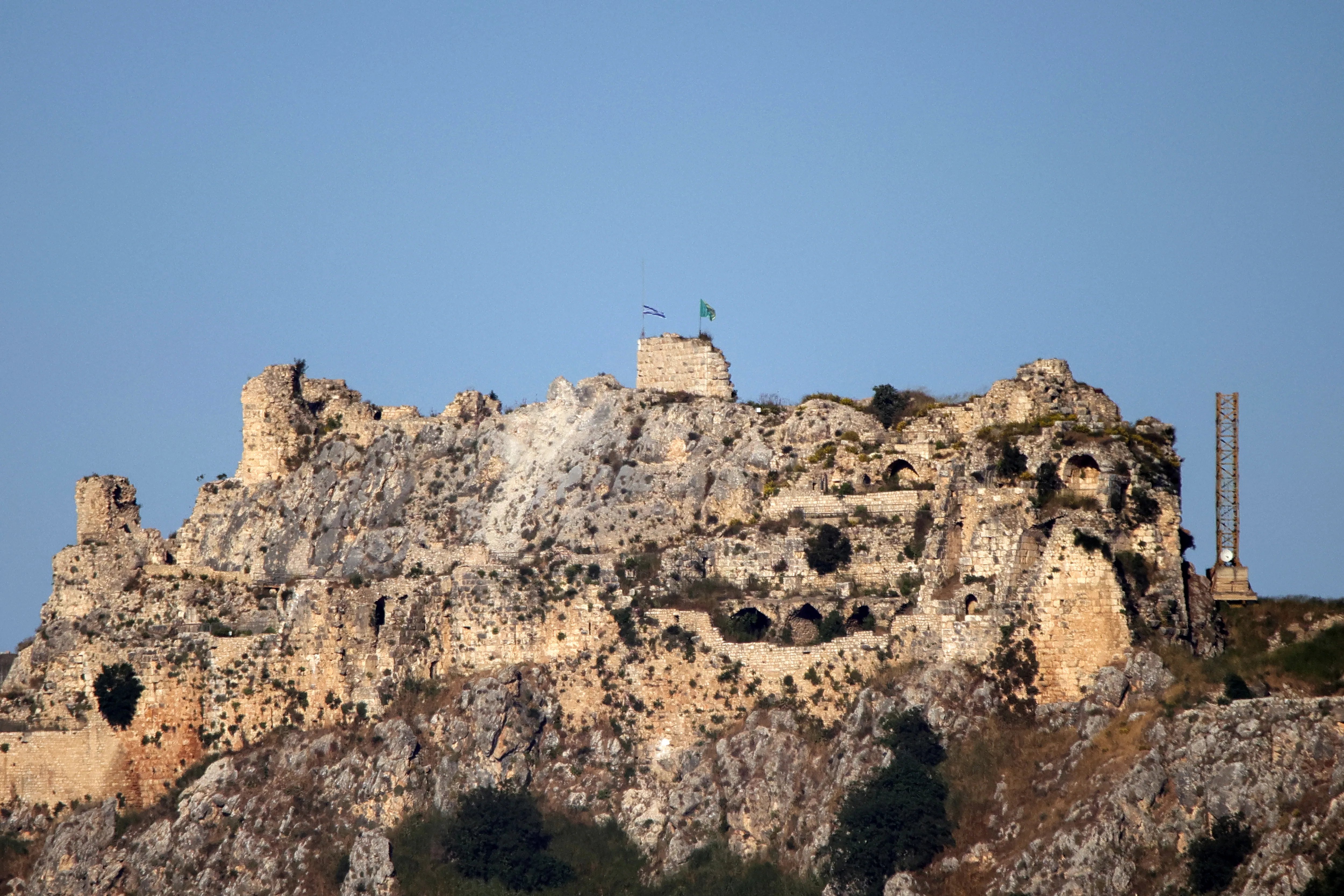
Israeli forces have captured the 12th-century Beaufort Castle in southern Lebanon, part of Israel's deepest military push into the country in 26 years. The castle, which overlooks both southern Lebanon and northern Israel, was seized as part of a broader Israeli offensive against the Iran-backed militant group Hezbollah. Prime Minister Benjamin Netanyahu described the capture as a "decisive shift" in Israel's military strategy, aiming to expand control over areas previously held by Hezbollah.
Historical Significance of Beaufort Castle
Beaufort Castle, built during the Crusader era, has been a focal point in the ongoing conflict between Israel and Lebanon. It was previously occupied by Israeli forces from 1982 until their withdrawal in 2000. The castle's strategic location provides a commanding view of the region, making it a critical asset in military engagements. Israel's Defense Minister Israel Katz highlighted its importance, stating that troops will maintain control of the site as part of a "security zone" in Lebanon.
Rising Casualty Figures
According to Lebanese authorities, the conflict has resulted in more than 3,300 fatalities, with approximately 20 percent being women and children. Israeli Prime Minister Benjamin Netanyahu's office reported 25 Israeli military deaths and two civilian casualties due to Hezbollah attacks. The violence has displaced over 1.2 million people in Lebanon, with entire villages being destroyed in Israeli airstrikes. Lebanon's Prime Minister Nawaf Salam condemned the actions, describing them as a "scorched-earth policy" that would not lead to security but deepen divisions between Israel and the Lebanese populace.
Ongoing Military Operations
Israeli troops have intensified their ground operations, crossing the Litani River, which had previously served as a de facto boundary. According to U.N. figures provided to NPR, Israel launched over 3,300 airstrikes and projectiles against Hezbollah from May 24 to May 30, while Hezbollah reportedly fired 187 projectiles during the same period. This escalation comes despite a ceasefire declared in mid-April, which both sides have accused each other of violating, with France's Foreign Minister stating that Israel's incursion violates the ceasefire that has been in place since April 17.

The sources report that Israel launched more than 3,300 projectiles and airstrikes from May 24 to May 30, while Hezbollah and its allies launched 187 projectiles during the same period—an 18-to-1 ratio.
International Reactions
The international community is closely monitoring the situation. France's Foreign Minister Jean-Noël Barrot called for an emergency meeting of the United Nations Security Council, stating that while Israel has the right to defend itself, its military operations are unjustifiable. In Washington, military officials from both Israel and Lebanon held talks aimed at stabilizing the ceasefire, although Hezbollah was not included in these discussions.
Implications for U.S.-Iran Relations
The ongoing conflict complicates U.S.-Iran negotiations regarding the war in Iran, as Iran insists that any agreement must address the situation in Lebanon. Netanyahu's military actions could undermine efforts for a diplomatic resolution, as Iran has stated that peace talks must encompass the broader regional issues, including the activities of Hezbollah.
Humanitarian Concerns
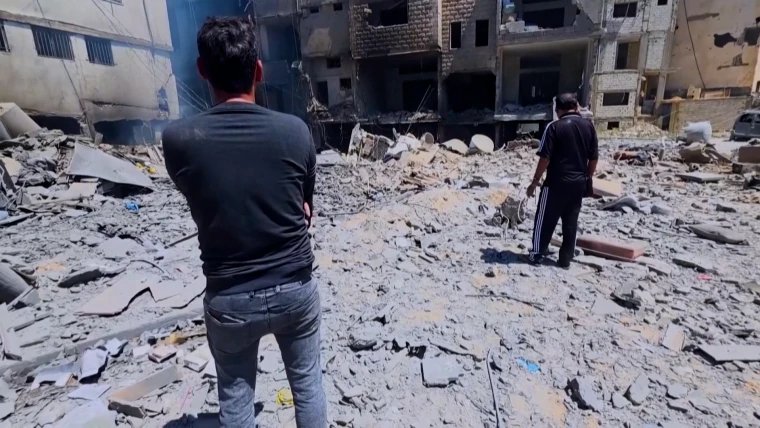
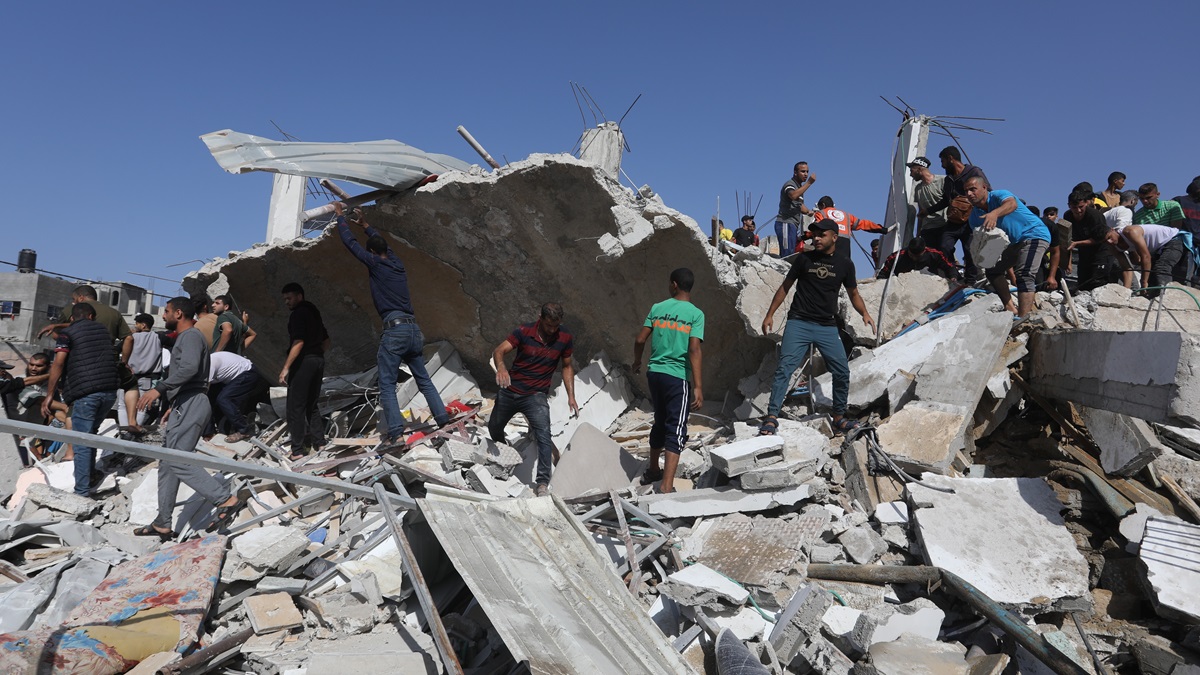
The humanitarian situation in Lebanon is dire, with reports of widespread destruction and displacement. Observers note that the conflict has resulted in significant civilian casualties and infrastructure damage, leading to calls for an immediate ceasefire and negotiations aimed at restoring stability. Lebanon's Prime Minister emphasized the need for diplomatic solutions to prevent further harm to the population.
The situation remains fluid, with ongoing military operations and diplomatic discussions that could shape the future of the region. As the conflict continues, the human cost escalates, prompting urgent calls for peace and stability in Lebanon.



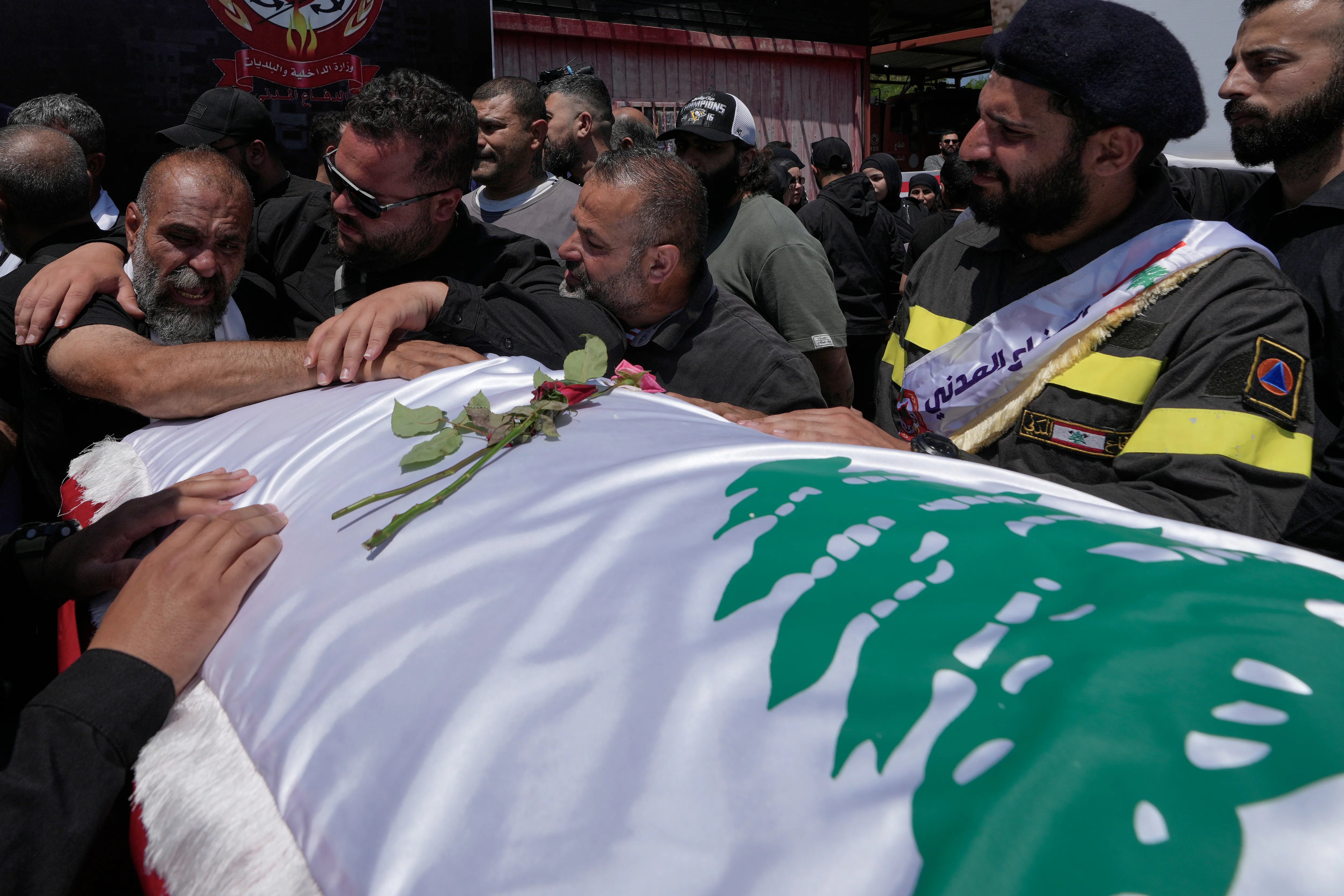






The sources also report that Lebanon's Health Ministry says about 20 percent of the more than 3,300 killed were women, children and first responders.